




Step into the future of art interior design, where creative expression meets innovative technology to shape the homes of tomorrow. As we look ahead to 2026, new trends are emerging that promise to redefine how we experience and personalize our living spaces.
This article reveals nine groundbreaking art interior design ideas, from immersive digital art walls to eco-friendly installations, each designed to elevate your home's style and functionality.
Ready to transform your space? Explore bold trends, spark inspiration, and discover how art interior design can make your home truly unique and future-ready.
The Evolution of Art in Interior Design
The concept of art interior design is experiencing a remarkable transformation as we approach 2026. Homeowners are seeking more than static decor, demanding spaces that engage their senses, reflect their identities, and support sustainability. This evolution is driven by technological advances, a heightened focus on wellbeing, and a growing desire for personal expression.
The Shift from Traditional to Experiential Art
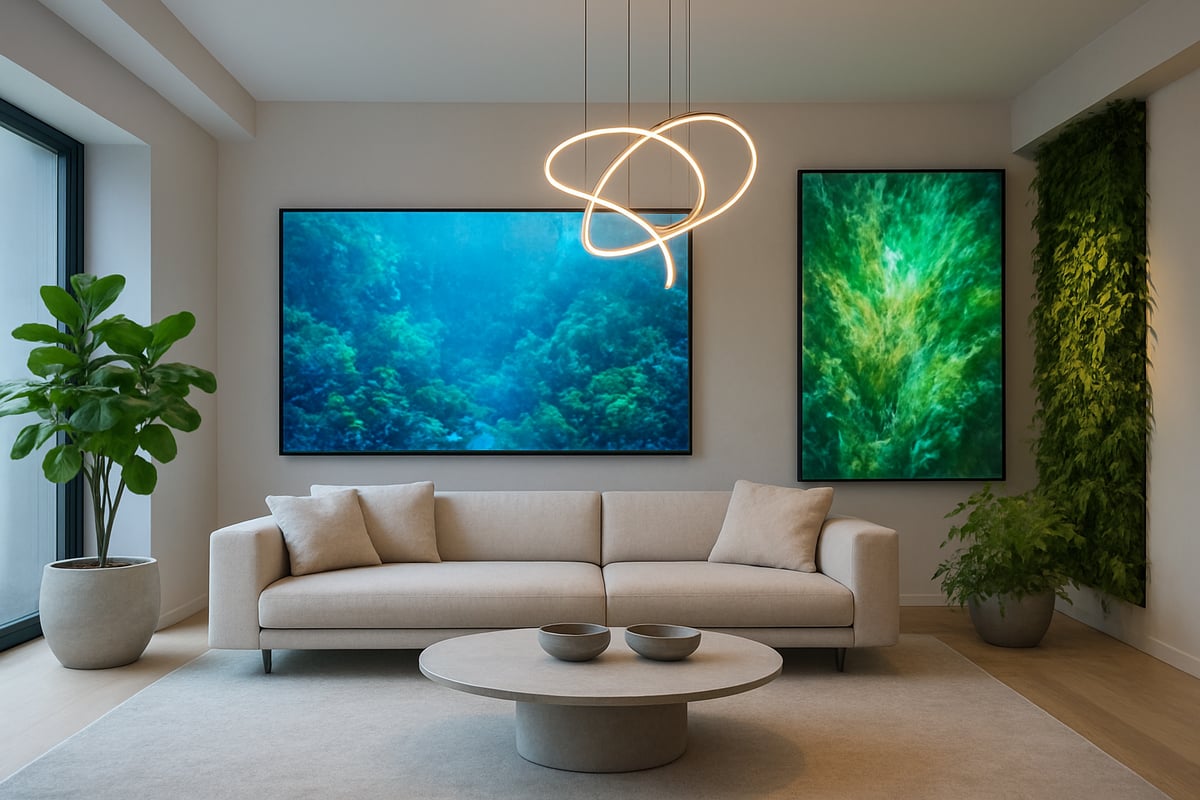
Traditionally, art interior design centered on paintings, framed prints, and sculptures displayed as focal points. Today, there is a significant shift toward experiential art that invites interaction and immersion. Homeowners now embrace installations that combine technology, light, and sound to create dynamic, multi-sensory environments.
Experiential art in homes can include projection mapping, interactive digital canvases, and sound-responsive sculptures. These innovations transform living spaces into evolving galleries. Global art movements such as immersive installations and performance art have inspired designers to break boundaries, bringing gallery-like experiences into residential settings.
This new approach to art interior design encourages homeowners to participate in the art, not just observe it, making every space unique and engaging.
The Role of Personal Expression in 2026 Homes
Personalization is a defining trend in art interior design for 2026. Homeowners curate bespoke collections that reflect their stories, passions, and values. The emotional resonance of a carefully chosen piece can elevate a room, turning it into a sanctuary that inspires and comforts.
Industry surveys reveal that 70% of homeowners in 2025 preferred personalized decor over mass-produced options. Adaptive art interior design allows for flexibility, enabling spaces to evolve with changing moods and tastes. Smart technology and modular systems support this adaptability, making it easier than ever to swap artwork or create seasonal displays.
By prioritizing self-expression, art interior design transforms houses into genuine reflections of their inhabitants, fostering deeper emotional connections to home.
Art as a Tool for Wellbeing and Productivity
Art interior design plays a vital role in supporting mental health, relaxation, and productivity. Color psychology and visual storytelling are increasingly used to create environments that promote calm, creativity, or focus. Art installations, such as calming wall murals or energizing abstract pieces, can shape the atmosphere of any room.
Scientific studies show that engaging with artful environments leads to improved wellbeing and reduced stress. For more insights on this, the Impact of art on mental health offers research-backed evidence on the benefits of incorporating art into daily life.
In 2026, art interior design is not only about aesthetics but also about creating spaces that nurture the mind and body.
Sustainability and Ethical Art Choices
As environmental awareness grows, sustainability is shaping art interior design decisions. Homeowners are choosing eco-conscious materials, upcycled art, and pieces sourced from local artists. Supporting ethical practices ensures that each addition to the home is both beautiful and responsible.
Sustainable art installations—such as reclaimed wood sculptures or recycled metal wall pieces—demonstrate a commitment to the planet. Recent market reports indicate that 60% of buyers now prioritize sustainable decor when designing their interiors.
By integrating sustainability, art interior design aligns personal values with aesthetic goals, creating homes that are both inspiring and mindful of their environmental impact.
9 Innovative Art Interior Design Ideas for 2026 Homes
Step into the future of art interior design with these nine breakthrough ideas. Each concept redefines how art influences our living environments, offering practical inspiration for every room. Whether you favor digital innovation or organic textures, this listicle will guide you in transforming your space with forward-thinking artistry.
1. Immersive Digital Art Walls
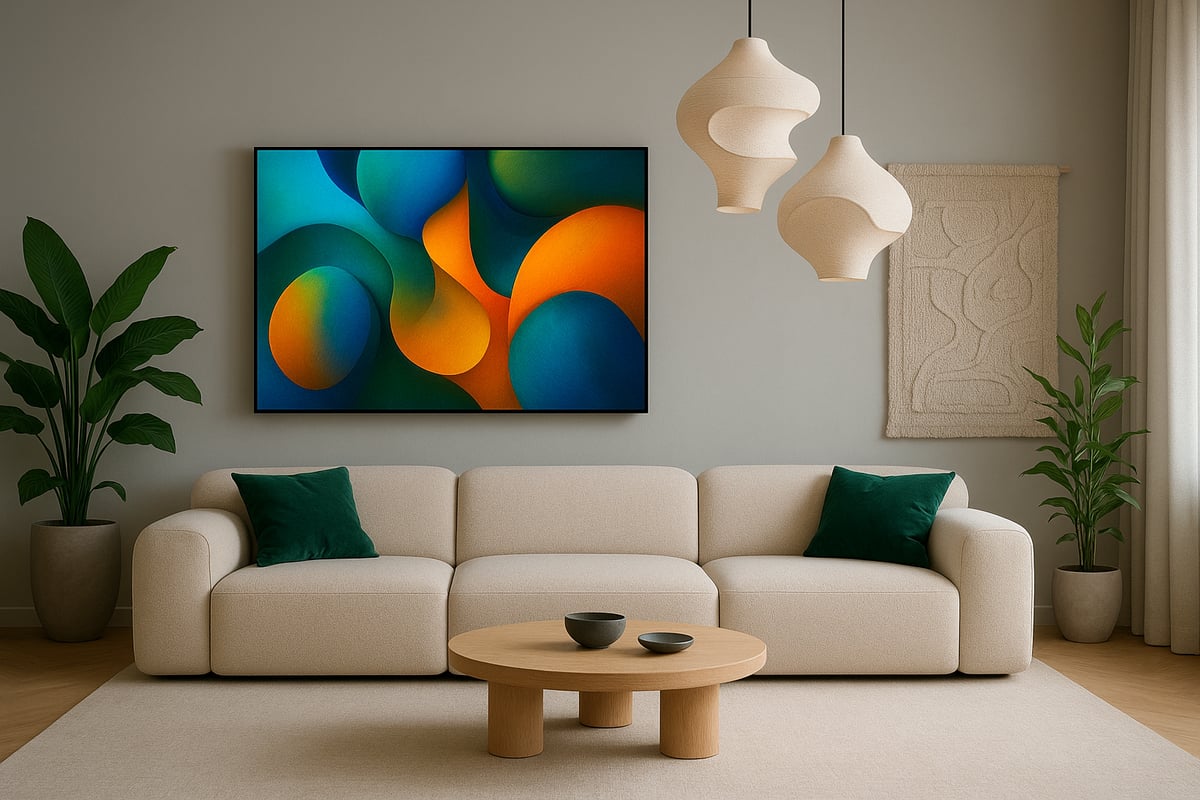
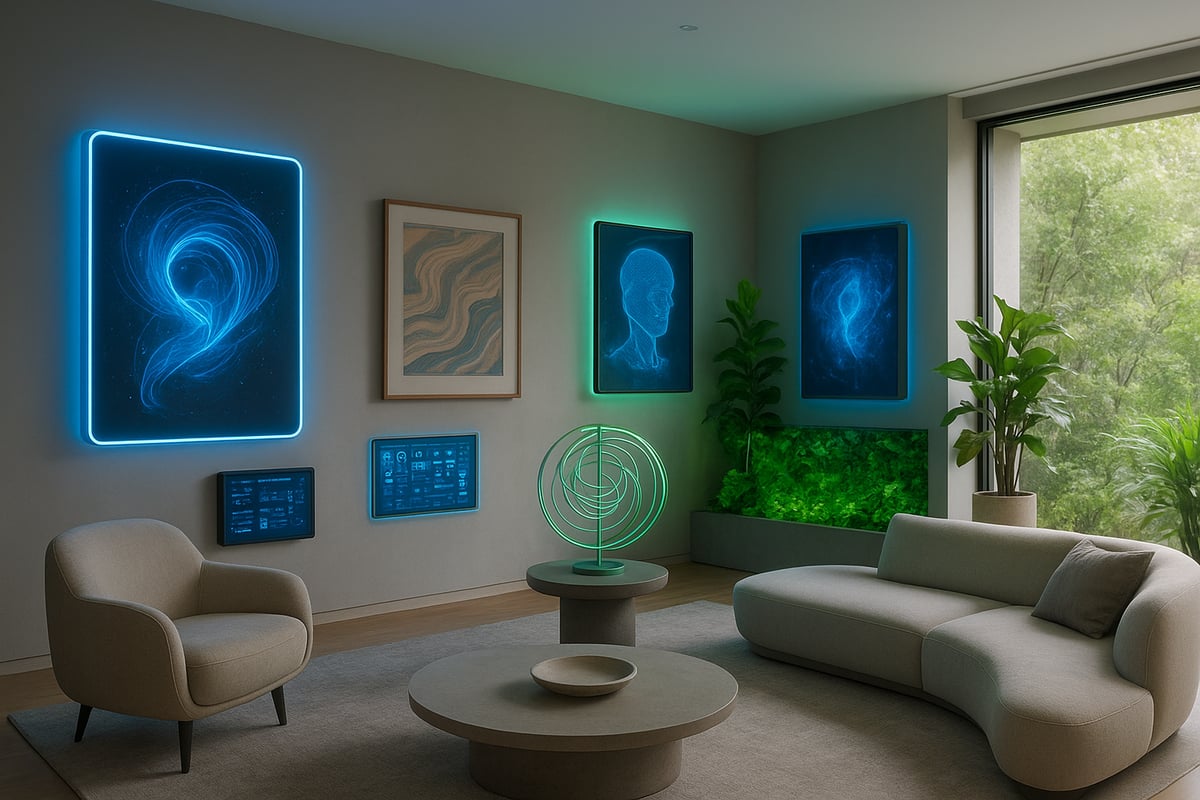
Immersive digital art walls are revolutionizing art interior design by merging technology and creativity. High-resolution screens now serve as canvases, displaying curated playlists of artwork, photography, or even family memories. These digital canvases integrate seamlessly with smart home systems, allowing homeowners to shift the mood with a tap or voice command.
Imagine your living room wall transforming throughout the day: tranquil landscapes in the morning, bold abstracts for evening gatherings. This adaptability not only keeps your environment fresh but also maximizes space, as there is no need for physical frames or storage.
The adoption of digital art in homes has soared by 50% according to 2025 trend reports. When selecting pieces, consider the room’s function—serene options for bedrooms, energizing visuals for workspaces. Curate your collection to reflect personal taste and seasonal themes.
For those seeking variety and interactivity in art interior design, digital art walls offer endless creative potential. They are ideal for tech-savvy homeowners looking to future-proof their decor.
2. Sculptural Lighting Installations
Lighting has evolved into an art form in itself, with sculptural lighting installations leading the way in art interior design. Statement fixtures—pendants, chandeliers, and wall sconces—act as both illumination and focal points.
Designers are experimenting with organic shapes, recycled materials, and even kinetic elements that gently move with air currents. In entryways or dining rooms, a dramatic sculptural piece instantly elevates the atmosphere and sparks conversation.
Lighting plays a crucial role in setting the mood and defining spaces. When integrating sculptural lighting, consider scale, existing decor, and the interplay of light and shadow. Opt for energy-efficient bulbs and smart controls to enhance sustainability.
Recent trends highlight the use of natural materials for a tactile, grounded effect. For more inspiration, see this guide on sculptural natural materials in design. Sculptural lighting is a cornerstone of art interior design, blending function with artistic expression.
3. Modular Art Furniture
Modular art furniture is redefining flexibility and creativity in art interior design. These pieces—think modular sofas, sculptural chairs, and convertible tables—are functional, adaptable, and serve as visual statements.
Materials like sustainable woods, metals, and innovative composites dominate the trend. A coffee table with interchangeable art panels allows you to refresh your space with minimal effort. Such furniture suits both small apartments and expansive homes, thanks to its customizable nature.
Personalization is a key benefit. Select artist-designed pieces or commission custom work for a one-of-a-kind interior. Modular furniture supports evolving lifestyles, accommodating everything from solo work to social gatherings.
The demand for modular, artful furniture is surging as homeowners prioritize both utility and style. In art interior design, these adaptable pieces blur the line between decor and sculpture, making every element count.
4. Living Art: Biophilic and Botanical Installations
Biophilic and botanical installations are transforming art interior design by bringing the outdoors in. Vertical gardens, moss walls, and plant sculptures infuse homes with life, improving air quality and promoting wellbeing.
Kitchens benefit from herb walls, while bedrooms feel more serene with green art panels. According to 2025 surveys, 65% of homeowners plan to incorporate biophilic elements. The calming effect of plant art is supported by research, making it a smart investment for mental health.
Maintenance is key: choose low-maintenance species for busy areas and ensure proper lighting. Living art installations can be as simple as a framed moss piece or as elaborate as a multi-story green wall.
Botanical art bridges the gap between nature and design, keeping art interior design fresh, healthful, and deeply personal.
5. Augmented Reality (AR) Art Experiences
Augmented reality is ushering in a new era for art interior design, enabling interactive and ever-changing displays. With AR-enabled walls and surfaces, static art comes alive through mobile devices or AR glasses.
Homeowners can personalize their environments with rotating virtual exhibits or collaborative projects with digital artists. Children’s rooms are transformed with educational AR murals that teach and entertain simultaneously.
Setting up AR art is straightforward: select compatible surfaces, download AR apps, and curate your collection. The future of AR in art interior design includes integration with home automation and gaming, making it a dynamic and versatile choice.
The adaptability and entertainment value of AR art experiences make them ideal for families and tech enthusiasts alike, ensuring your home feels both playful and sophisticated.
6. Textural Art and Tactile Surfaces
Textural art is gaining momentum in art interior design, adding depth and sensory appeal to interiors. Three-dimensional wall panels, fabric tapestries, and mixed-media installations bring warmth and character to living spaces.
Handcrafted textile art, such as wall hangings or woven sculptures, introduces softness and visual interest. Materials range from wool and clay to recycled plastics, supporting both sustainability and style. To discover more about this trend, explore the textile wall hangings trend.
Demand for tactile decor has risen by 40% according to 2025 design forecasts. Mixing textures is key for a cohesive look—pair soft textiles with sleek metals or natural woods. DIY enthusiasts can create custom textural art for truly personal interiors.
Textural elements in art interior design invite touch and create a sense of comfort, making every room feel more inviting and unique.
7. Multi-Functional Art Dividers
Multi-functional art dividers are a smart solution in contemporary art interior design, especially for open-plan homes. These movable partitions serve as both privacy screens and visual features, featuring murals, stained glass, or intricate laser-cut patterns.
In compact city apartments, art dividers help define zones for work, dining, or relaxation without sacrificing light or openness. Home offices benefit from artistic screens that provide separation and inspire creativity.
When selecting a divider, consider scale, transparency, and how it interacts with existing decor. Positioning is critical—use dividers to frame views or highlight architectural details.
The popularity of art dividers is rising as urban homes become more flexible. They are a testament to how art interior design can solve spatial challenges while enhancing aesthetics.
8. Kinetic and Interactive Art Installations
Kinetic and interactive art installations introduce movement and engagement into art interior design. These pieces respond to touch, sound, or environmental changes, making spaces feel alive and dynamic.
Sensors and small motors animate sculptures, wall panels, or mobiles, creating ever-changing displays. Entryways come to life with shape-shifting sculptures, while family rooms host interactive art that encourages curiosity.
Safety and maintenance are important—choose reliable mechanisms and regularly check moving parts. Data from 2025 reports shows that 30% of new luxury homes now feature kinetic art elements.
Integrating kinetic pieces into art interior design sparks conversation and fosters a playful, innovative atmosphere. These installations are perfect for families and anyone seeking a home that evolves with them.
9. Artistic Ceilings and Floors
Often overlooked, ceilings and floors are emerging as prime canvases for art interior design. Ceiling murals, sculpted plaster, and artistic tiling transform overhead spaces into works of art, while floors become showcases for mosaics, painted wood, or resin designs.
Dining rooms with celestial ceiling art create a sense of wonder, while vibrant floor patterns energize entryways. To balance bold surfaces, pair them with understated furnishings and neutral palettes.
Durability is essential—choose high-quality materials that withstand daily wear. Bespoke commissions for ceilings and floors are on the rise, reflecting a growing desire for unique, immersive environments.
By elevating every surface, art interior design ensures that no detail is left untouched, making your home truly one-of-a-kind.
How to Curate and Implement Art-Driven Interiors
Curating a home with art interior design in mind requires a thoughtful approach. Each step, from understanding your space to maintaining your collection, shapes an environment that feels both personal and inspiring.
Understanding Your Space and Style
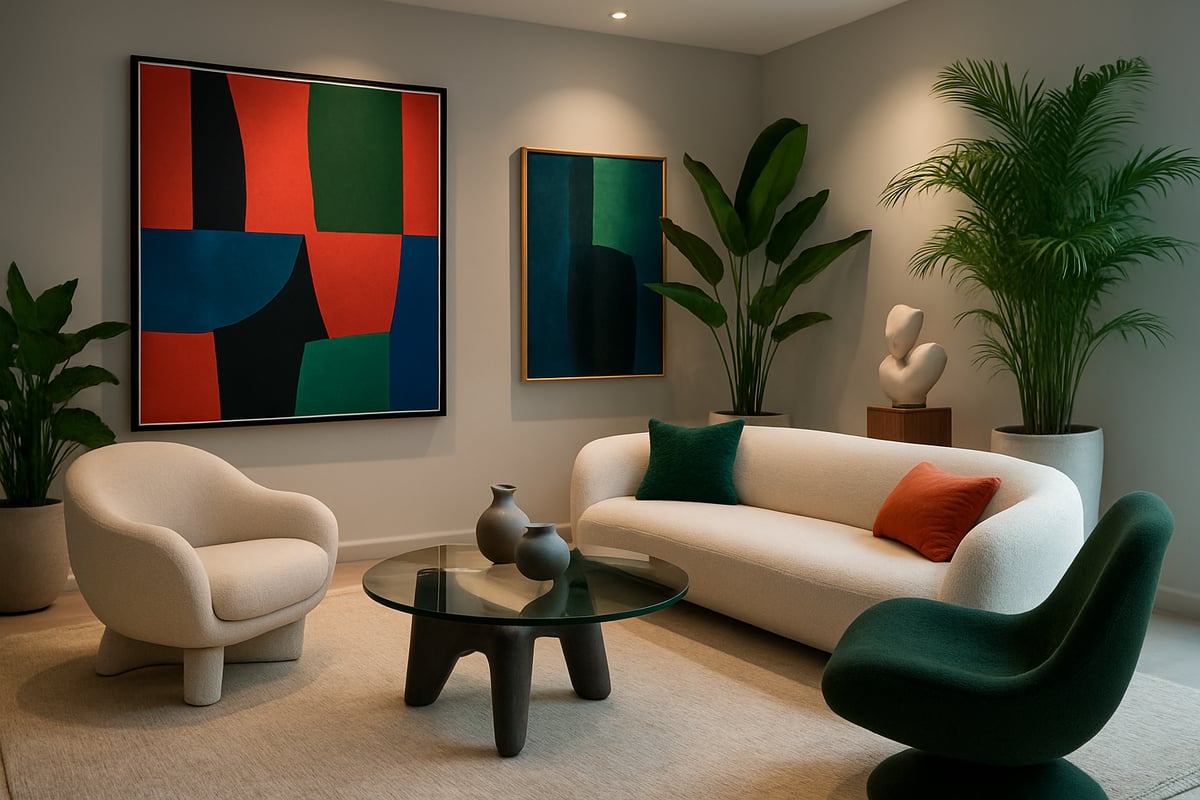
Begin your art interior design journey by assessing your space carefully. Note the natural light, room dimensions, and unique architectural features that could enhance or limit your art choices.
Define your personal style and lifestyle needs by collecting inspiration from magazines, galleries, or online resources. Mood boards are particularly useful for visualizing how different art elements will work together. Digital tools and apps can also help you preview potential layouts or color schemes before making any commitments.
If you need a comprehensive approach, the Step-by-Step Interior Design Guide offers practical advice for aligning your vision with your home's potential. This foundation ensures your art interior design is both cohesive and reflective of your character.
Sourcing and Commissioning Art for Your Home
Selecting artwork for your home is an exciting part of the art interior design process. Explore local galleries, online platforms, and artist communities to discover unique pieces that resonate with your taste.
Consider commissioning custom works for spaces that require a tailored touch. Custom art can transform overlooked areas, such as entryways or alcoves, into focal points. When budgeting, factor in framing, installation, and potential resale value.
Key strategies for sourcing art:
- Support local or emerging artists to foster community connections.
- Mix investment pieces with affordable finds for a balanced collection.
- Keep scale and proportion in mind to maintain harmony within each room.
Personalized art interior design choices can elevate your space while showcasing your individuality.
Integrating Art with Technology and Sustainability
Modern art interior design thrives on the intersection of creativity, technology, and environmental responsibility. Smart home systems allow you to display digital art, adjust lighting, or even rotate collections with ease.
Choose eco-friendly materials and energy-efficient installations when possible. Sustainable art, such as upcycled sculptures or recycled textile wall hangings, supports both the planet and local creators. For insights on integrating contemporary trends, explore Designer Insights for Interiors.
Adopting these strategies ensures your art interior design remains relevant, adaptable, and responsible well into the future.
Maintenance, Preservation, and Adaptability
Preserving the beauty of your art interior design involves regular care and attention. Each medium—whether painting, sculpture, or textile—requires specific cleaning methods to maintain its integrity.
Rotate pieces periodically to keep your environment feeling fresh and dynamic. If you anticipate moving or renovating, choose modular displays and flexible mounting systems for easy transitions.
A proactive maintenance plan safeguards your investment and allows your art interior design to evolve alongside your lifestyle and tastes.
The Future of Art Interior Design: Trends to Watch in 2026 and Beyond
The landscape of art interior design is evolving rapidly, driven by new technology, shifting lifestyles, and a greater focus on wellbeing. As we look ahead to 2026, homeowners and designers are embracing trends that merge creativity with innovation, making artistic expression an essential part of daily living.
Emerging Technologies and Artistic Innovations
Cutting-edge technology is transforming art interior design, opening doors to experiences once reserved for galleries and museums. Home environments now feature AI-generated art, interactive holographic displays, and immersive environments that respond to your presence. Predictive analytics are being used to recommend artworks tailored to each homeowner’s taste, making the curation process seamless.
Digital ownership, including NFTs, is giving rise to unique, verifiable collections displayed on high-resolution canvases. The fusion of classic styles and modern tech is especially evident in the resurgence of iconic trends as seen in the Art Deco revival in 2026 interiors, where vintage glamour meets digital artistry. This blend ensures that art interior design continues to push boundaries while honoring tradition.
The Growing Importance of Personalization and Wellbeing
Personalization stands at the forefront of art interior design for 2026. Homeowners are commissioning custom pieces that reflect their personalities and support their wellness goals. Spaces dedicated to art therapy and mindful design are becoming more common, supporting mental health and daily productivity.
Designers are integrating calming color palettes and biophilic elements, creating environments that soothe and inspire. Recent industry insights reveal that 80% of designers now prioritize wellbeing in their projects, highlighting the critical role of art in fostering healthier homes. As art interior design evolves, expect bespoke solutions that nurture both creativity and tranquility.
Community, Collaboration, and the Democratization of Art
Art interior design is becoming more accessible and collaborative than ever before. Crowdsourced installations and community-driven projects allow homeowners and renters to participate in the creative process. Online platforms and educational resources, such as the Living Room Design Drawing Guide, empower individuals to experiment with new ideas and techniques.
Digital communities are also breaking down barriers, connecting people with artists and experts around the globe. This democratization ensures that art interior design is no longer exclusive, but an inclusive movement that welcomes diverse voices and visions.
After exploring these exciting art interior design ideas for 2026, you might be inspired to start transforming your own space into a work of art. Whether you’re drawn to immersive digital walls, sculptural lighting, or sustainable installations, the best place to begin is by building a strong design foundation. If you’re ready to take your creativity further and turn your vision into reality, you can gain practical skills with expert guidance. Start your journey and Get started with Interior Design—it’s the perfect next step to bring these innovative concepts to life in your home.
Share:
Wooden Furniture Design Guide: Trends and Tips for 2026
Design House Guide: Your Roadmap to Creative Success 2026