



Unlock the secrets to creative and professional success in the rapidly evolving design house landscape for 2026. As the industry transforms with new technology and global opportunities, mastering the essentials is more important than ever.
This guide offers a complete roadmap to building, managing, and scaling a design house that thrives. By blending creativity, technology, and business strategy, you will discover how to stay ahead of the curve.
Explore the fundamentals of a modern design house, step-by-step setup strategies, essential tools, creative leadership, technology integration, and the future trends shaping the industry.
Ready to seize the booming demand for design innovation? Dive in and turn your vision into a reality.
Understanding the Modern Design House
The design house is at the heart of creative industries, evolving rapidly in response to global trends and technological advances. Understanding what defines a modern design house in 2026 is essential for creative professionals, entrepreneurs, and anyone inspired by the impact of design on business and culture.
Evolution of Design Houses
Design houses have undergone a remarkable transformation over the decades. Originally, a design house functioned as a small, specialized studio, with teams focused on a single discipline such as interior, fashion, or graphic design. As industries globalized and digital technology advanced, the modern design house emerged as a multi-disciplinary creative hub.
This shift allowed creative teams to collaborate across boundaries, integrating architecture, product, and digital design under one roof. The influence of globalization opened doors to international projects, while digital platforms enabled real-time collaboration with clients and partners worldwide. Today, leading design houses range from global collectives to agile boutique agencies, each shaping the industry with innovative approaches and cross-functional expertise.
Core Functions and Roles
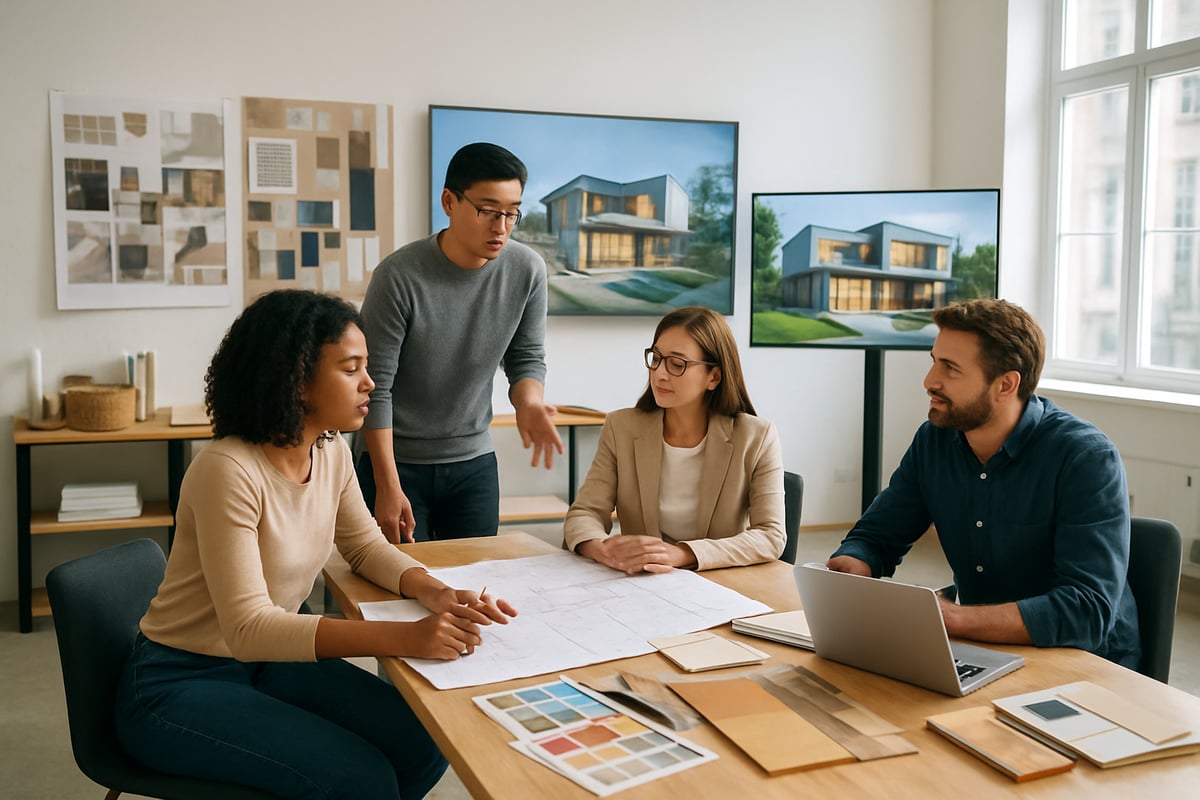
A successful design house is structured around several key departments: creative, technical, project management, and client relations. Each department plays a distinct role in delivering projects from concept to completion.
- The creative team, led by a creative director, drives ideation and artistic vision.
- Technical specialists, including CAD experts and visualization artists, bring ideas to life with precision.
- Project managers coordinate timelines, budgets, and resources to ensure smooth delivery.
- Client managers handle communication and relationship-building.
Collaboration is the foundation of a design house. Cross-functional teams work together to solve complex challenges, blending creativity with technical know-how. This synergy ensures that the design house remains agile and responsive to client needs.
Market Demand and Industry Growth
The design house sector is experiencing unprecedented growth, fueled by rising demand for innovative environments and experiences. Clients now seek design solutions that are not only visually compelling but also functional, sustainable, and adaptable.
Emerging sectors such as sustainable design, experiential spaces, and virtual design services are gaining momentum. The global design services market is projected to reach $249 billion by 2026, according to Business Research Insights. This expansion reflects the increasing value placed on creativity, problem-solving, and technological integration within the design house model.
Defining Success for 2026
Success for a design house in 2026 is measured through a blend of quantitative and qualitative metrics. Key indicators include project delivery times, client retention rates, industry awards, and a strong digital presence.
Notable design houses set themselves apart by consistently exceeding client expectations and adapting quickly to market shifts. A recent case study highlights a boutique design house that doubled its client base by investing in digital marketing and streamlining project delivery, demonstrating the impact of strategic planning and innovation.
Challenges Facing Design Houses
Despite significant opportunities, every design house faces challenges in a rapidly changing landscape. Talent acquisition and retention are ongoing concerns, as the demand for skilled professionals outpaces supply.
Balancing creativity with commercial viability requires strong leadership and clear processes. Additionally, keeping pace with rapid technological change means continuous investment in training and tools. Design houses that proactively address these challenges are better positioned to lead the industry and deliver lasting value to clients.
Building the Foundation: Setting Up Your Design House
Building a successful design house begins with a strong foundation. Every great creative venture starts with clarity, structure, and the right resources. Laying these cornerstones is critical, whether you are launching your first studio or scaling up a boutique agency.
Defining Your Vision and Niche
The first step to establishing a design house is defining your vision. A clear mission statement sets your direction and differentiates your studio from competitors. Pinpoint what makes your services unique, whether it is a focus on sustainable design or innovative digital experiences.
Identifying your niche is equally vital. Will your design house specialize in residential interiors, commercial spaces, or hospitality projects? Research shows that niche-focused studios often outperform generalists by attracting clients who value specialized expertise.
If you are looking for a structured approach, the Step-by-Step Interior Design Guide offers actionable strategies for defining your creative direction and building a strong foundation for your design house.
Legal and Financial Essentials
Once your vision is set, address the legal and financial framework. Choosing the right business structure—such as LLC, partnership, or corporation—impacts liability, taxation, and scalability. Here is a quick comparison:
| Structure | Liability | Taxation | Scalability |
|---|---|---|---|
| LLC | Limited | Pass-through | Moderate |
| Partnership | Shared | Pass-through | Limited |
| Corporation | Separate | Double | High |
Obtain any required licenses and permits before operating your design house. Secure insurance to cover property, liability, and professional risks. Budgeting is also crucial—plan for startup costs, software, payroll, and ongoing expenses to maintain financial health.
Assembling Your Dream Team
The success of a design house depends on its people. Recruit team members who bring creativity, technical skill, and cultural alignment. Look for designers, CAD specialists, project managers, and client liaisons who thrive in collaborative environments.
Onboarding should be structured, with clear roles and expectations. Invest in continuous training to keep skills sharp and foster innovation. Embracing diversity and inclusion not only enhances creativity but also drives better problem-solving and client satisfaction within your design house.
Crafting Your Portfolio and Brand Identity
Your portfolio is the face of your design house. Build a compelling digital presence with a user-friendly website, engaging social media profiles, and curated project showcases on platforms like Behance.
Branding is more than a logo. Develop a consistent visual style, voice, and messaging that reflect your studio's ethos. A strong brand attracts premium clients and sets your design house apart in a crowded market.
A real-world example: boutique studios with bold, cohesive branding consistently command higher rates and win industry awards, reinforcing the value of investing in your identity.
Setting Up Your Workspace
Choosing the right workspace model is essential for a modern design house. Decide between a physical studio, a virtual setup, or a hybrid approach. Each option has pros and cons:
- Physical: fosters team cohesion, but higher overhead.
- Virtual: offers flexibility, reduces costs, but may challenge collaboration.
- Hybrid: balances structure and freedom, now chosen by 63% of professionals.
Equip your design house with essential hardware, software, and creative spaces. Prioritize ergonomic furniture, high-performance computers, and collaborative tools for brainstorming and prototyping.
How Digital Platforms Empower Modern Design Houses
Digital platforms have transformed how a design house operates. Services like Craft n Build Design Co. offer access to 3D CAD models, templates, and online courses. These resources streamline workflows, enhance skill development, and boost efficiency.
Whether you are a startup or an established design house, leveraging digital platforms can provide scalable solutions, support remote collaboration, and help you stay competitive in the evolving design landscape.
Essential Tools and Technologies for Creative Excellence
Equipping your design house with the right tools and technologies is essential for delivering creative excellence in a competitive market. From software that powers innovation to hardware that enhances productivity, every element shapes the quality and efficiency of your projects.

Must-Have Design Software
Choosing robust design software is foundational for any design house aiming for success. CAD programs such as AutoCAD and Rhino allow precise technical drawings, while BIM tools streamline complex architectural planning. For visualization, 3D rendering platforms like SketchUp bring concepts to life, making client presentations more impactful.
Graphic design suites such as Adobe Creative Suite enable branding, marketing, and digital content creation. By integrating these platforms, a design house can move seamlessly from ideation to execution, ensuring each project meets client expectations quickly and accurately.
Workflow Automation and Project Management
Efficient workflow management is vital for a design house to deliver projects on time and within budget. Platforms like Asana and Trello help teams organize schedules, track progress, and assign tasks, minimizing communication gaps. Slack enables instant collaboration and quick decision-making, keeping everyone aligned.
Automated file sharing and centralized documentation reduce errors and ensure that team members always access the latest updates. This structured approach empowers a design house to handle multiple projects, respond to client feedback promptly, and maintain a high standard of service.
Hardware and Studio Equipment
Investing in the right hardware transforms the daily operations of a design house. High-performance computers with advanced graphics cards are essential for rendering large files and running complex applications. Tablets with stylus support, such as iPad Pro or Wacom, enable intuitive sketching and digital markups.
VR and AR headsets create immersive experiences for both designers and clients, supporting virtual walkthroughs and interactive presentations. A well-equipped studio also includes spaces for prototyping, material sampling, and hosting collaborative sessions, giving every project a tangible edge.
Cloud-Based Collaboration
Cloud-based tools have revolutionized how a design house operates, especially in distributed or hybrid work environments. Real-time sharing platforms enable designers to co-create, review, and edit files simultaneously, fostering seamless teamwork. Version control features ensure that all changes are tracked, preventing data loss or confusion.
Data security is paramount, with encrypted storage and controlled access protecting sensitive client information. By leveraging cloud collaboration, a design house enhances flexibility, speeds up approvals, and adapts swiftly to client needs.
Integrating AI and Emerging Tech
Artificial intelligence is rapidly reshaping the design house landscape. AI-powered design assistants automate repetitive tasks, generate creative options, and analyze user data for more informed decisions. Generative design tools can propose optimized layouts based on set parameters, saving valuable time.
According to recent findings, AI reducing design time by up to 30% is transforming the way design houses approach project planning and delivery. Embracing these innovations positions your design house at the forefront of efficiency and creativity, ready to meet the demands of 2026 and beyond.
The Creative Process: From Concept to Completion
The creative process is the heart of every design house, transforming abstract ideas into tangible, memorable spaces. Mastering this journey from concept to completion ensures not only client satisfaction but also positions your design house as a leader in innovation and quality. Each stage demands a blend of creativity, structure, and collaboration to deliver exceptional results.

Ideation and Research
Every successful design house project begins with ideation and research. Teams gather to brainstorm, analyze current trends, and study user needs. Techniques like mood-boarding and mind mapping help visualize initial directions, while data-driven research ensures concepts are relevant and client-focused.
User-centric strategies are essential for a design house to remain competitive. By interviewing stakeholders, analyzing market data, and reviewing competitor spaces, creative teams uncover unique opportunities. This foundation supports the innovative solutions that make a design house stand out.
Concept Development and Visualization
Once research is complete, the design house team moves to concept development and visualization. This phase blends creativity with technical skill. Designers sketch initial layouts, create digital mockups, and develop prototypes to bring ideas to life.
Mood boards and 3D models help refine concepts, making abstract ideas tangible for clients. For inspiration and practical guidance, resources like the Living Room Design Drawing Guide offer expert tips that align with the rigorous standards of a modern design house. This ensures each project starts with a clear, compelling vision.
Client Collaboration and Feedback
Open, ongoing communication is a hallmark of a successful design house. During the creative process, teams present concepts using interactive tools and real-time editing platforms. This allows clients to visualize progress and provide immediate feedback.
Effective expectation management is vital for a design house to deliver on promises. By setting clear milestones and using collaborative presentations, teams build trust and keep projects on track. Regular check-ins and transparent discussions ensure alignment at every stage.
Design Iteration and Refinement
Iteration is where a design house truly shines. Feedback loops allow teams to refine concepts based on client input and technical constraints. Agile workflows encourage continuous improvement, leading to higher client satisfaction rates.
Successful design houses embrace change, adapting quickly to new ideas and requirements. By documenting revisions and tracking progress, teams ensure that every detail aligns with the original vision. This commitment to refinement distinguishes a high-performing design house.
Project Execution and Delivery
Execution turns concepts into reality. A design house must coordinate across disciplines, manage timelines, and uphold strict quality standards. Project managers oversee schedules while designers and technical staff collaborate to resolve challenges.
Documentation is critical for a seamless handover. The design house prepares detailed plans, specifications, and operational guides, ensuring clients can maintain their new spaces confidently. This comprehensive approach solidifies the reputation of the design house.
Measuring Success and Gathering Insights
After project delivery, a design house evaluates its performance through post-project analysis. Gathering client feedback, conducting team debriefs, and tracking key metrics reveal strengths and areas for improvement.
Continuous learning is part of every leading design house. By analyzing lessons learned and sharing insights, teams foster a culture of growth and innovation. This process not only improves future projects but also cements the design house as a trusted partner in creative excellence.
Leading and Scaling Your Design House
Scaling a thriving design house requires more than creative talent alone. Sustainable growth depends on strong leadership, strategic business development, sound financial management, and the ability to nurture both people and services. This section explores proven strategies to help your design house reach new heights in 2026.
Creative Leadership and Culture
The backbone of any successful design house is its leadership and culture. Leaders must inspire innovation, encourage risk-taking, and foster an environment where creative ideas flourish. Building a culture of collaboration means promoting open dialogue, valuing diverse perspectives, and holding the team accountable for shared goals.
Key steps to cultivate a strong culture include:
- Regular brainstorming sessions to spark new concepts
- Recognition programs to celebrate achievements
- Transparent communication channels for feedback
A well-led design house is agile, adaptable, and always ready for the next challenge.
Business Development and Client Acquisition
Securing a steady stream of clients is crucial for your design house. In today's digital landscape, a robust online presence is often the gateway to new business. In fact, 78% of design houses gain new clients through online presence, highlighting the value of digital marketing strategies.
Effective tactics for client acquisition include:
- Optimized website and portfolio showcasing your best work
- Active engagement on social media platforms
- Networking at industry events and local business groups
Consistent outreach ensures your design house remains visible to target markets.
Financial Management and Growth Strategies
Financial health is vital for scaling a design house. Choose pricing models that reflect your value, such as hourly, fixed, or value-based fees. Regularly review cash flow, forecast expenses, and set aside resources for investment in technology and talent.
Growth strategies may involve:
- Expanding your client base through referrals
- Forming strategic partnerships with complementary firms
- Exploring new markets or service areas
A disciplined approach to finances positions your design house for long-term success.
Talent Development and Retention
Attracting and retaining top talent is a competitive advantage for any design house. Invest in ongoing education, mentorship, and clear career progression paths. Studios with strong learning cultures report higher retention rates and greater creative output.
Consider these best practices:
- Provide access to industry workshops and certifications
- Offer regular feedback and recognition
- Foster an inclusive environment where all voices are heard
A committed team drives innovation and ensures your design house stands out.
Expanding Services and Diversification
To future-proof your design house, consider expanding your range of services. Diversification can include consulting, launching digital products, or offering online courses. By adapting to client needs and market trends, your design house can capture new revenue streams and reduce risk.
Table: Service Expansion Opportunities
| Service Type | Benefits |
|---|---|
| Consulting | Deepens client trust |
| Digital Products | Generates passive income |
| Online Courses | Builds industry authority |
Strategic diversification keeps your design house relevant and resilient in a changing industry.
Future Trends and Opportunities in Design Houses
Emerging trends are reshaping what it means to operate a design house in 2026. Staying ahead means understanding how sustainability, technology, and global shifts will impact every aspect of creative business. Let us explore how these forces are unlocking new opportunities and setting the stage for a more innovative future.
Sustainability and Eco-Conscious Design
Sustainability is no longer optional for a design house. Clients increasingly demand eco-friendly solutions, from green materials to energy-efficient spaces. LEED certification and sustainable sourcing open new markets and set firms apart.
Designers now integrate recycled materials, low-impact finishes, and smart systems into every project. This approach not only attracts environmentally conscious clients but also cuts costs and improves brand reputation. For guidance on implementing modern, sustainable trends, see the Modern Interior Design Guide.
The Rise of Virtual and Augmented Reality
Virtual and augmented reality are transforming the design house workflow. These technologies allow immersive client presentations and virtual walkthroughs, helping clients visualize outcomes with unprecedented clarity.
Firms using VR report faster approval cycles and more engaged clients. By adopting these tools, a design house can reduce revisions and streamline project delivery. The ability to present interactive spaces sets leaders apart in a competitive landscape.
Globalization and Remote Collaboration
The design house model is expanding across borders, connecting talent and clients worldwide. Remote collaboration tools enable seamless teamwork regardless of location, opening opportunities in new markets.
Managing distributed teams requires clear communication and robust digital platforms. By embracing globalization, a design house can offer 24-hour service and tap into diverse creative perspectives. This global reach drives both innovation and business growth.
Personalization and Data-Driven Design
Personalization is at the heart of the modern design house. Data-driven strategies allow designers to create hyper-personalized spaces that reflect client lifestyles and preferences.
Analytics and smart home integration provide insights into how spaces are used, resulting in tailored solutions. This approach not only delights clients but also positions a design house as a forward-thinking, client-centric partner.
Evolving Client Expectations
Clients now expect transparency, faster delivery, and unique experiences from their design house partners. Real-time project updates and open communication are essential for building trust.
To meet these demands, firms must invest in client portals, agile workflows, and creative presentations. Adapting to these expectations ensures a design house maintains strong relationships and repeat business.
The Role of Education and Lifelong Learning
Continuous education is vital for a design house to stay competitive. Rapid industry changes require designers to upskill through online courses, certifications, and peer learning.
Fostering a culture of lifelong learning encourages innovation and keeps teams motivated. Investing in professional development ensures a design house remains at the forefront of creative and technological trends.
Navigating Regulatory and Ethical Challenges
Design houses must navigate regulatory and ethical challenges as the industry evolves. Data privacy, copyright, and fair labor practices are top concerns.
Staying informed about new standards and compliance requirements protects both clients and the business. By prioritizing ethics and regulation, a design house builds trust and prepares for future changes.
As you map out your journey to creative success in the world of design houses, having the right tools and resources can make all the difference. Whether you’re building your foundation or scaling new heights, integrating efficient digital solutions will empower you to bring your ideas to life faster and more professionally. One way to supercharge your workflow is by leveraging ready-to-use assets and expanding your design capabilities. If you’re ready to take the next step and create stunning furniture designs with ease, you can learn how to create furniture designs with premade 3D cad.
Share:
9 Innovative Art Interior Design Ideas for 2026 Homes
Design House CAD Guide: Expert Insights for 2026