

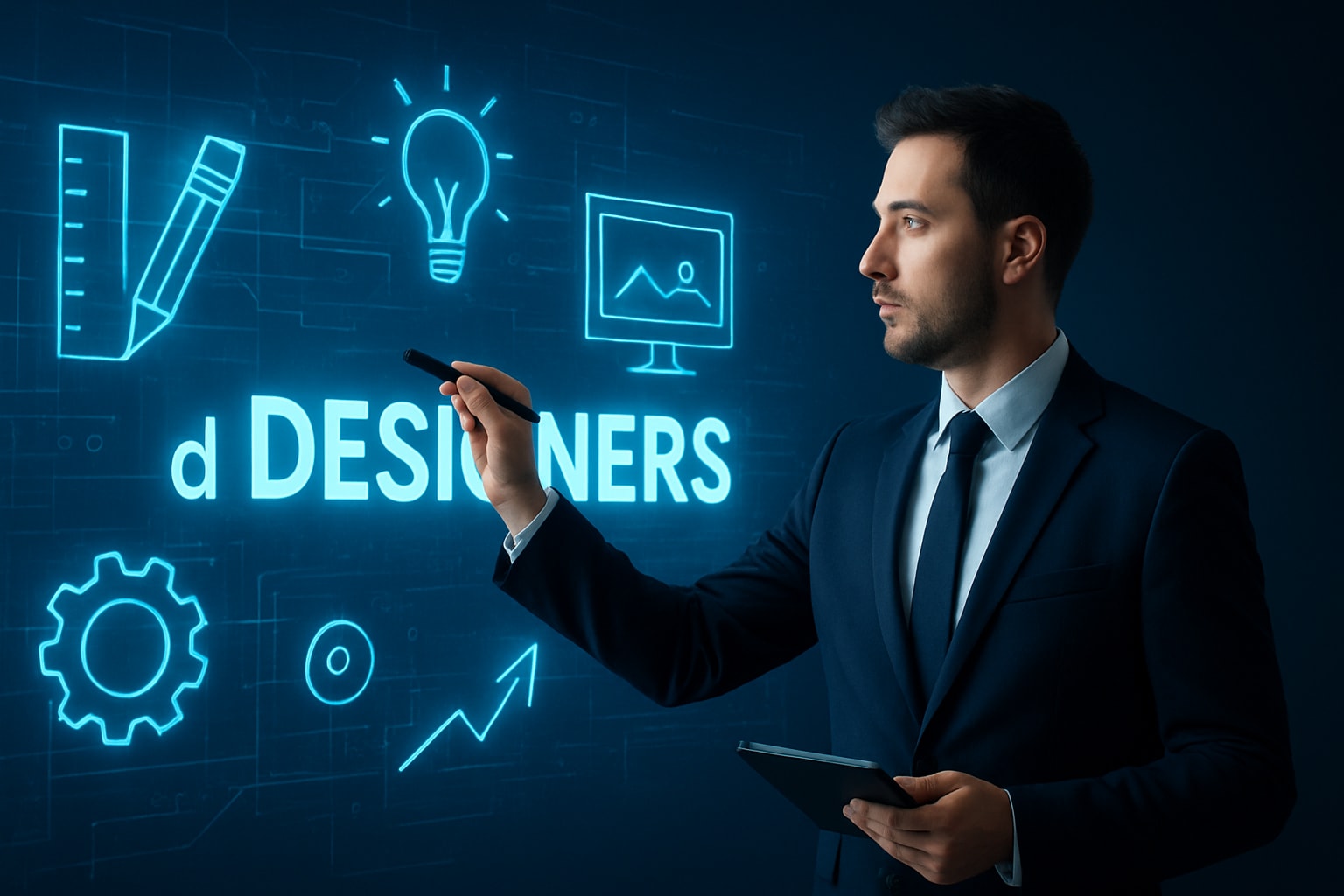
Design and technology are evolving at lightning speed, reshaping industries and creating new career opportunities. As we look toward 2026, the demand for skilled d designers is reaching unprecedented heights.
This expert guide is your essential resource for understanding, hiring, or becoming a top-tier d designer in the modern creative landscape. Discover why d designers are central to innovation, efficiency, and user engagement.
Inside, you will find clear definitions, must-have skills, industry trends, top tools, career pathways, and actionable best practices. Whether you’re an aspiring professional or seeking to build a world-class team, this guide will help you take the next step.
What is a D Designer? Defining the Role in 2026
The design landscape is evolving at a remarkable pace. In 2026, d designers are at the forefront of this transformation, bridging creativity, technology, and strategy. But what exactly defines a d designer in this new era? Let’s explore how the role has progressed, what it entails, and why it is becoming essential across industries.
Evolution of the D Designer Role
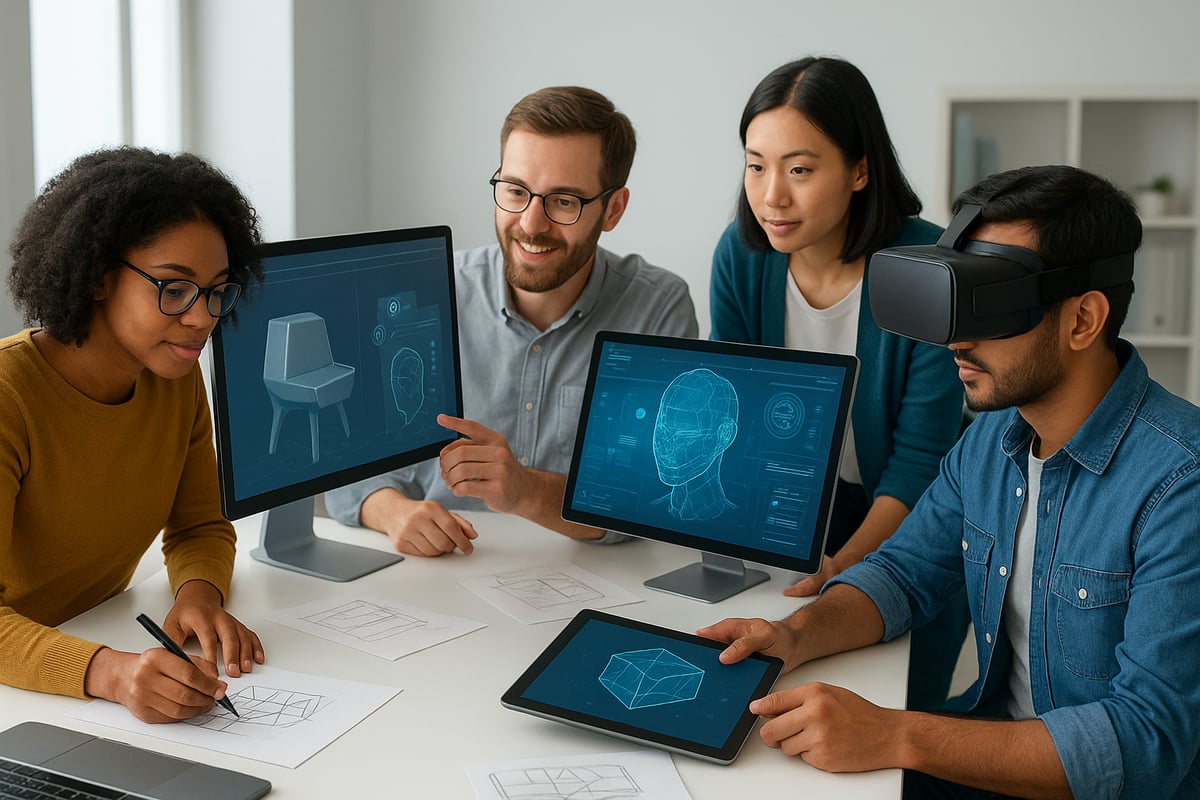
A decade ago, design roles were often siloed, focused on print or digital media. Today, d designers are recognized as versatile professionals who blend artistic vision with digital innovation. Over the years, the definition has shifted from traditional design to include complex digital modeling, immersive environments, and multidisciplinary teamwork.
D designers are now expected to navigate emerging technologies and adapt to rapid changes. This evolution reflects the growing need for adaptability and broad expertise.
Core Responsibilities and Specializations
At the heart of the d designers’ role are several core responsibilities. These include digital modeling, user experience design, product visualization, and seamless collaboration across disciplines.
Specializations are diverse, such as:
- UI/UX design for digital platforms
- 3D modeling for products and environments
- AR/VR environment creation
- Sustainable and circular design practices
D designers often tailor their expertise to meet the unique needs of each project, ensuring both creative and technical excellence.
Skills and Qualifications in Demand
D designers are valued for a mix of technical and soft skills. On the technical side, proficiency in CAD, 3D rendering, and basic programming is crucial. Familiarity with essential 3D CAD tools and workflows gives them a competitive advantage.
Equally important are soft skills like creativity, adaptability, and strong communication. The ability to translate ideas into visual concepts and work effectively with others sets top d designers apart.
Industry Sectors Employing D Designers
The demand for d designers spans multiple sectors. Leading industries include tech, architecture, gaming, e-commerce, and interior design. Companies seek professionals who can create engaging digital experiences and innovative products.
Typical job descriptions highlight cross-functional teamwork, rapid prototyping, and a strong grasp of digital tools. Top employers value candidates who can drive both user engagement and operational efficiency.
The Value Proposition of D Designers
D designers deliver measurable value by driving innovation, streamlining workflows, and enhancing user engagement. Recent data shows a 15% year-over-year increase in d designer roles, reflecting their growing impact.
Their work often leads to faster product development cycles, improved customer satisfaction, and higher market competitiveness. Salary growth statistics further underscore the importance of d designers in today’s employment landscape.
Real-World Example
Consider a recent case where a d designer revitalized a struggling product. By integrating 3D visualization, user feedback, and AR features, the product’s market share soared within months.
This example illustrates how d designers can transform business outcomes through creative problem-solving and technical expertise.
Common Misconceptions
There are several misconceptions about d designers. Some confuse them with graphic designers or engineers, but the roles differ significantly.
| Role | Focus Area | Key Skills |
|---|---|---|
| D Designer | Digital modeling, AR/VR | CAD, creativity |
| Graphic Designer | Visual media | Typography, layout |
| Engineer | Technical solutions | Engineering, coding |
D designers operate at the intersection of creativity and technology, making their contributions unique and indispensable.
Essential Skills and Tools for D Designers in 2026
The modern landscape for d designers demands a blend of technical expertise, creative insight, and adaptability. As technology continues to evolve, mastering essential skills and leveraging the right tools are critical for success. This section explores what sets top d designers apart in 2026.
Technical Proficiency: Software and Platforms
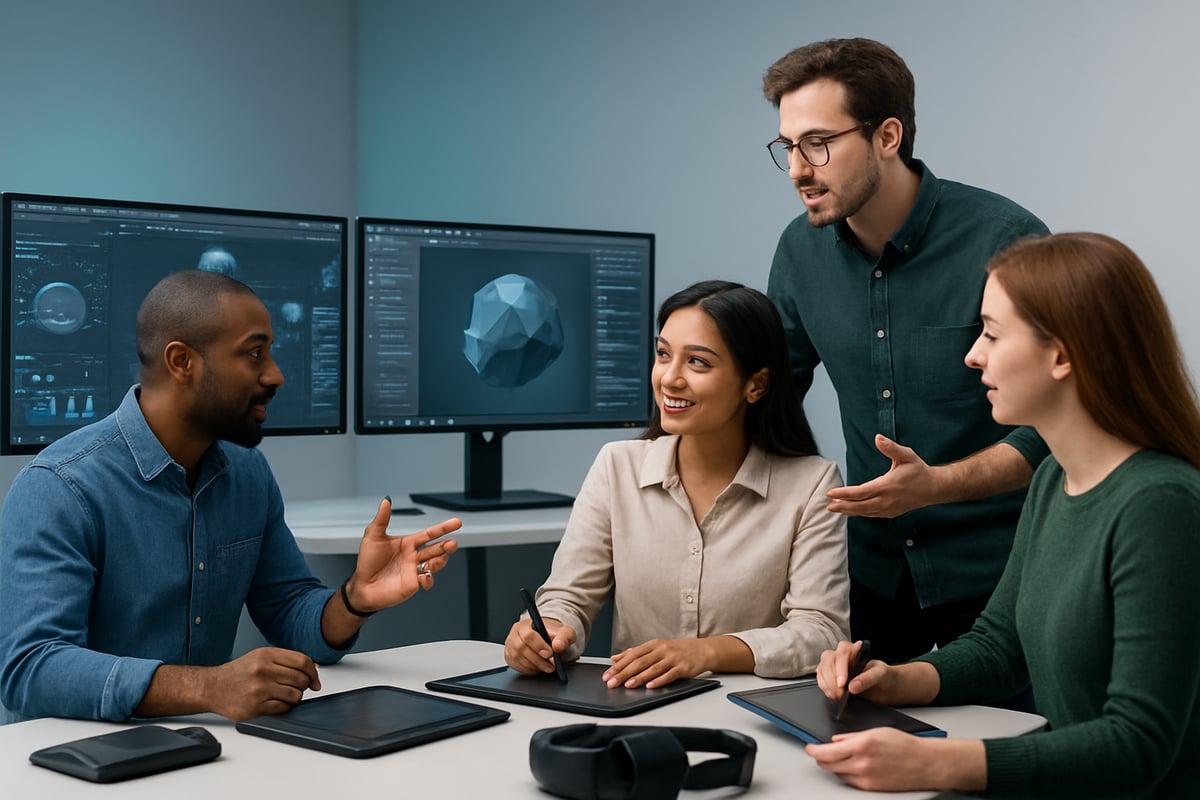
For d designers, technical mastery begins with industry-standard software. Popular choices include Blender, Rhino, SketchUp, and Figma. These tools enable everything from 3D modeling to rapid prototyping. In 2026, AI-powered platforms and real-time collaboration software are also indispensable.
Common software for d designers:
- Blender (3D modeling and animation)
- Rhino (advanced modeling)
- SketchUp (concept visualization)
- Figma (UI/UX and prototyping)
- AR/VR integration tools
Proficiency in these platforms allows d designers to efficiently bring complex ideas to life while adapting to new digital environments.
Creative and Analytical Thinking
Balancing creativity with analytical skills is essential for d designers. The ability to create visually stunning work is only part of the equation. Designers must also ensure their solutions are functional and user-centered.
D designers often tackle challenges such as usability, accessibility, and sustainability. Analytical thinking enables them to solve problems in unique ways, while creativity ensures their work stands out. This combination is what drives innovation in digital design.
Communication and Collaboration
Success for d designers depends on strong communication and teamwork. Designers regularly interact with developers, marketers, and clients, translating complex concepts into clear visual narratives.
Effective collaboration involves:
- Visual storytelling for stakeholder buy-in
- Rapid prototyping to communicate ideas
- Open feedback loops with interdisciplinary teams
These skills ensure d designers can navigate the demands of modern projects and deliver high-impact results.
Staying Current: Continuous Learning
The digital design field changes rapidly. D designers must embrace lifelong learning to stay ahead. Upskilling through micro-credentialing, workshops, and online courses is now standard practice.
Many professionals seek online learning courses for designers to expand their skill sets and master emerging tools. This approach helps d designers remain competitive and versatile as technologies evolve.
Example Workflow of a Top D Designer
A structured workflow helps d designers maintain efficiency and quality. Here is a typical process:
- Research project goals and user needs
- Ideate and sketch initial concepts
- Develop digital models using 3D software
- Prototype and test designs with users
- Iterate based on feedback
- Finalize and deliver project assets
This step-by-step approach enables d designers to manage complex projects from concept to completion.
Data-Driven Design
In 2026, d designers rely heavily on data to refine their work. User analytics, A/B testing, and research tools play a significant role in optimizing designs.
By leveraging data, d designers can:
- Identify user preferences
- Test design variations
- Make informed decisions for better outcomes
This focus on analytics ensures that design choices are both creative and effective.
Portfolio Development
A standout portfolio is a d designer’s strongest asset. It should showcase a range of projects, from AR/VR environments to user interfaces. Portfolios must be curated to highlight both technical skills and creative thinking.
Tips for portfolio success:
- Include diverse project types
- Use digital platforms for visibility
- Regularly update with new work
Avoid common mistakes like overcrowding or failing to explain the design process. A compelling portfolio opens doors to new opportunities.
Key Industry Statistics
The following data highlights the current landscape for d designers:
| Statistic | Value |
|---|---|
| Hiring managers prioritizing AR/VR experience | 78% |
| D designers using AI-powered tools daily | 65% |
| Portfolio review as primary hiring factor | 82% |
| Preference for real-time collaboration tools | 70% |
These figures illustrate why mastering both technical and soft skills is essential for d designers in 2026.
Emerging Trends Impacting D Designers in 2026
The role of d designers is rapidly evolving in response to groundbreaking trends that are reshaping the design industry. In 2026, professionals must stay ahead of the curve by understanding these developments, as they directly influence workflows, skill requirements, and client expectations.
AI and Automation in Design
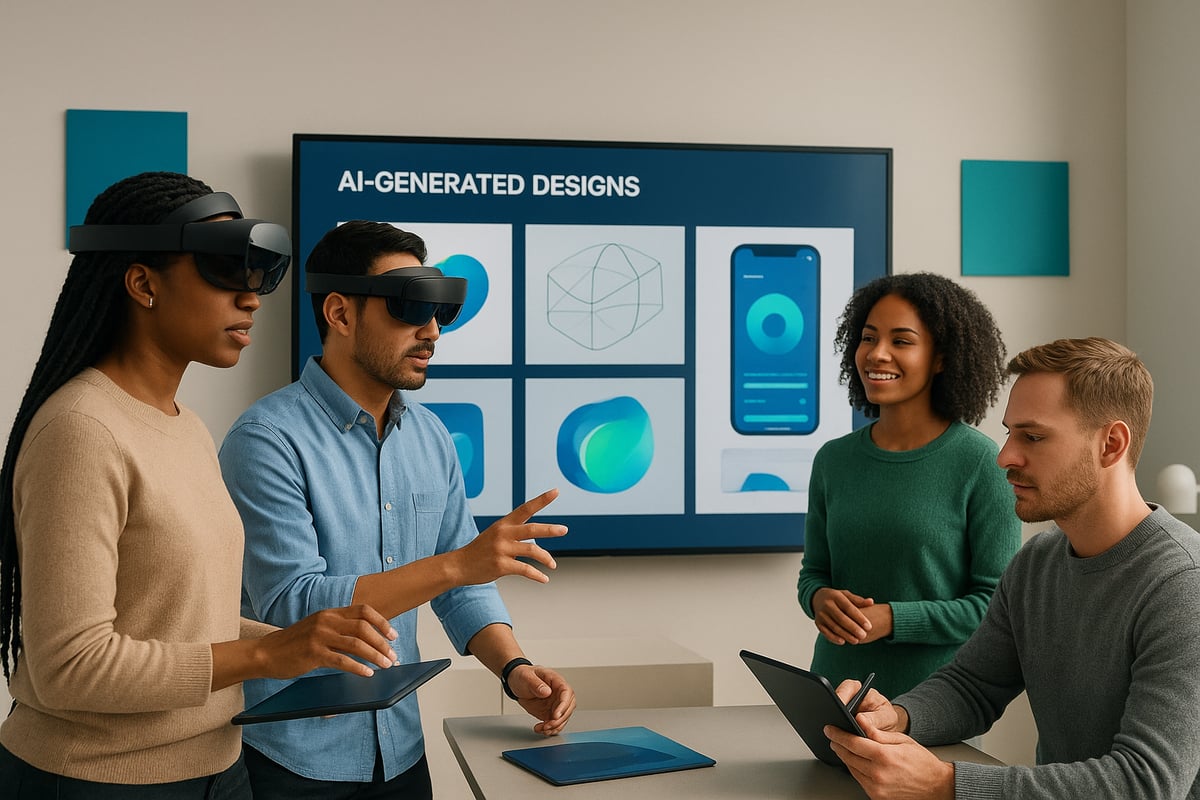
AI has become a core driver of innovation for d designers. Generative AI tools now assist with ideation, enabling rapid prototyping and the creation of complex forms that would have previously taken days to develop. Automation is streamlining repetitive tasks, such as asset resizing, color adjustments, and even code generation, freeing up time for more strategic work.
To remain competitive, d designers are prioritizing AI literacy and upskilling in data-driven design processes. For those seeking to master these essential capabilities, AI Skills for Designers in 2026 offers in-depth guidance on the latest tools and techniques. These advancements are not just enhancing productivity, but also redefining what is possible within digital design.
Sustainability and Ethical Design
Sustainability is at the forefront of design priorities for d designers. There is a growing demand for eco-friendly materials, energy-efficient processes, and products that support circular design principles. D designers are leading the charge by integrating ethical considerations into every phase of a project.
Social responsibility is also a key concern, with clients expecting solutions that benefit both people and the planet. Examples include using recycled materials in product visualization or designing virtual environments that raise awareness for environmental causes. By focusing on sustainability, d designers are shaping a more conscious creative landscape.
Immersive Technologies: AR, VR, and MR
Immersive technologies are transforming the way d designers create experiences. The integration of AR, VR, and MR is now standard in sectors such as retail, education, and entertainment. These tools enable professionals to build interactive environments, enhancing user engagement and storytelling.
Case studies reveal how d designers are revolutionizing product showcases and virtual tours. For instance, a retail brand can now offer customers a realistic 3D walkthrough of its flagship store, guided by a virtual assistant. This immersive approach is quickly becoming a hallmark of successful d designers in 2026.
Remote and Global Collaboration
The rise of distributed teams has made remote collaboration an essential skill for d designers. Cloud-based platforms support real-time co-creation, allowing professionals to work seamlessly across continents. This global reach opens up opportunities for diverse perspectives and innovative solutions.
However, remote work also presents challenges, such as coordinating across time zones and maintaining project cohesion. D designers are leveraging advanced communication tools and agile project management techniques to overcome these hurdles. The ability to adapt to remote environments is now a critical differentiator for top d designers.
Hyper-Personalization and Data Privacy
Consumers in 2026 expect personalized experiences, and d designers are at the forefront of delivering them. By analyzing user data, designers can create tailored interfaces, recommend products, and optimize digital journeys. Hyper-personalization boosts engagement and drives business results.
At the same time, data privacy is a pressing concern. D designers must balance customization with responsible data handling, adhering to strict privacy standards. Tools for managing consent, anonymizing data, and ensuring compliance are now part of the standard toolkit for d designers.
Cross-Disciplinary Integration
The boundaries between design, technology, and business are blurring, making cross-disciplinary integration vital for d designers. Collaboration with AI engineers, data scientists, and business strategists is now routine, resulting in hybrid roles that require both creative and technical expertise.
Teams are increasingly organized around projects rather than departments, with d designers playing a central role in ideation and execution. This shift fosters innovation and ensures that solutions are both user-centric and technically robust. The ability to thrive in cross-functional environments is a defining trait of successful d designers in 2026.
Step-by-Step Guide: How to Become a Leading D Designer in 2026
Becoming one of the leading d designers in 2026 requires more than just talent. It is a journey that blends education, technology mastery, creative growth, hands-on experience, and constant learning. This guide breaks down actionable steps that will help you stand out in the competitive world of d designers.

Step 1: Build a Strong Foundation
Start your journey by building a robust foundation. D designers often come from varied educational backgrounds. Degrees in design, architecture, computer science, or digital media provide a solid start. However, bootcamps and self-guided learning can be equally effective for motivated individuals.
Look for courses that cover digital modeling, user experience, and 3D visualization. Popular certifications include Autodesk Certified Professional, Adobe Certified Expert, and credentials in AR/VR design. Focus on developing both technical and creative skills, as the most successful d designers blend these strengths from the outset.
Step 2: Master the Tools of the Trade
To excel as d designers, proficiency with industry-standard tools is essential. Start with software like Blender, Rhino, SketchUp, and Figma. Explore platforms that integrate AR/VR and real-time collaboration, as these are now vital in many design workflows.
Stay ahead of the curve by exploring Design Tools for Digital Experiences in 2026, which covers the latest advancements and AI-powered platforms. Invest time in hands-on practice, as mastering these tools sets d designers apart from the crowd.
Step 3: Develop a Unique Design Perspective
Cultivating a unique perspective is key for d designers aiming for leadership roles. Draw inspiration from diverse sources, such as art, technology, nature, and current trends. Experiment with different styles and mediums to broaden your creative range.
Build your personal brand by sharing your work online and articulating your design philosophy. Consistency in style and a clear voice help d designers gain recognition and attract exciting opportunities.
Step 4: Gain Real-World Experience
Experience is invaluable for aspiring d designers. Seek internships, freelance projects, or participate in open-source initiatives to build your portfolio and network. Each real-world project sharpens your ability to solve problems and collaborate with clients and interdisciplinary teams.
Networking is equally important. Attend industry events, join professional groups, and connect with mentors. These relationships often lead to new projects and long-term career growth for d designers.
Step 5: Assemble a Standout Portfolio
Your portfolio is your calling card as d designers. Curate a selection of projects that showcase your technical proficiency, creativity, and problem-solving abilities. Include a mix of UI/UX designs, 3D models, AR/VR environments, and sustainable solutions.
Use digital platforms like Behance, Dribbble, or your own website to present your work. Avoid common mistakes such as overloading with unfinished pieces or lacking context. A strong portfolio demonstrates your range and readiness for advanced roles in the field of d designers.
Step 6: Stay Ahead with Continuous Learning
The landscape for d designers evolves rapidly, so continuous learning is crucial. Participate in workshops, webinars, and conferences to keep up with the latest tools and trends. Follow industry leaders and read design blogs to stay inspired.
Consider micro-credentialing in emerging areas like AI-assisted design, sustainability, or immersive technologies. This commitment to growth ensures d designers remain adaptable and in demand.
Success Stories
Consider the journey of a d designer who started with a design bootcamp, mastered 3D modeling software, and built a portfolio through freelance projects. By continuously learning and networking, they advanced to lead innovative AR/VR design projects for a major tech firm.
This path is not unique. Many top d designers credit diverse experiences and a willingness to evolve as the keys to their success.
Key Insights
According to industry data, 70 percent of top d designers in 2026 attribute their achievements to ongoing upskilling and adaptability. The most successful professionals are those who invest in their growth, remain curious, and embrace new challenges.
Career Opportunities and Future Outlook for D Designers
The future for d designers is exceptionally bright. As industries rapidly evolve, the demand for creative problem-solvers who can blend digital expertise with design thinking continues to soar. From tech startups to established global firms, d designers are at the forefront of innovation, shaping how products, spaces, and experiences come to life.
Projected Job Market Growth
The job market for d designers is experiencing unprecedented expansion. According to the Bureau of Labor Statistics, there is a projected 20% growth in d designer roles by 2026, which outpaces many other creative and technical fields.
This surge is driven by the integration of digital tools across industries such as tech, gaming, architecture, and e-commerce. Geographic hotspots include major tech hubs like San Francisco, Berlin, Singapore, and remote-first companies worldwide.
With more organizations recognizing the strategic value of design, d designers are becoming essential hires. Companies are investing in talent who can bridge the gap between creativity and technology, ensuring their products and services remain competitive.
Salary and Compensation Trends
Compensation for d designers is on an upward trajectory. Average salaries vary by specialization, with those skilled in AR/VR and sustainable design commanding higher pay. Entry-level roles often start at competitive rates, while experienced professionals see significant increases, especially if they hold certifications or have a strong portfolio.
Factors influencing pay include expertise in emerging tools, project management experience, and the ability to deliver measurable results. Modern digital design approaches, such as those highlighted in the Expert tips for living room design blog, can set candidates apart in salary negotiations.
Top employers offer additional incentives such as remote work flexibility, professional development budgets, and performance bonuses. In 2026, d designers with niche skills are in especially high demand.
Freelancing vs. Full-Time Employment
D designers have a wealth of career options, with both freelancing and full-time positions offering unique benefits. Freelancers enjoy flexibility, autonomy over projects, and the chance to work with global clients. Popular platforms for finding freelance work include Upwork, Fiverr, and Toptal.
Full-time roles provide stability, benefits, and opportunities for long-term growth within an organization. Many d designers transition between these paths throughout their careers, building diverse portfolios and expanding their professional networks.
| Aspect | Freelancing | Full-Time Employment |
|---|---|---|
| Flexibility | High | Moderate |
| Stability | Variable | High |
| Benefits | Self-managed | Provided by employer |
| Career Growth | Self-directed | Structured pathways |
D designers are increasingly leveraging both models, with 40% holding multiple roles or side projects in 2026.
Advancement and Leadership Roles
Career progression for d designers extends far beyond entry-level positions. Many professionals move into roles such as creative director, innovation lead, or design strategist. Advancement often requires a blend of technical mastery, leadership skills, and a strong creative vision.
Those aspiring to leadership positions benefit from building a personal brand, mentoring junior team members, and staying active in industry communities. Resources like the Interior styles inspiration blog provide ongoing inspiration and best practices for d designers aiming to lead.
Skills for advancement include project management, effective communication, and the ability to drive cross-disciplinary collaboration. As organizations prioritize design-led innovation, the pathway to leadership becomes more accessible for skilled d designers.
International Opportunities
The global nature of design has opened new doors for d designers. Remote work is now the norm for over half of all professionals in the field. Companies actively seek talent across borders, valuing diverse perspectives and specialized expertise.
Navigating international roles requires awareness of legal, tax, and cultural considerations. D designers benefit from developing language skills, understanding global design trends, and building networks through international conferences and online communities.
Remote collaboration tools and cloud-based design platforms make it easier than ever to contribute to projects worldwide. Geographic boundaries are less of a barrier, enabling d designers to shape global brands and experiences.
Challenges and Solutions
Despite the many opportunities, d designers face several challenges. Competition for top roles is intense, and staying current with rapidly evolving technology can be demanding. Burnout is another concern, especially for those managing multiple projects.
To overcome these obstacles, d designers should prioritize continuous learning, seek mentorship, and engage with professional communities. Strategies for resilience include setting boundaries, practicing effective time management, and celebrating milestones.
Key data points show that 55% of d designers work remotely, and a significant number pursue ongoing upskilling to remain relevant. By embracing adaptability and leveraging support networks, d designers can build sustainable, rewarding careers.
Best Practices and Resources for D Designers
Mastering best practices is essential for d designers aiming to excel in a rapidly evolving field. Staying efficient, connected, and inspired helps professionals deliver high-impact results and build lasting careers.
Workflow Optimization and Productivity
Efficient workflows empower d designers to handle complex projects with confidence. Implementing agile methodologies and design sprints can streamline tasks and improve turnaround times. Top studios recommend breaking work into manageable phases, using digital tools for project tracking, and holding regular check-ins.
Key productivity tools include:
- Notion or Trello for project management
- Figma or Miro for real-time collaboration
- Clockify for time tracking
By adopting these practices, d designers can boost productivity while reducing burnout.
Building a Professional Network
Networking opens doors to mentorship, collaboration, and new opportunities for d designers. Joining peer groups, industry associations, or online forums can provide support and knowledge sharing.
Consider these strategies:
- Attend virtual and in-person design events
- Engage in specialized Slack or Discord communities
- Participate in portfolio review sessions
Building a strong network helps d designers stay informed about trends and industry shifts.
Learning and Inspiration Sources
Continuous learning is vital for d designers. Explore books, podcasts, and blogs that focus on innovation and design thinking. YouTube channels and webinars offer hands-on tutorials and case studies.
For a deep dive into relevant skills, check out resources like Top Skills for UX Designers in 2026. Attending annual conferences and subscribing to design newsletters keeps your knowledge fresh and broad.
Ethics and Professional Standards
Upholding ethical standards is crucial for d designers. Always respect copyright laws, avoid plagiarism, and safeguard client confidentiality. Familiarize yourself with industry codes of conduct to guide your professional decisions.
When working in teams, ensure all members understand ethical boundaries. Transparent communication and clear documentation help prevent misunderstandings and protect reputations.
Showcase: Top Portfolios and Case Studies
A standout portfolio is a powerful tool for d designers. Analyze leading portfolios to see how top professionals present their projects, combining visuals with concise storytelling.
Key features of exceptional portfolios:
- Curated selection of diverse work
- Clear project objectives and outcomes
- Visual process breakdowns
Real-world case studies show how d designers solve unique challenges and achieve measurable results.
Tools and Templates for Success
Leveraging the right resources gives d designers a competitive edge. Essential tools include:
| Category | Recommended Tools |
|---|---|
| Prototyping | Figma, Adobe XD |
| 3D Modeling | Blender, Rhino |
| Collaboration | Slack, Miro |
| Project Tracking | Asana, Jira |
Downloadable templates for wireframes, mood boards, and user journeys can also streamline your workflow.
Metrics for Measuring Success
Tracking key performance indicators helps d designers measure growth and impact. Focus on metrics such as client satisfaction, project completion rates, and portfolio expansion.
Regularly seek feedback from clients and peers. Use insights to refine your approach, set new goals, and ensure continuous improvement. Data-driven evaluation keeps d designers on the path to excellence.
As you’ve discovered, being a D Designer in 2026 means mastering both creative vision and the latest digital tools. Whether you’re building your skills or taking the next leap in your design career, real-world practice with professional resources makes all the difference. If you’re ready to translate cutting-edge concepts into tangible designs and want a head start with ready-to-use assets, you’ll find valuable support with Craft n Build’s curated collection. Explore a world of possibilities—Learn how to create furniture designs with premade 3D cad and take your journey as a D Designer to the next level.

Share:
Interior Design One Room Guide: Transform Your Space in 2026
The Essential Guide to Furniture and Interiors 2026