




Wooden furniture design is taking center stage in 2026, as more homeowners seek interiors that balance sustainability with timeless style. The renewed focus on eco-conscious living and natural materials has made wooden furniture design a cornerstone of modern homes. In this guide, you will discover the latest trends, material innovations, and expert advice to help you select, design, and care for stunning wooden pieces. Explore how sustainability, functional aesthetics, and personalized touches can transform your space. Ready to elevate your interiors with the best in wooden furniture design? Let’s get started.
The Evolution of Wooden Furniture Design: 2026 Trends
Wooden furniture design is entering a new era of creativity and purpose in 2026. Driven by eco-conscious values and a desire for personalized interiors, this year’s trends reflect a blend of tradition and innovation. Homeowners and designers are seeking pieces that not only look beautiful but also align with their lifestyle, sustainability goals, and technological needs.
Embracing Sustainability and Eco-Friendly Materials
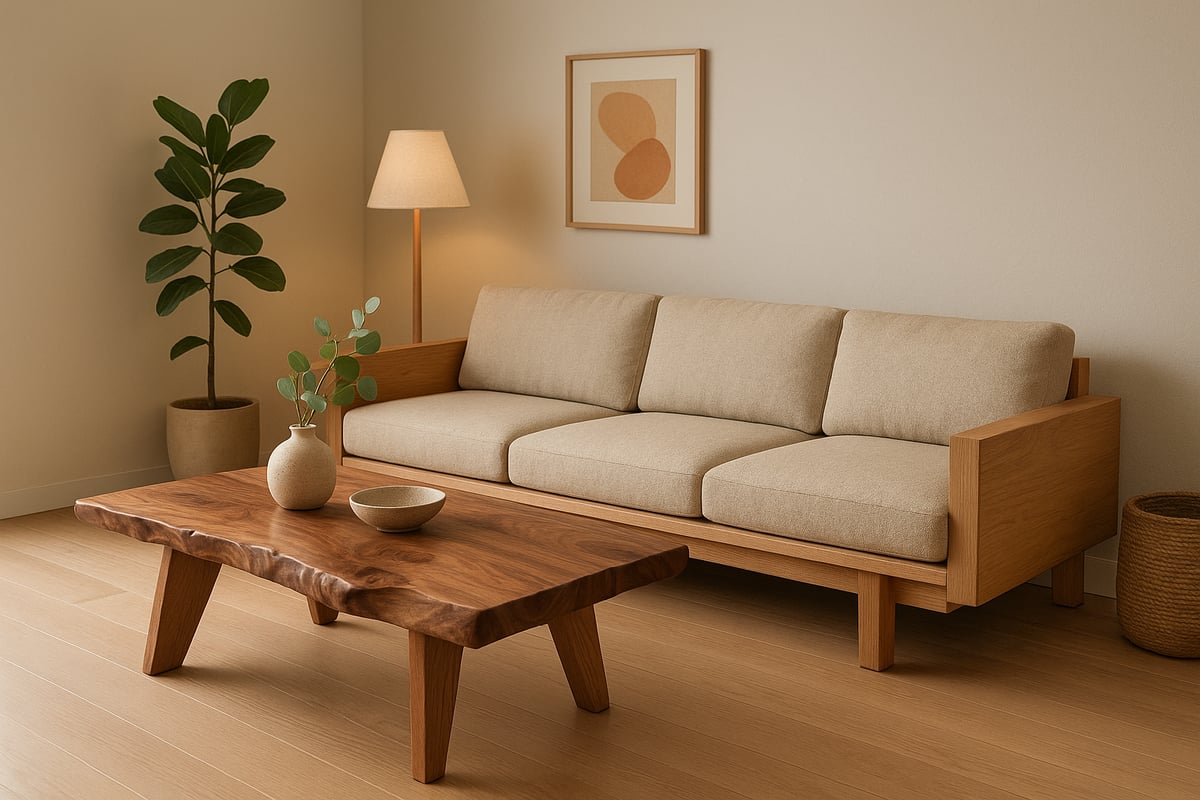
In 2026, sustainability is the heartbeat of wooden furniture design. Consumers are demanding FSC-certified and reclaimed woods, pushing brands to prioritize traceable, eco-friendly sourcing. Non-toxic finishes and natural oils are becoming the norm, minimizing environmental impact while enhancing the organic beauty of each piece.
Scandinavian companies are leading this movement, offering collections where every material can be tracked from forest to home. According to Statista (2023), 74% of buyers now prefer sustainable furniture. This shift is guiding designers to choose woods and finishes that are safe for both families and the planet.
The embrace of sustainability is transforming not just how furniture is made, but also how it looks and feels. For more inspiration on the latest trends, see 2026 wood furniture design trends.
Minimalism Meets Organic Forms
Minimalism is evolving within wooden furniture design, moving from stark simplicity to a softer, more organic aesthetic. Clean lines are paired with gentle curves and natural forms, creating pieces that feel inviting yet refined. Live-edge tables and curved silhouettes are especially popular, embodying the fusion of Japanese and Nordic influences.
This trend brings warmth to minimalist spaces, making them feel more lived-in and comfortable. By introducing nature-inspired shapes into streamlined designs, homeowners achieve balance—a minimal look with a welcoming touch. The result is a style that is both timeless and on-trend for 2026.
Smart Integration: Technology in Wooden Furniture
Seamlessly blending technology with tradition, wooden furniture design now caters to the needs of modern living. Desks feature wireless charging pads, built-in lighting, and sophisticated cable management, all subtly integrated into the woodwork. Modular connectivity options allow for flexible work and entertainment spaces.
Manufacturers are careful to balance innovation with craftsmanship, ensuring that tech enhancements do not overshadow the natural appeal of wood. The integration of smart features is thoughtfully designed, enhancing usability while maintaining the authenticity and warmth that define wooden furniture design.
Mixed Materials and Contrasts
A defining characteristic of 2026 wooden furniture design is the creative use of mixed materials. Designers are blending wood with metals, glass, stone, and textiles to add both tactile and visual interest. For example, walnut tables with sleek steel legs or oak cabinets accented with woven rattan panels are sought-after choices.
These contrasts highlight the unique qualities of each material, elevating the overall aesthetic of a space. By combining different textures and tones, wooden furniture design becomes more dynamic and adaptable, fitting seamlessly into a variety of interior styles.
Color and Finish Innovations
Color and finish experimentation is at the forefront of wooden furniture design for 2026. Trending stains include deep walnuts, muted ash, and bold color washes that make statement pieces stand out. Designers are playing with matte and high-gloss finishes, each influencing the mood and style of a room.
According to leading paint brands, the 2026 palette features earthy, nature-inspired hues that pair beautifully with wood’s natural grain. These finish innovations not only update classic designs but also allow for greater personalization, keeping wooden furniture design fresh and engaging.
Customization and Personalization
Personalization is now a cornerstone of wooden furniture design. The demand for bespoke and modular pieces is growing, with buyers seeking furniture that fits their exact space and taste. Digital customization tools let users select size, finish, and hardware, often previewing their choices in 3D before purchasing.
Online platforms are making it easier than ever to co-create unique pieces, ensuring each item reflects the individual’s style and needs. This shift toward customization empowers customers, making wooden furniture design a truly collaborative process and ensuring every piece feels one of a kind.
Choosing the Right Wood: Types, Qualities, and Sourcing
Selecting the best materials is essential for any wooden furniture design that aims to be both beautiful and enduring. Understanding wood types, their qualities, and responsible sourcing practices empowers you to make informed decisions and invest in pieces that last. Let’s explore what sets each wood apart and how to choose wisely for your next project.
Hardwood vs. Softwood: Pros, Cons, and Best Uses
When crafting wooden furniture design, understanding the distinction between hardwoods and softwoods is crucial. Hardwoods, such as oak, walnut, and maple, are denser and more durable. They excel in high-traffic furniture like dining tables and cabinets. In contrast, softwoods like pine, cedar, and fir are lighter and easier to shape, making them suitable for shelving or decorative pieces.
| Type | Pros | Cons | Best Uses |
|---|---|---|---|
| Hardwood | Durable, attractive grain | Costly, heavier | Tables, chairs, cabinets |
| Softwood | Affordable, workable | Softer, dents easily | Shelves, frames, accent pieces |
Each choice in wooden furniture design impacts longevity, style, and budget. Consider the room’s function and desired look before selecting your material.
Emerging and Exotic Wood Species
Sustainability is driving innovation in wooden furniture design, leading to a rise in alternative and exotic woods. Bamboo, acacia, and mango wood are increasingly favored for their eco-friendly growth cycles and unique visual appeal. Mango wood, for example, is celebrated for its rich patterns and is often used in modern, eco-conscious interiors.
When choosing these species, consider maintenance needs and ethical sourcing. While bamboo is naturally resistant to moisture and pests, acacia and mango wood require regular oiling to prevent drying. Always confirm that your chosen wood supports both style and responsible wooden furniture design.
Sourcing Ethically and Locally
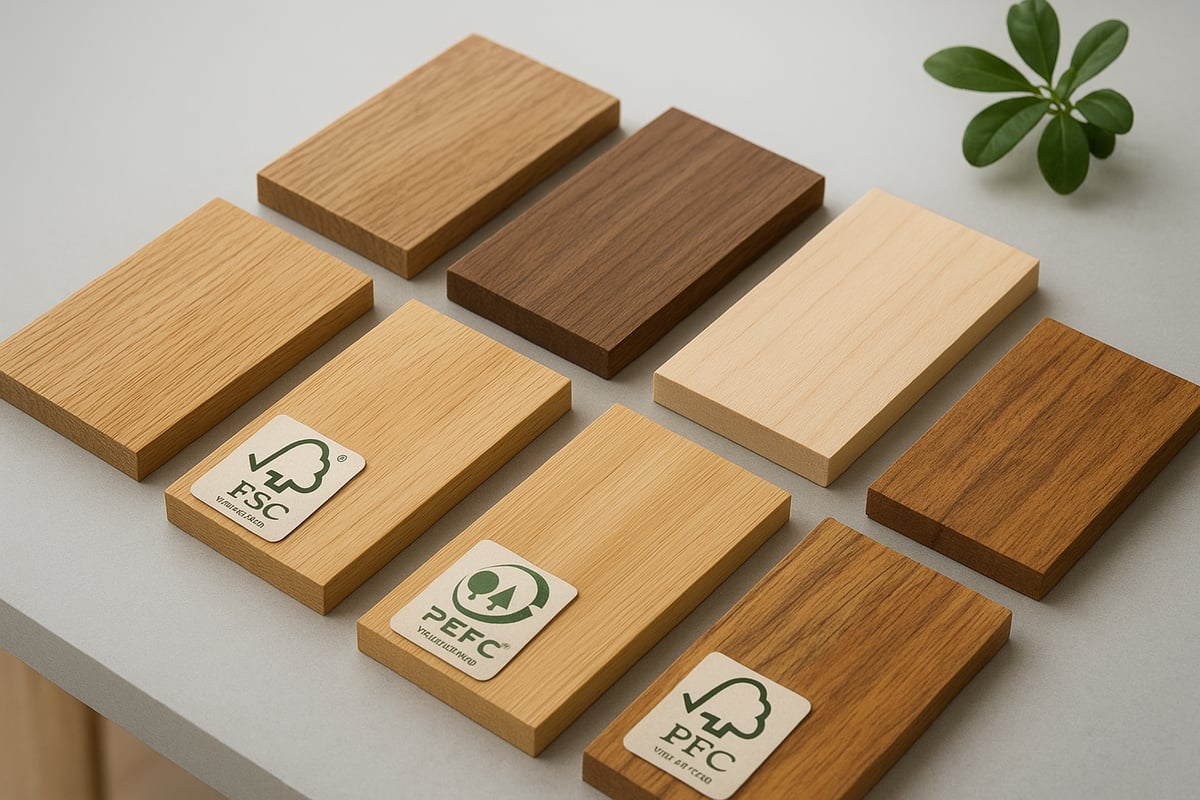
Ethical sourcing is a cornerstone of modern wooden furniture design. Choosing local woods can reduce a project’s carbon footprint and support regional economies. Look for certifications like FSC (Forest Stewardship Council) and PEFC (Programme for the Endorsement of Forest Certification), which guarantee responsible forestry practices.
Regional trends in North America and Europe show a growing preference for locally sourced, certified woods. The sustainable wood furniture market growth highlights this shift, with increasing demand for eco-friendly and traceable options. Prioritizing certified sources ensures your wooden furniture design aligns with both environmental and ethical values.
Understanding Wood Grades and Cuts
The grade and cut of lumber can dramatically affect the performance and appearance of any wooden furniture design. Grades like “select” offer fewer knots and a cleaner look, while “common” grades display more natural character. Quarter-sawn lumber is more stable and shows dramatic grain patterns, while plain-sawn is more affordable and widely available.
When selecting lumber, assess both grade and cut to match your intended style. The right choice will contribute to the overall quality and visual impact of your wooden furniture design.
Moisture Content and Longevity
Moisture control is vital for maintaining the integrity of wooden furniture design. Wood must be properly kiln-dried and acclimatized before use to avoid issues like warping, splitting, or seasonal movement. Ignoring these factors can lead to premature wear and structural problems.
To ensure lasting quality, verify moisture content with a meter and allow new wood to adjust to your home’s environment before assembly. Practicing these habits protects your investment and keeps your wooden furniture design looking its best for years to come.
Functional Aesthetics: Designing for Modern Living
Modern living demands a balance of style and practicality, and wooden furniture design is evolving to meet these needs. Today’s homes require furniture that adapts to changing lifestyles and smaller spaces, without sacrificing elegance or comfort. Let us explore how the latest trends in wooden furniture design deliver both function and visual appeal.
Multi-Functional and Space-Saving Solutions
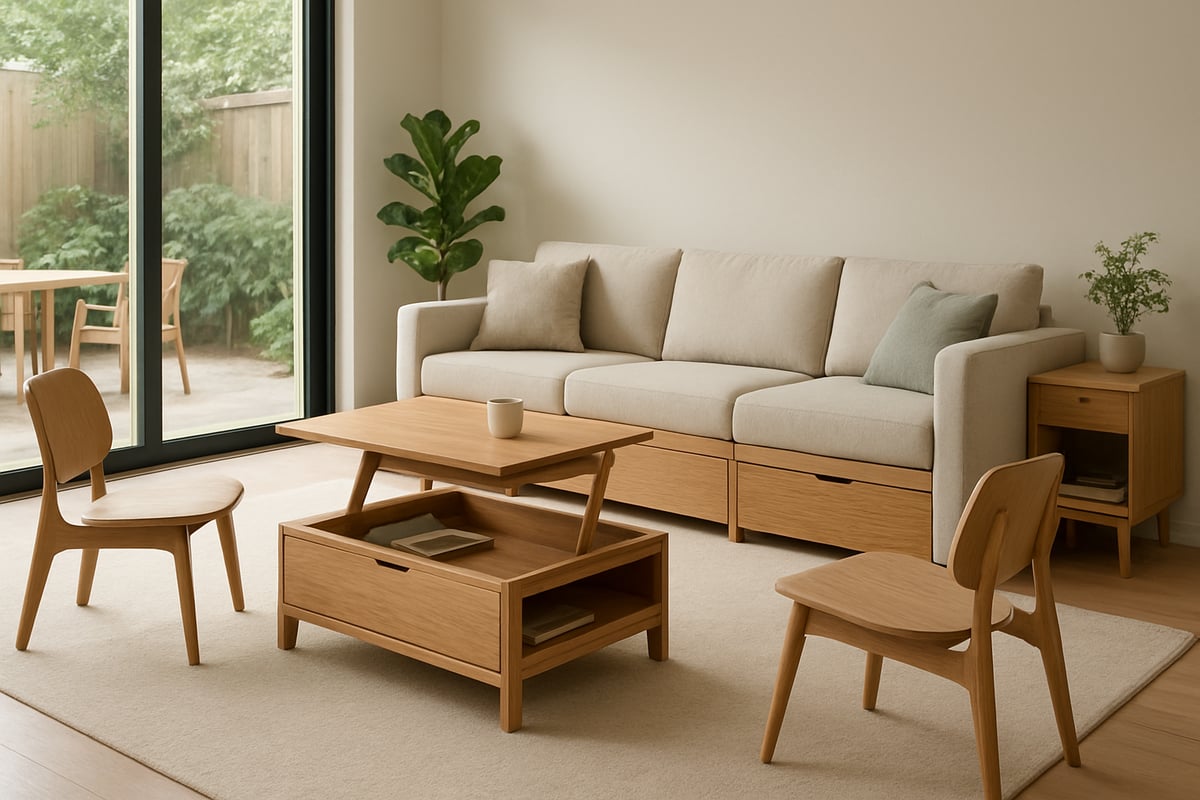
Urban living often means making the most of limited square footage. Wooden furniture design in 2026 focuses on multi-functional and space-saving pieces that maximize utility without compromising style. Think extendable dining tables, storage beds, and nesting tables that tuck away when not in use.
A noteworthy trend is the rise of convertible desks and foldable dining solutions. These pieces are ideal for small apartments or flexible workspaces. According to Houzz, 55 percent of urban dwellers now prefer space-saving designs, making versatility a top priority.
For more inspiration on integrating practical wooden elements into your living area, explore these Wooden Design Drawing Room Ideas. Smart wooden furniture design ensures every inch of your home is both beautiful and functional.
Ergonomics and Comfort
Comfort is a non-negotiable aspect of modern wooden furniture design. Designers are prioritizing ergonomic features that support the body, such as contoured chairs, lumbar-supportive backrests, and adjustable workstations.
Contemporary seating blends organic curves with supportive construction, ensuring hours of comfort whether you are working or relaxing. Adjustable desks, for instance, allow users to shift between sitting and standing, reducing fatigue.
Prioritizing ergonomics in wooden furniture design creates inviting interiors where wellness and productivity thrive. When selecting new pieces, always test for both comfort and support to ensure your investment is worthwhile.
Blending Old and New: Vintage Revival
Nostalgia continues to influence wooden furniture design, with a modern twist on classic forms. In 2026, designers are reimagining mid-century silhouettes and art deco accents for today’s interiors.
Features like spindle-back chairs, tambour cabinets, and tapered legs are making a comeback. However, these vintage styles are updated with new finishes, hardware, and proportions for contemporary appeal.
This blend of old and new in wooden furniture design offers homeowners the best of both worlds: timeless elegance with improved function. Consider incorporating a vintage-inspired piece to add character and history to your space.
Open-Plan and Modular Arrangements
Open-plan living remains popular, driving demand for modular wooden furniture design. Modular sofas, moveable shelving, and flexible room dividers help define areas without closing off spaces.
Adaptability is key. Modular arrangements can be reconfigured as needs change, supporting everything from entertaining guests to creating a home office. This flexibility is especially valuable in multi-purpose rooms.
Wooden furniture design that embraces modularity allows you to personalize your layout, making your home dynamic and responsive. Look for pieces that can evolve with your lifestyle and spatial requirements.
Outdoor and Indoor-Outdoor Furniture Trends
Seamless transitions between indoor and outdoor spaces are a defining feature of wooden furniture design trends for 2026. Designers are utilizing weather-resistant woods such as teak and eucalyptus, adapting them for both patio and indoor use.
Outdoor furniture is now crafted with the same attention to detail as interior pieces, ensuring comfort and cohesion throughout the home. Durable finishes protect against the elements while maintaining natural beauty.
By choosing indoor-outdoor wooden furniture design, homeowners can extend their living spaces and enjoy the benefits of nature year-round. Prioritize pieces with robust construction and finishes for lasting performance.
Craftsmanship, Detailing, and Finishing Techniques
The artistry behind wooden furniture design sets exceptional pieces apart. In 2026, attention to craftsmanship, innovative detailing, and advanced finishing techniques defines the quality, durability, and aesthetic value of every piece. Let us explore the essential elements that elevate your wooden furniture design.
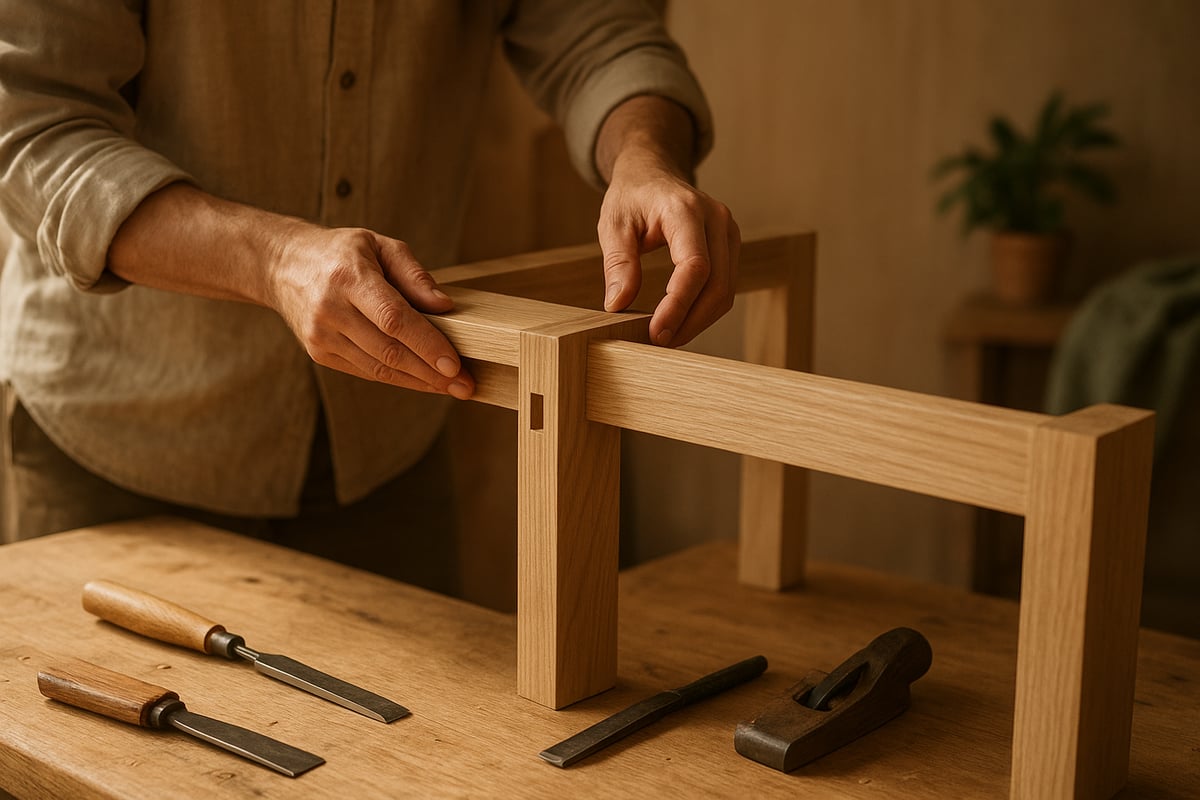
Joinery and Construction Methods
Superior joinery is the backbone of wooden furniture design. Traditional methods like mortise-and-tenon, dovetail, and finger joints not only enhance durability but also create visually striking features. For example, Japanese joinery is celebrated for its seamless, interlocking joints that require no metal fasteners.
| Joinery Type | Strength | Visual Appeal |
|---|---|---|
| Mortise-and-Tenon | High | Classic, hidden |
| Dovetail | Very High | Decorative, visible |
| Finger Joint | Moderate | Modern, linear |
These techniques ensure pieces withstand daily use and resist loosening over time. For a deeper dive into construction excellence, the Complete Furniture Making Guide offers step-by-step insights into joinery and assembly for wooden furniture design.
Surface Treatments and Textures
The tactile experience of wooden furniture design is shaped by surface treatments. Hand-planed, wire-brushed, and sandblasted finishes bring out the wood’s grain, offering unique textures that invite touch. These finishes also help hide minor imperfections and add character.
Recent data from Elle Decor (2024) notes a significant rise in demand for textured finishes, as homeowners seek sensory engagement and visual depth in their furniture. Thoughtfully applied textures can transform a simple table or cabinet into a stunning focal point, reinforcing the appeal of wooden furniture design.
Decorative Inlays and Accents
Detailing such as marquetry, metal inlays, and contrasting veneers is redefining wooden furniture design. Artisans use brass, copper, or geometric wood patterns to create striking visual accents. For example, a coffee table with brass inlays or a cabinet featuring bold veneer contrasts instantly catches the eye.
Small details like these elevate the perceived value of furniture, turning functional items into artful statements. Creative approaches to inlays and accents can be explored further in the Wood Furniture Decoration Tips, which is a helpful resource for those interested in personalizing their wooden furniture design.
Finishing Products and Their Effects
The final finish determines the longevity and appearance of wooden furniture design. Popular options include oil, wax, lacquer, and water-based finishes, each offering distinct benefits.
- Oil: Enhances grain, easy to maintain
- Wax: Soft sheen, requires regular application
- Lacquer: Durable, glossy finish
- Water-based: Low odor, eco-friendly, matte or satin look
Selecting the right finish depends on lifestyle and maintenance preferences. Families might favor durable lacquer, while enthusiasts of natural aesthetics may prefer oil or wax. A thoughtful finish not only protects but also highlights the beauty of wooden furniture design.
Artisanal vs. Mass-Produced Furniture
The resurgence of artisanal craftsmanship is shifting the landscape of wooden furniture design. Handmade, limited-edition pieces offer unique character and support local makers, while mass-produced options often focus on affordability and streamlined production.
Choosing artisanal furniture supports time-honored techniques, ensures attention to detail, and results in distinctive, heirloom-quality pieces. In contrast, global brands deliver consistency and accessibility, but may lack the individuality found in handcrafted designs. This balance between uniqueness and practicality defines today’s evolving approach to wooden furniture design.
Expert Tips for Selecting and Maintaining Wooden Furniture
Selecting and caring for wooden furniture design requires a thoughtful approach. Expert guidance ensures your pieces remain beautiful, functional, and aligned with your interior for years to come. Use these actionable strategies to make informed decisions and maintain lasting quality.
Assessing Quality and Construction
The foundation of any enduring wooden furniture design is solid construction. When evaluating a piece, check for sturdy joinery such as mortise and tenon or dovetail joints, as these signal lasting durability. Inspect the stability by gently rocking the furniture to ensure it does not wobble.
Make sure that hardware feels secure, drawers glide smoothly, and all surfaces are finished evenly. Use this quick checklist during your next showroom visit:
- Examine joints for gaps or visible glue.
- Test the weight and balance of the piece.
- Inspect for smooth finishes and quality hardware.
Industry professionals agree that investing in well-built wooden furniture design pays off in longevity and value.
Matching Furniture to Your Interior Style
Choosing the right wooden furniture design involves more than just quality, it is about complementing your space. Wood tones and grain patterns should harmonize with your décor theme. For example, walnut pairs beautifully with mid-century modern interiors, while oak suits Scandinavian-inspired rooms.
Consider these popular style pairings:
| Interior Style | Wood Type | Grain Pattern |
|---|---|---|
| Mid-century Modern | Walnut | Straight, subtle |
| Scandinavian | Oak | Light, visible |
| Contemporary | Maple | Smooth, uniform |
Current interior trends show a growing appreciation for personalized wooden furniture design, making it easier to find the perfect match for your home.
Caring for Different Wood Types
Proper care is essential to preserve the beauty of any wooden furniture design. Each wood species has unique needs. Hardwoods like oak and walnut benefit from regular dusting with a microfiber cloth and occasional polishing with natural oils. Softwoods, such as pine, require gentle cleaning to avoid scratches.
Practical care tips include:
- Avoid harsh chemicals when cleaning.
- Place furniture away from direct sunlight to prevent fading.
- Use coasters and mats to protect surfaces from spills and heat.
By tailoring your care routine to the specific type of wooden furniture design, you can extend its lifespan and maintain its appeal.
Repair and Restoration Basics
Even the best wooden furniture design may suffer from occasional dents or scratches. For minor issues, gently buff the affected area with fine-grit sandpaper and apply matching wood polish. Deeper damage may require professional restoration for seamless results.
For those interested in do-it-yourself repairs, consult resources like the Essential DIY Furniture Guide for step-by-step instructions. Reviving vintage pieces with modern techniques can breathe new life into cherished items while preserving their original charm.
Investing in Longevity: What to Avoid
To protect your investment in wooden furniture design, avoid common mistakes that can cause damage. Keep pieces out of prolonged direct sunlight, which can lead to fading or warping. Control indoor humidity levels to prevent splitting or swelling.
Simple protective measures include:
- Using felt pads under legs to prevent scratches.
- Placing coasters under drinks.
- Maintaining consistent room temperature and moisture.
Consistent care and attention ensure your wooden furniture design remains a cherished part of your home for generations.
After exploring the latest trends and expert tips for wooden furniture design in 2026, you might be feeling inspired to bring your own ideas to life or enhance your design skills. Whether you’re fascinated by sustainable materials, innovative finishes, or modular concepts, having access to professional-grade tools can make all the difference. If you’re ready to take the next step, you can easily start designing your own furniture with a library of premade 3D CAD models that simplify the process and spark creativity. Explore more and learn how to create furniture designs with premade 3D cad.



Share:
The Essential Guide to Furniture and Interiors 2026
9 Innovative Art Interior Design Ideas for 2026 Homes