




Step into the future of living, where furniture and interiors are redefining comfort, style, and innovation. As 2026 approaches, new trends and technologies are transforming the way we design and experience our spaces.
This essential guide uncovers the latest developments in furniture and interiors, empowering you to create environments that are both modern and practical. Whether you are a homeowner, designer, or enthusiast, you will find actionable insights to help you stay ahead.
Discover the top design trends, sustainable materials, smart technology integration, and expert strategies for optimizing every corner of your home. Ready to elevate your space? Let’s explore what 2026 has in store.
The Evolution of Furniture and Interior Design: 2026 Trends
The landscape of furniture and interiors is experiencing a remarkable transformation in 2026. New preferences, evolving lifestyles, and rapid technological advancements are shaping how we design and enjoy our spaces. This year’s trends reflect a careful balance between aesthetics, sustainability, flexibility, and innovation.
Shifting Aesthetics: From Minimalism to Maximalism
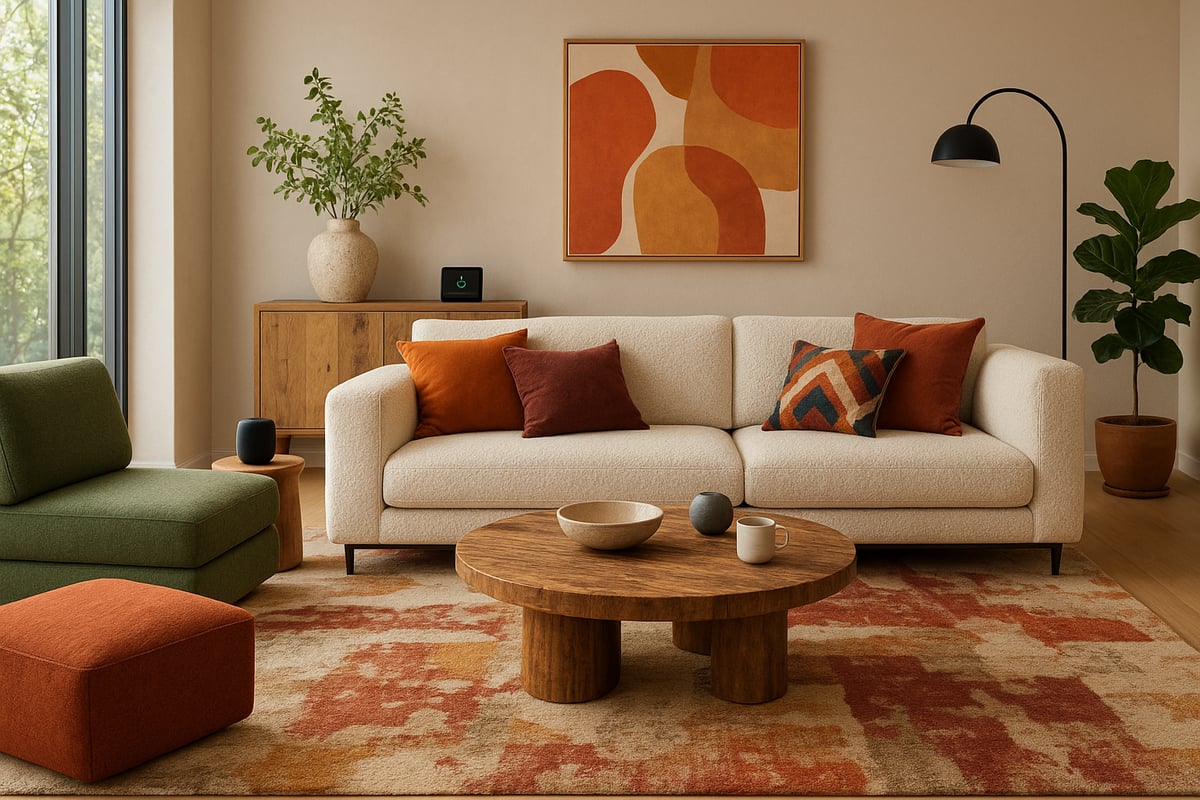
In 2026, the spectrum of furniture and interiors design ranges from serene minimalism to expressive maximalism. Designers are mixing soft, neutral backdrops with bold, layered accents, creating spaces that feel both curated and welcoming. According to the Houzz 2025 trend report, 60% of new interior projects now feature mixed-style elements.
Open-plan living areas often showcase this trend, pairing clean lines with vibrant textiles and statement art. Global influences are more prominent than ever, as cultural diversity encourages the blending of motifs, colors, and textures. The embrace of both restraint and abundance allows homeowners to personalize their environments with confidence.
For readers seeking deeper inspiration on interior styles and how to blend them, the Guide to Interior Styles offers a comprehensive exploration of current and classic design movements.
Sustainable and Eco-Conscious Materials
Sustainability has become a cornerstone of furniture and interiors in 2026. The rise of recycled, upcycled, and biodegradable materials is reshaping product development across the industry. Companies are showcasing furniture crafted from reclaimed wood, bamboo, and plant-based composites, responding to consumer demand for eco-friendly choices.
Recent statistics show that 72% of consumers now prefer sustainable options when selecting furniture and interiors. Certifications like FSC and Cradle to Cradle are increasingly sought after, giving buyers confidence in their purchases. In addition, brands are transparent about sourcing and production, making it easier to identify truly green products.
The focus on responsible materials is not just a trend but a shift in values, ensuring that furniture and interiors contribute positively to the environment.
Color, Texture, and Pattern Forecasts
Color, texture, and pattern are front and center in the 2026 forecast for furniture and interiors. Earthy tones, such as terracotta and olive, are dominating palettes, while bold contrasts and tech-inspired hues add excitement to contemporary spaces.
Textures like boucle, velvet, and natural fibers introduce tactile richness, enhancing comfort and sophistication. Patterns are also making a strong comeback, with geometric, organic, and heritage motifs appearing on upholstery, rugs, and wall treatments.
This approach lets homeowners express individuality and create dynamic, visually engaging settings. By mixing and matching these elements, furniture and interiors become a true reflection of personal style and innovation.
Flexible and Modular Living Solutions
The demand for flexible and modular solutions is reshaping furniture and interiors in 2026. Modular sofas, convertible workspaces, and adaptable shelving systems are increasingly common, allowing spaces to evolve with changing needs.
The modular furniture market is projected to grow by 8% CAGR through 2026, reflecting the popularity of versatile designs. Multi-functional pieces, such as sofas that transform into beds or tables with adjustable heights, offer practical benefits for urban living and smaller homes.
Homeowners and designers now prioritize furniture and interiors that maximize function without sacrificing style. This shift supports both efficiency and creativity in modern environments.
Technology-Driven Design
Technology is seamlessly woven into furniture and interiors, elevating comfort, convenience, and personalization. Smart lighting, app-controlled climate systems, and AR/VR design tools are standard features in many new projects.
Examples include smart mirrors that display weather updates, connected appliances for efficient living, and digital platforms for planning layouts. These advancements enhance daily routines and make it easier to customize every aspect of a space.
As technology continues to evolve, furniture and interiors are set to become even more responsive and user-centric, supporting a truly modern lifestyle.
Sustainable Living: Eco-Friendly Furniture and Interior Choices
Sustainability is now at the heart of furniture and interiors, influencing every decision from material selection to final design. As we approach 2026, the focus on eco-friendly choices empowers homeowners and professionals alike to create healthier, more responsible spaces. Understanding the latest trends and innovations in sustainable living will help you make smarter, greener decisions for your environment.
The Importance of Sustainability in 2026
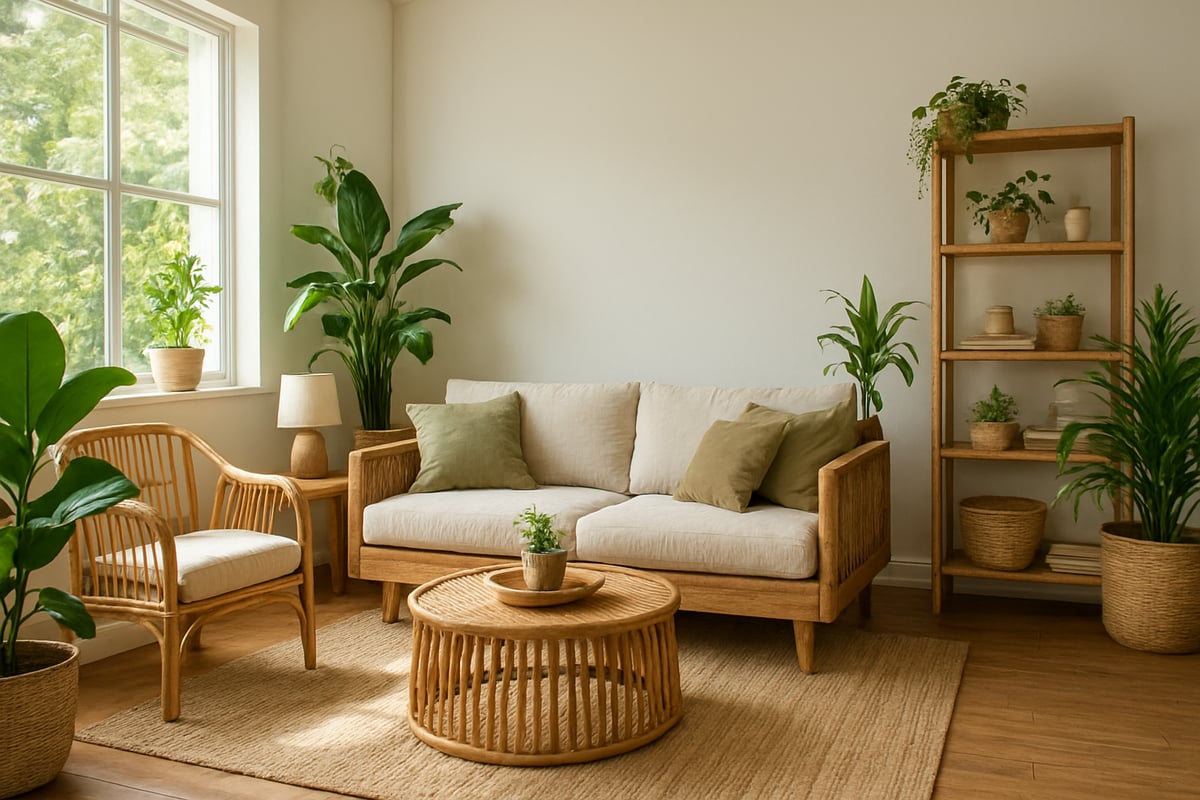
The demand for sustainability in furniture and interiors is stronger than ever. Consumers are increasingly aware of their environmental footprint and seek products that align with their values. By 2026, 80% of furniture brands have adopted clear sustainability goals, demonstrating a major industry shift.
This movement is not only driven by consumer choices but also by stricter regulations. Authorities are encouraging manufacturers to adopt greener processes, reduce emissions, and prioritize renewable resources. For homeowners and designers, selecting sustainable options is both a responsible and practical approach to future-proofing interiors.
Choosing eco-conscious solutions in furniture and interiors supports healthier indoor air quality and reduces long-term environmental impact. As sustainability becomes a standard expectation, it is essential to stay informed about new materials and practices.
Choosing Sustainable Materials and Brands
Selecting the right materials is crucial for truly sustainable furniture and interiors. Look for rapidly renewable options such as bamboo and cork, as well as recycled metals and fabrics. Certifications like GREENGUARD, FSC, and OEKO-TEX provide assurance that these materials meet high environmental standards.
Leading brands now prioritize transparency in sourcing and production. Many companies offer detailed information about their supply chains and environmental commitments. According to Sustainability In The Furniture Industry Statistics: Reports 2025, a majority of manufacturers are embracing recycled, upcycled, and biodegradable materials in response to growing consumer demand.
When choosing products, consider labels and certifications as a guide. Prioritizing these factors ensures your furniture and interiors contribute positively to both your home and the planet.
Circular Design and Second-Life Products
Circular design is transforming how we approach furniture and interiors. Instead of a traditional linear lifecycle, circular strategies focus on longevity, reuse, and minimal waste. This includes furniture rental, resale platforms, and refurbishment services that extend the life of products.
Community-driven initiatives such as swap events and upcycling projects are gaining popularity. These not only reduce landfill waste but also offer unique, personalized additions to your space. Incorporating second-life items into your furniture and interiors brings character while supporting sustainability.
Opt for items designed for disassembly and repair. This approach makes it easier to update or repurpose pieces, ensuring longevity and reducing the need for new resources.
Energy Efficiency in Interiors
Energy efficiency is a key component of sustainable furniture and interiors. Modern interiors increasingly feature energy-saving lighting, appliances, and HVAC systems. Smart home integrations allow you to monitor and control energy usage, improving both comfort and efficiency.
For example, installing smart thermostats can reduce energy bills by up to 23%. Choosing LED lighting, efficient window treatments, and low-energy appliances further supports a sustainable home. As technology evolves, homeowners and designers have more opportunities to optimize furniture and interiors for minimal environmental impact.
Prioritizing these strategies creates spaces that are not only beautiful but also responsible, setting the standard for eco-friendly living in 2026.
Smart Homes and Connected Interiors: Integrating Technology
Smart homes are redefining the way we interact with furniture and interiors. The convergence of design and technology is not just a trend for 2026, but a fundamental shift that brings convenience, customization, and efficiency to everyday life.
The Rise of Smart Furniture
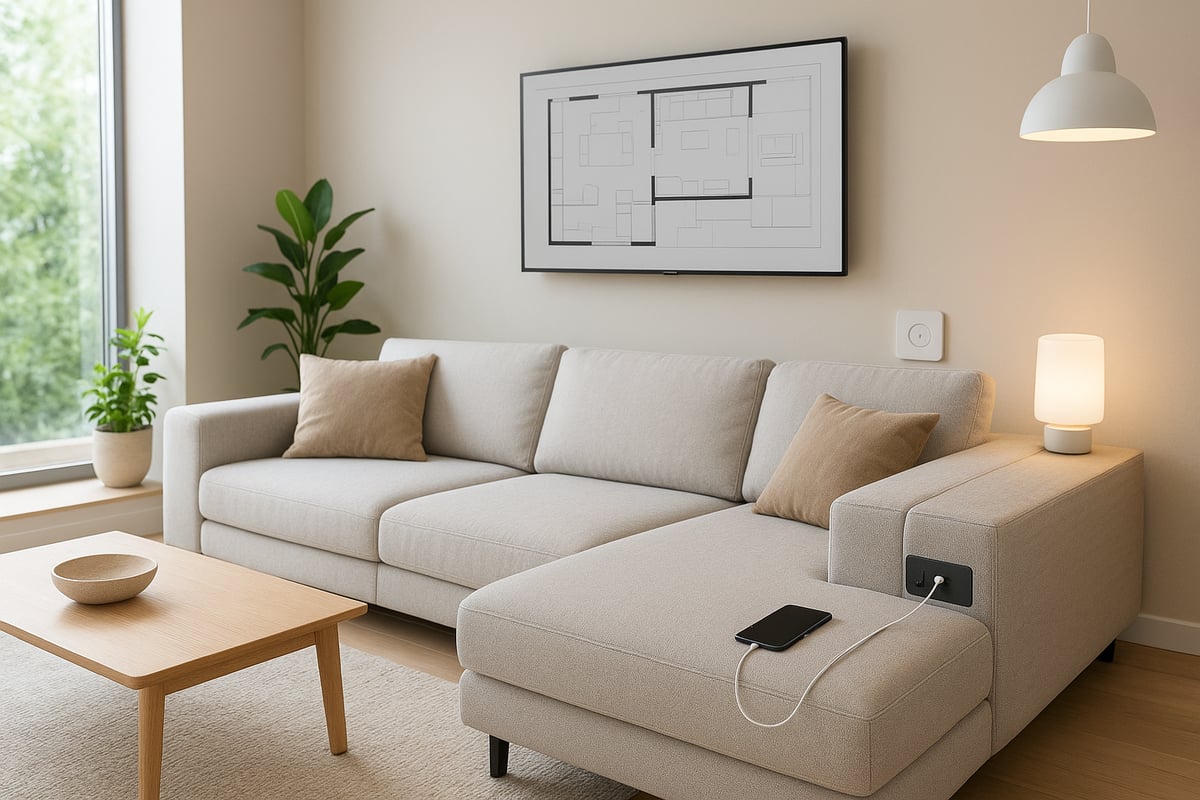
The integration of technology into furniture and interiors has led to a new era of smart furniture. In 2026, consumers can expect pieces that blend comfort, style, and connectivity. Imagine a desk that wirelessly charges your devices or a coffee table with built-in speakers and touch controls.
Here is a quick comparison of popular smart furniture features:
| Feature | Example Product | Benefit |
|---|---|---|
| Wireless Charging | Smart Desk | Seamless device power |
| Built-in Speakers | Coffee Table | Immersive sound experience |
| Adjustable Height | Standing Desk | Personalized ergonomics |
| Integrated Lighting | Bed Frame | Ambient, mood-driven lighting |
These advancements ensure that furniture and interiors are not just functional, but also enhance daily routines with intuitive tech.
Home Automation Essentials
Home automation is central to modern furniture and interiors. Devices such as smart thermostats, automated blinds, and voice-controlled lighting systems are now standard in many homes. These technologies adapt to your lifestyle, making spaces more responsive and energy efficient.
Imagine controlling your entire environment from a single app or with simple voice commands. Popular solutions include app-based security systems, customizable lighting scenes, and blinds that adjust based on sunlight. With smart automation, furniture and interiors become dynamic, adapting to your needs throughout the day.
Augmented and Virtual Reality in Interior Design
Augmented and virtual reality are revolutionizing how we plan and personalize furniture and interiors. With AR/VR tools, homeowners and designers can visualize changes before making decisions, reducing costly mistakes and improving satisfaction.
For example, you can use apps to preview furniture in your space or experiment with different layouts in a virtual environment. Tools like Easy 3D CAD for Everyone let users create and adjust digital models, ensuring that every element fits perfectly. This technology empowers anyone to design furniture and interiors with confidence and creativity.
Data Security and Privacy Concerns
As furniture and interiors become more connected, privacy and data security are top priorities. In 2025, 54% of consumers cited privacy as their main concern with smart home tech. Protecting your information requires practical steps and awareness.
Consider these security tips:
- Use strong, unique passwords for all devices.
- Regularly update firmware and software.
- Set up secure Wi-Fi networks with encryption.
- Limit data sharing and disable unused features.
By staying vigilant, you can enjoy the benefits of smart furniture and interiors without compromising your privacy.
Enhancing Comfort and Wellbeing with Technology
Technology is not only about convenience, but also about promoting wellbeing in furniture and interiors. Smart air purifiers, circadian lighting systems, and wellness-focused mattresses are becoming commonplace. These devices monitor air quality, adjust lighting to natural rhythms, and track sleep patterns for optimal rest.
For example, a smart mattress can personalize firmness and temperature, while air purifiers automatically filter allergens. Integrating these innovations into furniture and interiors creates a supportive environment, enhancing comfort and overall health for every household member.
Space Optimization: Designing for Modern Lifestyles
Maximizing your living space is essential for adapting to today’s dynamic routines. The landscape of furniture and interiors is evolving, with solutions that cater to flexibility, comfort, and style. Whether you live in a compact apartment or a spacious home, modern approaches help you create environments that support both productivity and relaxation.
Open-Plan Living and Zoning Strategies
Open-plan layouts are more popular than ever, with 65% of new homes featuring this design. The challenge is to define distinct areas without sacrificing flow or light. In 2026, furniture and interiors focus on smart zoning techniques.
Consider using area rugs to visually separate a lounge from a dining spot. Bookshelves and lightweight screens can add privacy for a home office. Strategic lighting, such as pendant fixtures over the dining area, further reinforces boundaries while enhancing ambiance.
These approaches allow you to personalize open spaces, making them feel organized and intentional.
Multi-Functional and Convertible Furniture
Modern lifestyles demand versatility, and the latest furniture and interiors offer innovative solutions. Multi-functional pieces, like Murphy beds or expandable dining tables, are perfect for both small apartments and flexible family spaces.
Convertible wall units can quickly transform a living room into a guest suite or a workspace. Look for modular sofas with built-in storage, or nesting tables that tuck away when unused.
These adaptable options maximize square footage, making it easier to adjust your environment as your needs evolve.
Storage Innovations and Decluttering
Clutter can undermine even the most beautifully designed rooms. Storage innovations in furniture and interiors help maintain order and style. Built-in units, under-bed drawers, and hidden compartments make the most of every inch.
| Storage Solution | Best For | Key Benefit |
|---|---|---|
| Built-in Shelving | Living rooms, offices | Seamless look |
| Under-bed Drawers | Bedrooms | Extra capacity |
| Hidden Compartments | Entryways, kitchens | Discreet storage |
To keep your space clutter-free, regularly edit belongings and design with storage in mind from the start.
Biophilic Design and Indoor-Outdoor Flow
Incorporating nature is a top priority for furniture and interiors in 2026. Biophilic design uses natural materials, greenery, and daylight to boost wellbeing and productivity.
Living walls, potted plants, and large windows create a sense of calm and connection to the outdoors. Sliding glass doors or retractable partitions can blur the boundary between indoor and outdoor spaces.
Research shows biophilic design can improve productivity by 15%, making it a worthwhile investment for any home.
Personalization and Customization
Tailoring your environment is key to expressing your style and meeting your needs. Customizable furniture and interiors, from modular shelving to bespoke upholstery, make this possible.
Online platforms let you choose finishes, fabrics, and layouts that reflect your personality. For those seeking expert guidance, the Custom Design Services Overview explains how to access tailored solutions for truly unique interiors.
Personalization ensures your space remains functional and inspiring as trends and lifestyles change.
Craft'n Build: Empowering Personalized Design
Craft'n Build is at the forefront of helping you create tailored furniture and interiors. Their CAD design services and 3D furniture models simplify the customization process, whether you're a homeowner or a professional designer.
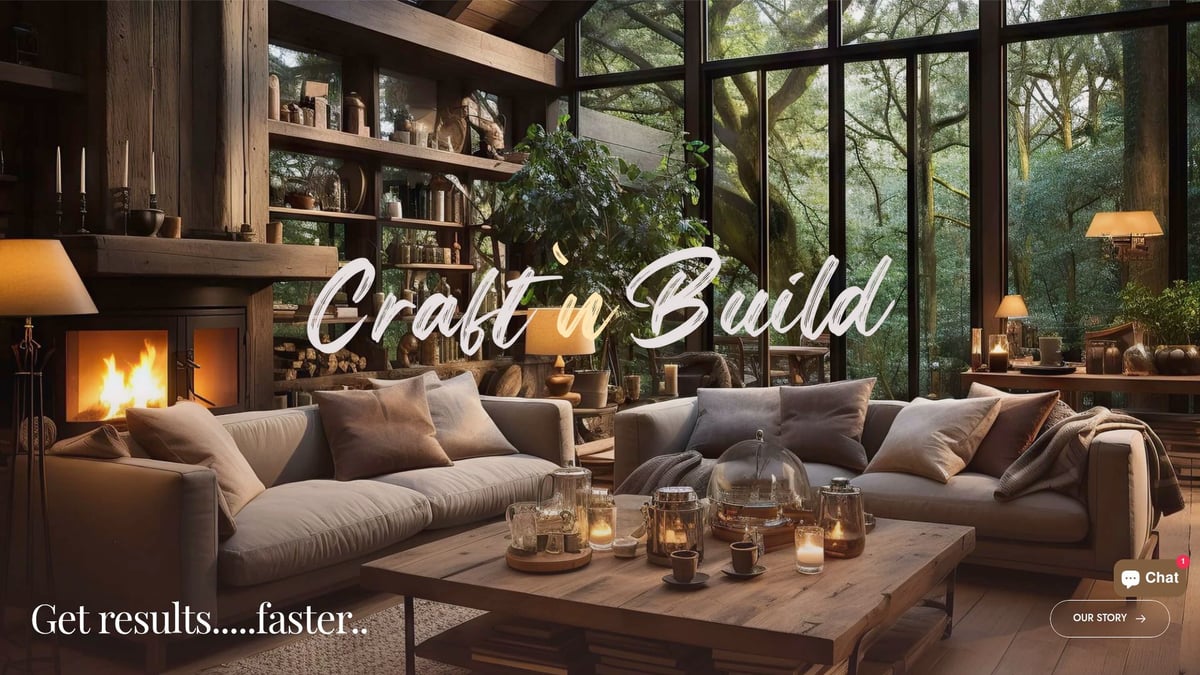
With online courses, you can elevate your skills at your own pace. Business solutions streamline the journey from concept to sourcing, making projects efficient and results-driven.
Global accessibility, multilingual support, and trend resources make Craft'n Build a valuable partner for anyone modernizing their space.
The Future of Furniture Shopping: Digital Tools and Consumer Experience
The landscape of furniture and interiors shopping is being reshaped by rapid advances in digital technology and evolving consumer expectations. As we approach 2026, the integration of immersive tools, streamlined online experiences, and sustainable practices is setting new standards for how we discover, customize, and receive furniture and interiors.
Virtual Showrooms and Online Visualization
Virtual showrooms are transforming how customers explore furniture and interiors. Using AR and VR, shoppers can walk through digital spaces and visualize products in their own homes before making a purchase.
Major retailers now offer “try before you buy” experiences, letting users place virtual furniture at scale. According to Statista, 45% of consumers used AR tools for home purchases in 2025. This trend empowers buyers to experiment with layouts, colors, and styles, reducing guesswork and increasing satisfaction.
For those seeking inspiration, Interior Design Trends to Watch for 2026 offers insight into the latest innovations in digital design tools and trend forecasting. These resources are invaluable for anyone curating forward-thinking furniture and interiors.
E-Commerce and Direct-to-Consumer Models
E-commerce continues to make furniture and interiors more accessible. Direct-to-consumer (DTC) brands are disrupting the market, providing curated selections and transparent pricing.
Benefits include lower costs, a wider range of options, and the ability to compare products easily. Many leading brands offer seamless online interfaces and customer support, streamlining the entire buying journey.
Popular online-only furniture companies leverage digital platforms to showcase their collections, connect with customers, and personalize the shopping experience. This shift allows consumers to shop for furniture and interiors from anywhere, at any time.
Customization and On-Demand Manufacturing
The rise of customization is redefining expectations for furniture and interiors. On-demand manufacturing enables buyers to select finishes, dimensions, and features that match their individual needs.
3D-printed furniture and rapid prototyping are making unique pieces more attainable. Some companies allow users to design products online and see instant visualizations of their custom choices.
These innovations foster creativity and help consumers achieve spaces that reflect their personalities. The ability to tailor furniture and interiors on-demand is becoming a hallmark of the modern shopping experience.
Logistics, Delivery, and Sustainability
Sustainability is at the forefront of logistics in furniture and interiors. Innovations like flat-pack designs reduce shipping volume and carbon emissions, while eco-friendly packaging is becoming standard.
Many brands now offer green delivery options, meeting the preferences of 50% of consumers who prioritize sustainability. Efficient last-mile delivery and real-time tracking ensure safe and convenient arrivals.
These advancements not only protect the environment but also enhance the entire experience of purchasing furniture and interiors. Responsible logistics are shaping the future of the industry.
Personalizing Your Space: Step-by-Step Guide for 2026
Ready to transform your home into a reflection of your personality and needs? Personalizing your space in 2026 is about blending innovation, sustainability, and comfort. This guide walks you through each actionable step to create interiors that truly feel like your own. Whether you are a homeowner, designer, or enthusiast, these tips will help you navigate the evolving world of furniture and interiors.
Step 1: Define Your Needs and Lifestyle
Begin by assessing how you use each area in your home. Are you working remotely, entertaining guests, or seeking a place for relaxation? Identifying your primary activities ensures your furniture and interiors support your lifestyle.
Make a list of must-have zones, such as a dedicated workspace, play corner, or wellness retreat. Consider who uses each space and what their daily routines look like.
This clarity helps you prioritize functionality and select features that adapt as your needs evolve. By focusing on your unique requirements, you lay the foundation for a home that works for you.
Step 2: Explore and Select Your Style
Next, research both trending and timeless design styles. In 2026, options range from Scandinavian minimalism to tech-inspired maximalism. Collect inspiration on mood boards, using digital platforms or physical samples, to visualize how different elements might work together.
Blending styles is popular, allowing you to mix textures, colors, and patterns. For expert advice on living room layouts and furniture selection, explore these Living Room Design Tips 2026.
Remember to keep the furniture and interiors cohesive by selecting a primary style and accenting with unique touches. This approach ensures your space feels intentional and inviting.
Step 3: Choose Sustainable and Smart Materials
Prioritize eco-friendly materials such as bamboo, recycled metals, or responsibly sourced wood. In 2026, sustainable choices are widely available and increasingly affordable. Look for certifications like FSC or GREENGUARD to verify your selections.
Integrate smart features, from built-in charging ports to fabrics that resist stains and wear. Modular furniture and interiors with sustainable finishes offer both longevity and adaptability.
By choosing materials and technology that align with your values, you create a space that is both future-ready and environmentally conscious.
Step 4: Plan Space and Layout
Leverage digital tools to map out your floor plan. Augmented reality apps let you preview how furniture and interiors will look and fit in real time. Consider traffic flow, zoning, and the placement of key pieces.
Use rugs, lighting, and dividers to define areas in open-plan layouts. This not only maximizes function but also enhances comfort and style.
A thoughtful layout ensures every square foot is used efficiently, supporting both daily living and special occasions.
Step 5: Source Furniture and Accessories
Compare a range of online and offline options for sourcing furniture and interiors. Evaluate customization opportunities and check delivery timelines, especially for bespoke or made-to-order pieces.
Direct-to-consumer brands often provide unique designs and sustainable practices. Look for modular sofas, expandable tables, and accessories that can be easily updated.
Selecting adaptable furnishings allows you to refresh your space as trends and needs change, ensuring lasting satisfaction.
Step 6: Implement Technology Thoughtfully
Integrate smart devices that enhance convenience without disrupting aesthetics. Opt for solutions like hidden speakers or app-controlled lighting that blend seamlessly with your furniture and interiors.
Balance is key. Choose technology that supports your lifestyle, such as smart thermostats or security systems, while maintaining a cohesive look.
Thoughtful tech integration makes your home more comfortable and efficient, supporting your well-being every day.
Step 7: Add Personal Touches and Finalize
Incorporate elements that reflect your personality, such as artwork, textiles, and cherished objects. Rotate cushions, throws, or wall art seasonally for a fresh feel.
Personalizing your furniture and interiors with meaningful details turns a house into a home. Experiment with layering textures and mixing patterns to create visual interest.
Remember, your space should evolve as you do, welcoming change and new inspiration.
Step 8: Maintain and Evolve Your Interiors
Establish routines for decluttering and organizing, ensuring your home remains functional and inviting. Regularly assess your furniture and interiors for items that need updating or repurposing.
Stay informed about new trends, materials, and technology by subscribing to design blogs or newsletters. Embrace small changes to keep your environment inspiring and future-proof.
A proactive approach ensures your space continues to meet your needs, reflecting both personal growth and advances in design.
As you look ahead to transforming your living spaces for 2026, the right guidance and resources make all the difference. Throughout this guide, you’ve explored innovative trends, sustainable materials, and smart technology that can redefine your interiors. If you’re ready to take the next step and truly master the essentials of modern design, I encourage you to deepen your skills and confidence. Whether you’re a homeowner aiming for a fresh look or a professional designer seeking up-to-date expertise, you can start your journey today with Get started with Interior Design. Your ideal space is within reach—let’s bring your vision to life.


Share:
The Expert Guide to D Designers in 2026
Wooden Furniture Design Guide: Trends and Tips for 2026