




Are you ready to see how the right interior design sofa can completely transform your living space in 2026? The sofa is no longer just a place to sit, it serves as the focal point and foundation for any modern room.
Today’s homeowners are looking for more than comfort, they want their interior design sofa to reflect personal style and adapt to evolving trends. Whether you are revamping your entire home or simply updating a single room, expert guidance is essential.
In this article, discover 9 essential tips to help you choose, style, and maintain the perfect sofa for a stunning and functional space.
The Impact of Sofa Selection on Interior Design
Choosing the right interior design sofa is more than a matter of comfort. It is a decision that can dramatically influence the overall atmosphere and practicality of your living space. As the visual and functional anchor of most rooms, a sofa often sets the first impression and guides the entire interior scheme.
A well-chosen sofa defines both the ambiance and usability of a room. The style, silhouette, and placement of your interior design sofa can make a space feel welcoming, formal, relaxed, or lively. For example, a plush sectional instantly signals a cozy, family-friendly environment, while a sleek, structured sofa lends itself to a more sophisticated tone.
Proportion is critical when selecting an interior design sofa. The size and shape of your sofa must complement the room’s dimensions and ceiling height. An oversized sectional in a small apartment can crowd the space, while a tiny loveseat might get lost in a spacious loft. Measuring your room and using floor plans helps ensure your sofa fits harmoniously, enhancing both flow and balance.
Color psychology plays a significant role in shaping mood and perception. The hue of your interior design sofa can energize, calm, or even visually expand a room. Neutrals like beige and gray offer timeless appeal, while bold choices such as deep blue or emerald create a striking focal point. Material selection is equally important. Durable fabrics like performance velvet or sustainable textiles balance comfort, longevity, and style, making them smart investments for busy households.
Placement of your interior design sofa is key to optimizing both movement and social interaction. Positioning your sofa to face focal points, such as a fireplace or window, maximizes usability and natural light. Integrating your sofa with existing décor—whether modern, classic, or eclectic—ensures a cohesive look. For a comprehensive approach to sofa placement and selection, explore these living room design expert tips.
In 2026, evolving lifestyles are shaping new demands for the interior design sofa. With remote work and multifunctional spaces on the rise, homeowners seek sofas that support both relaxation and productivity. According to recent interior design surveys, 68% of homeowners now view the sofa as the most important furniture investment. Thoughtful selection and placement ensure your sofa not only enhances comfort, but also elevates the entire design narrative of your home.
9 Essential Interior Design Sofa Tips for Stunning Spaces 2026
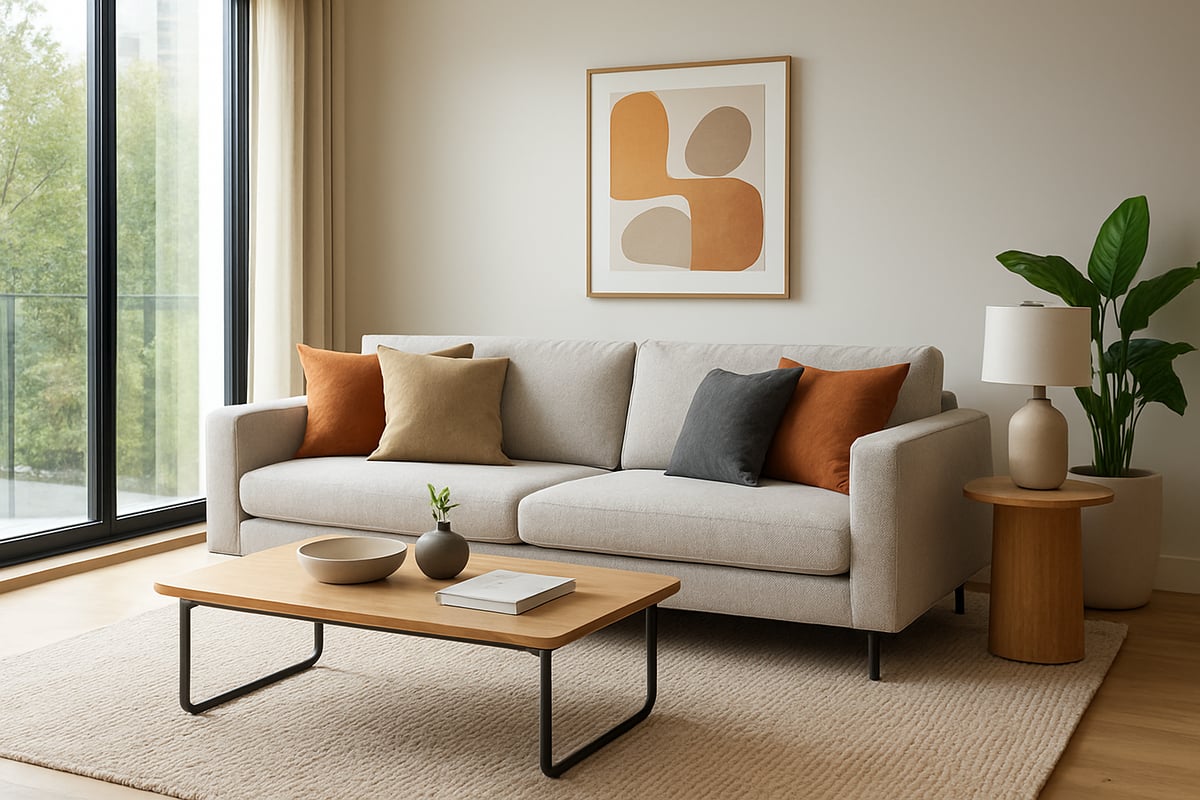
Choosing the right interior design sofa can completely redefine your space. In 2026, homeowners and design enthusiasts are focusing on both function and style. The following nine tips will help you select, style, and maintain a sofa that brings out the best in your living environment. Whether you are refreshing a single room or reimagining your entire home, these expert-backed strategies ensure your sofa becomes the showpiece it deserves to be.
1. Tip: Prioritize Proportion and Scale
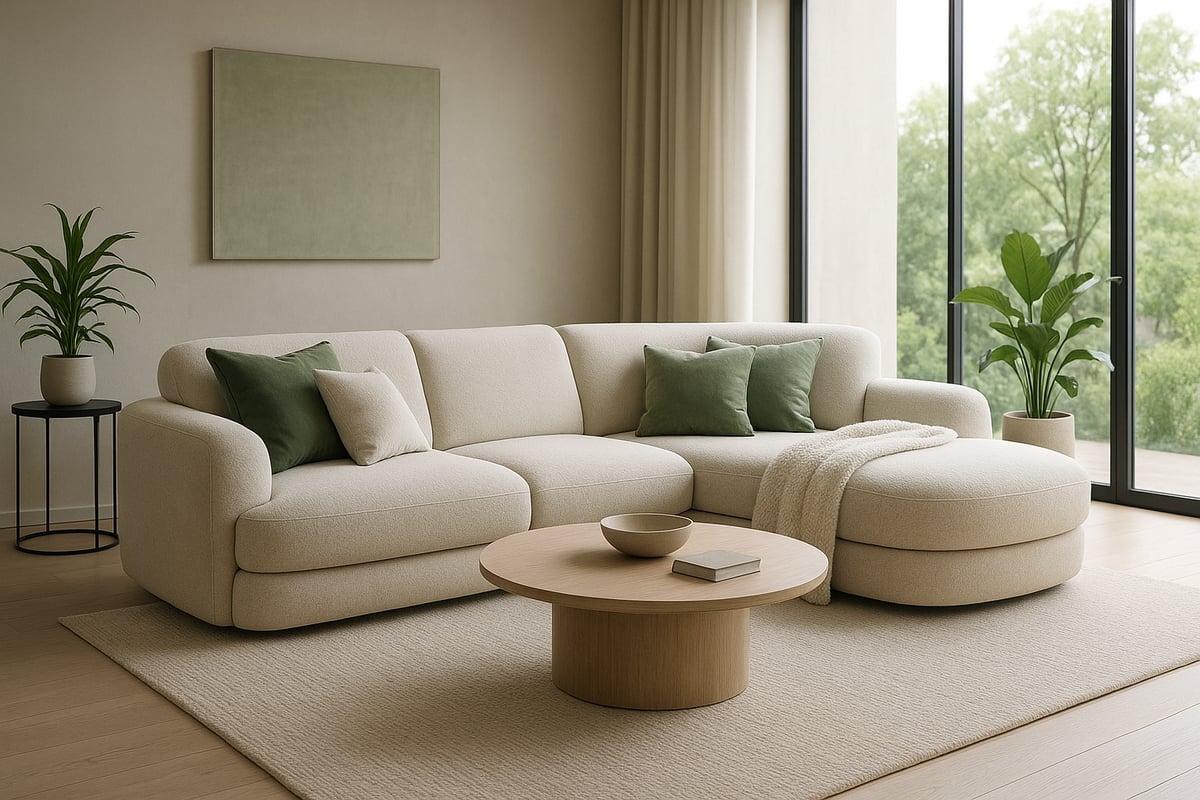
The first step in selecting an interior design sofa is understanding your room’s proportions. A sofa that is too large can quickly overwhelm a compact apartment, while a tiny sofa in a grand, open loft might feel lost. Always start by measuring your space, including ceiling height and floor dimensions.
Use painter’s tape or furniture templates to map out potential sofa sizes on your floor. This simple practice helps you visualize flow and ensures your sofa does not obstruct pathways or windows. For open-plan rooms, consider how the sofa can help define different areas, such as separating a living space from a dining zone.
Designers recommend a streamlined two-seater for smaller rooms. In contrast, a spacious loft may benefit from a sectional that fills the area without crowding. According to recent industry surveys, 72% of professionals suggest creating a floor plan before purchasing an interior design sofa.
Choosing the right scale also means thinking about the relationship between the sofa and other furnishings. Coffee tables, side chairs, and rugs should all complement the sofa’s size for a balanced look.
Remember, proportion is not just about size, but about harmony within the space. The best interior design sofa feels like it belongs naturally, making the room inviting and comfortable.
2. Tip: Embrace Trending Fabrics and Textures
In 2026, fabric selection is a defining element of interior design sofa choices. Bouclé, velvet, and sustainable textiles are leading the way, each offering distinct tactile and visual appeal. The texture of your sofa influences the atmosphere, with soft, plush fabrics creating a sense of coziness, while sleek finishes lend a formal touch.
Consider the practical side as well. Families with children or pets may prefer performance fabrics that resist stains and are easy to clean. Removable covers are increasingly popular for their convenience.
Layering textures adds dimension to your sofa styling. Pair a velvet interior design sofa with linen pillows or a chunky knit throw for a curated effect. This approach makes the seating area more inviting and visually interesting.
Maintenance is vital. Some trendy fabrics require more care than others, so weigh your lifestyle needs against your style preferences. For busy households, opt for materials that balance durability with comfort.
Mixing different textures, both on the sofa and with accessories, creates a sophisticated, lived-in feel. This tactile richness is a hallmark of contemporary interior design sofa trends.
3. Tip: Select a Timeless Color Palette
Color is powerful in interior design sofa decisions. Striking the right balance between trendy hues and classic neutrals ensures your sofa remains stylish for years. In 2026, earthy tones like sage, terracotta, and warm taupe continue to dominate for their versatility and calming effects.
Use bold colors strategically. If you love vibrant shades, introduce them as accent pillows or throws rather than committing to a full sofa in a bright color. This lets you easily update the look as trends shift.
Light plays a significant role in color perception. Test fabric swatches in your space at different times of day to see how natural and artificial light affect the hue. This step helps prevent surprises after delivery.
Adapting color choices with the seasons is another smart strategy. Neutral base sofas allow you to swap accessories for a quick refresh, keeping your interior design sofa current without a major investment.
For a deeper dive into what’s trending, check out sofa color trends for 2026. This resource highlights emerging palettes and how to use them effectively in your home.
4. Tip: Optimize Sofa Placement for Flow and Functionality
The placement of your interior design sofa has a direct impact on how a room functions. Arrange sofas to encourage conversation, provide clear sightlines to focal points, and maintain open pathways.
In open-concept spaces, use your sofa as a subtle divider to create distinct zones. A sectional or backless sofa can elegantly separate living and dining areas without blocking light or movement.
Consider the traffic flow. Avoid placing your sofa where it blocks doorways, windows, or main walkways. Think about the focal point of the room, whether it is a fireplace, TV, or a stunning view, and orient the sofa accordingly.
Floating a sofa away from the wall can make a room feel larger and more inviting. This approach is especially effective in spacious interiors, letting you create cozy conversation areas.
Experiment with different layouts using online tools or floor plans. The goal is to find a configuration where your interior design sofa enhances usability and comfort for everyone.
5. Tip: Layer with Complementary Accessories
Accessories are the finishing touch that brings an interior design sofa to life. Thoughtful layering of throw pillows, blankets, and area rugs adds comfort and personality to the space.
Choose accessories in colors and patterns that either complement or contrast with your sofa. This interplay creates visual interest and helps tie the room together. Do not be afraid to mix materials—add metallic trays, wooden side tables, or ceramic vases for a curated, designer look.
Rotate accessories seasonally for an instant refresh. Lighter fabrics and pastel tones work well in summer, while heavier knits and deeper hues create a cozy winter vibe.
Here is a quick list of accessory ideas:
- Linen or velvet throw pillows for texture
- Wool or cotton blankets for warmth
- Patterned rugs to anchor the seating area
Swapping out accessories is a cost-effective way to keep your interior design sofa and overall décor feeling fresh throughout the year.
6. Tip: Invest in Quality Construction and Materials
A great interior design sofa is an investment. Focus on quality construction to ensure your sofa stands the test of time. Look for solid wood or metal frames, sturdy joinery, and robust suspension systems that provide lasting support.
Cushion quality matters, too. High-resilience foam or down-filled cushions offer both comfort and durability. Removable covers are a practical bonus, making cleaning and maintenance easier.
Compare natural and engineered materials. Solid hardwood frames are durable, while engineered wood offers affordability. Upholstery fabrics like leather and performance textiles provide different benefits depending on your needs.
Check craftsmanship in person if possible. Inspect seams, zippers, and cushion filling to ensure everything is well finished. Online shoppers should review close-up images and customer feedback for insight into build quality.
Data shows that a well-made interior design sofa can last 10–15 years with proper care. Investing in quality up front pays dividends in comfort and longevity.
7. Tip: Incorporate Multifunctional Sofa Designs
Modern living often requires furniture that adapts to changing needs. Multifunctional interior design sofa options—such as sleeper sofas, modular sectionals, and storage chaises—are ideal for small spaces and busy lifestyles.
Sleeper sofas provide a comfortable bed for guests without sacrificing style. Storage sectionals help keep blankets, books, and other items neatly tucked away. Modular pieces can be rearranged to suit different occasions, from movie nights to parties.
Hybrid work arrangements are now common, so consider a sofa that supports both relaxation and productivity. Convertible designs allow you to quickly transform the space as needed.
An example: A chaise lounge with built-in storage combines lounging comfort with practical organization. This versatility is a hallmark of forward-thinking interior design sofa trends.
Choosing multifunctional designs ensures your living space remains flexible and efficient, ready for whatever life brings.
8. Tip: Align Sofa Style with Overall Décor Theme
Your interior design sofa should reflect and enhance your home’s unique style. Start by identifying your signature aesthetic—whether it is Scandinavian simplicity, mid-century modern, industrial chic, or something more eclectic.
Match sofa lines, legs, and details with your room’s architectural features. For example, a tufted, rolled-arm sofa suits traditional spaces, while a minimalist, low-profile design works well in contemporary interiors.
Do not be afraid to mix styles for a harmonious, layered look. Pairing a classic sofa with modern art or lighting can create striking balance. Mood boards are a useful tool for visualizing how different elements will work together.
For inspiration, explore sofa design trends 2026 to see how current styles and shapes can complement your décor.
By aligning your sofa with your overall theme, you ensure a cohesive, polished result that feels intentional and personal. The right interior design sofa becomes the focal point of a well-designed room.
9. Tip: Plan for Flexibility and Future Changes
Adaptability is key in today’s homes. Choose an interior design sofa that allows for easy reconfiguration, whether for entertaining guests, accommodating family changes, or simply keeping things fresh.
Modular sofas are especially popular for their flexibility. They can be separated into individual seats or rearranged to suit different occasions. Neutral base colors provide a foundation that can evolve with new accent pieces as your tastes change.
Consider how your needs might shift in the coming years. Will you need extra seating for a growing family or a pet-friendly fabric? Planning ahead helps you make choices that stand the test of time.
A sectional that splits into smaller pieces is perfect for parties, while a durable, stain-resistant fabric ensures your sofa keeps looking good despite daily wear.
By planning for flexibility, your interior design sofa remains a smart, lasting investment, ready to adapt as your life evolves.
Styling Sofas for Different Room Types
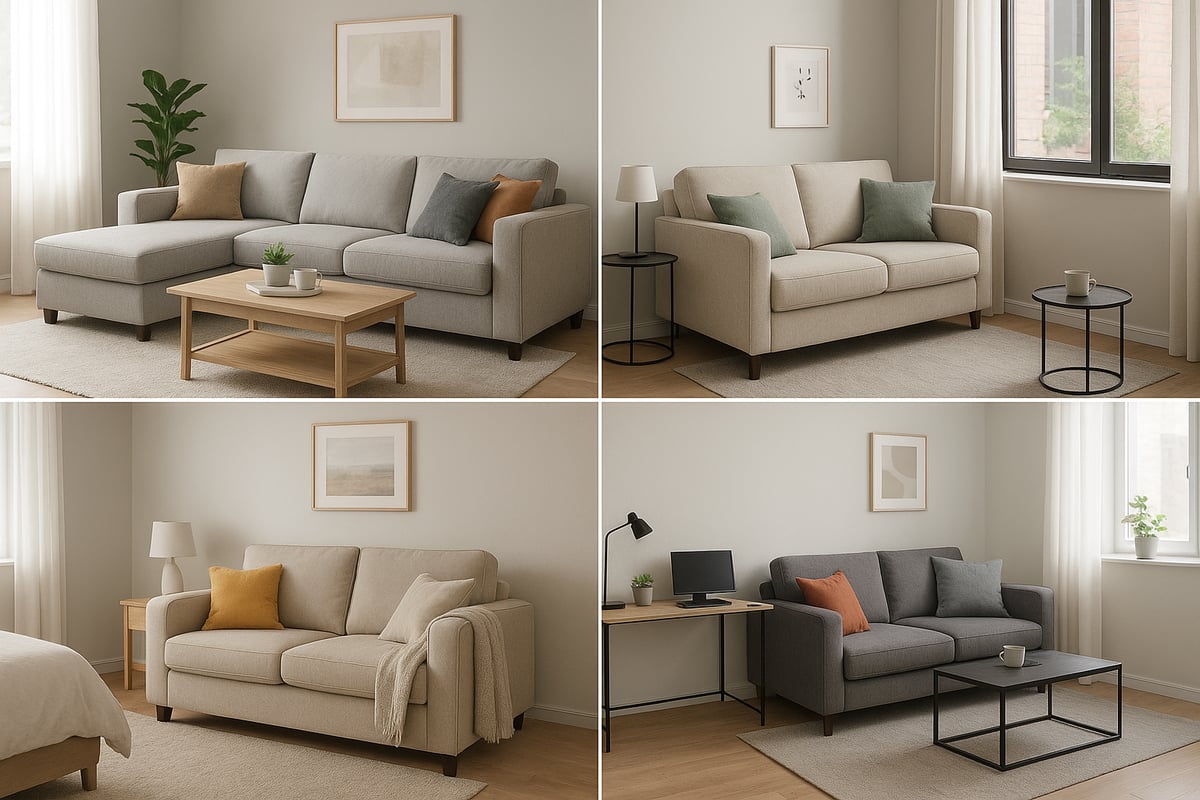
Sofas are not one-size-fits-all. The right interior design sofa choice elevates each room’s character and function. From lively living rooms to compact studios, matching sofa style and placement to the room’s unique needs is key. Let’s explore how to style sofas for every space, ensuring both comfort and visual harmony.
Living Rooms: Creating a Social Hub
The living room is the heart of social interaction, so the interior design sofa must encourage conversation and comfort. Position your sofa to face entertainment features, such as a television or fireplace, to create a welcoming focal point.
- Arrange sectionals or larger sofas to anchor spacious living rooms.
- Use a coffee table and side chairs to shape a cohesive seating zone.
- Select upholstery that balances durability and style for frequent use.
A thoughtfully placed interior design sofa transforms living rooms into vibrant, inviting hubs for gatherings and relaxation.
Small Spaces: Maximizing Functionality
In apartments or studios, every inch counts. Opt for a compact interior design sofa with built-in storage or a sofa bed to maximize utility without sacrificing style. Raised legs and light-colored upholstery visually expand the area, making it feel airy.
- Modular sofas can adapt to changing layouts.
- Storage ottomans or side tables double as extra seating.
- Keep accessories minimal to reduce visual clutter.
For more inspiration on styling single rooms, see this guide to interior design for one room.
Bedrooms & Guest Rooms: Comfort Meets Versatility
A bedroom or guest room benefits from a versatile interior design sofa that enhances both function and relaxation. Loveseats or daybeds fit perfectly at the foot of the bed or in a reading nook, providing a cozy spot for unwinding.
- Choose sofa beds for dual-purpose guest rooms.
- Coordinate sofa fabrics and colors with bedding for harmonious design.
- Add throws and cushions for a layered, inviting look.
An adaptable interior design sofa ensures your guest space is both comfortable and visually appealing.
Home Offices & Studios: Work-Life Balance
Today’s home offices demand flexibility. Select an interior design sofa that supports both productivity and relaxation. Modular seating works well for creative spaces, allowing quick reconfiguration for meetings or solo work.
- Place the sofa near windows for natural light.
- Use compact designs to maintain open floor space.
- Pair with a sleek side table for added function.
Integrating the right interior design sofa into your workspace promotes balance and comfort, helping you stay focused and inspired.
Maintenance and Longevity: Keeping Sofas Stunning Year After Year
A well-chosen interior design sofa is a valuable investment, but its true beauty and comfort depend on consistent care. Regular maintenance ensures your sofa remains the focal point of your space, retaining both its form and function year after year.

Routine Cleaning and Daily Protection
Begin by vacuuming your interior design sofa weekly using a soft brush attachment. This removes dust, crumbs, and pet hair, preventing buildup that can wear down fibers. For fabric sofas, gently blot spills immediately with a clean, dry cloth, avoiding rubbing that could spread stains.
Leather and faux leather sofas benefit from regular dusting and occasional conditioning. Always check manufacturer instructions before applying any cleaning solution. Rotating cushions and throws helps distribute wear evenly, keeping your sofa looking fresh.
Deep Cleaning, Professional Care, and Special Considerations
Every few months, schedule a deeper clean. For most fabric sofas, removable covers can be machine washed on gentle cycles. For delicate or specialty fabrics, consider hiring a professional upholstery cleaner to protect the integrity of your interior design sofa.
Households with children or pets should opt for stain-resistant fabrics and removable covers. Use slipcovers or throws as added protection during high-traffic periods. Promptly address spots and odors to prevent permanent damage.
Environmental Factors and Prolonging Sofa Life
Environmental factors can significantly impact your interior design sofa's longevity. Position sofas away from direct sunlight to prevent fading, and use window treatments to filter harsh rays. Maintain moderate indoor humidity to avoid cracking or warping, especially for wooden frames and leather upholstery.
According to recent studies, regular care can extend a sofa's life by up to 30 percent. For a comprehensive approach, explore this Step-by-step interior design guide to ensure your sofa complements both your lifestyle and design vision.
By investing a little time each week, you safeguard your interior design sofa and create a welcoming, long-lasting centerpiece in your home.
Future Trends in Sofa Design and Interior Spaces (2026 and Beyond)
As we approach 2026, the interior design sofa landscape is evolving rapidly, shaped by shifting lifestyles and a growing emphasis on sustainability. Homeowners are seeking pieces that not only elevate aesthetics but also offer smart functionality and environmental responsibility.
Sustainability and Eco-Friendly Materials
One of the most significant changes in interior design sofa trends is the shift toward sustainable and eco-conscious materials. Consumers increasingly prioritize sofas crafted from recycled fabrics, FSC-certified wood, and responsibly sourced fillings. This evolution is fueled by global awareness of environmental impact and a desire for healthier indoor spaces. According to Furniture trends 2026, gentle curves and organic shapes are also gaining momentum, aligning with the push for nature-inspired, enduring designs.
Smart Technology and Customization
Integrating technology into the interior design sofa is another defining trend for 2026. Many sofas now feature built-in USB ports, wireless charging stations, and modular add-ons that cater to the demands of remote work and smart homes. Customization is also at the forefront, with over 54% of consumers expressing interest in made-to-order sizes, unique shapes, and personalized upholstery options. As highlighted in Interior design trends 2026, clients now expect their furniture to reflect their individual style and practical requirements, making bespoke solutions more accessible than ever.
Adaptable, Hybrid Designs and Biophilic Influences
Adaptability defines the modern interior design sofa, with modular and hybrid designs enabling seamless transitions between relaxation, work, and entertaining. Sectionals that can be reconfigured or expanded, sleeper sofas with hidden storage, and pieces that blur the line between living and working spaces are increasingly popular. Biophilic design, which brings nature indoors through earthy palettes and organic forms, is also influencing sofa aesthetics. Looking ahead, these trends signal a future where the interior design sofa is not just a statement of style, but a reflection of evolving needs, values, and a connection to nature.
Now that you have a solid foundation with these essential sofa tips for creating stunning spaces in 2026, why not take your passion for interiors a step further? If you’re ready to transform your ideas into beautifully designed spaces and gain the skills to style any room with confidence, I encourage you to deepen your expertise. You can unlock even more practical strategies and professional insights by joining a comprehensive interior design masterclass. It’s the perfect next step for homeowners and design enthusiasts alike.
Get started with Interior Design



Share:
Chic Interior Design Guide: Elevate Your Space in 2026
9 Brilliant Free Interior Designers Tips for Stunning Spaces