




Imagine the impact of transforming a single room into a stunning, functional space—without the stress of a full renovation or the need for a huge budget. The interior design one room approach empowers you to create a personalized oasis using today’s most effective methods. In this guide, you’ll discover step-by-step strategies, the latest trends for 2026, and expert planning tips that make the process simple and rewarding. Ready to achieve a dramatic room makeover? Let’s explore how you can turn your vision into reality with practical solutions tailored to your needs.
Assessing Your Space and Setting Goals
Before you embark on any interior design one room transformation, taking a step back to assess your space and clarify your goals is essential. This process ensures every decision aligns with your vision, budget, and timeline, setting the stage for a successful project.
Understanding Your Room’s Purpose
Start by considering how your room is currently used and what new functions you’d like to introduce. Is it primarily a living area, a bedroom, a home office, or a multipurpose space? Identifying the intended activities is the cornerstone of any interior design one room project.
With evolving lifestyles, many are reimagining their rooms to serve multiple needs. For example, hybrid home office-guest rooms have surged in popularity since the pandemic. Take time to list all potential activities and prioritize them. This clarity will guide every subsequent design decision.
- Living rooms: relaxation, entertainment, hosting
- Bedrooms: sleeping, reading, dressing
- Home offices: focused work, meetings, storage
- Studios: combined living, sleeping, working
Ask yourself: Can the room flex between uses, or should it specialize? Understanding these dynamics helps you plan a space that truly works for you.
Measuring and Analyzing the Space
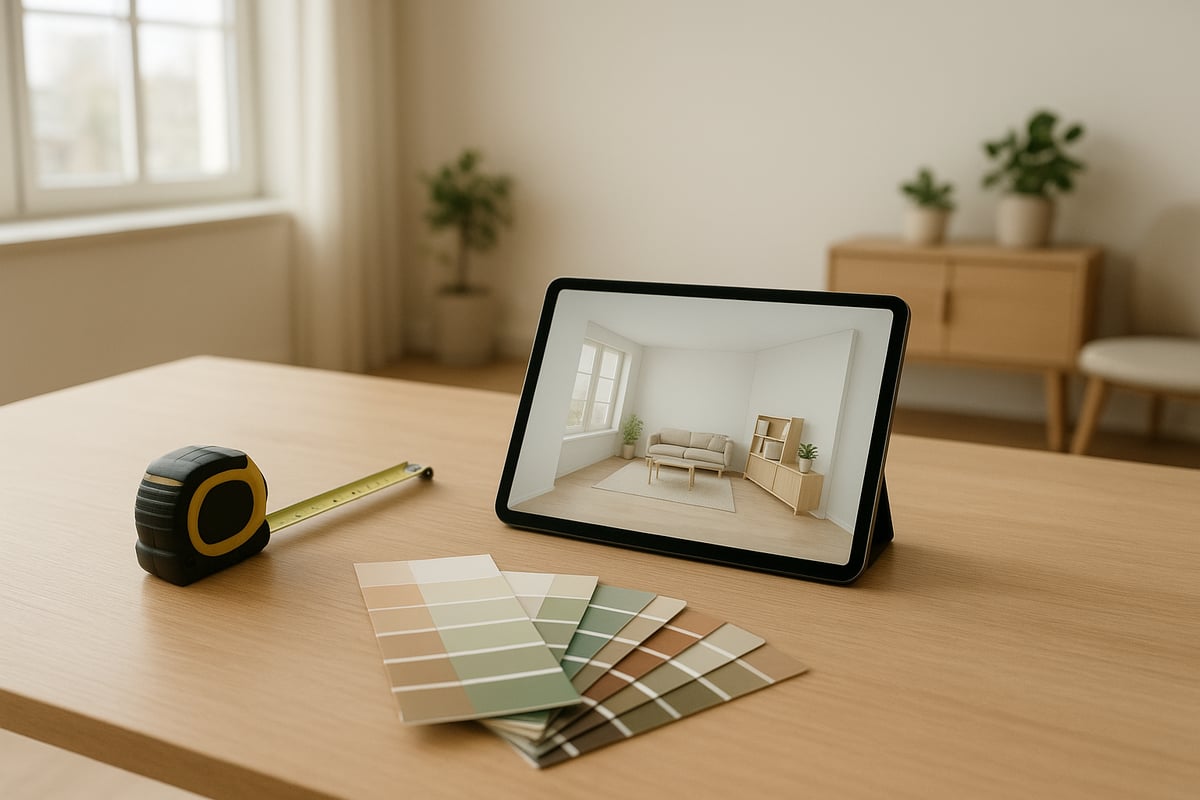
Accurate measurements are crucial for a successful interior design one room makeover. Start by measuring the length, width, and height of the room, along with the placement of windows, doors, and any built-in features. Overlooking these details can lead to costly mistakes.
Today, digital tools and 3D visualization apps simplify this task. According to a 2024 Houzz survey, 78% of designers recommend digital planning tools for improved accuracy. Use apps to create a virtual model of your room, experiment with layouts, and spot potential issues early.
Checklist for measuring:
- Room dimensions (length, width, ceiling height)
- Window and door locations
- Architectural features (alcoves, radiators, built-ins)
Identify any structural limitations or quirks. These details will inform furniture choices, storage solutions, and traffic flow as you refine your interior design one room plan.
Defining Style and Mood
Your personal style preferences should shape the overall mood of your space. Whether you lean toward modern minimalism, eclectic charm, or classic elegance, gathering inspiration is key. Use mood boards, Pinterest, or design blogs to collect images that resonate with your vision for an interior design one room transformation.
Scandinavian minimalism remains a top choice for small spaces, offering calm, uncluttered environments. As you refine your style, focus on color palettes, textures, and standout elements that make the room feel uniquely yours.
Tips to define your style:
- Gather inspiration images
- Note recurring colors and materials
- Identify must-have features or decor
For further practical guidance, the Essential one-room design handbook offers step-by-step advice for curating style and mood in single-room projects.
Setting a Realistic Budget
A clear budget is fundamental for any interior design one room project. Break down expected costs to avoid surprises and prioritize your investments wisely.
Typical cost allocation:
| Category | Percentage |
|---|---|
| Furniture | 40% |
| Decor | 20% |
| Lighting | 15% |
| Paint/Wallcover | 10% |
| Contingency | 15% |
The average one-room makeover in 2025 ranged from $2,000 to $8,000, depending on the project scope (HomeAdvisor). Decide where to splurge (e.g., a quality sofa or ergonomic chair) and where to save (accessories or DIY decor). Keep a contingency fund for unexpected expenses to ensure your interior design one room journey stays on track.
Establishing a Timeline
Planning your timeline is just as important as budgeting. Consider delivery times for furniture, contractor schedules, and whether you’ll tackle projects yourself or hire professionals.
Custom furniture, for example, may require six to twelve weeks to arrive. Factor in preparation time, shipping delays, and installation windows when mapping out your interior design one room schedule.
- Research lead times for major purchases
- Build in buffer periods for unexpected delays
- Sequence tasks logically (painting before furniture delivery)
A realistic timeline helps you manage expectations and ensures a smooth, stress-free makeover from start to finish.
Planning the Perfect Layout
Designing the right layout is the foundation of any successful interior design one room project. An effective plan ensures every inch is functional, comfortable, and visually appealing. Whether you are working with a compact studio or a spacious living area, a thoughtful approach to layout will transform your space.
Mapping Out Functional Zones
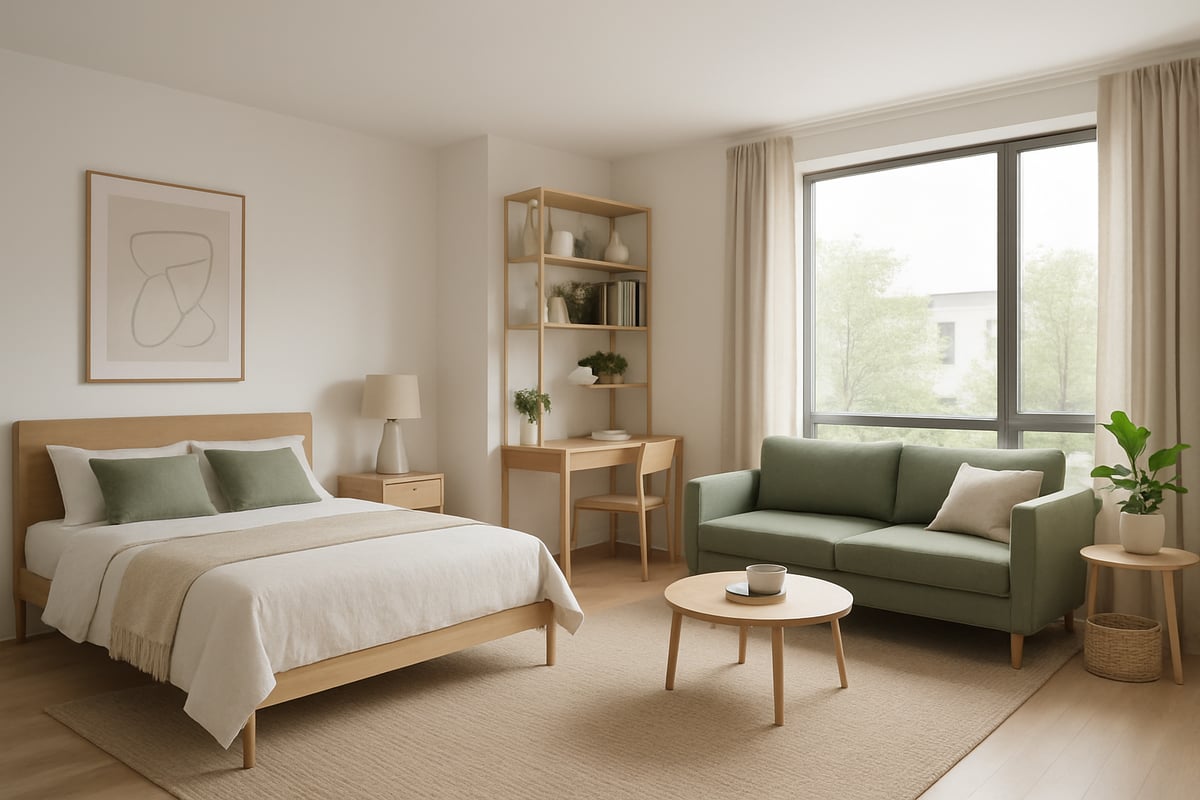
Creating distinct zones is essential for interior design one room solutions. Start by identifying the core activities that will take place: sleeping, working, lounging, dining, or storage. Define these areas with visual cues like area rugs, open shelving, or subtle furniture arrangements.
For open-plan spaces, consider floating furniture to separate zones without blocking light. In a studio, a sofa can face away from the bed to create a living area, while a bookshelf doubles as a divider and storage. Small details, such as a dedicated reading corner or a compact dining nook, make the most of every square foot in your interior design one room plan.
Traffic Flow and Accessibility
Maintaining smooth movement is a priority in any interior design one room layout. Ensure that walkways are at least 36 inches wide, allowing easy passage for all users. Place furniture so that doors and windows remain fully accessible, and avoid creating bottlenecks in busy areas.
Universal design principles are increasingly important, especially in multi-generational homes. Choose compact, lightweight furniture that can be rearranged as needed. For example, opt for armless chairs or nesting tables to keep the space flexible. These considerations help everyone enjoy the benefits of a well-planned interior design one room environment.
Maximizing Small Spaces
Efficient storage and smart furniture choices are crucial for maximizing small interior design one room projects. Use vertical space by installing shelves close to the ceiling and choose multi-functional pieces like ottomans with hidden compartments. Under-bed drawers and wall-mounted desks save valuable floor area.
According to recent surveys, 65 percent of urban dwellers struggle with storage challenges. To address this, incorporate creative solutions that blend style and function. For more inspiration, explore practical decor ideas for small spaces to further optimize your interior design one room strategy.
Using Digital Tools for Layout Visualization
Leverage technology to perfect your interior design one room layout before making any commitments. Free and paid apps like SketchUp or Roomstyler allow you to experiment with different arrangements, visualize furniture placement, and test color schemes in 3D.
Digital tools help you avoid costly mistakes and provide accurate measurements. Many designers recommend these apps for previewing multiple layouts, ensuring your final interior design one room setup suits your needs and preferences. Take advantage of these resources to streamline your planning process.
Common Layout Mistakes to Avoid
Avoiding typical pitfalls is key to a successful interior design one room transformation. Here are some common mistakes and solutions:
| Mistake | Solution |
|---|---|
| Blocking natural light | Keep windows clear, use sheer curtains |
| Overcrowding with furniture | Prioritize essentials, use modular pieces |
| Ignoring scale and proportion | Match furniture size to room dimensions |
Always assess the balance of your space and make adjustments as needed. By steering clear of these errors, your interior design one room will feel more spacious, comfortable, and cohesive.
Choosing Colors, Materials, and Finishes
Creating your dream space relies on making thoughtful choices about colors, materials, and finishes. These elements set the tone, mood, and functionality of any interior design one room project, guiding your transformation from vision to reality.
Color Psychology and 2026 Trends
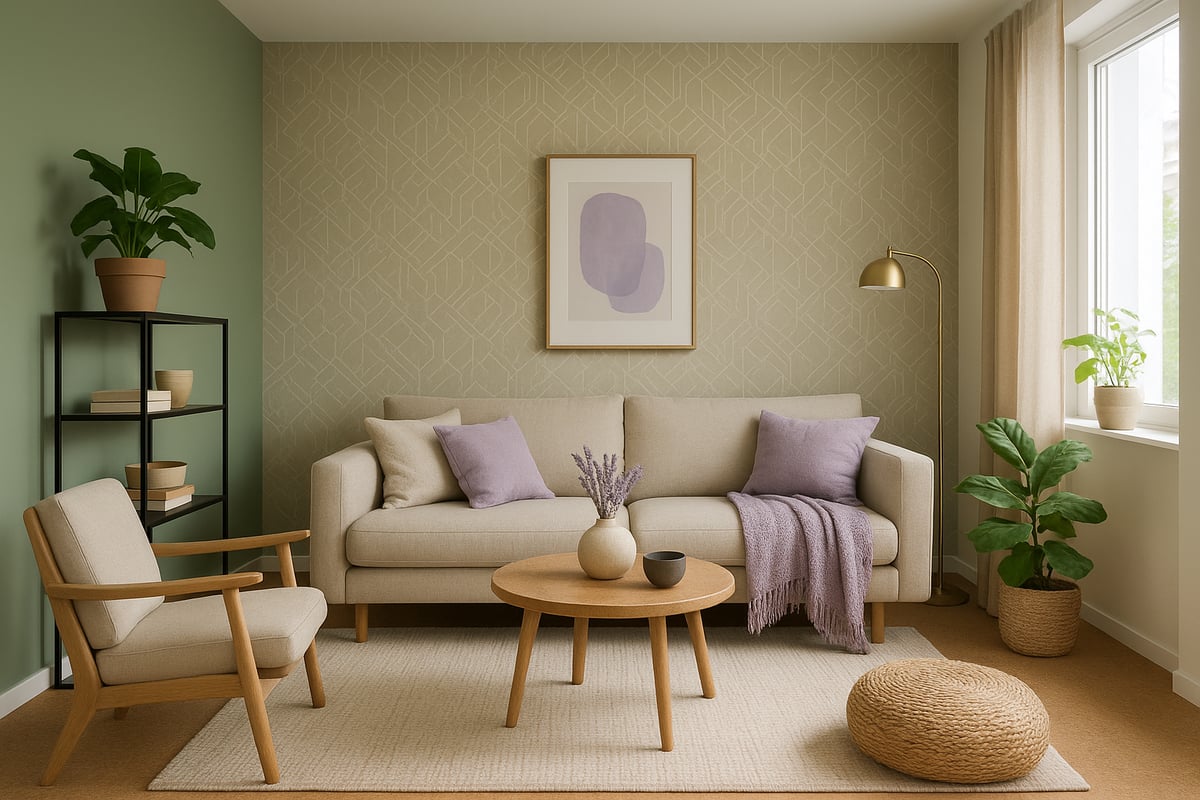
Color is a powerful design tool in any interior design one room makeover. For 2026, trending palettes include earthy greens, warm neutrals, and digital lavender, each offering a unique mood. Earthy greens promote calm and connection, while warm neutrals create inviting comfort.
Psychologically, blue hues are ideal for relaxation and focus, perfect for bedrooms or home offices. Yellows bring energy and optimism, great for creative zones. Pantone’s 2026 Color of the Year predictions suggest a continued focus on nature-inspired shades.
Curious about the latest color trends and how to use them? Explore Top Interior Design Trends for 2026 for expert insights.
Selecting Durable and Sustainable Materials
Material selection is crucial for longevity and sustainability in an interior design one room project. Hardwood is classic and durable, but engineered wood offers similar aesthetics with greater stability. Laminate is budget-friendly and easy to maintain, while recycled plastics support eco-conscious choices.
| Material | Pros | Cons |
|---|---|---|
| Hardwood | Timeless, durable | Expensive |
| Engineered Wood | Stable, eco-friendlier | Can vary in quality |
| Laminate | Affordable, low-maintenance | Less authentic look |
| Cork | Resilient, sustainable | Sensitive to moisture |
Sustainability trends include upcycled materials, locally sourced woods, and low-VOC finishes. Cork flooring remains a top choice for resilient, eco-friendly surfaces, making it ideal for modern interior design one room solutions.
Coordinating Finishes for Cohesion
Achieving harmony in an interior design one room space depends on well-coordinated finishes. Mixing metals like brass, matte black, and chrome adds visual interest, while matching wood tones brings unity.
For a streamlined look, monochromatic color schemes are popular, especially in smaller rooms. Try combining soft beige walls, light oak furniture, and brushed nickel hardware for a cohesive aesthetic.
A unified palette ensures your space feels intentional and balanced. Carefully chosen finishes can elevate even the simplest interior design one room project.
Balancing Texture and Pattern
Layering textures and patterns brings depth and personality to any interior design one room environment. Mix velvet cushions, linen drapes, and rattan accents for a tactile experience.
Patterns add excitement without overwhelming the space. In 2026, geometric wallpaper is a standout trend, ideal for creating a bold accent wall or highlighting a specific zone.
Consider introducing pattern through textiles, art, or an area rug. A thoughtful mix of textures and patterns helps express your style and keeps your interior design one room visually engaging.
Paint and Wall Treatments
Choosing between paint, wallpaper, or paneling depends on your interior design one room goals. Paint is versatile and easy to refresh, while wallpaper offers intricate designs and texture. Paneling can introduce warmth and architectural character.
Accent walls remain popular, often featuring murals or bold colors to anchor the room. Removable wallpaper sales are up 30 percent year-over-year, making it a flexible choice for renters or frequent updaters.
Select wall treatments that reflect your personality and support the function of your interior design one room project. This final touch can pull together all your choices for a stunning result.
Selecting Furniture and Storage Solutions
Selecting the right furniture and storage is a cornerstone of any successful interior design one room project. With careful planning, you can maximize your space, create comfort, and keep clutter at bay, all while reflecting your personal style.
Choosing the Right Furniture Scale
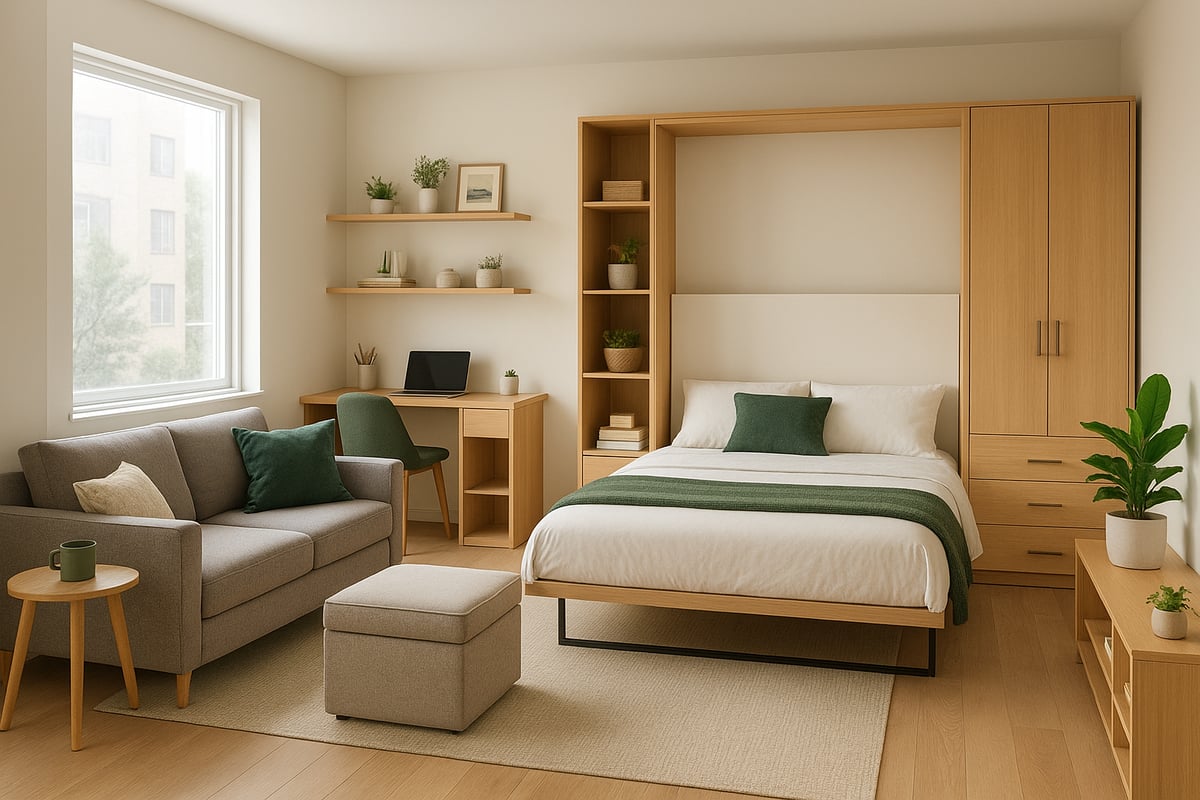
Getting the right scale is essential for any interior design one room transformation. Oversized sofas or bulky storage units can quickly overwhelm small spaces, making them feel cramped and less functional.
Opt for furniture that fits the proportions of your room. In compact layouts, consider low-profile seating, slimline desks, and open-legged chairs to maintain visual flow. Modular and convertible pieces let you adapt as needs change, such as sectional sofas that can be reconfigured or lightweight tables that move easily.
For example, Murphy beds and fold-down desks are ideal for studios, offering flexibility without sacrificing comfort. Always measure your space carefully so each piece contributes to a balanced, harmonious room.
Multi-Functional and Space-Saving Pieces
Multi-functional furniture is a game-changer for interior design one room projects. These pieces combine utility and style, freeing up valuable square footage and adapting to daily routines.
Here is a quick comparison of popular options:
| Furniture Type | Function(s) | Best Use Case |
|---|---|---|
| Storage Ottoman | Seating, storage | Living/Bedroom |
| Nesting Tables | Surfaces, compact | Living/Studio |
| Sleeper Sofa | Sofa, bed | Guest Room |
| Fold-down Desk | Workspace, folds away | Home Office |
Look for items with hidden storage, such as beds with drawers underneath or benches that open up. As reported in the IKEA Life at Home Report 2025, 52 percent of homeowners now prioritize multi-functional furniture for their one-room spaces. This approach ensures your interior design one room solution is both practical and stylish.
Storage Solutions for Every Room Type
Effective storage transforms the function and feel of any interior design one room setup. Start by assessing whether built-in or freestanding options work best for your needs.
Creative storage ideas include:
- Floating shelves for books and decor
- Under-stair cabinets for tucked-away items
- Wall-mounted hooks for coats and bags
- Vertical shelving to maximize height
For small rooms, vertical storage can be especially impactful, freeing up floor space and reducing visual clutter. In bedrooms, under-bed drawers provide hidden storage for linens or clothes, while in living areas, open shelving can double as display and organization. Tailor your storage to your lifestyle, ensuring every item has a logical home.
Arranging Furniture for Comfort and Flow
A well-planned layout is the heart of a functional interior design one room environment. Begin by grouping furniture to support key activities, such as arranging a sofa and chairs for conversation or positioning a desk near natural light for productivity.
Maintain clear pathways, with at least 36 inches for high-traffic walkways, to make the space accessible. Compact furniture is a wise choice for apartments or studios, keeping the area open and inviting. For more ideas, consider these living room design expert tips to enhance flow and comfort in your layout.
Use area rugs or open shelving to subtly define zones, such as separating a workspace from a lounge area. This approach allows your interior design one room plan to feel both cohesive and flexible.
Custom and DIY Furniture Options
Custom and DIY solutions empower you to personalize every detail of your interior design one room project. Custom-built pieces are perfect when standard furniture does not fit awkward corners or unique needs, such as a custom bench for a bay window or a built-in wardrobe.
DIY projects offer cost savings and a sense of accomplishment. Upcycling vintage furniture, for example, adds character and uniqueness to your space. Painting, reupholstering, or adding new hardware are easy ways to refresh old pieces.
Whether you hire a professional or take on a weekend project yourself, custom and DIY options make your interior design one room vision truly one of a kind.
Lighting, Decor, and Personalization
Creating a personalized and functional atmosphere is essential in any interior design one room project. The right combination of lighting, decor, and personal touches will elevate your space, making it both inviting and unique. Let us explore how careful choices in these areas can transform your room into a true reflection of your style.
Layering Lighting for Function and Ambiance
A well-lit interior design one room is both practical and visually appealing. Achieve this by layering three types of lighting: ambient, task, and accent. Ambient lighting provides an even base, such as overhead fixtures or recessed lights. Task lighting, like desk lamps or pendant lights, focuses on work areas. Accent lighting, including LED strips or picture lights, adds drama and highlights features.
Smart lighting is a growing trend. App-controlled and color-changing LEDs let you easily change the mood. According to Statista, 40% of new renovations now include smart lighting. For more inspiration on how lighting trends are evolving, visit Interior Design Trends to Watch for 2026.
Window Treatments and Natural Light
Maximizing daylight is crucial in any interior design one room project. Use sheer curtains or blinds to allow sunlight while maintaining privacy. Reflective surfaces, like mirrors or glossy finishes, help bounce natural light throughout the space.
Choose between blackout and light-filtering window treatments depending on your needs. Motorized blinds offer added convenience and are perfect for tech-forward homes. Positioning furniture near windows can create cozy reading nooks while taking advantage of the view and sunlight.
Art, Accessories, and Statement Pieces
Personalize your interior design one room by selecting art and accessories that tell your story. Gallery walls remain a favorite for creating focal points. Mix framed prints, photographs, and three-dimensional pieces for visual interest.
Incorporate biophilic design by adding plants, which bring life and color. Statement pieces, such as a bold sculpture or an oversized clock, can anchor the room. Choose accessories that reflect your personality, ensuring the space feels curated rather than cluttered.
Textiles and Soft Furnishings
Textiles are key to comfort and style in an interior design one room. Layer cushions, throws, and rugs to add texture and warmth. For 2026, bold and patterned textiles are on trend, offering a dynamic look without overwhelming the space.
Experiment with different fabrics: velvet for luxury, linen for breathability, and rattan for a natural vibe. Rugs can define zones, especially in open-plan layouts. Mixing patterns and textures creates a sense of depth and richness.
Personal Touches and Sentimental Items
The final layer of any interior design one room is personalization. Display collections, travel mementos, or family heirlooms on shelves or dedicated walls. These meaningful items bring warmth and authenticity.
A memory wall or a curated shelf can showcase your unique history. If you are new to interior styling, the Beginner home interior design guide offers practical tips for adding personal touches without overwhelming your space.
Integrating Technology and Future-Proofing Your Room
Embracing technology is essential for any interior design one room transformation in 2026. Integrating the right tech not only enhances convenience but also ensures your space remains adaptable for years to come. As smart home trends evolve, planning for future needs and sustainability will set your room apart.
Smart Home Essentials for 2026
Smart technology is at the forefront of interior design one room projects. Voice assistants, such as Alexa or Google Home, allow you to control lighting, music, and climate with simple commands. Smart thermostats optimize comfort and reduce energy costs by learning your habits.
Wireless charging furniture is gaining popularity, making it easy to keep devices powered without clutter. Integrated entertainment systems, including app-controlled speakers and screens, streamline leisure time. For expert insights into how these innovations are shaping design, watch 2026 Interior Design Trends with Shea McGee.
Home security is also evolving, with discreet cameras and smart locks providing peace of mind.
Sustainable and Energy-Efficient Upgrades
Prioritizing sustainability is a core part of modern interior design one room solutions. Start with LED lighting, which uses less energy and lasts longer than traditional bulbs. Energy-efficient appliances and smart plugs help reduce your environmental impact and monthly bills.
Smart power strips automatically cut power to unused devices, preventing energy waste. According to the National Association of Home Builders, 60% of homeowners plan to add energy-efficient upgrades in the coming year.
Consider eco-friendly materials, such as low-VOC paints and recycled furnishings, to further green your space.
| Upgrade Type | Benefit |
|---|---|
| LED Lighting | Lower energy use |
| Smart Appliances | Reduced consumption |
| Smart Plugs/Strips | Automated savings |
Flexible Tech-Ready Layouts
Planning your interior design one room layout with technology in mind is crucial. Designate charging stations for devices to keep cords organized and accessible. Modular furniture allows your setup to evolve as your tech needs change.
Use cable management systems to maintain a clean, streamlined look. Modular desks and wall units can accommodate new gadgets or screens as they are added. Choosing furniture with built-in outlets or USB ports simplifies charging and keeps clutter at bay.
As technology advances, flexible layouts ensure your room remains functional and up to date.
Acoustic Solutions for Privacy and Comfort
Acoustic comfort is a growing priority in interior design one room environments, especially for home offices or studios. Soundproofing panels on walls or ceilings help block outside noise, creating a peaceful atmosphere.
Heavy drapes and thick rugs absorb sound and add a layer of coziness. Acoustic wallpaper is an innovative option for reducing echo without sacrificing style. Consider placing bookshelves or soft furnishings strategically to further dampen unwanted sounds.
These solutions enhance privacy and make your space more comfortable for work, relaxation, or entertainment.
Planning for Future Adaptability
To future-proof your interior design one room, focus on adaptability. Modular furniture can be reconfigured as your needs change or your family grows. Convertible spaces, such as a guest bed that folds into a desk, maximize functionality.
Plan for extra outlets and hidden wiring to accommodate emerging technologies. Flexible layouts allow you to switch between uses, from work to leisure, with minimal effort. Investing in versatile pieces now ensures your room can evolve with new trends, hobbies, or tech advancements.
By prioritizing adaptability, your room remains relevant and practical for years to come.
Now that you’ve seen how planning, layout, color, furniture, and lighting choices can completely transform a single room, why not take your design journey a step further? Whether you’re dreaming up a cozy retreat or a multi-functional workspace, the right skills can make all the difference. If you’re ready to confidently bring your vision to life and master every aspect of interior design, I invite you to Get started with Interior Design. This comprehensive masterclass will guide you through turning any space into a place you truly love—at your own pace.


Share:
9 Brilliant Living Dining Room Interior Design Ideas for 2026
The Expert Guide to D Designers in 2026