





Everyone dreams of a home that reflects their style and feels inviting, but many believe achieving this requires hiring expensive professionals. The good news is that free interior designers share expert secrets that anyone can use, no matter their budget.
Often, the world of interior design seems complicated or out of reach. Yet, with the right knowledge, you can transform your space with ease and confidence. This guide brings you practical, free interior designers tips that are simple to apply.
Get ready to discover nine brilliant strategies that will help you create stunning rooms without spending a fortune.
The Power of Free Interior Designer Tips: Why Expert Advice Matters
Everyone dreams of a home that feels both beautiful and authentic. Yet, many believe that achieving a professionally designed space is only possible with significant investment or expert intervention. The reality is, with the guidance of free interior designers, anyone can unlock the secrets that make rooms extraordinary.
Professional design principles offer more than just visual appeal. They bring harmony, function, and a sense of purpose to every space. These principles, when applied—even through free interior designers tips—can elevate a room from generic to exceptional. Homeowners often struggle with decisions about color, layout, and personal style, leading to frustration or unfinished projects.
Thoughtful design goes beyond aesthetics. Studies show that well-designed interiors can boost mood, support productivity, and enhance overall lifestyle satisfaction. In fact, research indicates that a well-executed interior can increase property value by up to 10 percent. For more insight, the Impact of Interior Design on Property Value explores how expert choices pay off financially and emotionally.
The misconception that only paid consultations deliver real results is widespread. However, many transformative changes stem from simple, actionable advice. Free interior designers understand how small adjustments—like rearranging furniture or leveraging natural light—can create dramatic before-and-after effects. These cost-free strategies have been proven to refresh tired spaces and breathe life into even the most challenging rooms.
What sets free interior designers apart is their ability to democratize design knowledge. By sharing accessible tips, they empower everyone to create inviting, personal homes without financial barriers. The difference between a DIY approach and a professional result often lies in understanding core design concepts, not just in expense.
Accessible design advice fosters creativity and confidence. With the right information, homeowners can experiment, adapt, and ultimately achieve spaces that reflect their unique tastes. The movement toward open, expert-driven guidance ensures that beautiful living is no longer exclusive. Instead, it becomes a possibility for all, guided by the expertise of free interior designers.
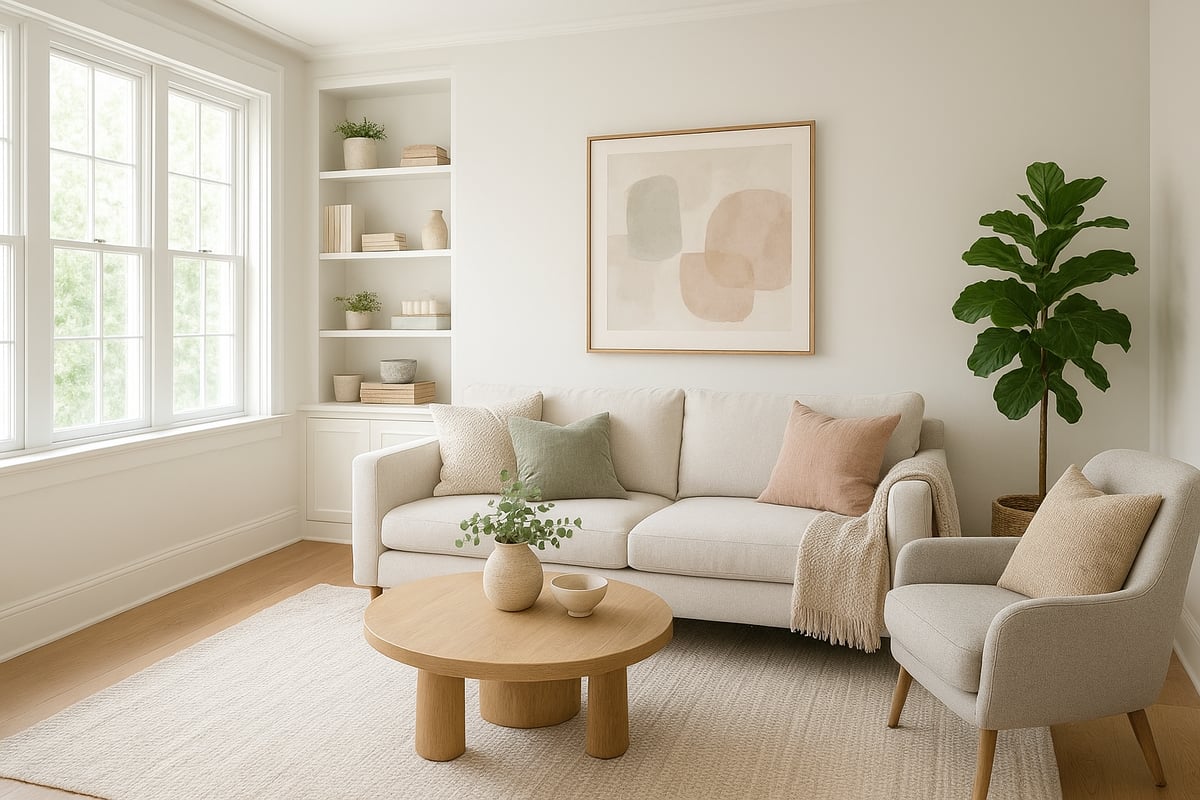
9 Brilliant Free Interior Designers Tips for Stunning Spaces
Unlocking the secrets of beautiful interiors does not have to cost a fortune. With the right approach, anyone can achieve expert-level results at home using strategies trusted by free interior designers. This section reveals nine actionable tips, each designed to transform your living spaces with zero cost and maximum impact.
If you are looking for even more professional guidance, check out these Free Interior Design Tips from Experts to complement the advice below.
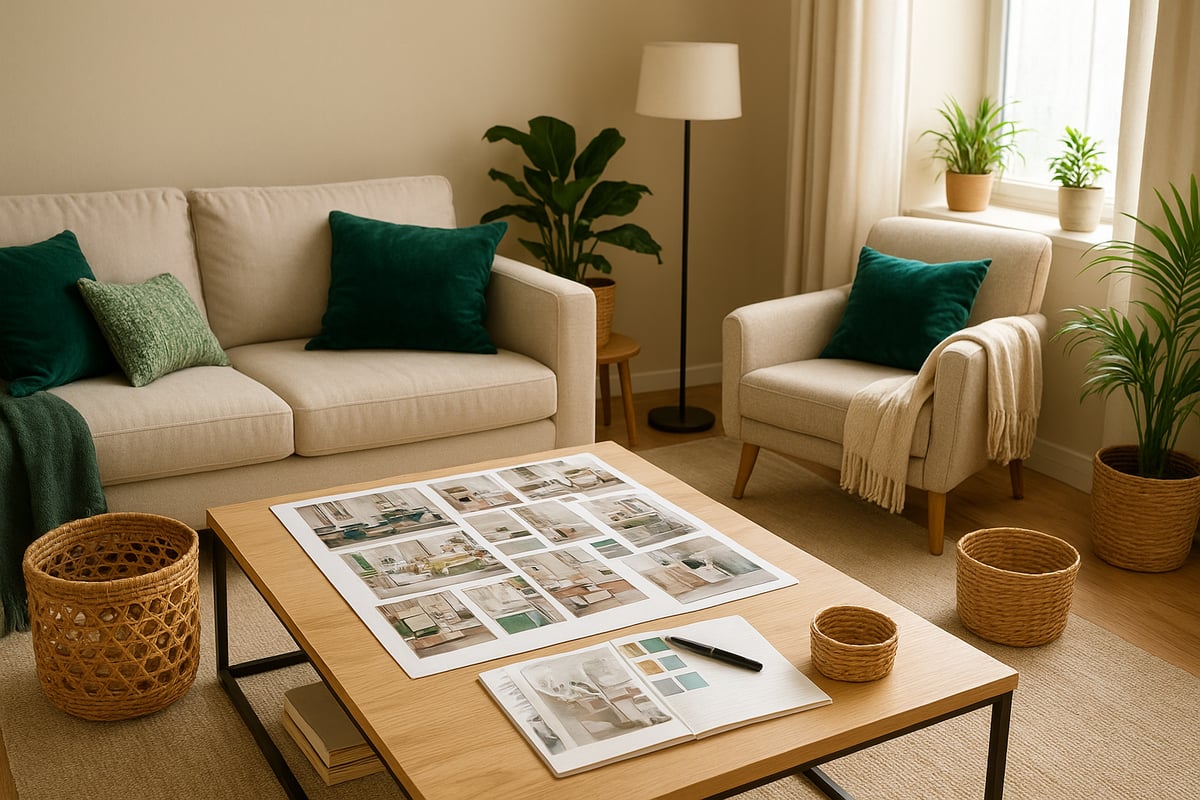
1. Tip: Start with a Clear Vision and Mood Board
Every successful space begins with a strong sense of purpose. Free interior designers always recommend defining a room’s function and the atmosphere you want to create before making any changes. This clarity prevents costly mistakes and ensures every design choice supports your goals.
A mood board is the cornerstone of this process. Gather magazine clippings, fabric swatches, paint samples, or use free online tools like Canva or Pinterest to collect inspiration. Arrange images and textures that speak to your style, focusing on color schemes, furniture silhouettes, and decorative accents. This visual guide helps you stay focused and communicate your vision clearly, even if you are working solo.
Professional designers rarely skip this planning phase. They know that a cohesive vision streamlines decision-making and boosts confidence. Update your mood board regularly as your tastes evolve or as seasons change. For best results, keep your board visible while shopping your own home for decor or rearranging furniture. This way, you always have a reference point, ensuring your design remains unified and intentional.
2. Tip: Master the Art of Decluttering and Smart Organization
A tidy room is the foundation of every beautiful interior. Free interior designers emphasize that clutter can overwhelm even the most thoughtfully decorated spaces. Start by sorting items into keep, donate, or discard piles. Be honest about what you use and love.
Next, maximize storage with baskets, shelves, and multi-functional furniture like ottomans with hidden compartments. Use vertical space to your advantage, especially in small apartments or studio settings. Designers frequently create “zones” for different activities, such as reading, working, or relaxing. This not only organizes your belongings but also clarifies how each area should function.
Studies show that cluttered environments increase stress and decrease productivity. By implementing these free strategies, you will notice a calmer, more efficient atmosphere. Remember, organization is not a one-time task. Schedule regular tidying sessions and adjust your systems as life changes. Free interior designers know that a well-organized home is always more inviting.
3. Tip: Use Natural Light and Layered Lighting Strategically
Lighting is one of the most powerful tools in a designer's toolkit. Free interior designers always prioritize maximizing natural light. Position mirrors opposite windows to reflect sunlight deeper into your space. Use sheer curtains to diffuse harsh rays without blocking brightness. Arrange seating, like reading nooks, near windows to make the most of daylight.
Layered lighting is key for a dynamic, functional room. Combine ambient lighting (overhead fixtures), task lighting (desk or reading lamps), and accent lighting (spotlights, LED strips) for depth and flexibility. Swapping bulbs for warmer or cooler tones can instantly change a room’s mood. For example, bright white bulbs energize kitchens, while soft amber tones relax bedrooms.
Well-lit spaces are perceived as larger and more welcoming. Free interior designers often recommend simple changes like repositioning lamps or upgrading shades to achieve dramatic results. Regularly assess your lighting as seasons and needs change.
4. Tip: Play with Color Psychology and Paint Techniques
Color influences both mood and spatial perception. Free interior designers understand that soothing blues and greens calm bedrooms, while energizing yellows or oranges enliven kitchens and living areas. Before painting, test your palette with free digital tools or swatches on the wall. This minimizes risk and helps you visualize the final result.
Experiment with accent walls, color blocking, or even painted ceilings for added dimension. Leftover paint can be used to refresh picture frames or create small art pieces, reinforcing your chosen scheme. Research shows certain colors can boost creativity or relaxation, so tailor your choices to each room’s purpose.
Remember, paint is one of the most affordable, high-impact changes you can make. Free interior designers suggest revisiting your color choices every few years to keep your home feeling current and inspiring.
5. Tip: Arrange Furniture for Flow and Functionality
A room’s layout directly affects its comfort and usability. Free interior designers recommend establishing clear pathways and focal points, such as a fireplace or a large window. Arrange furniture to encourage conversation and easy movement.
Avoid pushing all pieces against the walls. Floating furniture creates a sense of depth and sophistication, even in small spaces. Use painter’s tape or free digital planners to experiment with layouts before making heavy moves.
Functional arrangements can reduce daily frustration and even prevent accidents. According to studies, people feel more relaxed and satisfied in well-laid-out rooms. Free interior designers know that sometimes, simply rearranging existing pieces can deliver a dramatic transformation.
6. Tip: Incorporate Textures and Layers for Depth
Texture adds richness and dimension to any room. Free interior designers recommend mixing materials like wood, metal, glass, fabric, and leather for a balanced look. Simple additions such as plush throws, woven rugs, velvet cushions, or macramé wall hangings create visual interest without overwhelming the space.
Aim for three to four key textures per room to keep things cohesive. For example, pair a smooth leather sofa with a chunky knit blanket and a jute rug. This layering creates the kind of inviting, high-end atmosphere found in designer homes.
Studies confirm that layered interiors are perceived as more luxurious and comfortable. Free interior designers often rotate textiles seasonally to refresh the look and feel of a space without spending money.
7. Tip: Personalize with Art, DIY Decor, and Sentimental Pieces
A home should tell your story. Free interior designers advocate for displaying personal art, DIY projects, or meaningful keepsakes. Create a gallery wall with framed prints, postcards, or your own photography. Repurpose travel souvenirs or inherited treasures as focal points.
Rotate displays regularly to keep the space feeling fresh. Balance personal pieces with your overall design scheme to avoid visual clutter. Free interior designers often use sentimental items as conversation starters or to add warmth to modern spaces.
Research shows that personalized environments boost happiness and emotional well-being. Embracing your unique style ensures your home feels truly yours.
8. Tip: Bring Nature Indoors with Plants and Natural Elements
Biophilic design is more than a trend. Free interior designers know that adding greenery improves air quality, reduces stress, and makes spaces feel vibrant. Choose low-maintenance plants like pothos, snake plants, or succulents for various light levels.
Get creative with branches, stones, or dried flowers as decorative accents. DIY terrariums and window herb gardens are easy ways to bring life into your home. Even high-quality faux plants can add visual interest when real ones are not practical.
Studies indicate homes with plants are perceived as more welcoming. Free interior designers often combine greenery with natural materials like wood or stone for a balanced, organic feel.
9. Tip: Refresh with Rearrangement and Seasonal Updates
Prevent design fatigue by regularly refreshing your space. Free interior designers suggest swapping out textiles, artwork, and accessories based on the season. Rearranging furniture or repurposing decor items can provide a whole new look at no cost.
Try rotating cushion covers, updating table centerpieces, or changing out throws for a quick update. Plan a “mini makeover” every few months to maintain excitement and creativity in your home.
Research shows that seasonal changes in decor increase overall satisfaction and inspiration. Free interior designers emphasize that ongoing updates keep your space feeling dynamic and welcoming.
Maximizing Impact: Combining Multiple Tips for Cohesive Results
Achieving a truly stunning space is not about following a single rule. The real power of free interior designers comes from blending their best tips for a cohesive, harmonious result. When you thoughtfully combine these strategies, the transformation goes beyond surface-level changes and creates lasting impact.
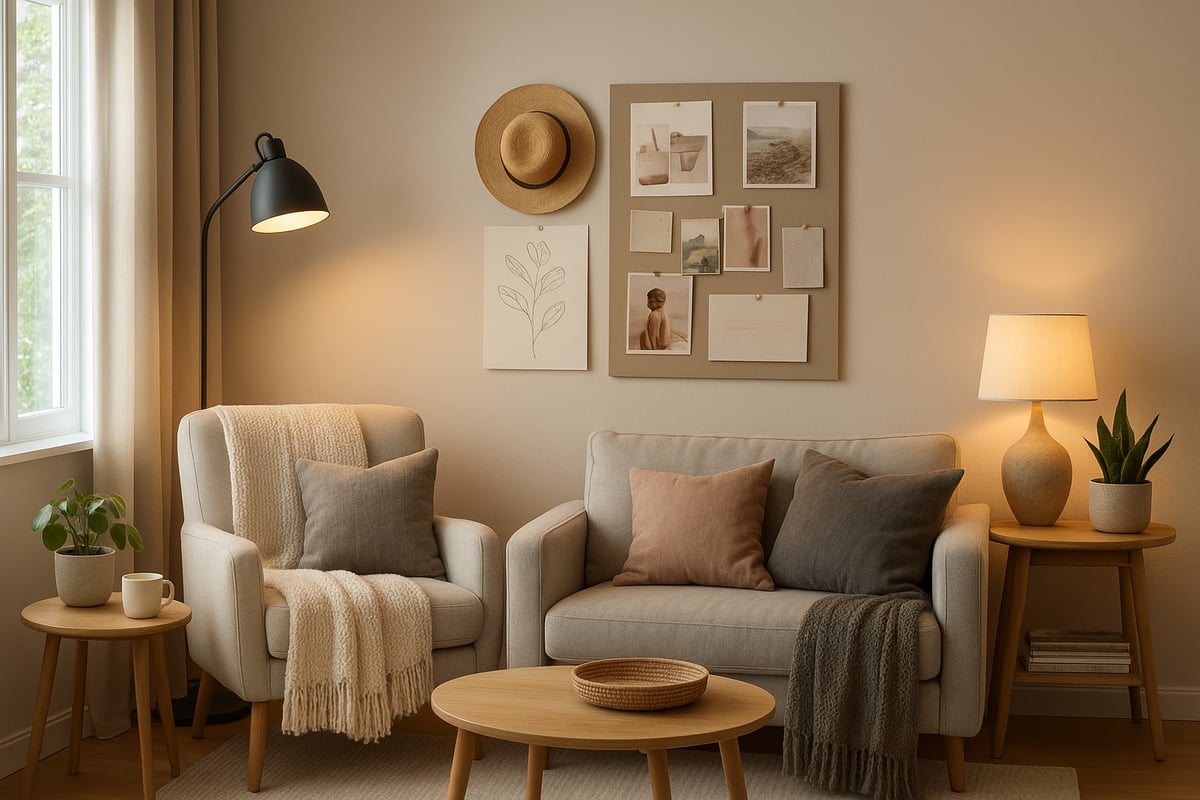
Layering Tips for Maximum Impact
The most successful transformations happen when various elements work together. Start by clarifying your vision with a mood board, then address organization, lighting, and color in tandem. This layering approach is favored by free interior designers because it creates depth and ensures each aspect complements the others.
For example, decluttering before rearranging furniture helps you see the space’s true potential. Adding plants and personal touches after establishing a strong layout enhances both comfort and style. According to research, homes that integrate multiple design principles often see a significant boost in owner satisfaction and perceived value.
Sequencing and Adapting Changes
Sequencing your updates is crucial for efficiency and impact. Free interior designers recommend tackling foundational changes first, such as defining zones and optimizing lighting. Next, move to visual enhancements like color, art, and texture.
Adapting as you go is equally important. Regularly assess your space, update your mood board, and adjust arrangements as your needs evolve. For those seeking a structured approach, a step-by-step interior design guide can help coordinate these efforts and maintain consistency.
Real-Life Examples and Practical Advice
Consider a living room that feels cramped and uninspired. By applying several free interior designers tips—decluttering, introducing layered lighting, and rearranging furniture for better flow—the same space can become open, welcoming, and functional. Add art and greenery, and the transformation is even more pronounced.
To see expert advice in action, explore living room design expert tips that showcase how blending small, cost-free strategies can yield professional results. Remember to document your progress with photos. Seeing before-and-after images helps you appreciate your achievements and inspires future updates.
Experimentation is key. Trust your instincts, continue refining your approach, and enjoy the process. With the guidance of free interior designers and a willingness to combine their best tips, you can create a space that’s both beautiful and uniquely yours.
Advanced Resources: Learning More About Interior Design for Free
Unlocking the secrets of interior design no longer requires a hefty budget. Today, anyone can access a wealth of knowledge and tools from the comfort of home. The internet is filled with resources that allow you to learn directly from free interior designers and passionate communities.
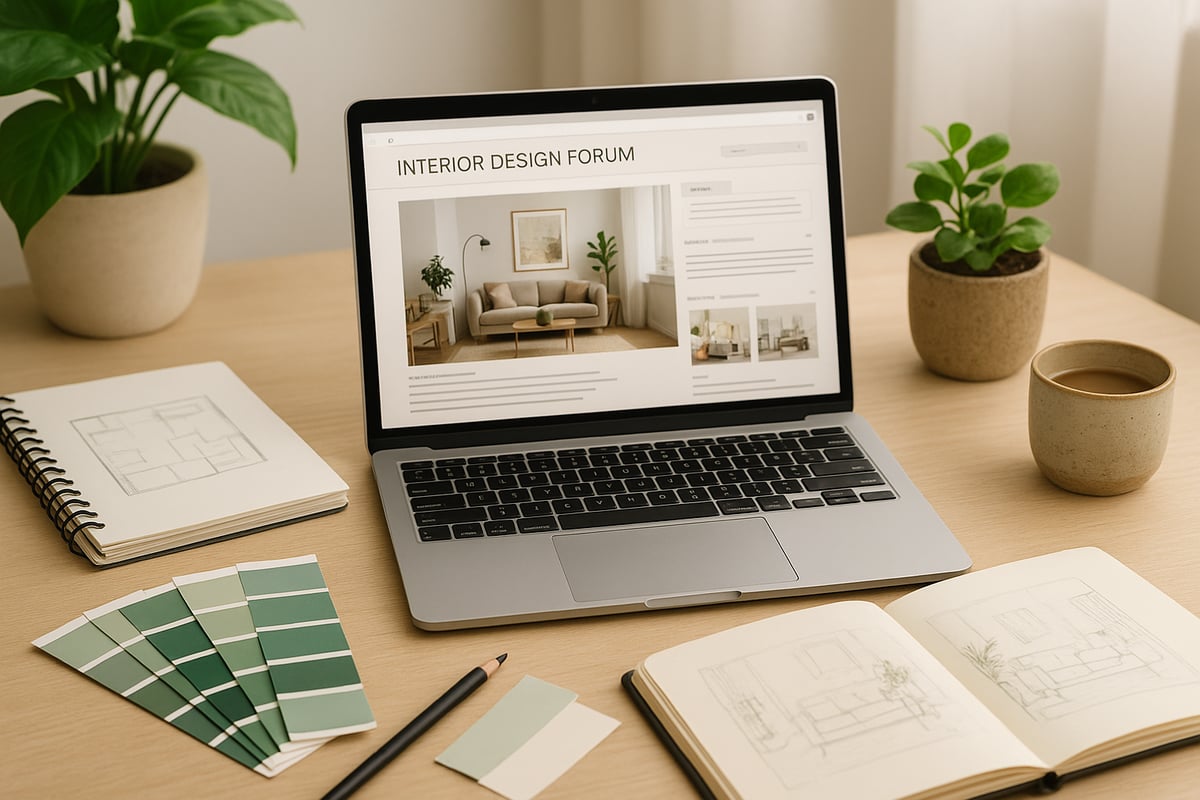
Explore Free Learning Platforms and Blogs
Several educational websites and blogs offer in depth guidance straight from free interior designers. Online platforms like YouTube and design focused websites share step by step tutorials, inspiration galleries, and expert tips. For a structured approach, you can find Free Interior Design Video Tutorials that cover everything from color theory to space planning.
Many of these resources include project walkthroughs, downloadable guides, and even real time Q&A sessions. By following trusted blogs and professionals, you gain insight into the latest trends and timeless principles.
Join Virtual Communities and Use Design Tools
Connecting with others is a powerful way to expand your skills. Online forums, Facebook groups, and design communities provide a space to share ideas, ask questions, and receive feedback from free interior designers and fellow enthusiasts.
Take advantage of free apps and software for room planning and mood boards. These tools let you visualize layouts, test color schemes, and experiment with furniture placement before making changes at home. Public design libraries and open source resources are also available for deeper research.
Social media platforms like Instagram and Pinterest are treasure troves for trend spotting and creative challenges. Participate in design prompts or virtual workshops to practice new skills without any cost.
Keep Growing Your Design Knowledge
Learning about interior design is an ongoing journey. The more you interact with free interior designers and their communities, the more confident and creative you will become. Document your progress, experiment with new ideas, and do not hesitate to seek feedback.
By embracing these accessible resources, you can transform your living space and develop a keen design eye, all without spending a dime.
Now that you’ve explored these expert-backed tips for transforming your home, why not take your passion for beautiful spaces a step further? You already know how powerful a clear vision and thoughtful planning can be—imagine what you could achieve with practical, professional guidance tailored to real-world interiors. If you’re ready to build your confidence and skills, I recommend you Get started with Interior Design. This resource will help you turn inspiration into action, making every room not only stunning but uniquely yours. Let’s continue your design journey together!

Share:
9 Essential Interior Design Sofa Tips for Stunning Spaces 2026
Interior Design New Build Guide: Expert Insights for 2026