




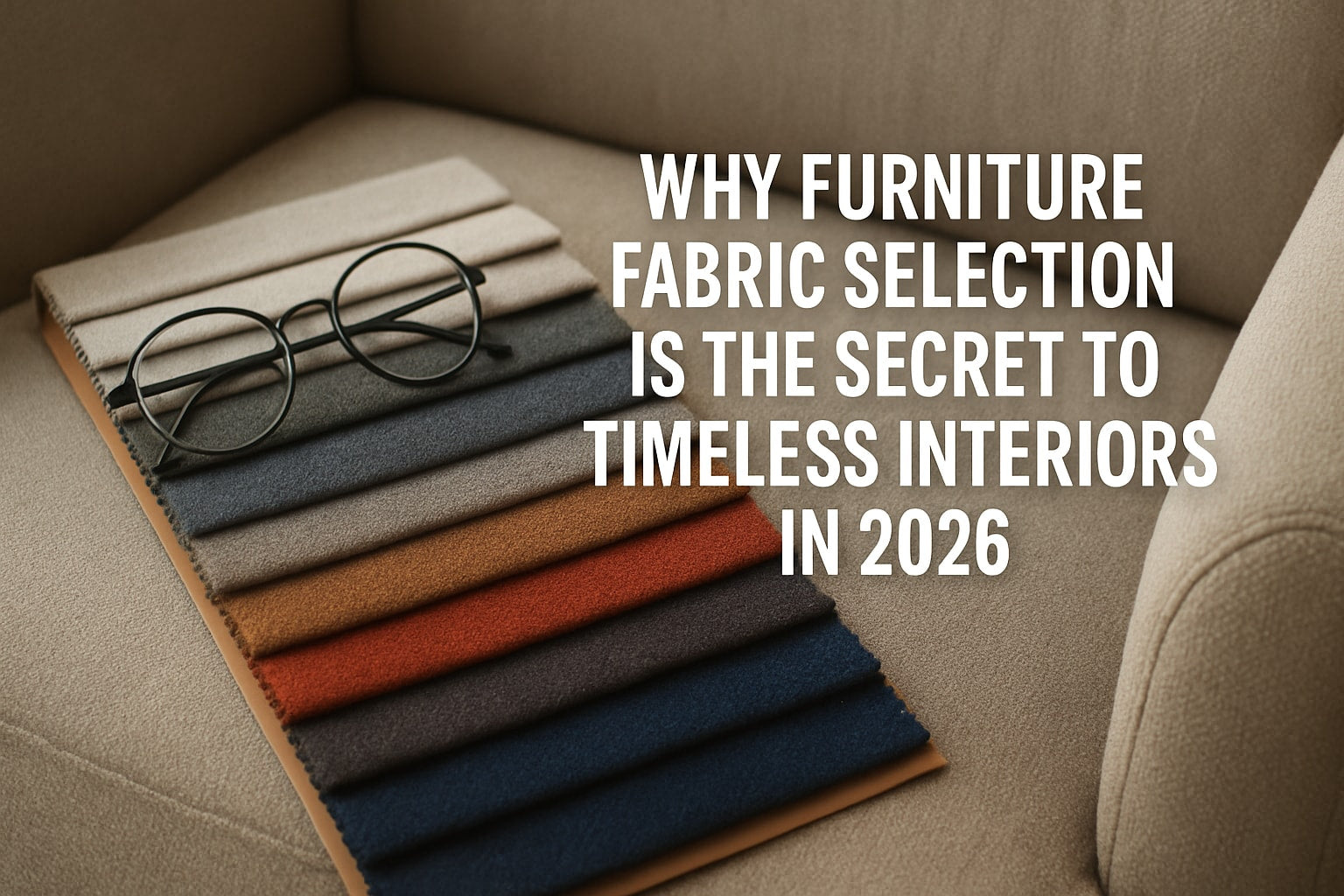
Choosing the right furniture fabric is the secret behind every timeless interior in 2026. With endless options available, making an informed decision can feel overwhelming.
This expert guide gives you the confidence to select materials that balance beauty, durability, and sustainability for any space.
Inside, you’ll discover the impact of fabric choices, the latest trends, and industry advancements. Ready to create interiors that last? We’ll walk you through fabric types, selection criteria, trend forecasts, care tips, and expert recommendations—step by step.
Understanding Furniture Fabric Types
Selecting the right furniture fabric is more than a matter of taste. The type of material you choose impacts comfort, durability, and the look of your entire space. With so many options available, understanding the different categories of furniture fabric is essential for making informed decisions that align with your lifestyle and design goals.
Natural Fibers
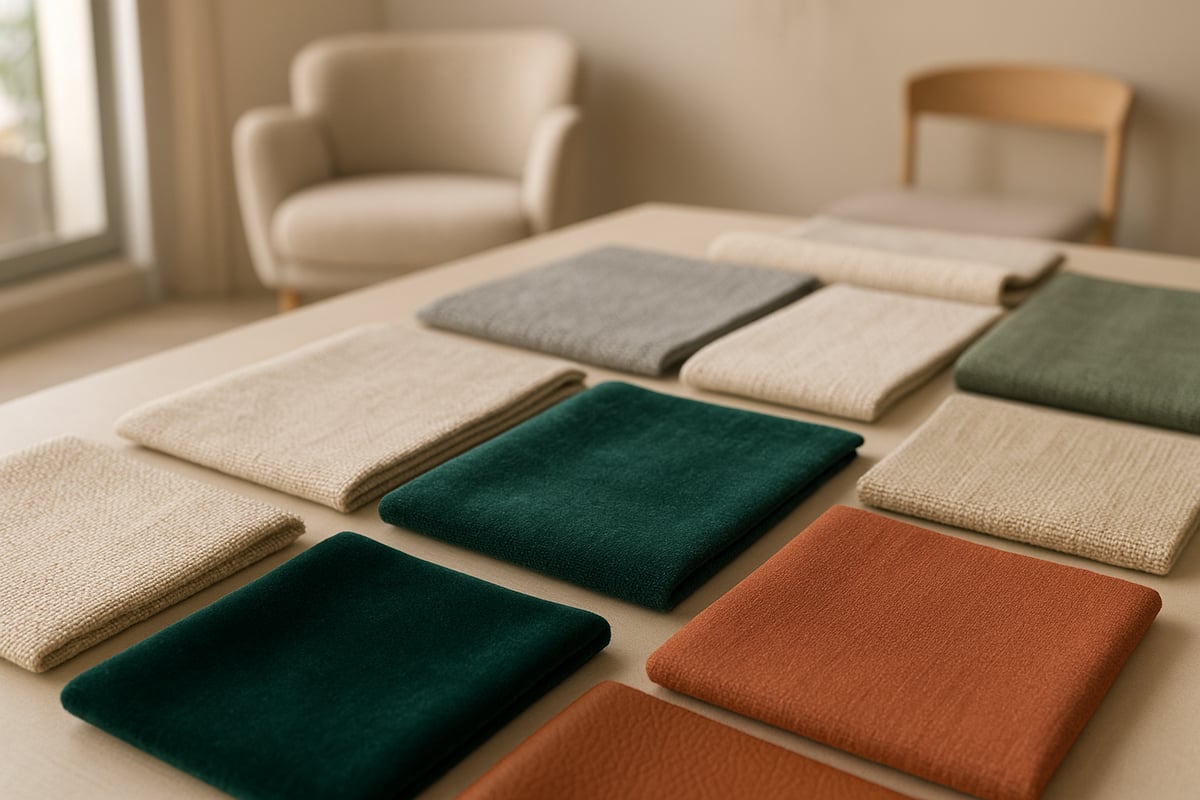
Natural fibers are classic choices for furniture fabric, prized for their breathability and comfort. Cotton is soft, versatile, and remains the top upholstery pick in 2025 according to Furniture Today. Linen offers an airy, modern vibe and keeps living rooms feeling fresh and cool. Wool is warm and resilient, while silk brings a touch of luxury, though it requires gentle care. Leather, another natural option, is durable and develops character over time.
However, natural furniture fabric can be more prone to staining and may require regular upkeep. Linen, for example, wrinkles easily but makes a stunning statement on contemporary sofas. When weighing comfort and eco-friendliness against maintenance needs, natural fibers offer a timeless appeal.
Synthetic & Blended Fabrics
Synthetic and blended fabrics have revolutionized the furniture fabric landscape. Materials like polyester, acrylic, nylon, and microfiber are valued for their stain resistance, affordability, and colorfast qualities. Blends combine the strengths of both natural and synthetic fibers, offering enhanced durability and diverse textures.
Microfiber recliners are especially popular in family homes due to their easy cleaning and resistance to spills. In fact, Statista reported that 60% of new furniture features synthetic blends as of 2024. For those seeking more in-depth advice on selecting the right upholstery, the Upholstery fabric selection guide provides practical tips for navigating these choices.
Performance Fabrics
Performance fabrics are engineered specifically for longevity and resilience. These furniture fabric options are designed to withstand heavy use, resist stains, and clean easily, making them ideal for busy households and pet owners. Leading brands like Crypton and Sunbrella offer textiles with certifications such as OEKO-TEX, ensuring both safety and quality.
Performance velvet, for example, delivers plush comfort while standing up to daily wear in pet-friendly homes. Many performance fabrics feature moisture-wicking and antimicrobial properties, providing peace of mind for families who want both style and practicality.
Specialty & Eco-Friendly Fabrics
The demand for specialty and eco-friendly furniture fabric has grown rapidly, with a 35% increase noted by Green Home Journal in 2025. Options like organic cotton, recycled polyester, bamboo, and vegan leather cater to environmentally conscious consumers. These fabrics often carry sustainability certifications, such as GOTS or Greenguard, verifying their reduced environmental impact.
A standout example is upholstery made from recycled PET bottles, which combines responsible sourcing with contemporary style. Choosing eco-conscious furniture fabric not only supports the planet but also brings innovative textures and colors into your home.
Fabric Construction & Texture
The construction and texture of furniture fabric play a critical role in both comfort and aesthetics. Weave types such as plain, twill, jacquard, velvet, and chenille determine the fabric's look, feel, and performance. For instance, plain weaves are smooth and durable, while jacquard patterns create intricate, eye-catching designs perfect for statement chairs.
Texture can influence how inviting a piece feels and how well it complements your interior design. A plush chenille sofa adds coziness, whereas a sleek velvet ottoman introduces a touch of luxury. By exploring different fabric constructions, you can match the tactile experience to your personal style.
Key Criteria for Selecting Furniture Fabric
Every great interior begins with the right furniture fabric. Choosing the ideal material is about more than just visual appeal. It affects comfort, longevity, and the overall vibe of your space. To help you make an informed decision, consider these six key criteria.
Durability & Usage
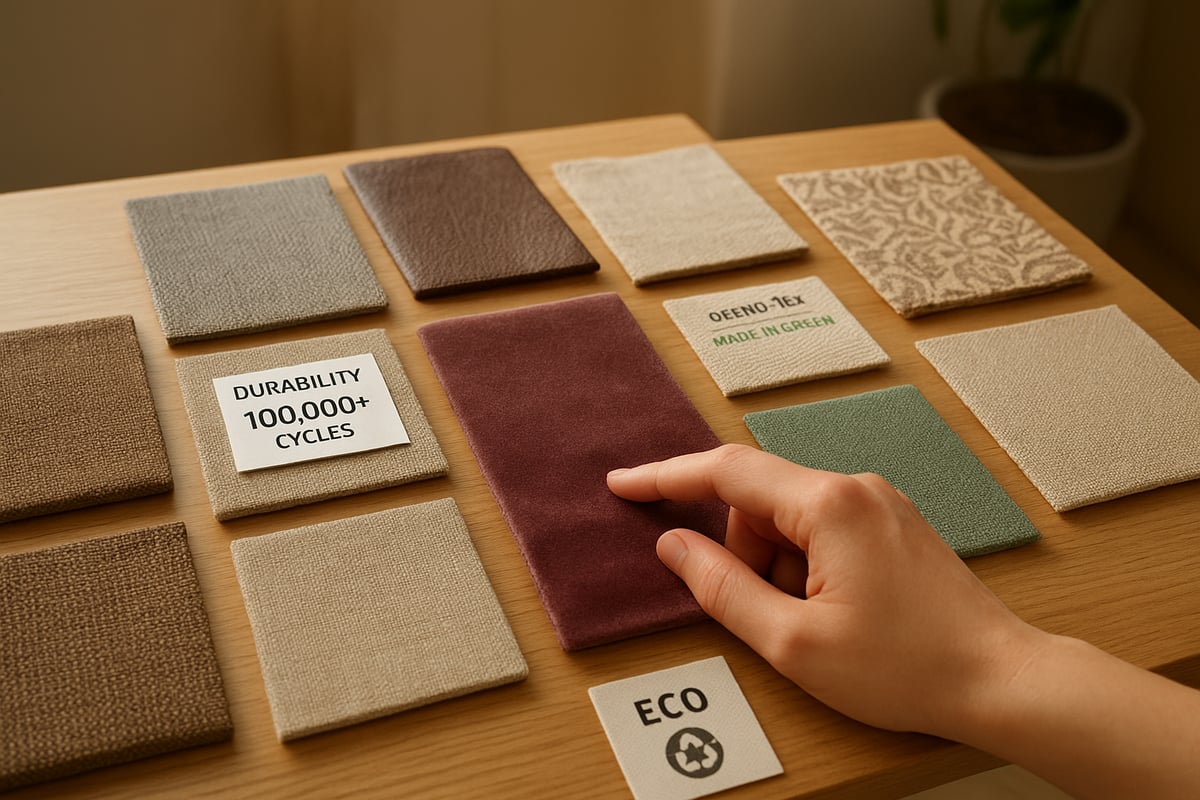
Durability is the foundation of any successful furniture fabric choice. Start by checking the fabric’s rub count, measured by the Martindale or Wyzenbeek tests. High rub counts indicate stronger resistance to wear, essential for sofas and chairs used daily. For high-traffic zones, look for heavy-duty fabrics like canvas or tightly woven synthetics.
If your furniture fabric will see only occasional use, consider lighter options such as silk or linen. Always match the fabric’s strength to your lifestyle needs. For example, a family room sofa benefits from a robust canvas, while a guest room bench can showcase delicate textiles.
Color & Pattern Considerations
Color and pattern play a major role in setting the mood of your space. When selecting furniture fabric, think about how color psychology will influence the room. Cool hues create calm, while vibrant shades energize. Consider pattern size and scale to maintain balance; large patterns suit big pieces, while small prints fit accent chairs.
Be mindful of colorfastness, as some fabrics fade under sunlight. Neutrals and earth tones often have better resale value and longevity. If you want to experiment, opt for trendy patterns in small doses, like throw pillows, to keep your look timeless.
Comfort & Feel
The tactile experience of your furniture fabric is crucial for everyday enjoyment. Softness, warmth, and breathability are key factors. Materials like velvet or chenille offer plush comfort, ideal for cozy reading nooks. Linen and cotton provide a cool, airy feel, perfect for summer months.
If allergies are a concern, choose hypoallergenic options or fabrics that resist dust mites. Test swatches in person to assess the hand-feel and ensure it matches your comfort expectations. A well-chosen fabric transforms a basic chair into a favorite relaxation spot.
Maintenance & Cleaning
Maintenance requirements can make or break your furniture fabric experience. Some materials, like microfiber or treated synthetics, are easy to spot clean and resist stains. Others, such as silk or wool, may need professional care. Look for fabrics with removable slipcovers for ultimate convenience.
Check for stain-resistant treatments if you have children or pets. Regular vacuuming and prompt attention to spills extend the life of your fabric. For more in-depth advice, review Furniture care and cleaning tips to keep your pieces looking their best.
Budget & Value
Your budget plays a significant role in selecting the right furniture fabric. Prices vary widely based on type, brand, and special features. Genuine leather and designer textiles command higher prices, while faux leather or polyester blends offer a cost-effective alternative.
Evaluate the balance between upfront cost and long-term value. Sometimes, investing in a slightly pricier but more durable fabric saves money over time. For budget-conscious buyers, faux leather provides the look and feel of real leather at a fraction of the cost.
Sustainability & Certifications
Sustainability is increasingly important in furniture fabric selection. Seek out fabrics with certifications like GOTS, OEKO-TEX, or Greenguard, which ensure lower environmental impact and safer production. Materials such as organic cotton, recycled polyester, or bamboo are excellent green choices.
Assess the supply chain and sourcing practices when possible. For a comprehensive overview of eco-friendly options, explore the Sustainable furniture materials overview. Choosing certified sustainable fabrics supports both your health and the planet.
Step-by-Step Guide: How to Choose the Right Fabric for Your Furniture
Choosing the right furniture fabric transforms a room from ordinary to extraordinary. This step-by-step guide walks you through the entire process, ensuring your selection is beautiful, functional, and future-proof. Whether you are updating a favorite chair or furnishing a new home, these expert steps make your decision effortless and enjoyable.
Step 1: Define Your Needs and Lifestyle
Begin by evaluating your household and daily routines. Do you have children, pets, or frequent guests? Is anyone sensitive to allergens? These factors directly impact the type of furniture fabric best suited for your space.
For example, an active family with young kids and pets will benefit from durable, stain-resistant performance fabrics. In contrast, a formal living room used occasionally may allow for more delicate textiles. Consider how the furniture fabric will interact with your lifestyle, balancing comfort and practicality.
Step 2: Measure and Analyze Your Space
Assess your room’s light, color palette, and existing décor. Natural and artificial lighting can dramatically affect how a furniture fabric appears throughout the day.
For instance, dark fabrics may fade in sun-drenched rooms, while lighter tones can brighten dim spaces. Analyze traffic flow and the placement of your furniture to avoid rapid wear. Always visualize how the chosen furniture fabric will harmonize with wall colors, flooring, and other finishes.
Step 3: Shortlist Suitable Fabric Types
Narrow your options by matching fabric properties to your needs. Consider durability, feel, style, maintenance level, and budget. Blended fabrics often provide a balance of comfort, longevity, and easy care.
Stay informed about the latest innovations by exploring resources like the 2026 Fabric Trends Overview, which highlights emerging patterns, textures, and sustainable materials. This ensures your furniture fabric selection is both timeless and on trend.
Step 4: Request and Test Fabric Swatches
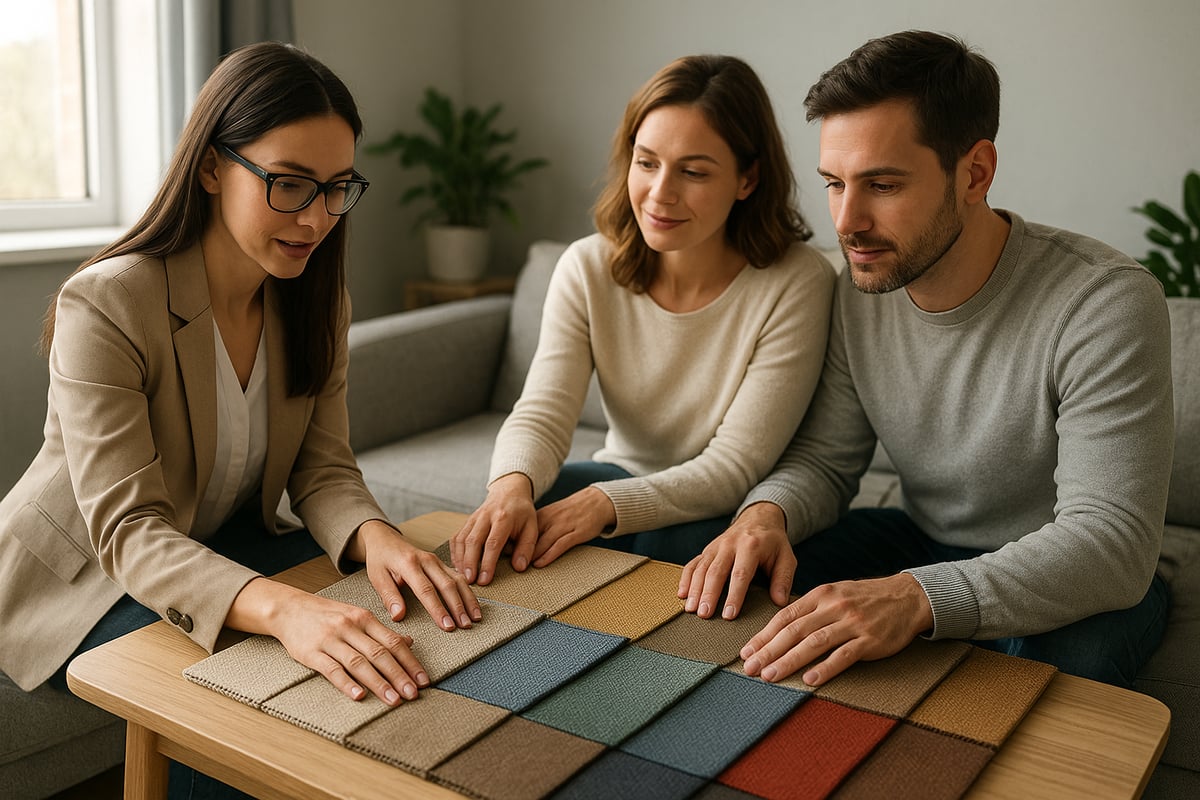
Never commit to a furniture fabric without seeing and feeling it in your own environment. Order swatches and observe them under various lighting conditions throughout the day.
Test for texture, comfort, and color accuracy. Rubbing the swatch gently can help identify potential pilling or shedding issues. Lay the swatch on your furniture to visualize the final look, ensuring the fabric works seamlessly with other elements in your space.
Step 5: Check Fabric Specifications and Labels
Review technical details before making a final decision. Key specifications include rub count (Martindale or Wyzenbeek tests), fiber content, and care instructions. Look for certification marks that confirm safety and sustainability.
| Label | Meaning | Importance |
|---|---|---|
| OEKO-TEX | Tested for harmful substances | Health and safety |
| GOTS | Organic textile certification | Environmental responsibility |
| Rub Count | Durability measure | Suitability for usage |
Understanding these labels helps you choose a furniture fabric that meets your performance and ethical standards.
Step 6: Consult with Design Professionals
If you are unsure or seeking a unique vision, consult with an interior designer or upholstery expert. Professionals have access to exclusive furniture fabric sources, custom solutions, and in-depth material knowledge.
A designer can recommend fabrics tailored to heirloom pieces, coordinate colors, and ensure your investment stands the test of time. Their guidance can prevent costly mistakes and create a cohesive, elegant result.
Step 7: Make Your Final Selection and Purchase
Once you have compared options, review supplier warranties and after-care services. It is wise to order extra furniture fabric for future repairs or color matching.
Keep a fabric swatch for reference during cleaning or redecorating. Confirm delivery timelines and installation support to ensure a smooth transition from selection to enjoyment. With thoughtful planning, your chosen furniture fabric will deliver comfort and style for years to come.
2026 Trends and Innovations in Furniture Fabrics
The world of furniture fabric is evolving rapidly, with 2026 set to introduce exciting materials, technologies, and design directions. Staying ahead of these shifts ensures your interiors remain both timeless and future-ready. Below, discover the five most influential trends shaping the future of furniture fabric.
Smart and Functional Fabrics
In 2026, smart furniture fabric will be a staple in every well-designed home. These advanced textiles feature built-in stain and water resistance, as well as odor-blocking technology. Antimicrobial and allergen-reducing properties are now common, making furniture fabric choices safer for families and allergy sufferers.
- Nano-coated fibers repel liquids and dirt.
- Microencapsulated finishes neutralize odors.
- Antimicrobial treatments help prevent bacteria buildup.
For example, a nano-treated recliner resists spills and odors, ensuring longevity and easy cleaning. With the right furniture fabric, your home can be both chic and effortlessly functional.
Sustainable and Circular Materials
Sustainability remains at the forefront of furniture fabric innovation. In 2026, designers are embracing recycled, upcycled, and biodegradable textiles. Closed-loop manufacturing processes reduce waste and energy consumption, making furniture fabric choices more eco-conscious than ever.
- Recycled polyester from ocean plastics
- Plant-based fibers like bamboo and hemp
- Biodegradable upholstery options
Picture a sofa upholstered in fabric woven from recycled PET bottles, combining sustainability with durability. Choosing sustainable furniture fabric supports a healthier planet and a stylish home.
Bold Colors, Patterns, and Textures
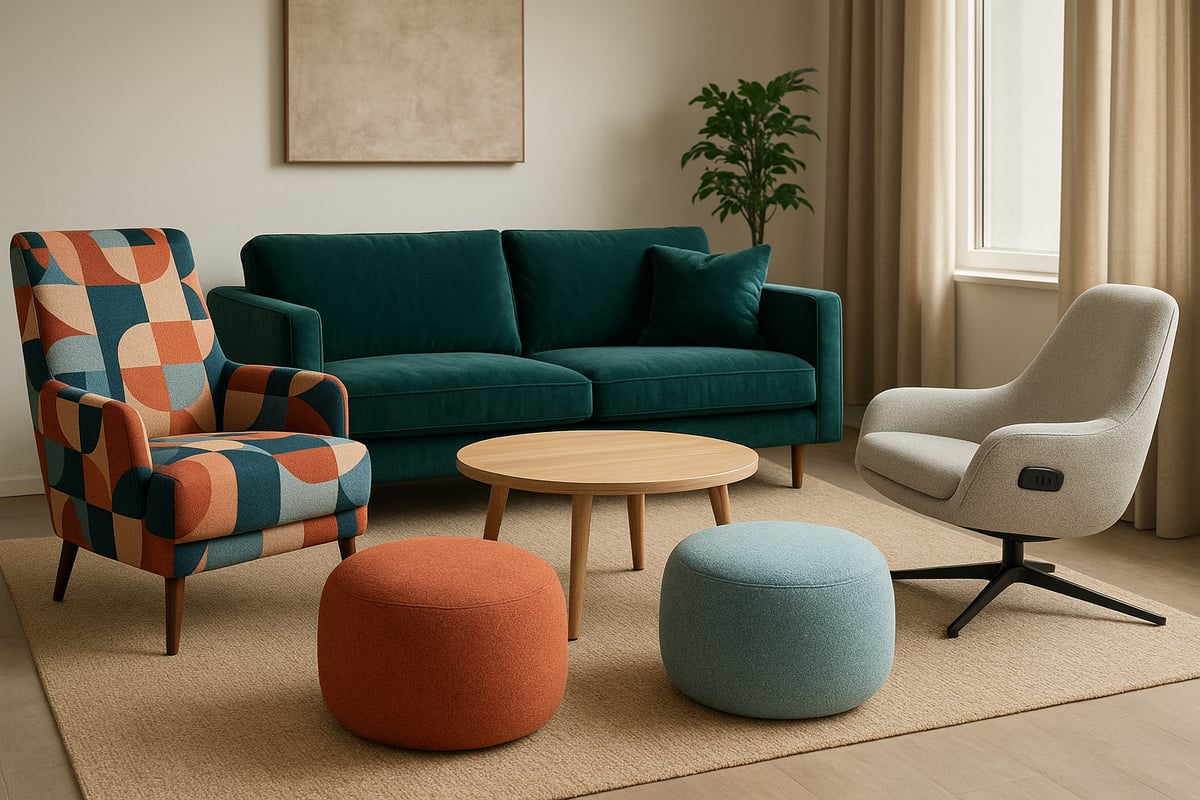
Vivid color palettes and expressive patterns are defining furniture fabric in 2026. Expect to see jewel tones, earthy hues, and pastels dominating the scene. Statement-making geometrics, botanicals, and abstract prints bring personality to any space.
- Velvet in emerald, terracotta, or blush
- Oversized florals and graphic motifs
- Layered textures for depth and interest
For more inspiration on trending hues and designs, see 2026 Sofa Color and Fabric Trends. With the right furniture fabric, you can transform a simple room into a showpiece.
Tech-Integrated Fabrics
Tech integration is revolutionizing furniture fabric, making it smarter and more interactive. In 2026, expect to encounter textiles embedded with sensors, heating elements, or even ambient lighting. These innovations blend seamlessly into modern living environments.
- Touch-activated controls for lighting or audio
- Temperature-regulating fibers
- Wireless charging pads hidden in fabric surfaces
Imagine a lounge chair with fabric that adjusts temperature or activates gentle lighting with a tap. Tech-integrated furniture fabric offers comfort and convenience tailored to contemporary lifestyles.
Customization and Personalization
Personal expression is a key trend in 2026 furniture fabric. On-demand digital printing and bespoke patterns allow homeowners to create one-of-a-kind pieces. Consumer-driven platforms make it easy to design, preview, and order unique fabrics for any furniture style.
- Custom-printed patterns for accent chairs
- Mix-and-match textures for sectional sofas
- Personalized monograms or motifs
With customizable furniture fabric, your interiors reflect your personality and vision. This trend empowers creativity and ensures every piece feels truly yours.
Expert Tips for Maintaining and Caring for Furniture Fabrics
Proper care is essential to extend the life and appearance of your furniture fabric. Following expert guidance helps protect your investment and ensures your upholstery looks fresh for years to come.
Cleaning Best Practices
Regular cleaning is the foundation of maintaining furniture fabric. Always vacuum upholstery weekly using a soft brush attachment to remove dust and crumbs. For spot cleaning, identify the fabric type and follow the manufacturer’s instructions to avoid damage.
Use enzyme-based cleaners for organic stains, especially in homes with pets or children. For delicate fabrics, blot spills gently with a clean, dry cloth rather than rubbing. Professional cleaning is recommended at least annually for deep-set dirt or persistent stains.
Keep a small kit of fabric-friendly cleaners and a handheld vacuum nearby. This routine helps prevent buildup and extends the vibrancy of your chosen furniture fabric.
Preventing Wear and Damage
Proactive steps reduce everyday wear on furniture fabric. Rotate and flip cushions every few weeks to ensure even use and prevent sagging. Keep furniture out of direct sunlight to minimize fading and preserve color intensity.
Apply a protective spray designed for your specific fabric type. This adds a barrier against spills and makes cleaning easier. Use arm covers or throws on high-contact areas for added protection.
Address snags or spills immediately to prevent permanent damage. These habits can greatly extend the life of your furniture fabric and keep it looking its best.
Repair and Restoration
When furniture fabric shows signs of wear, consider repair before replacement. Small tears or holes can be patched with matching fabric or a discreet iron-on patch. For more extensive issues, consult a professional upholsterer who can restore your piece to its former glory.
DIY repair kits are available for minor touch-ups, including color restoration for faded spots. Reupholstering vintage chairs is often cost-effective and allows you to update the style without discarding quality furniture.
Deciding between repair and replacement depends on the fabric’s condition and overall value. Regular maintenance makes restoration of furniture fabric more successful and affordable.
Seasonal and Long-Term Care
Caring for furniture fabric also means planning for seasonal changes. Store removable cushions and outdoor fabrics in a dry, cool place during winter months to prevent mildew. Use dehumidifiers in humid climates to protect against mold growth.
Clean and air out cushions before storing. Monitor indoor humidity and avoid placing furniture near heating vents, which can dry out certain materials. During allergy season, consider vacuuming more frequently to reduce dust and pollen buildup in furniture fabric.
With these seasonal strategies, your furniture remains comfortable and attractive all year.
Frequently Asked Questions About Furniture Fabric Selection
Selecting the right furniture fabric can be overwhelming, especially with so many choices available in 2026. Below, we answer the most common questions to help you make informed, confident decisions for your home.
What is the most durable fabric for sofas in 2026?
The most durable furniture fabric options for sofas are performance fabrics and tightly woven synthetic blends. Look for fabrics with a high rub count, such as heavy-duty polyester or solution-dyed acrylic. These are engineered to resist stains, fading, and wear, making them ideal for busy households.
Are eco-friendly fabrics as long-lasting as synthetics?
Advancements in eco-friendly furniture fabric technology have closed the gap in durability. Certified organic cotton, recycled polyester, and vegan leather now offer comparable longevity to many synthetics. Prioritize fabrics with recognized certifications and robust construction for the best combination of sustainability and endurance.
How do I choose a fabric color that won’t go out of style?
To choose a timeless furniture fabric color, opt for versatile neutrals or classic tones. These hues complement changing décor trends and tend to retain resale value. For insights into color preferences and which shades are trending, see the 2026 Interior Design Trends Survey.
Can I reupholster old furniture with modern fabrics?
Absolutely. Reupholstering allows you to update vintage or heirloom furniture with contemporary fabrics. Ensure the piece’s frame is in good condition and select a fabric that meets current durability, style, and care needs. Professional upholsterers can help you achieve a seamless transformation.
What certifications should I look for in safe upholstery?
Look for labels such as OEKO-TEX, GOTS, and Greenguard when choosing furniture fabric. These certifications indicate reduced use of harmful chemicals and environmentally responsible production. Always check the tag or product description for these marks to ensure your upholstery meets safety and sustainability standards.
How do I care for delicate fabrics like silk or velvet?
Delicate furniture fabric types require gentle handling. Vacuum regularly using a soft brush attachment and address spills immediately with a clean, damp cloth. For deep cleaning, consult a professional upholstery service familiar with your specific fabric to avoid damage or color loss.
Are performance fabrics worth the investment for families?
Yes, performance furniture fabric is highly recommended for active families. These fabrics resist stains, moisture, and daily wear, making maintenance simple. Although the upfront cost may be higher, their longevity and easy care can save money and effort in the long run.
As you’ve seen in this guide, choosing the right fabric is the foundation for timeless, comfortable, and functional interiors—whether you’re drawn to sustainable choices, high-performance materials, or classic textures. If you’re ready to put these insights into action and transform your own furniture, why not take the next step and build your upholstery skills from the ground up? You’ll gain hands-on knowledge and confidence to select and apply fabrics with expert precision. Start your journey and bring your creative vision to life by exploring this comprehensive resource:
Get started with furniture upholstering



Share:
Upholstery Guide 2026: Transform Your Space with Style
Upholstery Leather Guide: Expert Insights for 2026