




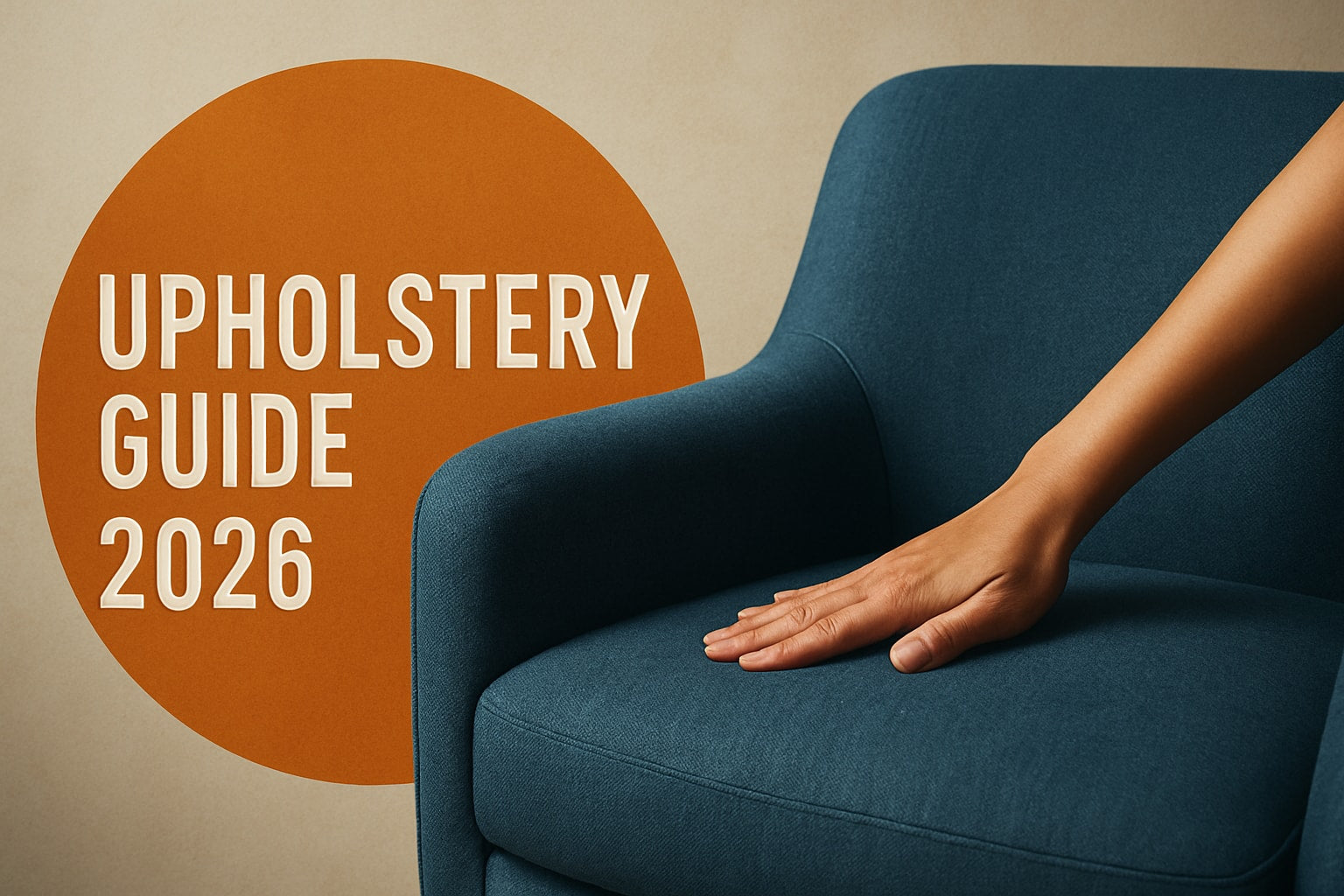
A well-chosen fabric or expertly tailored seat can completely transform the mood and comfort of any room, making interiors in 2026 more inviting than ever.
Designers are embracing new materials, bold patterns, and advanced techniques, setting fresh standards for what upholstery can achieve in modern homes.
Thoughtful upholstery decisions allow you to blend style, comfort, and personality, ensuring your space feels both current and uniquely yours.
This guide will walk you through every stage of the process, from understanding upholstery foundations to exploring trends, selecting materials, step-by-step project insights, and top care strategies for lasting results.
Understanding Upholstery: Foundations for Style
Upholstery is a cornerstone of interior design, shaping both comfort and visual appeal in any room. By mastering the basics of upholstery, you lay the groundwork for transforming spaces in ways that reflect both personal taste and the latest trends. Let’s explore how this craft forms the foundation of style for 2026 and beyond.

What Is Upholstery? The Essentials
Upholstery refers to the process of covering furniture with padding, springs, webbing, and fabric. The core components include the frame, which provides structure, followed by layers of padding and springs for comfort, and finally the outer fabric that defines the look.
Historically, upholstery dates back centuries, evolving from ornate, hand-tufted seats in royal courts to the streamlined silhouettes seen in today’s interiors. Over time, it has transitioned from a purely functional element to a major style statement.
Modern upholstery is crucial for both aesthetics and comfort. The right upholstery can transform an ordinary chair or sofa into a focal point, while also providing ergonomic support. Increasingly, sustainable practices are influencing upholstery choices, with eco-friendly materials and methods gaining traction among designers.
Classic upholstery styles often focus on intricate detailing and plush fabrics, while contemporary approaches embrace minimalism and innovative materials. This blend of old and new ensures upholstery remains relevant in every era.
Types of Upholstered Furniture
Upholstered pieces come in many forms, each with unique considerations. Sofas, armchairs, ottomans, dining chairs, headboards, and benches all benefit from tailored upholstery solutions. For example, a lounge chair might require extra lumbar support, while a dining chair emphasizes easy maintenance.
When choosing upholstery, think about fixed versus loose covers. Fixed upholstery offers a sleek, custom look, but can be harder to clean. Loose upholstery is more practical for households needing frequent washing or updates.
In 2026, popular shapes include curved sofas, sculptural armchairs, and modular ottomans. Dining chairs, in particular, are seeing bold fabric choices and ergonomic forms. For inspiration on combining style and function, explore various Dining Chair Upholstery Options to see how fabric, padding, and silhouette create standout pieces.
Each furniture type presents its own set of pros and cons, so it’s essential to consider how upholstery will perform in daily use and how it fits into your overall design scheme.
The Impact of Upholstery on Space
Upholstery has a profound influence on a room’s color palette, texture, and overall atmosphere. The choice of fabric can introduce warmth, vibrancy, or tranquility, while the texture—velvet, leather, or woven blends—adds depth and interest.
According to Houzz’s 2024 survey, 78% of interior designers identify upholstery as a primary driver of room transformation. For example, bold upholstery in a small space can create a sense of drama and make the room feel more dynamic.
Balancing statement pieces, like a patterned sofa, with subtle accents ensures harmony. Strategic upholstery selection allows you to experiment with color and form without overwhelming the space.
Ultimately, upholstery is not just about covering a piece of furniture. It’s a tool for expressing personality, enhancing comfort, and redefining the ambiance of any environment.
2026 Upholstery Trends: Colors, Fabrics & Designs
The world of upholstery in 2026 is dynamic, innovative, and more expressive than ever. This year, designers and homeowners alike are redefining interiors with bold palettes, advanced materials, and creative detailing. Whether you seek comfort, sustainability, or a statement piece, the latest upholstery trends offer endless possibilities to transform your space.

Trending Colors and Patterns
Upholstery in 2026 is defined by an inspired palette. Earthy neutrals like clay, sand, and olive provide a calm foundation, while jewel tones—think sapphire, emerald, and amethyst—add drama and depth. Playful pastels, such as blush and mint, make a comeback for those seeking softer vibes.
Patterns are also making waves. Geometric motifs, lush botanicals, and abstract prints dominate, reflecting both retro nostalgia and forward-thinking creativity. According to Elle Decor, demand for patterned upholstery fabrics has surged by 62 percent, indicating a renewed appetite for visual interest.
Mixing patterns is now a hallmark of sophisticated design. Pair a bold geometric sofa with subtle botanical cushions for balance, or layer abstract prints with solid hues. For further inspiration on upcoming palettes and material choices, explore the 2026 Sofa Trends: Colors & Materials guide.
Innovative Upholstery Fabrics
Material innovation is at the heart of upholstery trends this year. Sustainability leads the conversation, with recycled polyester, organic cotton, and vegan leather becoming standard choices. These eco-friendly options offer durability and style without compromising on ethics.
Performance fabrics are another major development. Stain-resistant and pet-friendly textiles are in high demand, offering practicality for busy households. Antimicrobial finishes provide added peace of mind, especially in shared spaces.
Technology is woven into the latest fabrics. Smart textiles with temperature regulation ensure year-round comfort, adapting to your environment. Brands at the forefront of innovation are setting new benchmarks for both function and feel.
Design Styles Shaping 2026
Several distinct design influences are shaping 2026 upholstery. Minimalist interiors focus on clean lines and muted colors, while maximalist spaces embrace layered textures, bold prints, and striking contrasts. Biophilic elements, inspired by nature, bring organic patterns and earthy tones into urban homes.
Vintage revival is strong, with mid-century modern curves and Art Deco flourishes reappearing in contemporary forms. Customization is also on the rise—personalized embroidery, monograms, and bespoke prints allow homeowners to infuse their personality into every piece. Notably, 54 percent of homeowners now prefer custom upholstery solutions, highlighting a shift toward individuality.
Statement Details & Finishing Touches
Details make the difference in upholstery design. Decorative trims such as nailhead, piping, fringe, and tufting add depth and character to both classic and modern pieces. Contrasting welts and bold stitching provide visual interest, drawing attention to unique silhouettes.
Finishing touches like button tufting or tailored pleats can transform a simple chair into a standout feature. These elements not only elevate aesthetics but also speak to craftsmanship, ensuring that your furniture feels as good as it looks. In 2026, statement details help bridge traditional techniques with cutting-edge trends, making upholstery a true centerpiece in any room.
Choosing the Right Upholstery: Materials, Comfort & Durability
Selecting the right upholstery transforms your furniture into a blend of style, comfort, and long-term value. The right choice not only complements your décor but also adapts to your lifestyle and stands the test of time. Thoughtful upholstery decisions can make daily living more enjoyable and preserve your investment for years.

Factors to Consider Before Selecting Upholstery
Before choosing upholstery, assess your household's needs. Do you have pets, children, or frequent guests? These factors influence fabric choices and the level of maintenance required. Begin by evaluating how each furniture piece will be used—will it see daily wear or serve as an occasional accent?
Balance comfort and aesthetics. While a plush velvet may look stunning, it might not suit a high-traffic family room. Consider maintenance routines, as some upholstery materials require more frequent cleaning or special care.
Durability is essential. Check fabric ratings, like the Martindale rub test, to ensure your upholstery can handle its intended use. Maintenance commitments vary, so always weigh how much time you can dedicate to care. High-traffic areas benefit from easy-clean fabrics, while decorative pieces can showcase more delicate textures.
Fabric Types: Pros, Cons & Best Uses
Choosing the ideal upholstery fabric involves comparing natural and synthetic options. Each type offers unique benefits and drawbacks, making it crucial to align your choice with your lifestyle and design goals.
| Fabric Type | Pros | Cons | Best Uses |
|---|---|---|---|
| Cotton | Breathable, soft, affordable | Prone to wrinkles, stains easily | Casual sofas, slipcovers |
| Linen | Strong, elegant texture | Wrinkles, less stain resistant | Formal chairs, light-use items |
| Wool | Durable, warm, resists pilling | Can be itchy, needs care | Cozy armchairs, winter settings |
| Leather | Timeless, easy to clean | Pricey, scratches | Statement sofas, modern spaces |
| Polyester | Stain-resistant, durable | May pill, less breathable | Family rooms, kids' areas |
| Acrylic | Colorfast, resists fading | Static, can pill | Outdoor cushions, sunrooms |
| Nylon | Strong, abrasion resistant | Can fade, not eco-friendly | High-traffic ottomans |
| Blends | Balanced performance | Varies by blend | Versatile, multi-use |
For more details on how different fabrics hold up, consult the Fabric Durability Guide to make an informed upholstery selection.
Think about where and how each furniture piece will be used. High-traffic sofas benefit from synthetics or leather, while accent chairs can feature more delicate fabrics. Always match upholstery with the demands of your space.
Frame & Filling Materials Explained
The foundation of any upholstery project lies in the frame and filling materials. Hardwood frames, such as oak or maple, offer superior longevity and stability. Softwood frames are more affordable but less durable over time. Choose wisely based on your budget and expected furniture use.
Common filling types include foam, down, polyester fiber, and hybrids. Foam provides firm support and holds its shape, while down delivers plush comfort but requires regular fluffing. Polyester fiber is hypoallergenic and budget-friendly, making it ideal for many upholstery projects.
When selecting filling, consider comfort, support, and potential allergy issues. Many buyers now prioritize eco-friendly options, such as recycled foam or natural latex, to align with sustainable living goals. Choosing the right upholstery materials for both frames and fillings ensures your furniture remains comfortable and durable, complementing your home's style and function.
Step-by-Step: Transforming Your Space with Upholstery
Revamping your home with upholstery is both an art and a science. Whether you are aiming for a subtle refresh or a dramatic transformation, following a structured process ensures your project succeeds. Let’s break down how to turn your vision into reality, from the first idea to the finishing touch.

Planning Your Upholstery Project
Effective upholstery transformation starts with thoughtful planning. Begin by assessing your space and identifying which pieces need attention. Consider how each item fits your daily routine and what mood you want to create. Define clear goals, such as refreshing a tired sofa or introducing a statement chair.
Set a realistic budget for materials and labor. Factor in both fabric costs and potential professional fees. Create a timeline, keeping in mind that custom upholstery can take several weeks. Gather inspiration by browsing design magazines, online galleries, and fabric swatches. A mood board helps clarify your style preferences and color schemes.
Accurate measurements are essential. Measure each dimension of your furniture, including cushions and arms, to estimate the fabric needed. Allow for pattern repeats and extra material for seams. Planning at this stage prevents costly mistakes later in the upholstery process.
Sourcing Materials & Tools
Choosing the right materials is central to successful upholstery. Start by selecting fabrics that suit your lifestyle, whether you prefer durability for high-traffic areas or luxury for accent pieces. Explore local fabric stores, online retailers, and specialty shops for unique or sustainable options.
Essential tools for upholstery projects include:
- Staple gun and staples
- Upholstery needles and thread
- Webbing stretcher
- Scissors and measuring tape
- Foam padding and batting
Opt for eco-friendly supplies when possible, such as organic cotton or recycled polyester. Some suppliers offer sample swatches, helping you visualize how colors and textures will work in your room. Investing in quality tools streamlines the process and leads to a polished result.
DIY Upholstery vs. Professional Services
Deciding between DIY and professional upholstery depends on your skills, time, and project complexity. Tackling a project yourself offers creative control and cost savings. Simple items like dining chairs or benches are ideal for beginners, while intricate pieces may require expert attention.
Professional upholsterers bring expertise, precision, and access to specialized materials. They are especially valuable for antiques or complex designs. While hiring a pro involves a higher upfront cost, it often ensures lasting results.
For inspiration or to visualize detailed possibilities, review examples like the Upholstered Lounge Chair Design, which demonstrates how expert craftsmanship can elevate a piece. Consider your budget, timeline, and desired outcome before choosing your approach.
| Approach | Pros | Cons |
|---|---|---|
| DIY | Cost-effective, creative | Time-consuming, learning curve |
| Professional | High-quality, durable | Higher cost, less hands-on |
A typical armchair upholstery project takes one to two weekends for DIY, while professionals may need several weeks due to scheduling and supply chains.
The Upholstery Process: Chronological Steps
Transforming a piece with upholstery involves several precise steps. Begin by removing the old fabric, taking care to note how it was attached. Inspect the frame for damage, tightening joints and replacing broken parts. Repairing the structure ensures the longevity of your new upholstery.
Next, replace or add padding as needed. High-density foam or layered batting provides comfort and support. Cut your chosen fabric according to your measurements, allowing for extra material at the edges. Carefully attach the fabric with a staple gun, pulling it taut for a smooth, wrinkle-free finish.
Add finishing details such as decorative trims, buttons, or tufting to personalize your piece. Once the upholstery is complete, inspect the work for any loose staples or uneven seams. Clean the surface to remove dust and debris, revealing your refreshed furniture.
Common Mistakes & How to Avoid Them
Even experienced enthusiasts can encounter pitfalls during upholstery projects. One frequent mistake is selecting fabric that does not suit the piece’s function. Always match upholstery fabric to the intended usage, prioritizing durability for everyday furniture.
Neglecting to repair the frame or skimping on padding leads to discomfort and shortens the life of your piece. Carefully measure and cut all materials, double-checking dimensions to reduce waste and avoid costly errors.
Overlooking finishing touches, such as neat stitching or secure trims, can impact both aesthetics and durability. Take your time with each stage, and do not rush the details. With thoughtful planning and attention, your upholstery project will deliver comfort, style, and lasting value.
Upholstery Care & Maintenance: Ensuring Longevity
Well-maintained upholstery can dramatically extend the life and beauty of your furniture. Consistent care routines preserve color, texture, and comfort, ensuring your investment remains inviting for years. Let’s explore practical steps to keep upholstery looking its best.
Daily and Weekly Care Tips
Regular attention to upholstery helps prevent premature wear and keeps fabrics fresh. Vacuum all upholstered surfaces weekly using a soft brush attachment. This removes dust, crumbs, and pet hair before they settle into fibers.
For optimal results, rotate and fluff cushions every week. This practice ensures even wear, reduces sagging, and maintains overall comfort. Attend to spills immediately by blotting with a clean, dry cloth—never rub, as this can spread stains.
Quick checklist for weekly care:
- Vacuum seams and crevices thoroughly.
- Brush nap fabrics like velvet gently to restore texture.
- Inspect for loose threads or small tears and address promptly.
These habits preserve the integrity of your upholstery and keep it inviting.
Deep Cleaning & Stain Removal
Every few months, deep cleaning is essential to remove embedded dirt and maintain the vibrancy of your upholstery. Always check the care label before using any cleaning method. For most fabrics, a mild upholstery shampoo or foam works well.
Natural fibers like cotton and linen may require dry cleaning, while synthetics can often be spot-cleaned with gentle detergent. For persistent stains, use a step-by-step approach: blot, apply cleaner, and blot again with a damp cloth.
Refer to resources like Spec It Right: Durable Coated Fabrics for advice on cleaning specialty textiles and coated fabrics safely.
Data shows that well-cared-for upholstered furniture can last three to five years longer, making these cleaning routines a smart investment.
Preventative Measures
Taking proactive steps can significantly extend the life of your upholstery. Use slipcovers or arm caps on high-contact areas to shield fabrics from dirt and oils. Position furniture away from direct sunlight to prevent fading and deterioration.
Humidity control is equally important, as excess moisture can lead to mold or mildew. If you have children or pets, consider stain-resistant fabrics and easy-to-clean finishes for added protection.
Simple strategies include:
- Rotating furniture placement to balance sun exposure.
- Using decorative throws for extra coverage.
- Choosing durable upholstery for benches or entryway seating.
Consistent prevention keeps your furnishings looking new and minimizes long-term damage.
Signs It’s Time for Reupholstery or Replacement
Even with diligent care, upholstery will eventually show signs of age. Look for sagging cushions, visible tears, or stubborn odors that resist cleaning. Persistent discomfort or lumpy padding signals worn filling materials.
When deciding between repair and replacement, consider the structure and sentimental value of your piece. Reupholstery is often cost-effective for high-quality frames, while severe damage may warrant new furniture.
Opting to reupholster has environmental benefits, reducing landfill waste and conserving resources. Monitor your upholstery regularly to make informed decisions that balance comfort, style, and sustainability.
Personalizing Your Space: Creative Upholstery Ideas & Inspiration
Personalizing your home is all about expressing your unique style. With upholstery, you can transform any space into a true reflection of your personality. Whether you favor bold statements or subtle elegance, creative approaches to upholstery open endless possibilities for visual interest, comfort, and sustainability.
Mixing Textures & Patterns for Visual Interest
Layering different textures and patterns is a dynamic way to elevate your interiors. Upholstery offers a rich palette—think velvet sofas paired with leather ottomans or woven accent chairs. Mixing bold prints with muted solids adds depth without overwhelming the senses.
For example, combine a geometric patterned armchair with a plush, solid-colored couch. Add tactile interest by introducing a boucle ottoman or a linen throw pillow. These subtle contrasts make the room feel curated and cohesive.
When working with upholstery, remember to balance statement pieces with understated elements. This approach ensures your space feels inviting rather than chaotic. Use a consistent color palette to tie varied patterns together, creating harmony throughout the room.
Customization and DIY Embellishments
Customizing your upholstery is a powerful way to showcase your creativity. Simple DIY touches, like adding decorative trims, embroidery, or even painted fabric panels, can turn ordinary furniture into conversation starters.
Repurposing vintage textiles as upholstery covers injects history and character into your décor. You might embellish a plain headboard with nailhead trim or apply fringe to the edge of an ottoman. These details make each piece truly your own.
Leftover fabric from larger projects can become matching accessories—think throw pillows or table runners. With upholstery, the only limit is your imagination. Customization encourages personal expression and ensures your furniture stands apart.
Upholstery in Unexpected Places
Upholstery is not limited to sofas and chairs. Consider upholstered walls for a cozy reading nook or a fabric-covered door for a dramatic entrance. Built-in benches and window seats also benefit from thoughtful upholstery choices.
For inspiration, explore unique applications like Bench Upholstery Ideas to see how a simple bench can become a statement piece in an entryway or dining area. These unexpected uses introduce warmth and softness where it is least expected.
Case studies show that even workspaces can gain comfort and style from upholstered accents. Experiment with niche nooks, headboards, or even wall panels to add texture and personality throughout your home.
Sustainable & Upcycled Upholstery Projects
Sustainability is at the forefront of modern upholstery. Upcycling pre-loved furniture reduces landfill waste by 45 percent, according to the EPA. Seek out vintage pieces with solid frames that can be refreshed with new fabric and eco-friendly adhesives.
Choose materials like organic cotton, recycled polyester, or natural wool for a greener approach. Minimal waste techniques and non-toxic glues further enhance your project's environmental impact.
Consider these sustainable practices:
- Source second-hand furniture for reupholstery
- Use fabric remnants creatively
- Opt for durable, biodegradable materials
By making mindful choices in upholstery, you contribute to a healthier planet and create pieces that tell a meaningful story.
Now that you have a comprehensive understanding of how upholstery can truly transform your space—combining style, comfort, and personal expression—it’s the perfect moment to put your knowledge into action. Whether you’re inspired by the latest trends, want to experiment with custom materials, or simply wish to revive a favorite piece of furniture, learning the right techniques is the key to success. If you’re ready to take the next step and confidently bring your upholstery ideas to life, I invite you to Get started with furniture upholstering. Your stylish transformation begins here.



Share:
Modern Farmhouse Guide: Style Your Home in 2026
The Expert Guide to Furniture Fabric Selection 2026