




Step into the future of interiors as upholstery leather takes center stage in 2026. This comprehensive guide offers expert insights, current trends, and practical advice for anyone seeking to select, use, or maintain upholstery leather in their home or business. Discover the different types of leather, the latest industry innovations, and essential care tips. Explore how sustainability shapes choices and learn from expert recommendations to elevate your furniture and interior design. Ready to transform your space with timeless elegance and modern functionality? Start here and unlock the full potential of upholstery leather.
Understanding Upholstery Leather: Types, Grades, and Uses
Upholstery leather stands out as a time-tested material that blends luxury, strength, and versatility. Unlike synthetic fabrics or textiles, upholstery leather is crafted from animal hides, offering a tactile experience and a sophisticated finish. The unique properties of upholstery leather, such as its durability and flexibility, set it apart from other upholstery options. Over time, upholstery leather has evolved from a symbol of status in royal courts to a staple in modern homes and offices, adapting to changing tastes and technologies.
What Is Upholstery Leather?
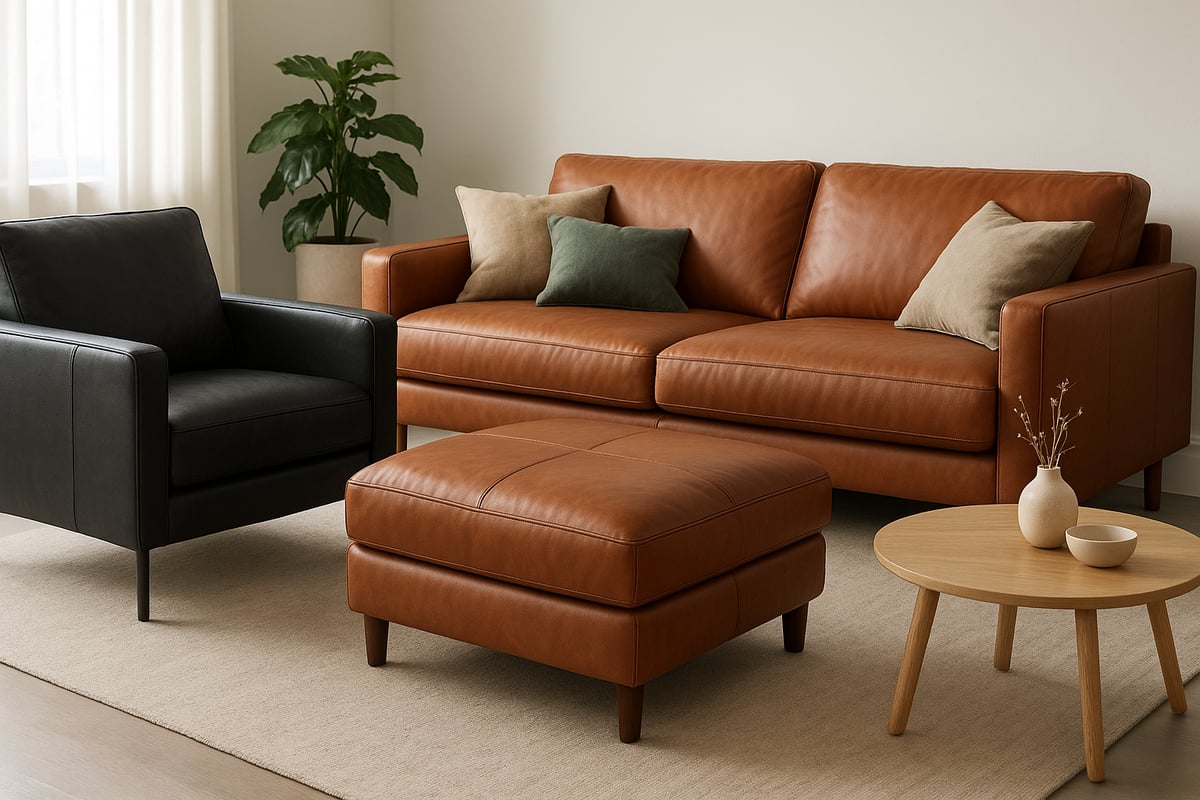
Upholstery leather refers to leather specifically processed and finished for use on furniture and interior surfaces. Unlike clothing leathers, upholstery leather is thicker, more robust, and engineered to withstand everyday wear. Its tactile appeal and natural grain create a sense of warmth and depth in any space. The durability of upholstery leather ensures it resists tears and abrasions, making it a long-lasting choice. Historically, upholstery leather adorned the homes of nobility and was prized for its comfort and prestige. Today, it remains a symbol of refined taste and enduring quality.
Leather Types Used in Upholstery
The main categories of upholstery leather include full-grain, top-grain, split-grain, bonded, and corrected leather. Each type offers distinct characteristics:
| Type | Key Features | Pros | Cons | Common Uses |
|---|---|---|---|---|
| Full-grain | Unaltered, natural surface | Most durable, ages beautifully | Higher cost | Premium sofas, chairs |
| Top-grain | Sanded for uniformity | Soft, flexible, stain-resistant | Slightly less durable | High-end furniture |
| Split-grain | Lower hide layers | Affordable, versatile | Less strong, artificial finish | Ottomans, budget seating |
| Bonded | Scraps with adhesive | Cost-effective | Least durable, not as natural | Entry-level furniture |
| Corrected | Surface treated, embossed | Uniform appearance, easy care | Loss of natural texture | Commercial seating |
Full-grain upholstery leather is ideal for heirloom pieces, while top-grain offers a balance of luxury and practicality. Split-grain, bonded, and corrected leathers suit more budget-conscious or commercial projects.
Leather Grading Systems Explained
Leather grading helps buyers assess the quality and value of upholstery leather. Two major systems are used: European and American. European grading focuses on the hide’s natural characteristics and origin, often resulting in higher grades for fewer imperfections. American grading typically categorizes based on size and presence of scars or marks. Grades directly impact the appearance, performance, and price of upholstery leather. Higher grades mean a smoother look and longer lifespan. However, a common misconception is that all visible imperfections are flaws, when many are natural hallmarks that add character and authenticity to upholstery leather.
Popular Uses in Modern Interiors
Upholstery leather is found in a wide range of settings. In residential spaces, it elevates living rooms, bedrooms, and home offices with its timeless appeal. Commercially, it adds durability and sophistication to hospitality venues, retail environments, and workspaces. According to Statista (2023), leather holds a significant share of the global upholstery market, especially in luxury and high-traffic applications. For more inspiration on how leather fits into various design schemes, explore Interior design styles with leather. Automotive interiors also rely heavily on upholstery leather for both comfort and longevity.
Key Arguments and Insights
Why does upholstery leather remain a premium choice in 2026? Its resilience, natural elegance, and adaptability to diverse interior trends make it a top contender. Lifestyle shifts toward comfort, sustainability, and customization have only strengthened its appeal. Iconic designs, such as the Chesterfield sofa or Eames lounge chair, showcase how upholstery leather can define a space and endure across generations. These pieces have influenced countless interiors, highlighting the material’s ability to blend tradition with innovation. As trends evolve, upholstery leather continues to offer unmatched value, versatility, and timeless style.
2026 Upholstery Leather Trends: Colors, Finishes, and Innovations
The world of upholstery leather is set for a remarkable transformation in 2026. Designers and manufacturers are pushing boundaries with innovative colors, finishes, and sustainable solutions. Whether you are planning a home refresh or a commercial project, staying updated on these trends will ensure your spaces stand out.
Trending Colors and Textures
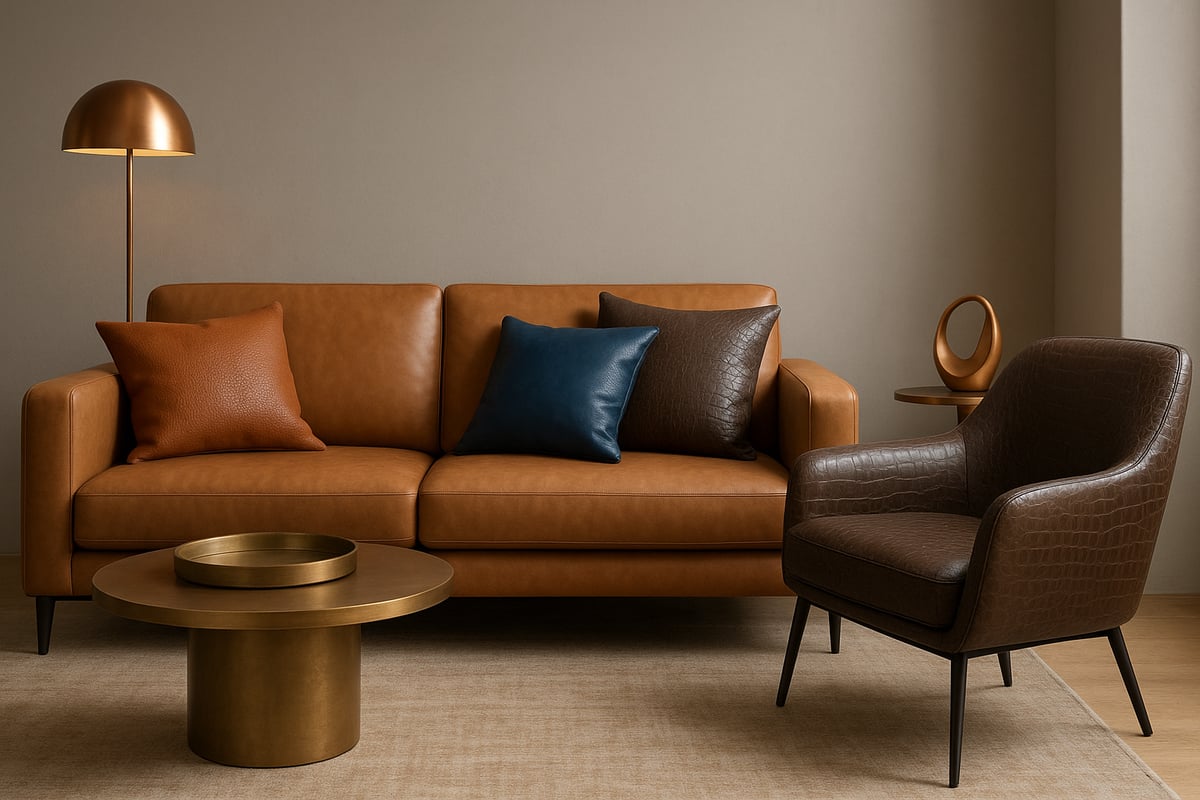
In 2026, upholstery leather will embrace a palette that spans from warm earthy browns and olive greens to vibrant sapphire blues and luxurious metallics. Textures are equally diverse, with designers favoring distressed finishes for a vintage feel, matte leathers for understated elegance, high-gloss for modern flair, and embossed patterns that create visual interest.
Leading design fairs have showcased these trends, reflecting consumer desire for both comfort and statement-making pieces. For a comprehensive look at the latest leather furniture trends for 2026, including color palettes and finishes, industry reports highlight the shift toward tactile surfaces and bolder hues.
Technological Advancements
Advances in upholstery leather technology are making furniture not only more beautiful but also smarter and more functional. Performance leathers now feature built-in stain resistance, antimicrobial properties, and even temperature regulation, making them ideal for high-traffic homes and commercial environments.
Digital printing technology allows for intricate patterns and full customization, meeting the growing demand for unique interiors. According to Grand View Research, the market for high-tech leathers is experiencing significant growth as consumers seek both style and practicality in their upholstery leather choices.
Sustainable and Ethical Innovations
Sustainability is shaping the future of upholstery leather. Plant-based and recycled leathers are gaining ground, offering eco-friendly alternatives without sacrificing quality. Key certifications and eco-labels, such as those from the Leather Working Group, help consumers identify responsibly produced materials.
Environmental data shows reductions in water usage, carbon emissions, and waste as brands adopt innovative manufacturing techniques. These sustainable options are increasingly visible in both luxury and mainstream furniture collections, aligning with conscious consumer values.
Consumer Preferences and Market Insights
Personalization is a standout trend for 2026 as buyers look for upholstery leather options tailored to their tastes. Social media and design influencers play a crucial role in shaping these preferences, showcasing customized pieces and inspiring new ideas.
Market forecasts predict a steady compound annual growth rate for upholstery leather through 2026, driven by rising demand for bespoke solutions and premium finishes. Designers are responding by expanding customization options and collaborating closely with clients.
Key Arguments and Perspectives
Innovation continues to reshape the upholstery leather industry, blending traditional craftsmanship with cutting-edge technology. While classic leather remains a symbol of luxury, new finishes and sustainable options are broadening its appeal.
Experts predict that the next five years will see even greater integration of eco-friendly practices and smart materials, ensuring upholstery leather maintains its status as a leading choice for both residential and commercial interiors. The ongoing balance between time-honored techniques and modern advancements keeps this material at the forefront of interior design.
Sustainability and Ethical Sourcing in Upholstery Leather
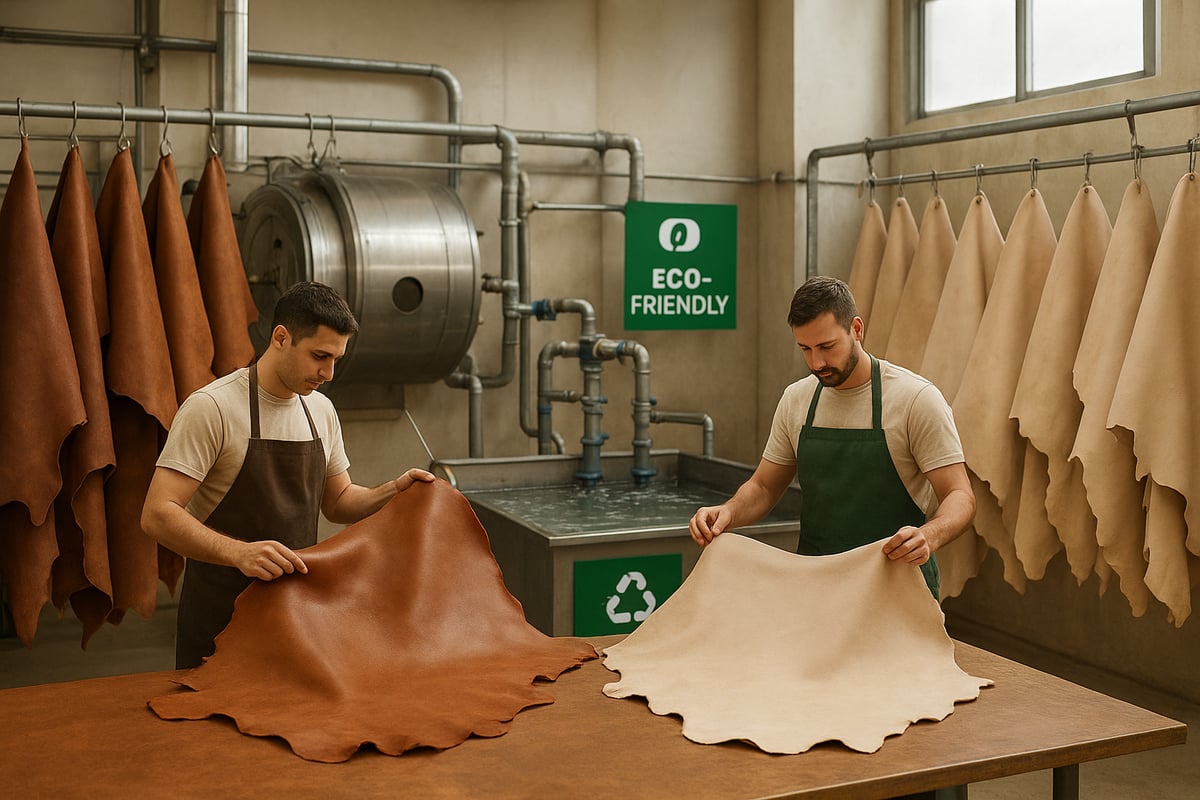
The sustainability of upholstery leather is under increasing scrutiny as environmental awareness grows. Traditional leather production, particularly chrome tanning, can have a substantial ecological footprint. This process often results in high water consumption, significant chemical waste, and greenhouse gas emissions. However, innovations such as vegetable-tanned and chrome-free leathers are gaining traction for their lower environmental impact. According to UNEP, these newer methods can reduce certain emissions and resource usage, making them more appealing for eco-conscious consumers. As sustainability becomes a core value, the upholstery leather industry is adapting with greener solutions.
Ethical Sourcing and Animal Welfare
Ethical sourcing in upholstery leather revolves around transparency and animal welfare. Brands now prioritize traceability, ensuring that each hide can be tracked back to its source. Certifications like the Leather Working Group and Forest Stewardship Council (FSC) help consumers identify responsibly sourced products. These organizations audit supply chains for sustainable practices and humane treatment of animals. Leading brands often share their sourcing stories, highlighting partnerships with ethical farms. As a result, buyers have more information to make informed decisions, supporting an industry shift toward accountability and respect for animal welfare.
Alternatives: Vegan and Plant-Based Leathers
The market for vegan and plant-based upholstery leather alternatives is expanding rapidly. Materials such as polyurethane (PU), pineapple leather, and mushroom leather are gaining popularity. While PU is affordable and widely available, it may not match the breathability or longevity of genuine leather. Plant-based options offer improved sustainability, but their durability and tactile qualities can vary. According to Allied Market Research, the vegan leather market is expected to grow significantly through 2025. As technology advances, these alternatives are closing the gap in performance and aesthetics compared to traditional upholstery leather.
Consumer Awareness and Buying Decisions
With more eco-conscious consumers, sustainability is now a major factor in upholstery leather purchases. Shoppers are learning to look for credible certifications and transparent supply chains. Tips for identifying sustainable products include checking for third-party labels, understanding the tanning process, and researching a brand’s sourcing policies. While some consumers prefer genuine leather for its longevity, others are drawn to plant-based options for ethical reasons. The debate continues, but increased awareness is pushing brands to offer clearer information and more responsible choices in the upholstery leather market.
Industry Response and Future Outlook
The upholstery leather industry is responding with initiatives focused on circular economy principles and closed-loop production. Many companies are investing in recycling systems and waste minimization strategies. Predictions indicate that mainstream adoption of sustainable practices will accelerate over the next few years. As highlighted in the Sustainable leather industry research report 2025, the demand for eco-friendly upholstery leather is projected to rise, driven by consumer expectations and regulatory changes. Experts foresee a future where luxury and responsibility are seamlessly integrated, making sustainable leather the new standard.
Choosing the Right Upholstery Leather: Expert Recommendations
Selecting the right upholstery leather is crucial for both style and longevity. Whether you are furnishing a family home or a boutique office, the right choice ensures comfort, durability, and a timeless look. This section offers expert guidance to help you navigate the selection process with confidence.
Assessing Your Needs and Lifestyle
Begin by considering how your space will be used. Is the furniture for a high-traffic family room, a sophisticated office, or a quiet reading nook? Households with children or pets require upholstery leather that can withstand daily wear and is easy to clean. Think about climate as well, since some leathers perform better in humid or sunny environments.
Matching the right leather type to your needs is essential. Full-grain leather offers unmatched durability for busy areas, while top-grain provides a refined look for formal settings. Avoid common mistakes like selecting delicate finishes for high-use zones. For tailored advice on integrating upholstery leather into living spaces, see these 2026 living room design tips.
Evaluating Quality and Authenticity
Quality assessment is vital when choosing upholstery leather. Genuine leather will have a natural grain, slight imperfections, and a rich scent, while synthetics often feel uniform and lack depth. Inspect the stitching and backing for signs of expert craftsmanship—tight, even stitches and quality lining indicate superior production.
Compare leather samples side by side. Authentic upholstery leather should feel supple yet firm, with consistent color that is not overly glossy. Beware of sellers who mislabel bonded or split leather as full-grain. Request swatches and compare them in your space before making a final decision.
Budget Considerations and Value
Upholstery leather comes in a range of prices, influenced by type, grade, and origin. Full-grain leather is the most expensive, but its long lifespan provides excellent value. Top-grain and corrected leathers are more affordable and still offer durability for most applications.
Consider the long-term investment. Leather furniture often lasts twice as long as fabric, reducing replacement costs over time. According to recent data, quality upholstery leather pieces can retain their value and appearance for over a decade, making them a smart financial choice.
| Leather Type | Typical Cost (per sq ft) | Average Lifespan |
|---|---|---|
| Full-grain | $12–$20 | 15+ years |
| Top-grain | $8–$15 | 10–15 years |
| Corrected/Split | $5–$10 | 5–10 years |
Sourcing and Customization Options
Where you source your upholstery leather matters. Reputable retailers, custom workshops, and select online platforms provide the widest range of choices. Many now offer customization, allowing you to select color, finish, and stitching to match your vision.
Customization adds a personal touch, whether you want embossed patterns, unique hues, or monogrammed details. Lead times for bespoke orders may be longer, especially for rare leathers or intricate designs, so plan ahead. Always verify the supplier’s reputation and ask for references or reviews.
Expert Tips for Successful Selection
To make the best choice, ask suppliers key questions:
- What is the origin and grade of the upholstery leather?
- Is it treated for stain resistance or UV protection?
- Can you provide care instructions and warranty details?
Negotiate not just price, but also after-sales support and delivery terms. Interior designers and leather artisans recommend prioritizing quality over quantity and choosing timeless styles that will age gracefully. Avoid trends that may quickly date your investment.
Craft'n Build Design Co.: Digital Design Resources for Leather Projects
Planning and visualizing upholstery leather projects is easier with professional tools. Craft'n Build Design Co. offers 3D CAD furniture models and online courses, simplifying the design process for both professionals and DIY enthusiasts.
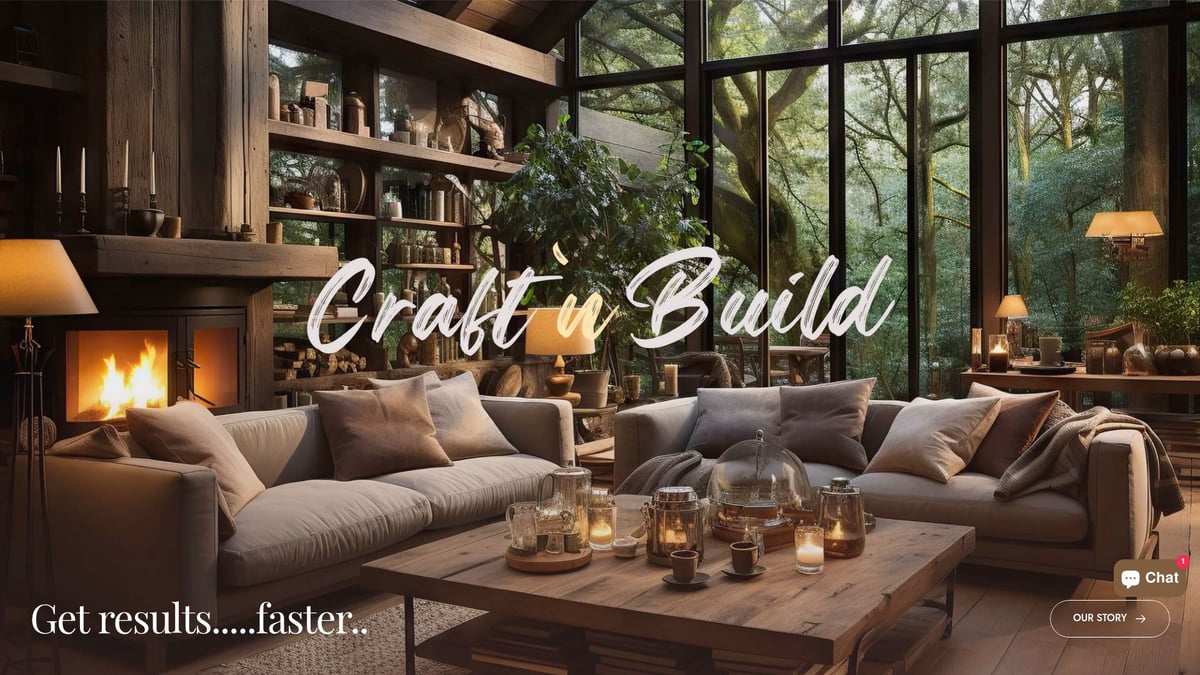
These resources enable you to experiment with layouts, colors, and finishes before committing, saving time and reducing costly errors. Whether you are an interior designer or a furniture maker, leveraging digital assets streamlines project execution and ensures your upholstery leather choices align perfectly with your vision.
Upholstery Leather Care and Maintenance: Maximizing Longevity
Caring for upholstery leather is essential for preserving its luxurious appearance and extending its lifespan. With the right maintenance routine, you can ensure your furniture remains an elegant focal point in any room. From daily cleaning to expert restoration, understanding proper techniques will help you protect your investment and enjoy comfort for years to come.
Daily and Routine Care Practices
Regular maintenance is the foundation for keeping upholstery leather looking its best. Dust your leather surfaces weekly using a soft, dry cloth to prevent dirt buildup. For deeper cleaning, vacuum crevices with a brush attachment to remove debris that could cause abrasion.
When wiping down upholstery leather, use a damp, lint-free cloth and a pH-balanced cleaner formulated specifically for leather. Always avoid harsh chemicals or abrasive sponges, as these can damage the finish and color. Establishing a consistent routine will help prevent long-term wear and maintain the leather’s natural luster.
Preventing and Treating Common Issues
Accidents happen, but quick action can minimize damage to upholstery leather. For spills, blot gently with a clean, dry cloth—never rub, as this can push the liquid deeper. Ink marks should be addressed immediately with a dedicated leather cleaner. For food stains, use a mild soap solution and dab carefully.
To address scratches, a small amount of leather conditioner can often reduce their appearance. Fading and cracking result from sun exposure or low humidity, so position furniture away from direct sunlight and use a humidifier in dry climates. According to Furniture Clinic, the most frequent causes of damage include neglect, improper cleaning, and environmental stress.
Conditioning and Protecting Leather
Conditioning is vital for keeping upholstery leather supple and resilient. Apply a high-quality leather conditioner every six to twelve months, following the manufacturer’s instructions. This process replenishes natural oils, preventing drying and cracking.
Protection from UV rays is also important. Use window treatments or UV-protective films to shield your furniture. Maintain stable indoor humidity to prevent the leather from becoming brittle. For annual deep care, clean the surface thoroughly, apply conditioner evenly, and buff with a soft cloth to restore sheen.
| Care Step | Frequency | Products to Use |
|---|---|---|
| Dusting | Weekly | Soft, dry cloth |
| Conditioning | 6-12 months | Leather conditioner |
| Deep Cleaning | Annually | pH-balanced leather cleaner |
Professional Restoration and Repair
Some issues with upholstery leather require professional expertise. Deep scratches, extensive fading, or structural damage are best addressed by skilled technicians. Professional services typically include cleaning, color restoration, repair of cracks, and reconditioning.
Costs vary depending on the extent of damage and the type of service required. On average, restoration can range from minor touch-ups to complete reupholstering. If you are unsure whether to attempt a repair yourself or seek help, consider the value and age of your furniture. Professional intervention often results in a finish that looks and feels like new.
Myths and Misconceptions
There are many myths about caring for upholstery leather. One common mistake is using household cleaners, which can strip natural oils and cause discoloration. Some believe leather does not need conditioning, but regular treatment is critical for longevity.
It is also a misconception that all stains can be removed at home—certain issues, like ink or dye transfer, often need specialized products or expert attention. Proactive maintenance is always preferable to reactive fixes. For those interested in exploring new sofa styles while maintaining their investment, consider reviewing sofa design trends for 2025 for inspiration and guidance on pairing care routines with modern looks.
Upholstery Leather in Interior Design: Style Inspirations and Applications
Upholstery leather has long been a defining element in interior design, shaping spaces with its elegance and versatility. As 2026 approaches, designers and homeowners alike are reimagining how upholstery leather can transform both classic and contemporary interiors. This section explores how to style, pair, and personalize leather, offering inspiration and expert insights for every application.
Classic and Contemporary Design Styles
Upholstery leather finds a place in every design era. In classic settings, it brings heritage and gravitas, as seen in the deep-buttoned Chesterfield sofa or the iconic Eames lounge chair. These pieces evoke a sense of tradition and timelessness.
Contemporary interiors, on the other hand, use upholstery leather for clean lines and minimalist silhouettes. The Barcelona chair, with its sleek frame and tufted leather, epitomizes modern luxury. Designers also blend retro shapes with bold colors to create eclectic spaces.
Signature furniture pieces that showcase upholstery leather include:
- Chesterfield sofas (traditional, tufted)
- Barcelona chairs (modernist icon)
- Mid-century armchairs (sculptural forms)
- Leather ottomans and benches
By bridging past and present, upholstery leather remains central to both established and emerging interior design trends.
Pairing Leather with Other Materials
Pairing upholstery leather with complementary materials is key to creating balanced, inviting spaces. The tactile contrast between leather and wood adds warmth, while metal accents introduce an industrial edge.
Common pairings include:
- Leather and solid wood for classic, cozy rooms
- Leather and brushed metal for a contemporary, urban look
- Leather with textiles (wool, velvet) for layered comfort
- Leather and glass for sleek, open environments
Successful interiors often use upholstery leather as a grounding element, allowing other textures to shine. For example, a leather sofa paired with a reclaimed wood coffee table and metal lighting fixtures creates a harmonious blend that appeals to modern sensibilities.
Color and Texture Coordination
Selecting the right color and texture is essential when working with upholstery leather. In 2026, designers are gravitating toward earthy tones, bold accent hues, and metallic finishes. Textures range from matte and distressed to high-gloss and embossed patterns.
To explore the latest palettes and finishes, consult resources like Interior color trends and palettes for guidance on combining leather with trending colors.
A quick reference table for coordination:
| Leather Color | Ideal Texture | Best Pairings |
|---|---|---|
| Cognac | Distressed | Wood, brass |
| Charcoal | Matte | Metal, glass |
| Emerald Green | Embossed | Velvet, gold |
| White | Glossy | Chrome, marble |
By thoughtfully coordinating color and texture, upholstery leather becomes a key design statement across rooms.
Customization and Personalization
Personalization is on the rise, with homeowners seeking bespoke upholstery leather solutions. Custom embossing, contrast stitching, and monogramming allow for unique expressions of style.
Designers often collaborate with artisans to create one-of-a-kind pieces, tailored to client preferences. Popular customization options include:
- Embossed patterns or logos
- Colored stitching for contrast
- Monogrammed headrests or cushions
- Custom-dyed hides for signature looks
These options not only set furniture apart but also reflect the individuality of each space. Upholstery leather’s adaptability ensures it fits any design vision.
Leather Beyond Seating: Creative Uses
Upholstery leather is no longer limited to sofas and chairs. Creative designers are using it in unexpected ways, expanding its role in modern interiors.
Innovative applications include:
- Leather wall panels for acoustic control and warmth
- Upholstered headboards as focal points in bedrooms
- Cabinetry insets for tactile contrast
- Leather-wrapped décor accessories (trays, lamps)
Smart furniture, such as leather-covered charging stations or acoustic panels, demonstrates the material’s evolving function. Upholstery leather now enhances both aesthetics and utility throughout the home.
Expert Insights and Design Tips
Experts recommend a strategic approach when incorporating upholstery leather. Consider the room’s lighting, traffic, and intended mood. High-traffic areas benefit from darker or distressed finishes, which better conceal wear.
Tips for maximizing impact:
- Mix leather with natural fibers for depth
- Use leather accents in unexpected places (pillows, desk mats)
- Balance bold leather colors with neutral surroundings
- Opt for quality over quantity—select a statement piece
Consulting with experienced designers ensures upholstery leather elevates, rather than overwhelms, a space.
Future Outlook: Where Leather Is Headed in Interior Design
Looking forward, upholstery leather is set to remain a cornerstone of sophisticated interiors. Advancements in eco-friendly tanning, digital customization, and smart materials are expanding its appeal.
Sustainability considerations and technology integration are shaping the next wave of applications. Expect to see more plant-based leathers, recycled content, and digitally printed finishes in both residential and commercial projects.
Despite evolving trends, the enduring allure of upholstery leather lies in its blend of luxury, durability, and adaptability. Its future in interior design looks as promising as ever.
As you explore the nuances of upholstery leather, from understanding grades and types to staying ahead of 2026’s trends, it becomes clear that mastering the craft can truly elevate your interiors. Whether you’re an enthusiast or a professional, developing hands-on skills with upholstery opens up endless creative possibilities for your projects. If you’re ready to put expert insights into practice and bring your own leather furniture visions to life, I encourage you to Get started with furniture upholstering. You’ll gain the confidence and techniques needed to transform any space with timeless, high quality results.


Share:
The Expert Guide to Furniture Fabric Selection 2026
Sustainable Wood Guide: Your Eco-Friendly Resource for 2026