




Building a new home offers a rare chance to shape every detail of your living environment, making each decision truly your own. Yet, far too often, interior design new build planning is left until late in the process, leading to missed opportunities for comfort, style, and value.
This guide is crafted to walk you through every step of the interior design new build journey, with expert advice and the latest 2026 trends. You will discover how to plan early, apply proven design principles, select durable materials, integrate smart technology, and prioritize sustainability.
Ready to transform your vision into reality? Let this step-by-step roadmap help you achieve a seamless, rewarding home-building experience.
Step 1: Early Planning & Vision Setting for New Builds
The early stages of an interior design new build project hold the power to shape every aspect of your future home. By starting with a clear vision and strategic plan, you can avoid costly mistakes and ensure the final result reflects your lifestyle, priorities, and aspirations. This step sets the foundation for a seamless process, turning your ideas into actionable steps that lead to an inspiring living space.
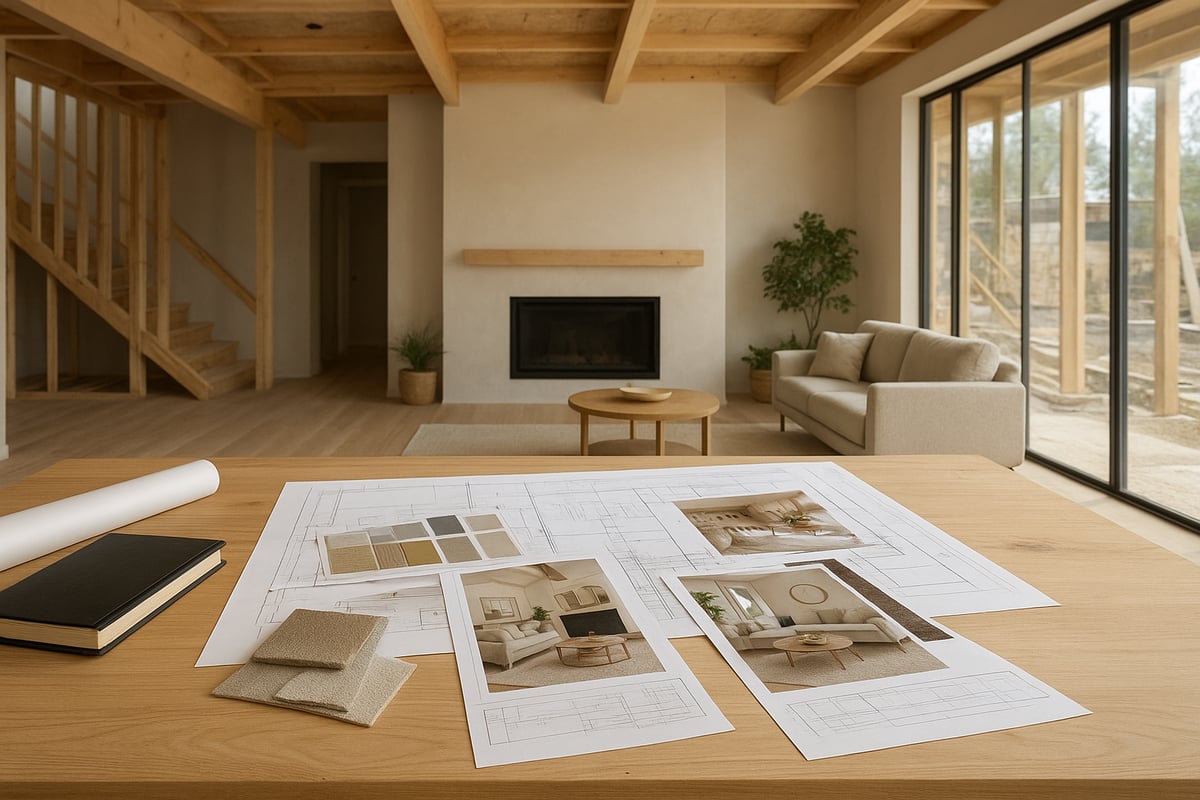
Understanding the Importance of Early Design Integration
Integrating interior design new build decisions at the very beginning is critical for both efficiency and creativity. Early choices influence the home's structure, overall budget, and construction timeline. For example, a Houzz 2023 case study found that homeowners who engaged designers from the outset saved up to 15 percent on total costs, thanks to fewer last-minute changes and better material planning.
Collaboration is key in this phase. Architects, builders, and designers must work together to align aesthetic goals with structural requirements. When interior design new build considerations are delayed, it often leads to expensive adjustments and extended timelines.
Setting realistic expectations is equally important. Discuss the desired move-in date and the scope of customization with your team. To guide you through these steps, consider following a step-by-step interior design guide that outlines the entire process for new builds. This resource can help you anticipate each stage, identify potential roadblocks, and make informed decisions early.
Defining Your Lifestyle Needs and Aspirations
Every interior design new build journey should begin with a thorough self-assessment. Start by evaluating your family size, daily routines, and future needs, especially with the rise of remote work and evolving lifestyle trends for 2026. Are you envisioning an open-plan living area for gatherings, or do you prefer distinct zones for work, relaxation, and play?
Gather inspiration from digital mood boards, Pinterest collections, and design magazines. These tools can help you visualize your preferences and communicate them effectively to your design team. For instance, hybrid work and life schedules may call for flexible spaces that easily adapt from office to guest room.
Translating lifestyle into spatial requirements is essential. Consider:
- Storage solutions for clutter-free living
- Dedicated zones for hobbies or remote work
- Accessibility features for long-term comfort
By clarifying these needs early, your interior design new build will reflect your unique habits and aspirations, ensuring the home evolves with you over time.
Establishing a Budget and Priorities
A successful interior design new build project relies on a well-structured budget and clear priorities. Begin by breaking down costs into categories such as design fees, construction materials, furnishings, and smart home technology. Use a simple table for clarity:
| Cost Category | Estimated % of Total Budget |
|---|---|
| Design & Planning | 10–15% |
| Materials | 30–40% |
| Furnishings | 20–25% |
| Technology | 10–15% |
| Contingency | 10% |
Next, distinguish your must-haves from nice-to-haves. Prioritize elements that directly impact daily life, like durable flooring or energy-efficient windows, before allocating funds to decorative accents.
Utilize budget tracking tools and set aside a contingency fund for unexpected expenses. According to HomeAdvisor 2023, 68 percent of new build owners exceed their initial budget due to unclear priorities. By categorizing expenses and managing expectations, you can keep your interior design new build on track financially and creatively.
Step 2: Core Interior Design Principles for New Builds
Designing your new home is more than choosing finishes; it is about establishing a foundation for daily comfort and long-term value. Core principles ensure every interior design new build project is both beautiful and functional. By focusing on space, light, style, and digital resources, you can create a home that truly fits your life.
Space Planning and Flow
Effective space planning is the backbone of any successful interior design new build. Begin by analyzing the layout for both current and future needs. Flexible rooms, such as home offices that convert to guest spaces, add adaptability.
Plan circulation paths to avoid bottlenecks and ensure easy movement. Position furniture to define zones, like separating living and dining areas in an open plan. Multi-purpose rooms are increasingly popular, helping new builds adapt as family needs change.
Consider these tips:
- Map out daily routines to inform room placement.
- Use built-in storage to maximize usable space.
- Design for both privacy and connectivity between zones.
A well-planned interior design new build delivers comfort, function, and the ability to grow with you.
Light, Color, and Texture in New Homes
Lighting and color set the mood in every interior design new build. Prioritize natural light by optimizing window placement, glass walls, or skylights to brighten living spaces and improve well-being.
When selecting a palette, look to 2026 color trends and palettes for inspiration. Earth tones, biophilic greens, and digital blues offer a modern yet timeless feel. Layering textures—like wood, stone, and plush textiles—adds depth and interest.
Key strategies include:
- Use reflective surfaces to amplify daylight.
- Choose a neutral base with accents from current trends.
- Vary textures to create visual warmth.
Thoughtful lighting, color, and texture choices make your interior design new build both inviting and on trend.
Cohesive Style Selection and Personalization
Selecting a cohesive style is crucial for a successful interior design new build. Start by exploring styles such as modern, Scandinavian, or Japandi. Each offers unique benefits in aesthetics and functionality.
Balance personal taste with future resale value. While custom features express your personality, neutral foundations appeal to a wider audience. Blend custom and pre-designed elements to achieve both uniqueness and practicality.
A quick reference:
| Style | Key Features | Best For |
|---|---|---|
| Modern | Clean lines, minimal | Sleek, urban new builds |
| Scandinavian | Light, airy, natural | Cozy, relaxed environments |
| Japandi | Minimal, warm, zen | Calm, organized living |
Personalization ensures your interior design new build feels like home while maintaining broad appeal.
Craft'n Build Design Co.: Digital Resources for New Build Interiors
Digital resources are transforming the interior design new build process. Platforms like Craft'n Build Design Co. offer ready-to-use CAD models and mood-board templates, making early planning faster and more visual.
Homeowners and professionals can access online courses to upskill in design basics. Customizable templates help communicate your vision clearly with architects and builders, reducing misunderstandings and costly changes.
Whether you are a DIY enthusiast or working with a pro, these tools streamline the interior design new build journey. They save time, boost creativity, and ensure your vision is realized with precision and confidence.
Step 3: Material & Finish Selection for Lasting Impact
Selecting the right materials and finishes is a pivotal step in the interior design new build journey. These choices not only define the look and feel of your space but also influence comfort, longevity, and future maintenance. Let us explore how to make impactful decisions that blend style, durability, and sustainability.
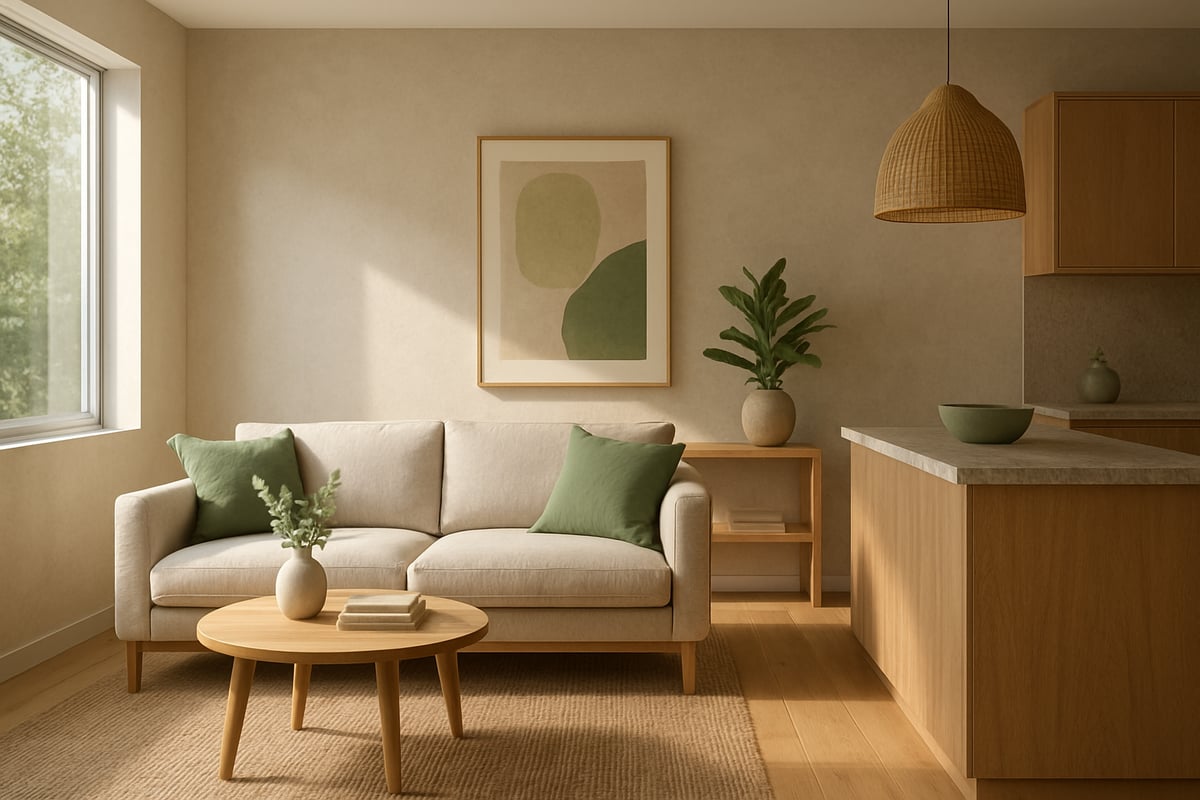
Navigating Material Choices for Durability and Aesthetics
The foundation of a successful interior design new build lies in selecting materials that balance form and function. Flooring is a major investment, so compare options carefully:
| Flooring Type | Durability | Maintenance | Visual Appeal | Sustainability |
|---|---|---|---|---|
| Engineered Wood | High | Moderate | Warm, classic | Good |
| Luxury Vinyl | High | Easy | Versatile | Moderate |
| Polished Concrete | Very High | Easy | Modern, sleek | High |
Countertops are another focal point. Quartz composites offer resilience and contemporary style, while sustainable surfaces like recycled glass or bamboo are gaining ground. For wall finishes, microcement, decorative plaster, and textured paints are trending for their durability and tactile richness.
To dive deeper into the characteristics and benefits of specific materials for your interior design new build, explore Materials for new build interiors for detailed guidance and inspiration.
Sustainability and Future-Proofing
Sustainability is now a top priority for most interior design new build projects. Homeowners are increasingly choosing eco-friendly materials such as FSC-certified wood, recycled metals, and low-VOC paints. These options reduce environmental impact and support healthier indoor air quality.
Smart insulation and energy-efficient windows are essential for future-proofing. They help regulate temperature naturally, lower utility bills, and contribute to a comfortable home environment. According to the NAHB, 74% of new build buyers now prioritize sustainable materials, emphasizing the importance of green choices in every interior design new build.
Consider these eco-friendly options:
- FSC-certified hardwoods
- Recycled steel and glass
- Low-VOC finishes
Prioritize materials that not only look beautiful but also align with long-term environmental goals.
Balancing Trends with Timelessness
Incorporating trends into your interior design new build can be exciting, but longevity should guide your decisions. 2026 brings bold lighting, textured walls, and statement hardware, yet it is wise to use trend-driven accents alongside timeless base elements.
For example, opt for neutral flooring and cabinetry, then layer in trend-forward lighting or accent walls. Statement lighting is an excellent way to embrace current styles, as it can be swapped out in future years without major renovation.
Choose finishes that allow for easy updates. A timeless palette with pops of color or texture offers flexibility, keeping your interior design new build fresh as tastes evolve.
Sourcing Strategies and Supplier Insights
A thoughtful sourcing strategy is crucial for a successful interior design new build. Collaborate with local artisans for unique, handcrafted elements, or explore global suppliers for a wider material selection. Each approach offers distinct benefits—local sourcing supports community and can reduce lead times, while global suppliers provide access to exclusive finishes.
Digital platforms now streamline the process, enabling you to visualize materials and manage supply chains efficiently. Be mindful of post-2024 lead times and potential delays, especially for specialty items.
Tips for sourcing:
- Request samples before making decisions.
- Confirm availability and delivery timelines.
- Use digital tools for real-time tracking and visualization.
Strategic sourcing ensures your interior design new build stays on schedule and achieves the desired aesthetic.
Step 4: Integrating Technology & Smart Home Solutions
In today’s interior design new build projects, technology is no longer an afterthought. Instead, it is woven into the very fabric of modern homes, shaping how we live, work, and relax. From energy management to advanced security, integrating smart solutions from the start ensures your new home is both future-ready and tailored to your lifestyle.
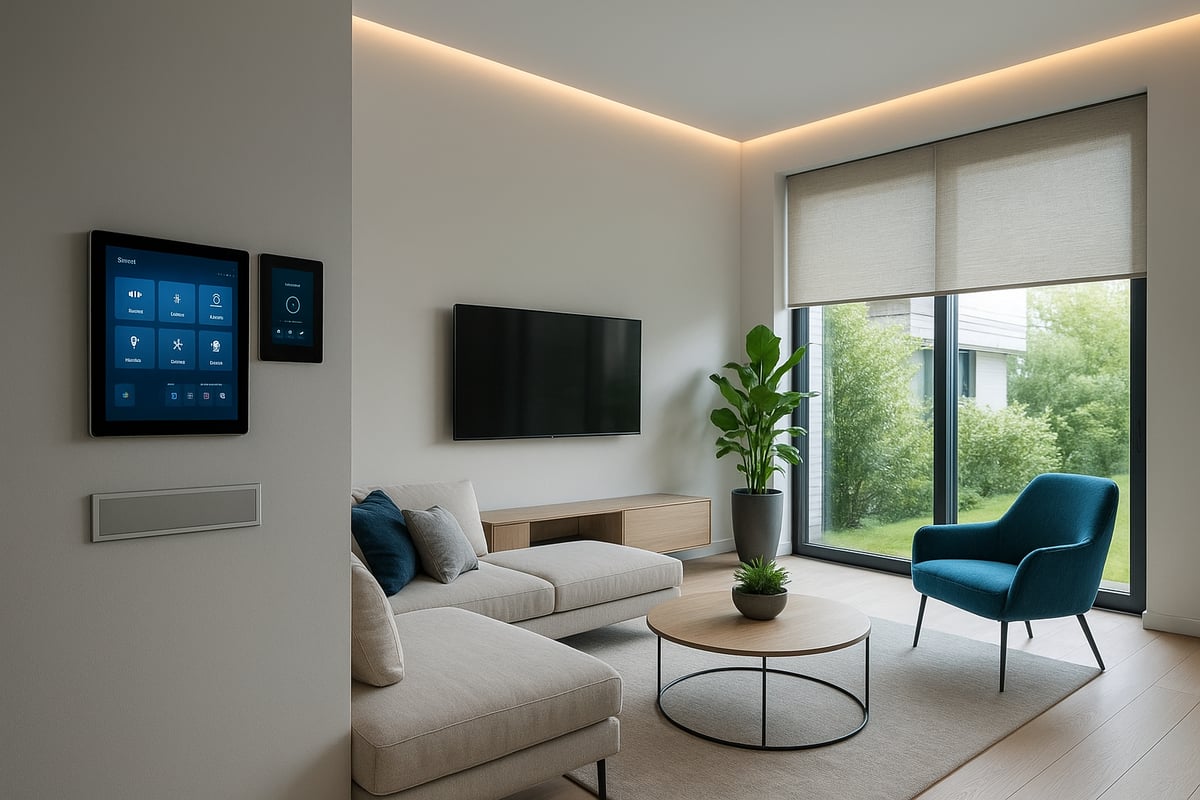
Planning for Smart Infrastructure from the Start
Successful interior design new build projects begin with thoughtful tech infrastructure planning. Early decisions about wiring, networking, and device placement can save significant time and costs later. For example, pre-installing conduits and ample outlets allows for effortless upgrades as technology evolves.
Collaboration between designers, architects, and tech specialists is crucial. By aligning the home’s structural layout with future automation, you avoid costly retrofits. Consider smart lighting, built-in audio, and security systems during the blueprint stage. This approach ensures technology blends smoothly with your design vision.
2026’s Must-Have Smart Features
The year 2026 brings a new wave of smart home essentials for any interior design new build. Energy management tools, like smart thermostats and solar integration, help reduce utility bills. Wellness technologies, such as circadian lighting and advanced air quality monitors, support a healthier indoor environment.
Entertainment upgrades, including built-in speakers and hidden screens, turn living spaces into immersive experiences. For more inspiration on integrating tech into living rooms, explore these living room design tips 2026. Planning these features early ensures your home remains adaptable as your needs change.
Data Privacy and Security Considerations
With every interior design new build, data privacy and security must be prioritized. Connected devices introduce potential vulnerabilities, so robust network security is essential. Invest in encrypted routers and regularly update device firmware to safeguard your smart home.
Work with professionals who understand the nuances of secure smart infrastructure. Choose systems offering user-friendly privacy controls and clear data policies. This proactive approach protects your personal information as technology becomes more deeply integrated into your living space.
Cost vs. Value: ROI of Smart Upgrades
Integrating technology in your interior design new build is a strategic investment. While upfront costs can be significant, the long-term benefits often outweigh initial expenses. According to industry data, smart home features can increase resale value by 5 to 10 percent.
It helps to create a clear budget, weighing the cost of automation against energy savings and lifestyle improvements. Prioritize features with the highest daily impact, such as climate control or security. By balancing present needs with future flexibility, you maximize both comfort and return on investment.
Step 5: Sustainable & Healthy Home Design
Designing a sustainable and healthy home is essential for any interior design new build. Thoughtful choices at this stage support long-term comfort, wellness, and environmental responsibility. By integrating passive design, healthy materials, water conservation, and respected certifications, homeowners can create spaces that feel good and do good for years to come.
Passive Design Strategies for Efficiency
One of the most impactful ways to maximize sustainability in an interior design new build is to adopt passive design principles from the outset. This means orienting your home to make the most of sunlight, strategically placing windows to maximize daylight, and using thermal mass materials like stone or concrete to regulate indoor temperatures naturally.
For example, positioning living spaces to the south and incorporating deep overhangs can reduce the need for artificial heating and cooling. Net-zero energy homes, which are on the rise for 2026, often use these approaches to achieve remarkable energy savings. The result is a home that feels comfortable year-round with minimal reliance on mechanical systems. By prioritizing these strategies early, you help ensure your interior design new build is efficient and future-proof.
Healthy Materials and Indoor Air Quality
Selecting non-toxic materials is a cornerstone of a healthy interior design new build. Opt for paints that are low in volatile organic compounds (VOCs), formaldehyde-free cabinetry, and natural flooring like FSC-certified wood or cork. These choices reduce indoor air pollution, benefiting both human health and the environment.
Proper ventilation is equally critical. Mechanical ventilation systems with HEPA filtration and air purification units can maintain fresh air even in tightly sealed modern homes. According to recent sustainable materials market trends, demand for eco-friendly building products continues to rise as homeowners prioritize well-being and sustainability. Integrating these materials and systems lays the foundation for a truly healthy interior design new build.
Water and Resource Conservation
Water efficiency is a vital part of every sustainable interior design new build. Simple steps, such as installing low-flow faucets, dual-flush toilets, and efficient showerheads, can significantly cut water use. Consider incorporating rainwater harvesting systems to supply irrigation, or even graywater recycling for non-potable needs.
Landscaping with drought-tolerant plants further reduces demand on municipal water supplies. The EPA reports that water-efficient homes can save up to 30% on utility bills over traditional designs. By making these choices, you not only help conserve resources but also add value and resilience to your interior design new build.
Certifications and Standards
Pursuing recognized certifications can validate your interior design new build’s sustainability and health credentials. Programs like WELL, LEED, and Passive House each offer unique benefits and focus areas, from air quality and energy performance to occupant well-being.
| Certification | Focus Area | Benefit |
|---|---|---|
| WELL | Health & Wellness | Enhanced occupant well-being |
| LEED | Energy & Materials | Lower operating costs |
| Passive House | Energy Efficiency | Ultra-low energy consumption |
Navigating the certification process involves working closely with design and construction teams to select compliant materials, document strategies, and complete third-party verification. Achieving certification can increase the value, comfort, and appeal of your interior design new build, making it a wise investment for the future.
Step 6: Bringing Your Interior Design to Life
Transforming your vision into reality is the most rewarding phase of the interior design new build process. This step is about execution, collaboration, and attention to detail. A methodical approach ensures your new build feels cohesive, functional, and truly yours.
Working with Professionals: Designers, Builders, and Contractors
Selecting the right professionals is foundational for a successful interior design new build. Begin by clearly defining the roles of each team member. Designers provide creative direction and ensure the vision aligns with your lifestyle, while builders and contractors execute the technical details.
Vetting your team is crucial. Review portfolios, check references, and ensure compatibility with your communication style. Establish regular check-ins and encourage open dialogue to prevent misunderstandings. When everyone collaborates from the outset, your interior design new build goals are far more likely to be met on time and within budget.
Project Management and Timeline Tracking
Effective project management is vital to keep your interior design new build on schedule. Use digital tools such as Gantt charts or project management apps to visualize tasks and milestones. This transparency helps all stakeholders understand deadlines and responsibilities.
Unexpected delays can occur, from material shortages to weather disruptions. Build in contingency time and maintain flexibility. Consistent updates and clear documentation reduce stress and keep your interior design new build moving forward with minimal setbacks.
Furnishing and Styling Your New Build
Furnishing is where your interior design new build gains its unique character. Choose between custom pieces, ready-made options, and vintage finds to reflect your style and meet functional needs. Layering rugs, artwork, lighting, and accessories adds depth and warmth.
Allocate a separate budget for final styling to avoid the “empty shell” effect. Plan purchases early and source key items in advance, especially if lead times are long. This careful approach ensures your interior design new build feels complete when you move in.
Final Walkthroughs and Quality Assurance
The last step in the interior design new build journey is the final walkthrough. Create a detailed punch list of outstanding items, from paint touch-ups to hardware adjustments. Walk through each room with your builder and designer, verifying that every design element meets your expectations.
Address any issues promptly and request documentation of completed work. This thorough process guarantees your interior design new build not only looks beautiful but functions as intended, ready for you to enjoy from day one.
Future-Proofing Your New Build: Trends & Insights for 2026 and Beyond
Creating an interior design new build that stands the test of time requires more than meeting today's needs. It means anticipating how lifestyles, technology, and global influences will evolve. Let’s explore the strategies and insights that will help you future-proof your project for 2026 and beyond.
Adapting to Changing Lifestyles and Technology
As families and professionals seek more flexibility, the interior design new build approach must embrace adaptable spaces. Remote work, aging in place, and evolving family dynamics demand layouts that can change over time.
Consider modular furniture, movable walls, and convertible rooms. These allow spaces to shift from home office to guest suite or playroom as needed. Open-plan designs combined with strategic zoning help homes remain functional as needs change.
Integrating technology from the outset ensures your interior design new build can accommodate new devices and systems with minimal disruption. Pre-planned wiring and smart infrastructure support seamless upgrades in the years ahead.
Biophilic and Wellness-Driven Design
Health and well-being are at the forefront of interior design new build trends. Biophilic design brings nature indoors, fostering a sense of calm and connection. Living walls, indoor gardens, and natural materials like stone or reclaimed wood enhance air quality and reduce stress.
Wellness-driven features such as circadian lighting, air purification, and water filtration are becoming standard. Large windows, skylights, and indoor-outdoor transitions maximize natural light and create inviting living environments.
By prioritizing wellness and nature, homeowners create spaces that nurture mind and body, ensuring their interior design new build supports healthy living for years to come.
Emerging Materials and Construction Techniques
Innovations in materials and construction are rapidly transforming the interior design new build landscape. 3D-printed building components, recycled composites, and smart insulation contribute to greater efficiency and sustainability.
Prefabricated and modular construction methods reduce waste and shorten build times. These approaches also allow for more precise customization, giving homeowners greater control over their interior design new build.
Selecting durable, low-maintenance finishes ensures that interiors remain beautiful and functional even as trends shift. Smart material choices today can protect your investment well into the future.
Global Influences and Personalization
Modern homeowners draw inspiration from around the world, blending styles to create highly personalized interiors. Mediterranean arches, Nordic simplicity, and Asian minimalism can all coexist in a thoughtfully curated interior design new build.
Digital tools make it easier than ever to customize layouts, finishes, and color schemes. Staying attuned to 2026 interior paint colour trends enables you to infuse your home with fresh energy while maintaining a timeless foundation.
Personalization is about more than aesthetics, it’s about crafting a space that reflects your values, culture, and aspirations within your interior design new build.
Expert Predictions: What’s Next in Interior Design?
Designers expect the interior design new build sector to see increased use of AI, virtual reality, and data-driven decisions. These technologies will streamline planning, visualization, and customization.
According to the 2026 interior design trends survey, maximalism, chocolate brown hues, and vintage antiques are poised to rise in popularity. Experts also predict a continued focus on sustainability, smart home integration, and wellness amenities.
The future belongs to those who embrace both innovation and authenticity in their interior design new build choices.
Case Studies: Innovative New Build Interiors
Looking at real-world examples helps clarify what future-proofing looks like in practice. In 2026, nearly 60% of new builds are expected to include at least three smart or sustainable features.
| Feature | Adoption Rate (2026) | Impact |
|---|---|---|
| Smart Automation | 65% | Convenience, energy savings |
| Biophilic Elements | 52% | Wellness, improved air quality |
| Modular Construction | 41% | Speed, customization |
These case studies demonstrate how thoughtful planning can yield an interior design new build that adapts to changing needs, incorporates technology, and champions sustainability.
Resources for Ongoing Inspiration and Learning
To stay ahead in interior design new build trends, tap into leading resources. Top design blogs, podcasts, and online communities offer fresh ideas and expert advice.
Consider continuing education through online courses or workshops focused on sustainable design, technology integration, and global styles. Participation in these communities ensures your knowledge remains current, empowering you to make informed decisions for your interior design new build.
By seeking inspiration and learning opportunities, you ensure your home evolves gracefully with the times.
As you consider each step of designing your new build—from early planning and setting your vision, to selecting materials and integrating smart technology—it becomes clear that having a solid foundation in interior design principles makes every decision easier and more rewarding. Whether you're aiming to communicate your ideas more effectively with your architect or want to confidently navigate choices in style and layout, investing in your own design knowledge is invaluable. If you're ready to take your skills further and truly shape the home you've been dreaming of, I encourage you to Get started with Interior Design.

Share:
9 Brilliant Free Interior Designers Tips for Stunning Spaces
Furniture Elegant Guide: Elevate Your Space in 2026