


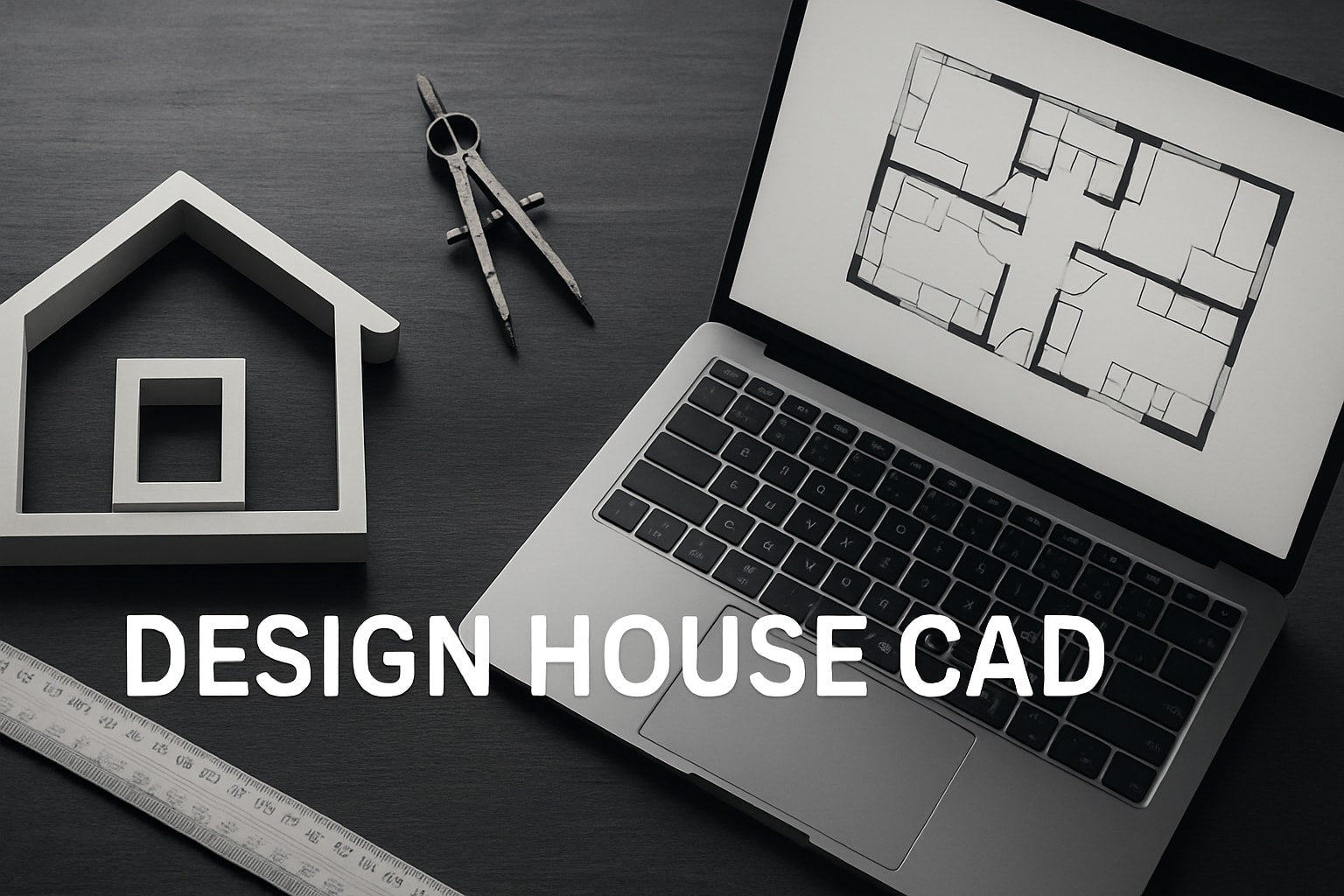
The future of design is digital. Are you prepared to master the tools that will shape tomorrow’s interiors? In this guide, you will discover expert insights into design house cad, designed to help you thrive in a rapidly evolving landscape.
Explore the latest trends, next-generation features, and workflow strategies that are redefining the industry. Whether you are a seasoned professional or an aspiring enthusiast, this resource will empower you to stay ahead, work more efficiently, and adopt best practices for 2026 and beyond.
Evolution of CAD in Design Houses: 2020–2026
The evolution of design house cad between 2020 and 2026 has been transformative, redefining how interior and architectural professionals create, collaborate, and deliver projects. This period marks a shift from traditional drafting to intelligent, connected digital environments that empower teams to work smarter and faster.

Technological Advancements and Market Trends
The design house cad landscape has seen groundbreaking changes in recent years. AI-powered design tools have become essential, automating tasks like drafting, error detection, and optimization. Designers now benefit from machine learning algorithms that suggest material choices, layout improvements, and even generate parametric models at the click of a button.
Cloud-based CAD platforms have surged in popularity, enabling teams to access, edit, and share projects from anywhere. By 2026, industry reports predict that 70 percent of design firms will rely on cloud CAD, making remote collaboration not just possible, but efficient and secure. Real-time co-editing, automatic version control, and seamless integration with project management tools are now standard expectations.
The demand for remote collaboration has driven the development of tools that allow multidisciplinary teams to work together without boundaries. Autodesk’s Fusion 360, for instance, combines cloud integration with AI-driven modeling, offering a glimpse into the future of design house cad.
There's also a decisive move from 2D drafting to 3D parametric modeling. This shift not only boosts accuracy and creativity but opens the door for immersive technologies. VR and AR are increasingly used for design visualization, enabling clients to experience spaces before construction begins.
Early adoption of these technologies gives design houses a significant competitive advantage. Firms that quickly embrace easy 3D CAD for everyone position themselves at the forefront, attracting clients seeking innovation and efficiency.
Shifts in Design House Workflows
Alongside technology, design house cad workflows have adapted to support modern project demands. The rise of hybrid and fully remote teams is now a defining feature of the industry. Real-time collaboration features in CAD software allow multiple users to co-edit models, review changes instantly, and resolve issues on the fly.
Building Information Modeling (BIM) has become a cornerstone for multidisciplinary projects, integrating architectural, structural, and interior elements within a single digital environment. This fosters better coordination and reduces costly errors during construction.
Integration with project management and communication platforms streamlines approvals and revision cycles. Digital asset libraries, analytics, and automated reporting now inform data-driven design decisions, helping teams optimize resources and timelines.
Workflow digitization has transformed project speed and accuracy. By leveraging advanced design house cad tools, firms can deliver projects faster, maintain higher quality, and respond quickly to client feedback. This evolution ensures that design houses remain agile, competitive, and prepared for the demands of 2026 and beyond.
Essential CAD Features and Tools for 2026
The landscape of design house cad is rapidly transforming, with new features and smarter tools setting the pace for innovation. As 2026 approaches, staying updated with the essential capabilities and requirements is critical for any design house cad professional seeking to remain competitive.
Next-Gen CAD Capabilities
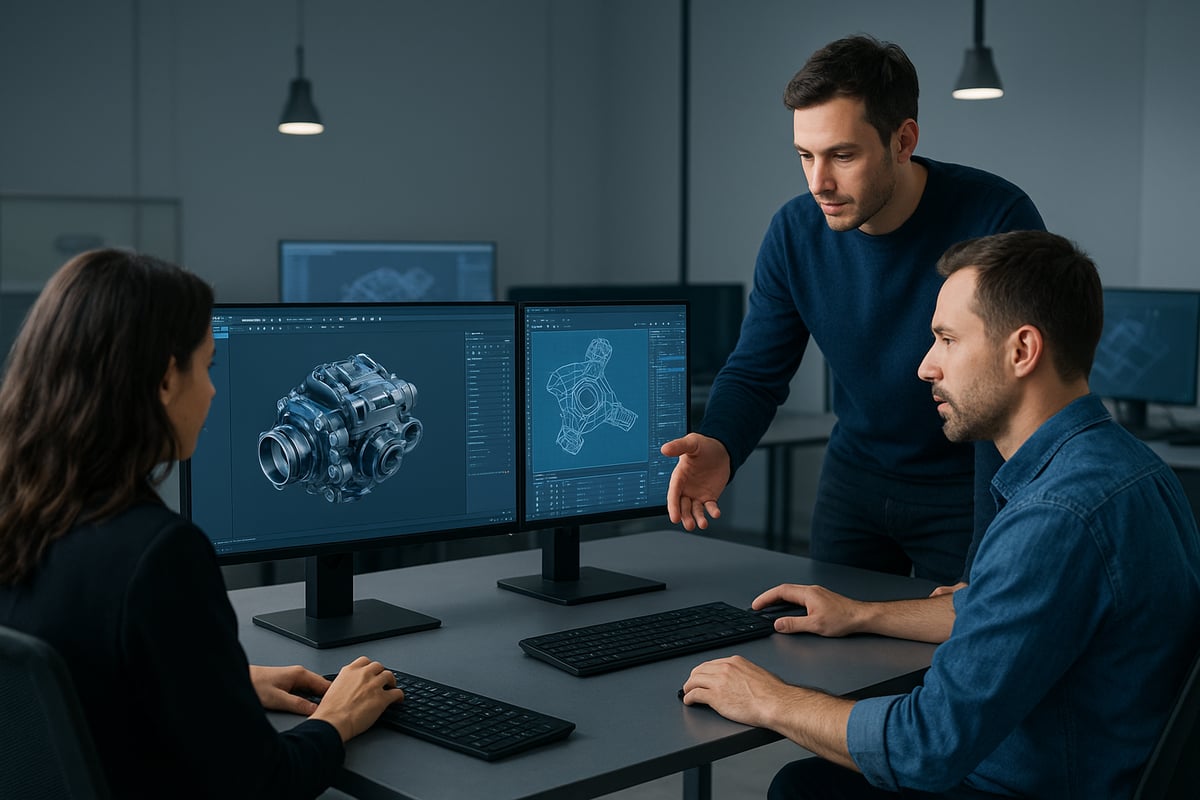
The core of design house cad workflows in 2026 revolves around intelligent automation and immersive experiences. AI-assisted drafting speeds up repetitive tasks and reduces human error, allowing designers to focus on creativity. Error detection systems, powered by machine learning, identify clashes or inconsistencies before they escalate.
Real-time rendering is now a standard, enabling instant visualization and feedback during the design process. According to recent industry surveys, 60% of firms prioritize real-time rendering to enhance client presentations and streamline revisions. Advanced parametric and generative design tools, such as Grasshopper for Rhino, empower teams to explore complex design alternatives efficiently.
Seamless 3D modeling, coupled with robust interoperability, ensures that design house cad assets can move effortlessly between platforms. Enhanced version control and file management make collaboration smoother, especially for remote teams. Integration of VR and AR allows immersive client walkthroughs, making approvals faster and more engaging.
A digital asset library, like the Design CAD Asset Collection, is invaluable for design house cad teams. These curated resources offer reusable models and templates, saving time and ensuring consistency across projects.
Hardware and Software Requirements
For design house cad professionals, hardware investment remains a cornerstone of performance. Optimal workstations in 2026 feature multicore CPUs, high-end GPUs, and at least 64GB of RAM, paired with ultra-high-resolution displays for precise visualization. These specs are essential for handling complex 3D models and real-time rendering tasks without lag.
Cloud-based processing is gaining traction, offering flexibility and scalability for design house cad projects. While cloud solutions enable remote access and collaboration, some firms still prefer local processing for sensitive data or maximum responsiveness. Compatibility with tablets and mobile devices ensures that designers can review or annotate models on the go, increasing agility.
Security enhancements are vital, as design house cad files often contain proprietary information. Modern software includes advanced encryption, user permissions, and secure cloud storage to protect valuable assets. Investing in future-proof hardware and software guarantees that design house cad workflows remain efficient as technology evolves.
Building an Efficient CAD Workflow in a Design House
Achieving efficiency in a design house cad workflow requires more than just the latest software. It demands a thoughtful approach to planning, collaboration, automation, and continuous team development. By optimizing each step, design studios can deliver projects faster, reduce errors, and stay ahead in the competitive digital landscape.
Project Planning and Template Utilization
A well-structured design house cad project starts with standardized templates. These ensure consistency, minimize repetitive setup, and help teams hit the ground running for every new client. Custom 3D furniture models, branded presentation templates, and organized digital asset libraries all contribute to a smoother workflow.
- Use reusable 3D models for common furniture and fixtures.
- Develop branded mood-board and estimate templates for client presentations.
- Organize digital assets in a searchable library for quick access.
Investing in templates that follow industry standards, such as those outlined in the Manufacturing-Ready 3D CAD Format, can also streamline collaboration with vendors and manufacturing partners. This level of preparation reduces errors, speeds up approvals, and keeps projects on track.
Collaboration and Version Control
Collaboration is at the core of any successful design house cad workflow. Modern CAD platforms support real-time co-editing, allowing remote and hybrid teams to work together seamlessly. Cloud-based project sharing eliminates version confusion and enables instant feedback.
- Enable version history tracking to review changes and restore previous states.
- Assign permissions to control access for different team roles.
- Use platforms like Autodesk BIM 360 for multi-user coordination.
Efficient version control not only prevents costly mistakes but also ensures everyone is working from the most up-to-date files. Streamlined communication and approval processes keep the project moving forward.
Automation and Customization
Automation transforms the pace and precision of a design house cad workflow. Scripts and macros can handle repetitive tasks, freeing designers to focus on creativity. Customizing toolbars and keyboard shortcuts further enhances speed and user comfort.
- Automate dimensioning, labeling, and repetitive modeling tasks.
- Customize tool interfaces to match team preferences.
- Integrate CAD tools with project management platforms like Asana or Trello.
Data-driven workflow optimization is also possible by analyzing usage analytics. This helps teams identify bottlenecks and refine their processes for maximum efficiency.
Training and Upskilling for Teams
Continuous learning is essential for any design house cad team aiming for excellence. Online tutorials, certifications, and in-house training programs keep skills sharp and teams adaptable to new technologies.
- Schedule regular workshops and skills assessments.
- Encourage cross-disciplinary training between design, engineering, and project management.
- Offer access to self-paced online CAD courses for ongoing development.
Upskilled teams are more innovative and less prone to errors. Fostering a culture of learning gives design houses a competitive edge and ensures long-term growth.
How Craft’n Build Empowers Modern CAD Workflows
Craft’n Build provides powerful resources for design house cad professionals. Its extensive digital asset library features pre-designed CAD furniture models and customizable templates, saving valuable setup time.
Design teams benefit from self-paced online courses that keep them current with the latest CAD techniques. Business solutions include project management tools, mood-board templates, and client communication assets that unify every stage of the workflow.
By streamlining asset management, supporting remote collaboration, and ensuring project consistency, Craft’n Build helps design houses deliver better results, faster.
Integrating CAD with Other Design Technologies
In today’s rapidly evolving landscape, design house cad is no longer a standalone discipline. Integrating CAD with other advanced technologies like BIM, VR/AR, and centralized data management is essential for delivering innovative, efficient, and client-focused interior solutions. By leveraging these integrations, design houses can streamline their workflows, enhance collaboration, and future-proof their operations.
BIM and CAD: A Powerful Combination
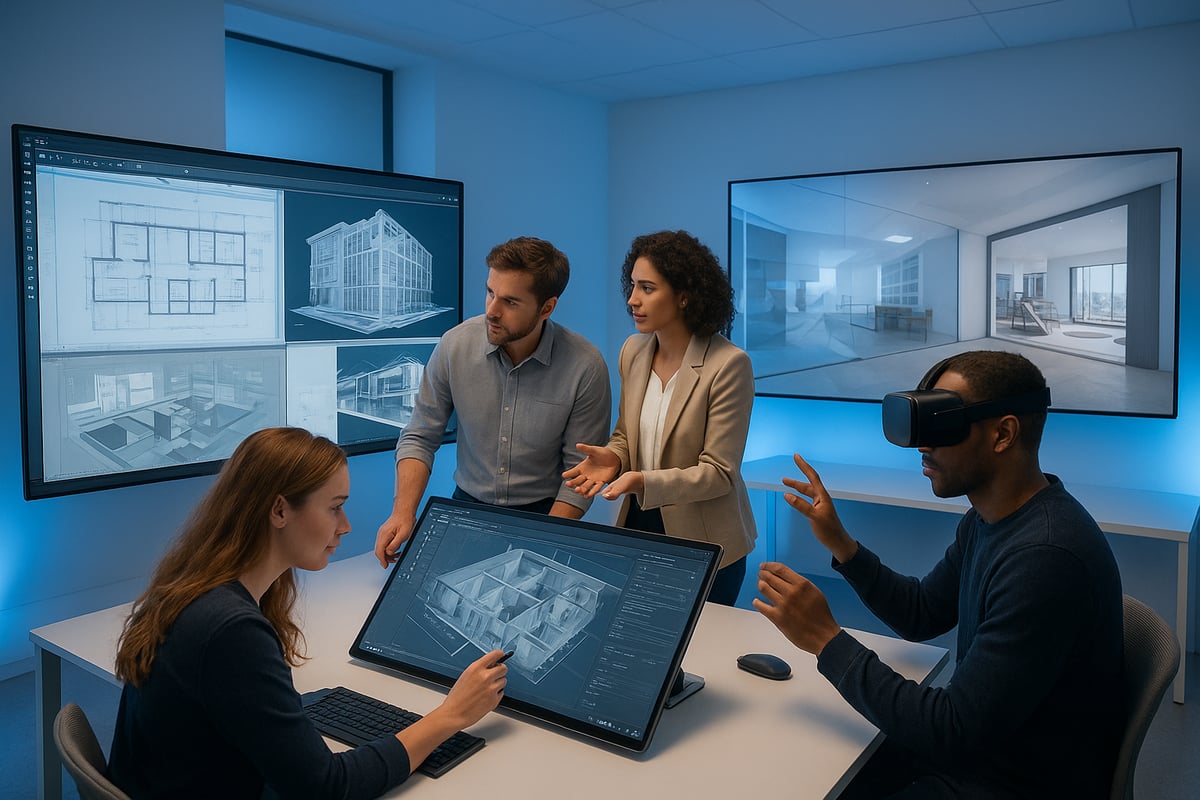
The fusion of Building Information Modeling (BIM) with design house cad is transforming project delivery. BIM enables multidisciplinary teams to coordinate architectural, structural, and interior elements within one intelligent model. This integration reduces errors and improves efficiency by allowing real-time data sharing between CAD and BIM environments.
Data exchange standards like IFC, RVT, and DWG ensure that models created in design house cad software remain compatible across platforms. For example, a designer can create detailed furniture layouts in CAD and seamlessly import them into a BIM workflow for clash detection and coordination. This synergy not only enhances collaboration but also supports more accurate project documentation.
To explore the benefits in depth, see BIM benefits for architects, which highlights how BIM improves project outcomes when paired with robust CAD processes.
VR/AR for Visualization and Client Engagement
The integration of VR and AR technologies with design house cad is revolutionizing client presentations and design validation. CAD models can be transformed into immersive VR walkthroughs, allowing clients to experience spaces before construction begins. This fosters better feedback and quicker approvals.
On-site, AR overlays CAD-generated designs onto real environments using mobile devices or smart glasses. This empowers designers to validate dimensions and aesthetics in the actual space, reducing costly revisions. Real-time VR presentations, powered by design house cad data, create memorable experiences that set design houses apart from the competition.
Adopting VR/AR in tandem with design house cad enhances both communication and confidence, giving clients a clear vision of the final result and supporting data-driven decisions throughout the project lifecycle.
Interoperability and Data Management
Seamless integration between design house cad and other platforms is critical for efficient workflows. However, challenges often arise due to differing file formats, software incompatibility, and data silos. APIs, plugins, and standardized formats like IFC and DWG are key solutions to these issues.
Centralized, cloud-based asset management systems enable teams to store, access, and share CAD files, renderings, and specifications from anywhere. This not only supports remote collaboration but also ensures data security and version control. By integrating design house cad with rendering, animation, and engineering tools, design firms can maximize productivity and reduce duplication of effort.
A table summarizing common integration challenges and solutions:
| Challenge | Solution |
|---|---|
| File incompatibility | Use standardized formats |
| Data silos | Cloud asset management |
| Software mismatch | APIs and plugins |
Future-Proofing Your Tech Stack
To remain competitive, design houses must continually evaluate their technology stack and ensure that design house cad integrates smoothly with emerging tools. Adopting platforms that support open standards and flexible APIs helps reduce workflow bottlenecks and future-proofs operations.
Regularly assessing compatibility with new VR/AR devices, BIM systems, and cloud solutions keeps workflows agile. Investing in scalable, integrated platforms allows design house cad to adapt to changing project requirements and client expectations.
Ultimately, an integrated tech stack not only boosts efficiency but also positions design houses to embrace innovation, streamline processes, and deliver outstanding results in a digital-first environment.
Essential Skills and Training for CAD Designers in 2026
To excel in the rapidly evolving world of design house cad, professionals need a blend of technical mastery, collaborative abilities, and a commitment to lifelong learning. As digital tools transform the industry, staying ahead requires focused skill-building and adaptability.
Technical Proficiency and Certification
Mastering design house cad begins with a strong foundation in core software tools. Designers must be fluent in 2D drafting, 3D modeling, and advanced rendering techniques. Certification, such as Autodesk Certified Professional, validates these skills and demonstrates expertise to employers and clients.
Specialized skills are increasingly valuable. Generative design, parametric modeling, and AI-assisted workflows are becoming standard in design house cad environments. The table below summarizes key technical skills and their relevance for 2026:
| Skill Area | Importance | Certification Available |
|---|---|---|
| 2D Drafting | Essential | Yes |
| 3D Modeling | Critical | Yes |
| Rendering | High | Yes |
| Generative Design | Growing | Yes |
| Parametric Modeling | Advanced | Yes |
Pursuing recognized certifications not only boosts confidence but also ensures that design house cad professionals remain competitive as technology advances.
Soft Skills and Collaboration
Technical talent alone is not enough for success in design house cad. Effective communication and seamless teamwork are vital, especially as remote and hybrid environments become standard. Designers must articulate ideas clearly, interpret client feedback, and collaborate with architects and engineers.
Problem-solving and creative thinking distinguish the best design house cad practitioners. When faced with complex challenges, the ability to brainstorm solutions and adapt on the fly is invaluable. Cross-functional collaboration, where designers work closely with other disciplines, leads to innovative results and efficient workflows.
Strong interpersonal skills foster trust and transparency, making the entire design process smoother for all stakeholders.
Continuous Professional Development
The pace of change in design house cad means ongoing education is essential. Leading professionals invest in online courses, webinars, and community forums to stay current with new software features and industry trends. According to recent industry surveys, 80% of top-performing designers prioritize continuous learning.
Accessible resources such as Online CAD Learning Courses make it easier for designers to upskill at their own pace. By engaging with these materials, professionals ensure their knowledge remains relevant and comprehensive.
Staying updated with emerging technologies and best practices helps design house cad experts maintain a competitive edge and deliver high-quality results for clients.
Portfolio and Presentation Skills
A compelling digital portfolio is a cornerstone for every design house cad professional. Showcasing detailed CAD visualizations, rendered models, and immersive VR walkthroughs demonstrates both technical and creative strengths.
Effective presentations are equally important. Using clear visuals and interactive media, designers can communicate concepts persuasively and address client questions in real time. This approach builds trust and positions the designer as a knowledgeable partner.
Strong portfolios and confident presentation skills accelerate career growth and open new opportunities in the competitive design house cad landscape.
The Future of Design House CAD: Trends and Predictions for 2026 and Beyond
The landscape of design house cad is rapidly evolving, driven by innovation, client demands, and the global shift toward digital workflows. As we look to 2026 and beyond, several trends will redefine how professionals approach design, collaboration, and technology adoption within this field. Staying informed and adaptable is essential for those aiming to lead the next era of design.
AI and Automation in Design
AI and automation are transforming the capabilities of design house cad tools. Generative design algorithms now propose optimized layouts and material usage, significantly accelerating the drafting process. Automated error detection helps reduce costly revisions and supports higher accuracy in deliverables.
By 2026, AI-driven space planning and automated material selection will be common features in leading CAD platforms. These advances are not just theoretical. According to AI adoption in construction, a growing number of firms are already integrating AI to streamline workflows and boost productivity. As automation becomes more sophisticated, designers must adapt by focusing on creative problem-solving and overseeing intelligent systems.
Sustainability and Eco-Conscious Design
Sustainability is no longer optional in the world of design house cad. New tools allow designers to integrate environmental metrics directly into their workflows. Life-cycle analysis and material optimization features make it easier to evaluate the impact of design choices from the earliest stages of a project.
By 2026, most leading CAD platforms will include built-in sustainability dashboards. These enable real-time feedback on energy consumption, carbon footprint, and material efficiency. Industry forecasts show that 65% of firms plan to increase their focus on sustainable design, reflecting both client expectations and regulatory pressures. Embracing these tools gives design houses a competitive edge and demonstrates social responsibility.
Globalization and Remote Collaboration
Design house cad is increasingly supporting global collaboration. Cloud-based platforms enable teams to work together across continents, breaking down traditional barriers. International project teams can access the same design files in real time, ensuring continuity and consistency.
Real-time editing, version control, and seamless sharing are now standard features. Tools like BIM and Revit support multidisciplinary projects and make cross-border teamwork more efficient. For practical guidance, resources such as Revit collaboration best practices offer valuable tips for optimizing these workflows. Embracing globalization unlocks new opportunities and enhances project diversity.
Evolving Client Expectations
The expectations for design house cad outputs are higher than ever. Clients demand faster turnaround times, frequent updates, and immersive experiences such as VR walkthroughs or AR presentations. These requirements are shaping how design houses structure their processes and deliverables.
To meet these needs, design teams are adopting agile project management methods and leveraging real-time rendering tools. Providing clear, interactive visualizations helps build trust and accelerates decision-making. Those who adapt quickly to these evolving standards will secure stronger client relationships and more repeat business.
Preparing for What’s Next
To thrive in the future of design house cad, firms must prioritize innovation and resilience. This means investing in ongoing training, evaluating new technologies for compatibility, and developing workflows that can withstand disruption.
Strategies for future-proofing include building modular tech stacks, encouraging continuous learning, and fostering a culture open to experimentation. By staying agile and proactive, design houses can adapt to industry shifts and maintain long-term success. The path forward is dynamic, and those prepared to evolve will shape the future of design.
As you look ahead to mastering the evolving world of CAD for design houses, remember that having access to high quality resources can make all the difference. Whether you want to sharpen your skills, streamline your workflow, or experiment with new design possibilities, leveraging ready made 3D models is a smart move. At Craft n Build Design Co., you can find expertly crafted digital assets and supportive tools designed to help you stay ahead of industry trends. If you’re ready to bring your furniture concepts to life with professional grade CAD models, learn how to create furniture designs with premade 3D cad.

Share:
Design House Guide: Your Roadmap to Creative Success 2026
7 Essential Soft Interior Ideas to Transform Your Space in 2026