




In today's rapidly evolving world of interior design, the soft interior approach is transforming how we experience our homes. As comfort and ambiance become top priorities, more people are embracing soft interior solutions to create inviting and personalized living spaces.
This article uncovers seven essential soft interior ideas that will dramatically reshape any environment by 2026. From layering luxurious textiles and mixing patterns to adopting sustainable materials and harnessing the power of color psychology, you will discover practical strategies to refresh your space.
Stay ahead of the curve with insights into the latest trends and actionable tips that will help you design a home that is both stylish and uniquely yours.
Understanding Soft Interiors: The Foundation of a Cozy Home
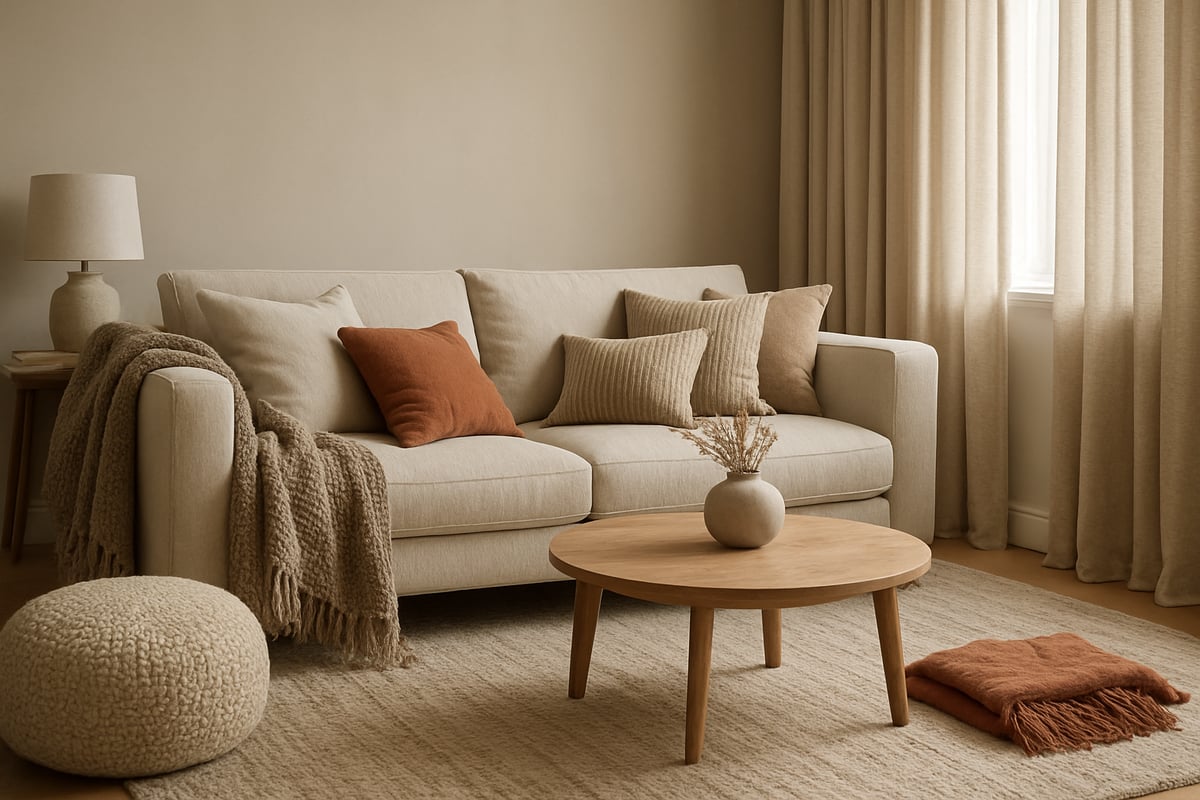
Creating a truly inviting home starts with understanding the essence of soft interior design. Unlike hard elements such as furniture or architectural features, soft interiors refer to the tactile, flexible layers that add warmth and comfort. These include textiles, cushions, throws, rugs, curtains, and upholstered pieces. Each plays a unique role in shaping the atmosphere, making spaces feel more welcoming and soothing.
What Are Soft Interiors?
Soft interior elements are the foundation of a cozy and personalized space. They serve as the finishing touches that transform a house into a home. Common examples include:
- Velvet or linen cushions placed on sofas
- Wool or cotton throws draped over chairs
- Area rugs that define and warm up rooms
- Floor-length curtains framing windows
- Upholstered headboards and ottomans
These features not only enhance visual appeal but also invite touch, encouraging relaxation and comfort.
The Psychological Power of Soft Interiors
The impact of soft interior design goes beyond aesthetics. Studies show that tactile furnishings help reduce stress, support relaxation, and foster a sense of well-being. A plush rug underfoot or a soft throw over the shoulders can instantly create a calming atmosphere. The rise of comfort-focused living is backed by recent data, with more homeowners prioritizing softness and sensory pleasure in their interiors.
As people spend more time at home, there is a clear shift toward environments that feel nurturing and restorative. Soft interiors act as a buffer against the outside world, creating sanctuaries where occupants can unwind.
Versatility and Adaptation in Modern Spaces
One of the greatest strengths of soft interior design is its adaptability. Unlike structural changes, updating textiles and accessories offers a quick and cost-effective way to refresh any room. For renters and homeowners alike, swapping out cushions, adding seasonal throws, or layering rugs can instantly change the look and feel.
This flexibility makes it easy to experiment with different colors, patterns, and textures as trends evolve. For a step-by-step approach to integrating soft furnishings and creating a cozy home, you can explore the Interior Design Guide 2025.
Personalization and Layering Techniques
Personal expression is at the heart of soft interior design. Customizing spaces with handpicked textiles, unique pillow covers, or bespoke drapery allows for true individuality. Layering these elements adds dimension and depth, turning flat rooms into dynamic, visually interesting environments.
Try mixing materials such as velvet with linen or wool with cotton for a rich, inviting effect. Layering not only enhances aesthetics but also adapts to changing seasons, offering both warmth in winter and lightness in summer.
Soft interiors give everyone the freedom to curate a home that reflects their lifestyle, preferences, and story.
7 Essential Soft Interior Ideas to Transform Your Space in 2026
Transforming your home in 2026 is all about mastering the art of soft interior design. By focusing on tactile details, layering, and personalization, you can create a space that feels both current and deeply comforting. Explore these seven essential soft interior ideas to refresh your rooms with style, warmth, and a sense of belonging.
1. Layering Textiles for Depth and Warmth
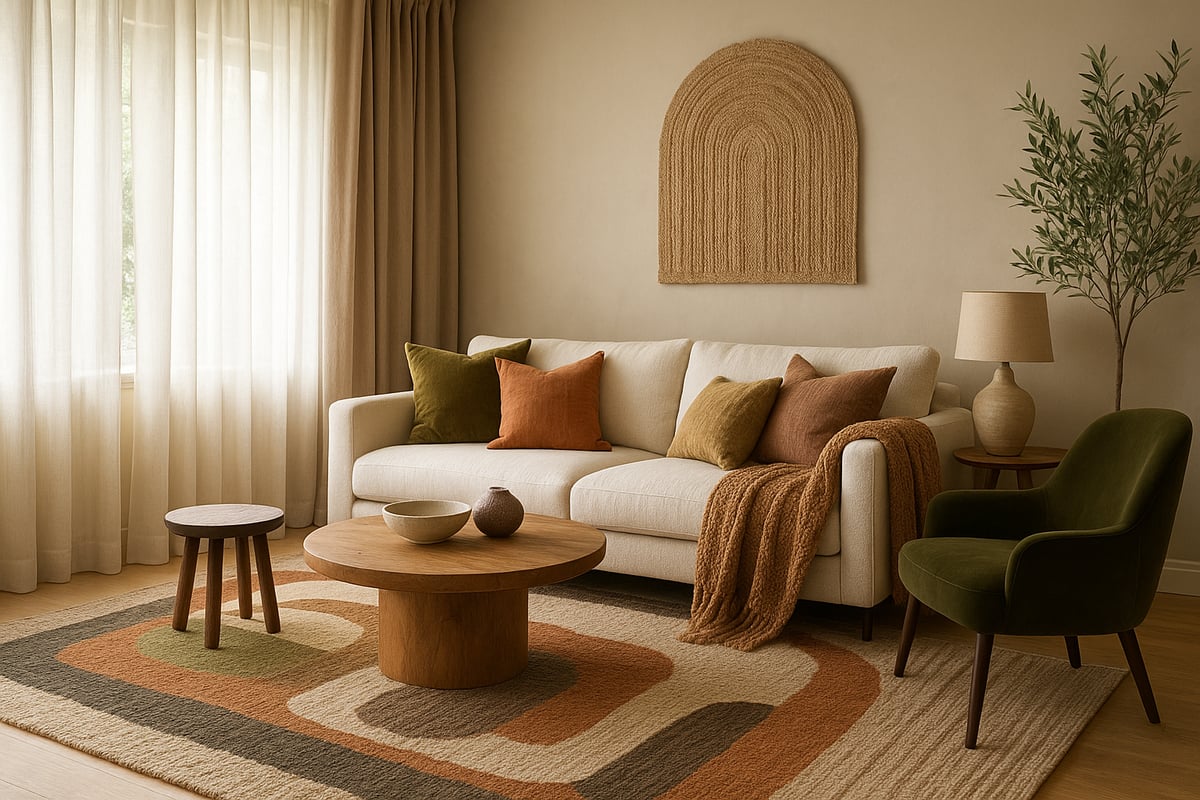
Layering is the foundation of contemporary soft interior design. This technique involves draping different textiles—such as throws, blankets, and pillows—across furniture to build depth and comfort. The result is a visually dynamic and inviting space.
Mixing textures is key. Combine velvet with linen, or pair wool with cotton to create contrast. This tactile interplay not only enhances the look but also makes the soft interior feel welcoming. For instance, a velvet throw over a linen sofa, topped with a chunky knit cushion, instantly elevates the room's ambiance.
Patterns and colors add personality. Try mixing stripes with florals or solids with geometric prints. Seasonal layering keeps your soft interior adaptable; swap lightweight cottons in the summer for cozy wool in winter.
Layering is especially useful in large rooms, making them feel cozier, while in smaller spaces, it injects energy and complexity. According to recent surveys, demand for plush, layered interiors has risen sharply, reflecting a shift toward comfort-focused living.
To get started, select a base color palette, then build up with complementary hues and varied textures. Remember, the right layering can make any soft interior feel curated and intentional.
2. Embracing Sustainable and Natural Materials
Sustainability is a defining theme for the soft interior of 2026. Homeowners are choosing eco-friendly, organic, and renewable materials such as organic cotton, bamboo, hemp, and recycled fibers. These options support both environmental responsibility and personal well-being.
The benefits are twofold. Environmentally, these materials reduce carbon footprints and reliance on harmful chemicals. For health, they minimize allergens and promote better indoor air quality. Look for certifications like GOTS or OEKO-TEX when shopping for soft interior items.
Natural rugs, curtains, and upholstery infuse your home with an organic touch. Unprocessed textures—think raw linen or chunky wool—offer tactile appeal and timeless beauty. Data shows a growing consumer preference for sustainable home goods, reflecting a broader desire for mindful living.
To integrate these materials, start with a hemp rug or bamboo curtains. These elements create a calming atmosphere and pair well with a wide range of decor styles. Sustainable choices in your soft interior ensure your space remains stylish and future-proof.
3. Playing with Color Psychology in Soft Furnishings
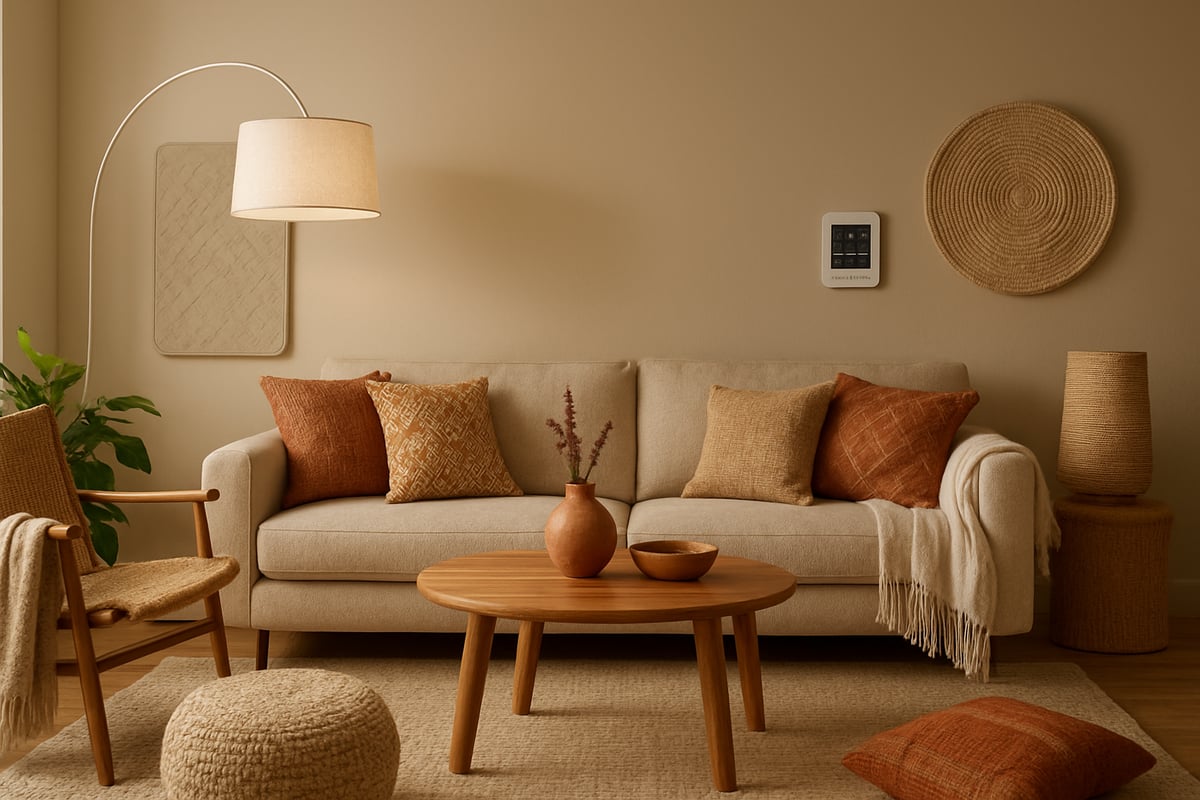
Color psychology is a powerful tool in soft interior design. The colors you choose for cushions, rugs, and drapes can transform the mood of your space. Select a palette that suits your desired atmosphere—soft blues and greens for calm, warm earth tones for coziness, or bold jewel tones for energy.
For 2026, trending colors include olive, clay, and mushroom, which evoke warmth and grounding. These shades are perfect for a soft interior that feels both modern and inviting. Accent colors, such as deep emerald or terracotta, can add vibrancy without overwhelming the senses.
Experiment by introducing color through soft furnishings. Use monochromatic schemes for sophistication, or mix complementary tones for a playful effect. Recent surveys highlight a preference for earthy palettes in interior design, underlining the importance of color in shaping experiences.
If you want to refresh your soft interior without commitment, start with removable covers or small accessories. This strategy allows you to adapt as trends evolve, keeping your home stylish and emotionally resonant.
4. Incorporating Statement Rugs and Carpets
Rugs and carpets are foundational elements in any soft interior. In 2026, oversized rugs, bold patterns, and layered looks are in vogue. These pieces not only anchor a room’s design but also contribute to acoustics, comfort, and visual zoning.
Choosing the right rug involves considering size, shape, and placement. For example, an oversized artisan rug can define a living area, while a runner adds warmth to hallways. Layering smaller rugs atop larger ones creates texture and visual interest within your soft interior.
Natural fiber rugs—such as jute or wool—are both durable and eco-friendly. Bold patterns, including geometric or abstract designs, bring personality to otherwise neutral rooms. Data indicates a resurgence in demand for hand-crafted rugs, reflecting a desire for uniqueness and quality in soft interior selections.
Maintenance is essential. Opt for materials that suit your lifestyle, and use rug pads to extend longevity. A well-chosen statement rug can transform the overall feel, making your soft interior memorable and cohesive.
5. Maximizing Comfort with Cushions and Throws
Cushions and throws are the soul of a soft interior, offering both comfort and visual appeal. Mixing sizes, shapes, and textures creates a designer look that feels intentional and inviting.
Layer cushions in varying heights and densities on sofas and beds. For a soft interior that stands out, combine velvet, boucle, and cotton for tactile richness. Choose hypoallergenic inserts or ergonomic designs for added support.
Bold prints and personalized embroidery are trending, allowing you to showcase your style. Consumer spending data reveals a strong interest in upgrading home soft goods, with many opting for seasonal swaps to keep spaces fresh.
For versatility, rotate cushion covers and throws according to the season. This simple update can make your soft interior feel new throughout the year. Remember, the right arrangement not only boosts comfort but also elevates the overall design.
6. Enhancing Ambiance with Curtains and Drapery
Curtains and drapery play a pivotal role in shaping the ambiance of a soft interior. They regulate light, provide privacy, and set the mood for any room. Selecting the right fabric, length, and style is crucial for achieving harmony.
Layering sheer and blackout curtains offers versatility—sheers diffuse daylight, while blackout panels ensure restful sleep. Trending materials for 2026 include textured linens, patterned jacquards, and eco-friendly blends, all of which enhance the sensory experience of your soft interior.
Proper installation ensures longevity. Hang curtains higher and wider than the window frame to create an illusion of height and grandeur. Maintenance, such as regular cleaning and care, preserves the beauty and function of your soft interior elements.
Curtains are not limited to windows. Use drapery as room dividers, bed canopies, or even wall hangings for a creative twist. Energy efficiency data highlights the value of quality window treatments in reducing heat loss, making them not just beautiful but practical additions to any soft interior.
7. Personalizing Spaces with Unique Soft Accessories
Personalization is the hallmark of a distinctive soft interior. In 2026, artisan-made, hand-embroidered, and custom-designed pieces are at the forefront. These accessories—like poufs, fabric wall hangings, and decorative baskets—tell your story and add soul to your space.
Mood boards and digital tools make planning your soft interior easy. Curate items that reflect your interests, travels, or memories. Sourcing unique pieces from local makers or online platforms brings authenticity and meaning to your home.
Storytelling is central to a memorable soft interior. Choose accents that resonate with you, whether it’s a handwoven floor cushion or a vintage-inspired throw. For inspiration or to find accessories that elevate your space, explore the Decor Accessories Collection, which offers a curated range of cushions, throws, and more for personalized interiors.
Consumer interest in meaningful home accents continues to rise. By investing in one-of-a-kind pieces, you ensure your soft interior remains timeless and uniquely yours.
The Role of Mood Boards and Digital Design Tools in Soft Interior Planning
In the evolving world of soft interior design, planning tools have become essential for turning inspiration into reality. Mood boards and digital design platforms empower both professionals and homeowners to visualize, refine, and coordinate every detail before making any investment. These resources bridge the gap between imagination and execution, ensuring that every soft interior element harmonizes beautifully.
Creating Vision: The Power of Mood Boards
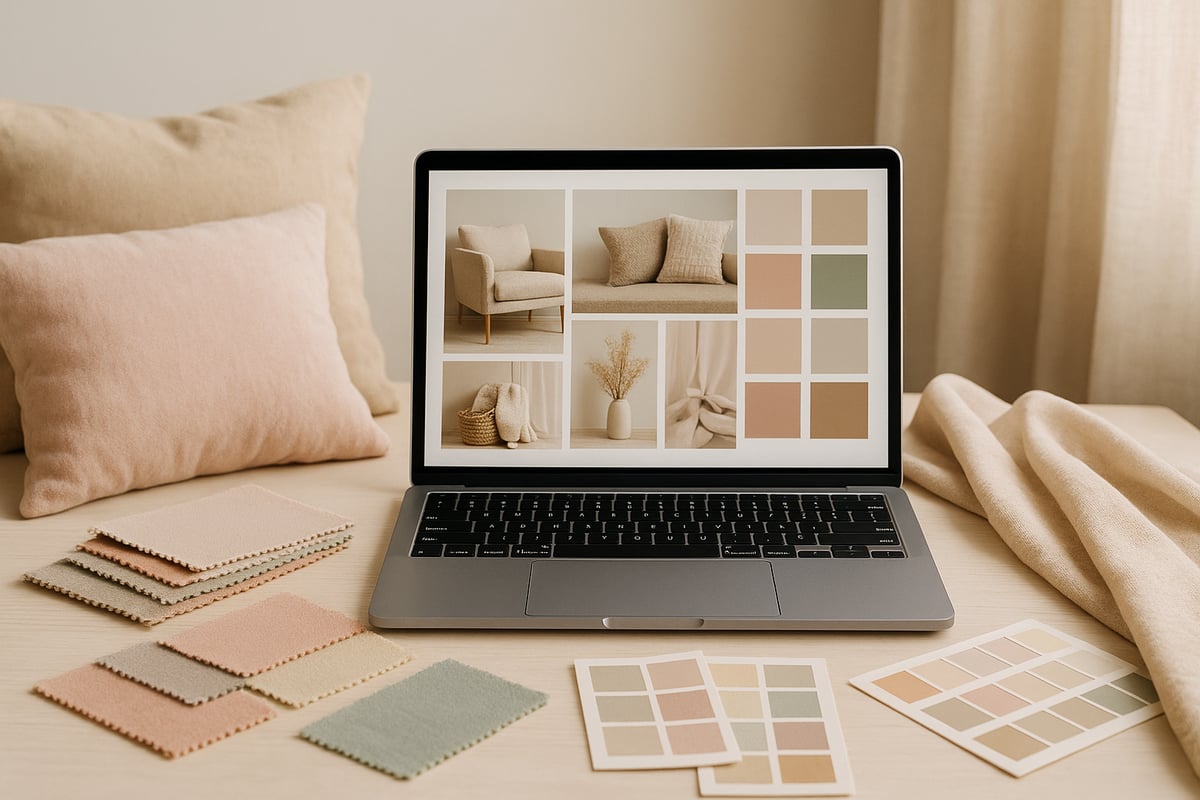
Mood boards serve as the creative foundation for any soft interior project. By assembling images, textures, colors, and patterns, you can experiment with different combinations and instantly see how they interact. This process gives clarity to your vision and prevents costly mistakes.
A well-constructed mood board makes it easier to communicate ideas, whether working solo or with a design team. It also helps identify gaps in your soft interior scheme, such as missing accent colors or overlooked textures. This strategic approach ensures each element, from cushions to curtains, supports the overall design goal.
Leveraging Digital Tools for Soft Interior Success
The digital age has transformed soft interior planning. Today, 3D modeling software and online platforms allow you to test layouts, swap fabrics virtually, and preview color palettes in real time. This reduces guesswork and streamlines decision-making.
Many designers and homeowners use downloadable Moodboard Templates for Interiors to jumpstart their projects. These templates simplify the process, offering structure and inspiration while allowing for full customization. Digital tools also enable quick adjustments as trends shift or personal tastes evolve, making them invaluable for modern soft interior projects.
Steps for Effective Mood Board Planning
To create a successful mood board for your soft interior, begin by gathering inspiration from magazines, online galleries, and fabric samples. Arrange these elements to compare colors, patterns, and textures side by side. Use digital platforms to upload photos, drag and drop items, and adjust layouts with ease.
Test various combinations by layering images of rugs, throws, and upholstered furniture. Pay attention to how each piece interacts, ensuring balance and cohesion. Regularly revisit your mood board to refine your choices and align them with your evolving soft interior vision.
Evolving with Trends and Accessible Resources
Staying current is vital in the world of soft interior design. DIY planning and online learning have made expert knowledge and design resources more accessible than ever. Templates, guides, and virtual workshops help both novices and professionals sharpen their skills.
Update your mood board regularly to reflect new trends, seasonal changes, or personal milestones. Embrace the flexibility these tools provide, and do not hesitate to experiment. The most successful soft interior spaces are those that grow and adapt alongside their owners, fueled by creativity and careful planning.
Future Trends: What’s Next for Soft Interiors in 2026 and Beyond
As we look toward 2026, the soft interior landscape is set for an exciting transformation. Evolving lifestyles, rapid technological advances, and a renewed focus on well-being are shaping the way we think about comfort and style. The soft interior of tomorrow will seamlessly blend innovation, sustainability, and cultural inspiration, offering homeowners endless possibilities for personalization.
Innovations in Materials and Technology
Emerging materials are redefining the soft interior category. Expect to see smart textiles that adapt their texture or color based on mood or lighting, as well as heated throws and cushions that combine comfort with connected technology. Sound-absorbing drapery will not only enhance acoustics but also create peaceful retreats within busy homes. Interactive cushions and modular upholstery are on the rise, offering dynamic solutions for flexible living. These innovations make the soft interior both functional and future-ready.
Global and Cultural Influences
The world’s design influences are converging, leading to a rich tapestry of global styles within the soft interior space. Cultural fusions, such as Japanese minimalism meeting Mediterranean warmth, are inspiring new forms, patterns, and textures. The trend of Soft Maximalism in Interior Design blends bold colors and tactile elements with curated restraint, resulting in spaces that are both expressive and harmonious. Homeowners are encouraged to embrace this diversity to create truly unique environments.
Wellness, Sustainability, and Sensory Experience
A growing emphasis on wellness and sustainability is driving material choices and design strategies. Soft interior selections increasingly include eco-friendly fibers, organic dyes, and handcrafted pieces that support both personal health and environmental responsibility. Sensory experiences are also prioritized, with layered textures and calming palettes promoting relaxation. According to Sustainable Materials in 2026 Home Design, natural materials and artisanal quality are top priorities for future-focused interiors.
Staying Ahead and Personalizing Your Space
To stay ahead in the soft interior game, homeowners should keep an eye on industry forecasts and experiment with digital resources for inspiration. Online platforms offer courses, virtual consultations, and digital mood boards, making it easier than ever to visualize and execute new ideas. Customization remains key, with more people seeking bespoke or locally crafted items that reflect their story. By blending technology, sustainability, and personal taste, anyone can create a soft interior that feels both current and deeply personal.
As you’ve seen, soft interior elements like textiles, rugs, and personalized accessories have the power to completely transform your space—no renovation required. If you’re feeling inspired to take your design skills further, why not start building a strong foundation in interior design? With expert guidance and practical strategies, you can confidently bring your vision to life, whether you’re updating a single room or reimagining your entire home. If you’re ready to dive deeper and turn these ideas into reality, I invite you to Get started with Interior Design.


Share:
Design House CAD Guide: Expert Insights for 2026
Modern Shabby Chic Guide: Style Your Space in 2026