




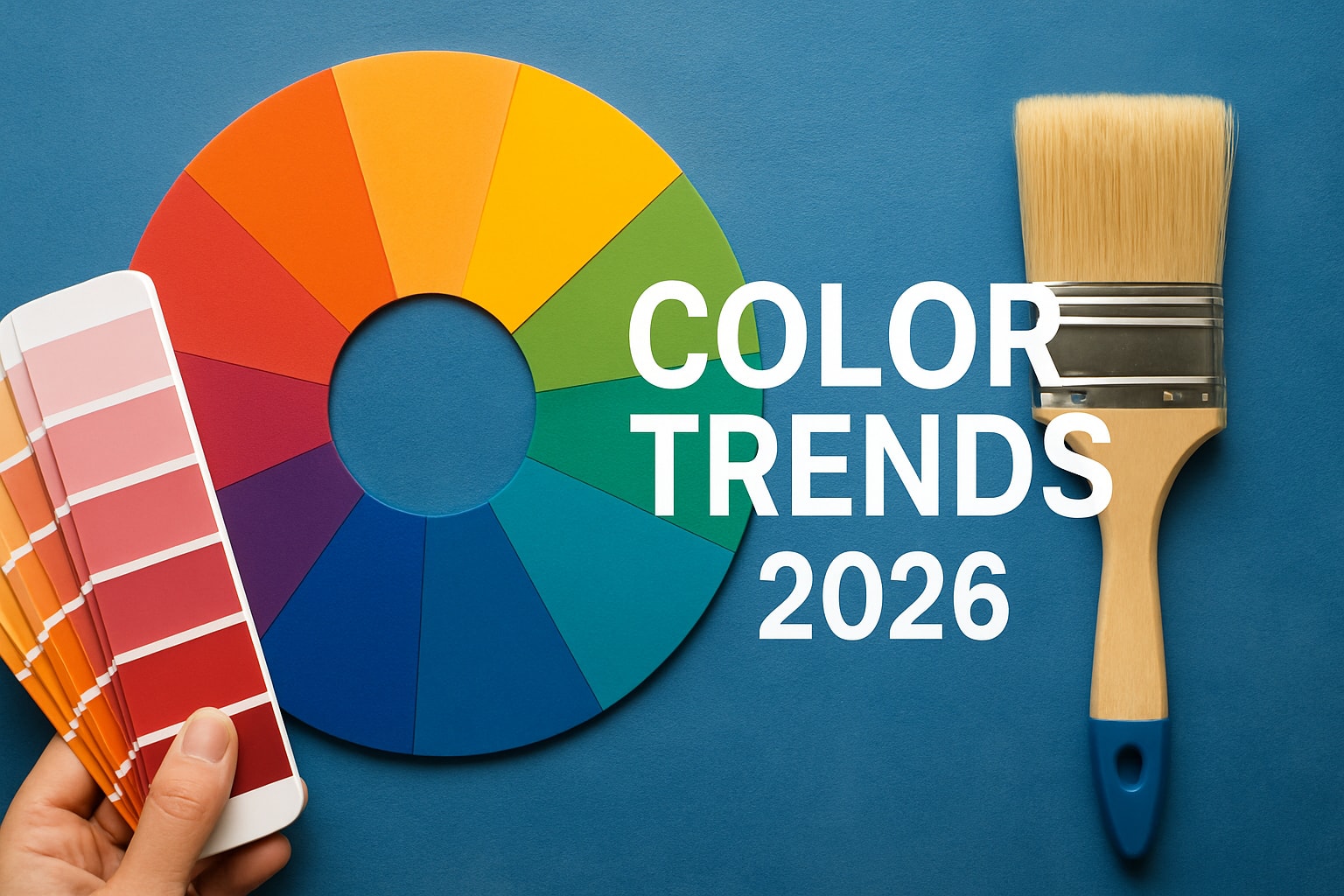
Color trends have the power to transform the way we live, work, and express ourselves. In 2026, a fresh wave of color trends is set to influence everything from our homes and wardrobes to creative projects across the globe.
This article explores the nine essential color trends that will define style in the coming year. These trends matter for designers, homeowners, and anyone eager to stay ahead of the curve.
Mastering these color directions can elevate your personal aesthetic and professional impact, opening doors to bold, forward-thinking design.
The Power and Influence of Color Trends in 2026
Color trends hold a transformative power over the way we perceive spaces, products, and even our moods. Their influence extends beyond surface aesthetics, shaping how we feel and interact with our environments. In 2026, the evolution of color trends continues to reflect a dynamic interplay between psychology, culture, and technology.
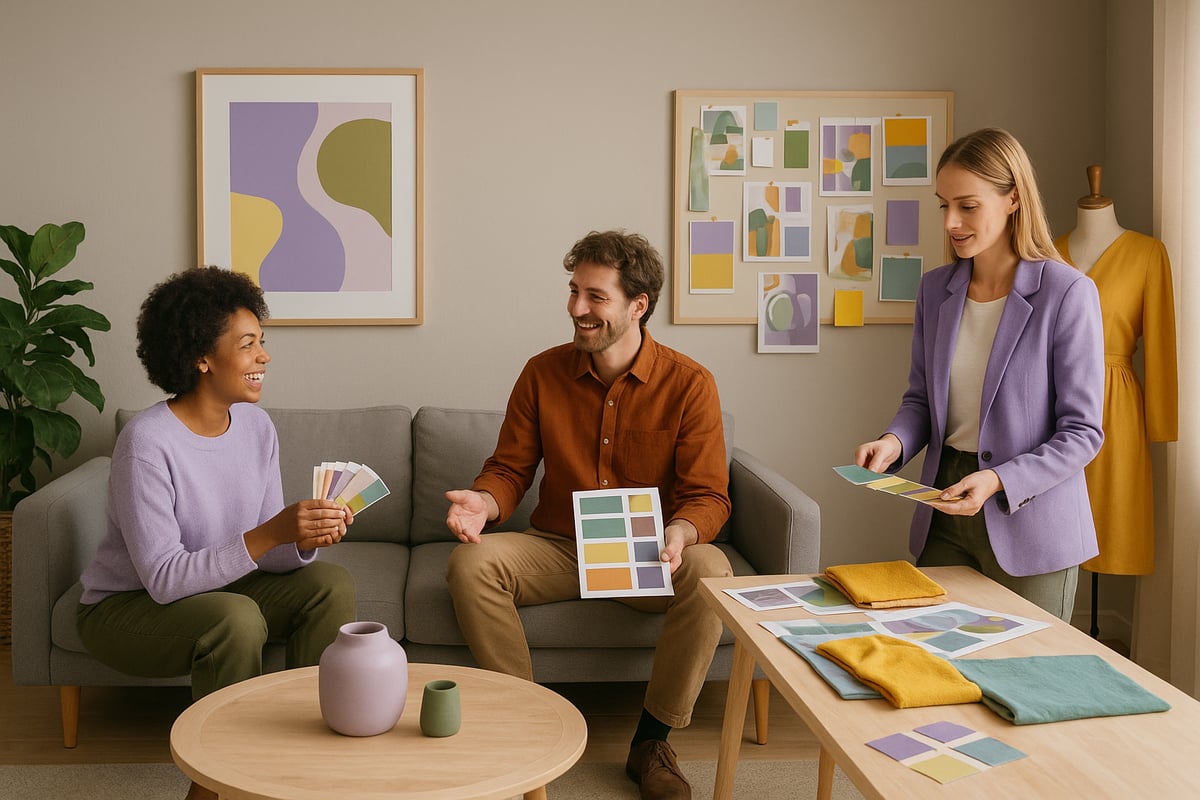
The Role of Color in Shaping Aesthetics and Emotions
Color trends play a crucial role in setting the emotional tone of any space or product. The right palette can evoke feelings of tranquility, excitement, or nostalgia. Designers carefully select colors to influence perception and drive engagement, knowing that a vibrant accent wall or a calming hue can change how people feel in a room.
In interiors, a shift from cool grays to warm neutrals can make a home feel more inviting. In fashion, bold shades can boost confidence or signal optimism. Across industries, color trends are a silent language, guiding choices and shaping experiences for consumers in subtle yet powerful ways.
Global and Cultural Drivers of Color Trends
Color trends do not emerge in isolation. They are often a reflection of global events, technological advancements, and shifting cultural values. For example, the growing emphasis on sustainability is inspiring palettes drawn from nature, such as lush greens and earthy browns.
Cultural exchange and digital connectivity have also accelerated the cross-pollination of regional color preferences. While some hues gain traction worldwide, others remain rooted in local traditions. As the world becomes more interconnected, color trends serve as a canvas for both global unity and individual expression.
Data-Driven Trend Forecasting
Modern color trends are increasingly shaped by data and predictive analytics. Trend agencies, social media platforms, and artificial intelligence monitor emerging patterns to forecast which hues will gain popularity. These predictions are informed by millions of data points, from runway shows to consumer sentiment online.
Industry leaders like Pantone release annual forecasts that set the tone for designers and brands worldwide. For a comprehensive look at the latest palettes and thematic directions, explore the Pantone 2026 Color Trends, which highlights influential shades and key inspirations for the year ahead.
The Impact on Design, Retail, and Consumer Behavior
Brands and designers leverage color trends to stand out in crowded markets and connect with their target audiences. A well-timed color refresh can revitalize a product line or transform a retail environment, sparking renewed interest among consumers.
Consumer responses to color trends are measurable and often immediate. When brands embrace a trending hue, sales data and social engagement typically reflect the shift. In home interiors, successful adoption of new palettes can boost property appeal and create memorable, trend-forward living spaces.
9 Essential Color Trends Defining Style in 2026
The year 2026 is set to be transformative for color trends, with designers, homeowners, and brands embracing palettes that blend technology, nature, and emotion. These nine essential color trends are already shaping conversations in interiors, fashion, and creative industries. Understanding and applying these color trends will help you create spaces and styles that feel both current and timeless. For those seeking authoritative insights, the Sherwin-Williams 2026 Color Forecast offers a comprehensive overview of industry direction and inspiration.
1. Digital Lavender: The Soothing Tech-Forward Hue
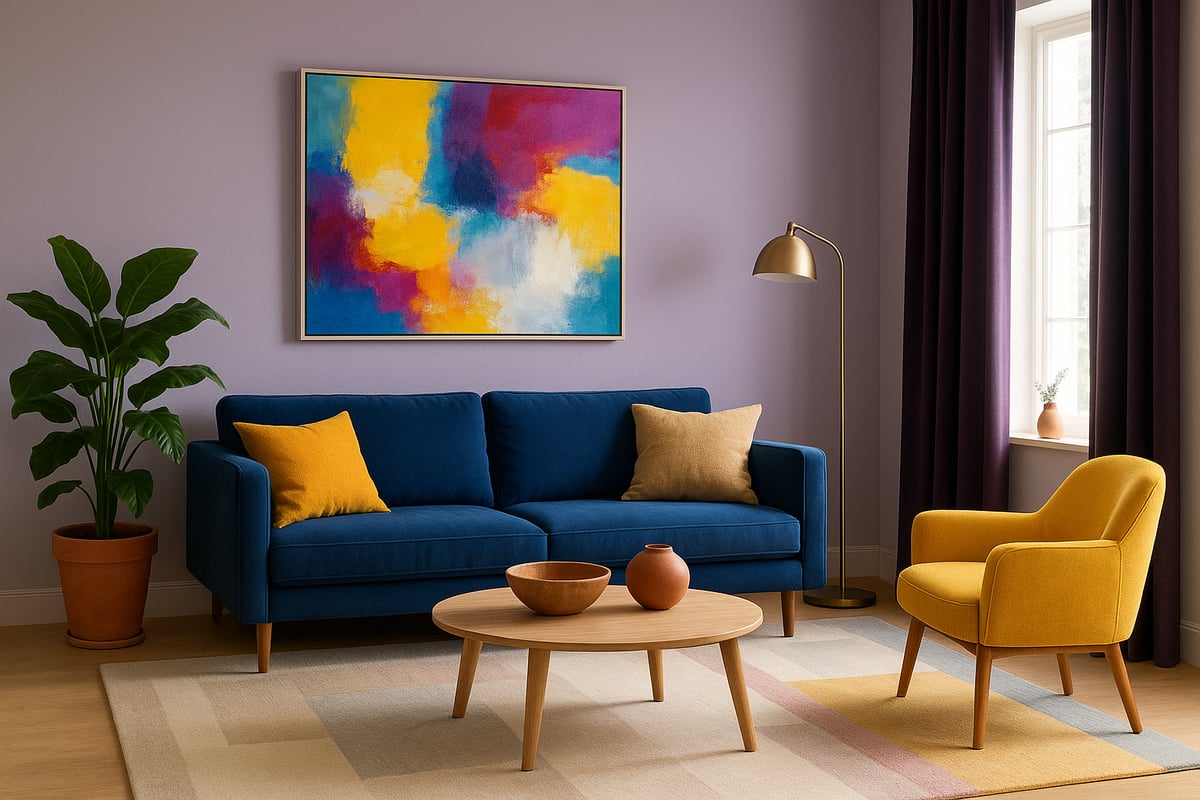
Digital Lavender represents a soft, pastel purple infused with a futuristic twist. This hue is emerging as a leader in color trends due to its calming and creative qualities. Associated with digital optimism, Digital Lavender bridges technology and wellness, offering a serene escape in our connected world.
Psychologically, Digital Lavender promotes tranquility and sparks innovative thinking. It is being used extensively in tech accessories, wellness products, and minimalist interiors. The color trends point to its popularity in home decor, textiles, and accessories, especially as an accent color.
Pairing Digital Lavender with muted neutrals or metallic finishes creates a balanced, sophisticated look. Designers are using it for statement walls, feature textiles, and even lighting. Data from design publications and social media show a sharp rise in mentions, confirming its place in the top color trends for 2026.
For example, a modern home might feature a Digital Lavender accent wall paired with brushed silver decor, creating a space that feels both calming and forward-looking. This hue encapsulates the digital-meets-natural direction of contemporary color trends.
2. Eco Green: Nature’s Rejuvenating Pulse
Eco Green is a lush, earthy green inspired by sustainability and the growing biophilic movement. This shade is at the forefront of color trends, symbolizing growth, renewal, and an eco-conscious mindset.
The popularity of Eco Green reflects a desire to reconnect with nature. It is widely used in biophilic design, where living plants and organic materials are central. Color trends show Eco Green paired with wood tones, stone surfaces, and woven textures to create soothing, grounded environments.
Outdoor living and garden-inspired interiors further amplify the appeal of Eco Green. Designers often use this color for kitchen cabinetry, accent walls, and plant-filled spaces. According to recent data, there has been a significant surge in green-themed projects and consumer interest, underscoring its influence on color trends.
An example of Eco Green in action: a kitchen with matte green cabinets, natural wood shelves, and a variety of potted plants, resulting in a fresh, inviting atmosphere that embodies the heart of 2026 color trends.
3. Solar Flare: Warm, Energizing Yellows and Oranges
Solar Flare encompasses vibrant golds, tangerines, and sun-inspired hues. This trend brings a burst of optimism and energy, making it a standout in color trends for 2026. The emotional impact is immediate—spaces feel more positive, lively, and welcoming.
Designers are applying Solar Flare to accent furniture, bold artwork, and statement lighting. To balance the intensity, it is often paired with cool blues or soft grays, creating visual harmony. Color trends data reveal a notable increase in sales of yellow and orange paint, especially for use in hospitality and creative workspaces.
Solar Flare is often seen as a bold front door color or as a striking feature wall in living rooms. The warmth and vibrancy of these hues energize interiors, reflecting the forward-thinking nature of current color trends.
Solar Flare Pairing Table
| Solar Flare Pairing | Effect on Space |
|---|---|
| Cool Blues | Calming, modern |
| Soft Grays | Balanced, elegant |
| Crisp Whites | Fresh, high contrast |
This trend is a favorite for anyone looking to infuse optimism and dynamism into their environment through color trends.
4. Deep Current: Moody Blues and Aquatic Tones
Deep Current includes rich navy, teal, and ocean-inspired shades. These hues evoke tranquility, depth, and sophistication, making them essential to 2026 color trends. The psychological associations are strong—calmness, introspection, and a sense of luxury.
Modern kitchens, bathrooms, and serene bedrooms are popular spaces for Deep Current. Pairing with crisp whites, brass accents, and natural fibers elevates the look, aligning with wellness and spa-like environments. Social media engagement for blue palettes is at an all-time high, according to color trends data.
Designers are embracing Deep Current in velvet upholstery, tilework, and accent walls. For example, a bedroom featuring deep teal walls, white linens, and gold hardware creates a restful yet striking retreat. This demonstrates how color trends can transform both mood and style.
5. Raw Clay: Earthy Terracotta and Warm Neutrals
Raw Clay is defined by terracotta, burnt sienna, and clay-inspired neutrals. These earthy shades provide warmth and grounding, making them a core component of 2026 color trends. Their versatility spans rustic, Mediterranean, and modern interior styles.
Color trends show Raw Clay paired with olive, blush, and deep browns for a layered, textural effect. The popularity of ceramics, natural wall finishes, and woven textiles continues to rise, reflecting a growing demand for earthy tones in home decor.
Designers utilize Raw Clay as a backdrop for spaces rich in texture and natural materials. For instance, a living area with terracotta walls, olive-toned pillows, and wooden furniture creates a cozy, inviting atmosphere that highlights the essence of color trends for 2026.
6. Chromatic Neutrals: Muted, Versatile Foundations
Chromatic Neutrals include soft taupes, greige, mushroom, and foggy grays. These shades are timeless and adaptable, serving as versatile foundations for contemporary interiors. Their calming effect and ability to support bolder accents make them a staple in color trends.
Color trends research shows that neutrals remain top sellers in both paint and furnishings. They are frequently used in minimalist and Scandinavian-inspired designs, where simplicity and comfort are paramount. Pairing Chromatic Neutrals with jewel tones or pastels adds a modern contrast, enhancing visual interest.
In open-plan living and workspaces, Chromatic Neutrals create a cohesive, serene environment. For example, a workspace with greige walls, mushroom-toned rugs, and pastel accessories feels both professional and inviting, embodying the adaptability of current color trends.
7. Hyper Brights: Playful Pops of Neon and Bold Color
Hyper Brights feature electric pinks, acid greens, and vivid blues. These playful, high-impact hues are influenced by digital culture and youth-driven trends, and they are shaking up traditional color trends for 2026.
Strategic use of Hyper Brights as accents can energize neutral spaces without overwhelming them. Designers often pair these bold colors with monochrome or muted backdrops to create striking focal points. Color trends data indicate a spike in searches for neon and bold color inspiration, especially in art and modular furniture.
Examples include contemporary art pieces, statement chairs, or modular shelving in neon hues. These pops of color bring a sense of fun and creativity, reinforcing the dynamic spirit of color trends in 2026.
8. Soft Metallics: Subtle Sheen and Modern Glamour
Soft Metallics bring understated luxury to interiors with brushed gold, champagne, and soft silver tones. This trend is rooted in both Art Deco influences and contemporary minimalism, making it a sophisticated addition to the color trends forecast.
Color trends show increased demand for metallic finishes in lighting, hardware, and decorative details. These shades pair beautifully with matte finishes and natural materials, adding depth without overpowering a space.
Designers use Soft Metallics in kitchen fixtures, accent decor, and lighting to introduce a subtle sheen. For example, a kitchen with champagne-gold hardware and soft silver pendant lights feels both modern and glamorous, showcasing the versatility of metallics within color trends.
9. Midnight Plum: Deep, Dramatic Purples
Midnight Plum is an intense, dark purple with black undertones. This color is resonating in 2026 color trends due to its mysterious, luxurious, and creative appeal.
Bold feature walls, lush textiles, and statement art are common applications for Midnight Plum. Pairing it with gold, blush, or emerald produces rich, dramatic contrasts. Boutique hotels and high-end residential spaces are already adopting this shade, reflecting its rising prominence in color trends.
Recent design forecasts and trend reports show a notable increase in mentions of deep purples. For instance, a bedroom with midnight plum velvet drapes and gold accents offers a moody, opulent retreat, demonstrating how this trend transforms interiors through color trends.
How to Incorporate 2026 Color Trends into Your Space
Integrating the latest color trends into your environment can instantly refresh your home and reflect a forward-thinking style. Whether you are a homeowner, designer, or trend enthusiast, adapting these hues thoughtfully will help you create a space that feels both current and uniquely yours.
Practical Strategies for Homeowners and Designers
1. Begin with a Palette Assessment
Start by evaluating your existing color scheme. Identify areas that need a refresh or could benefit from the addition of new color trends. Consider which rooms get the most natural light, as this will influence how colors appear. If you are unsure where to start, look for inspiration in latest interior design blogs to see how professionals are applying current palettes.
2. Layer Multiple Color Trends for Depth
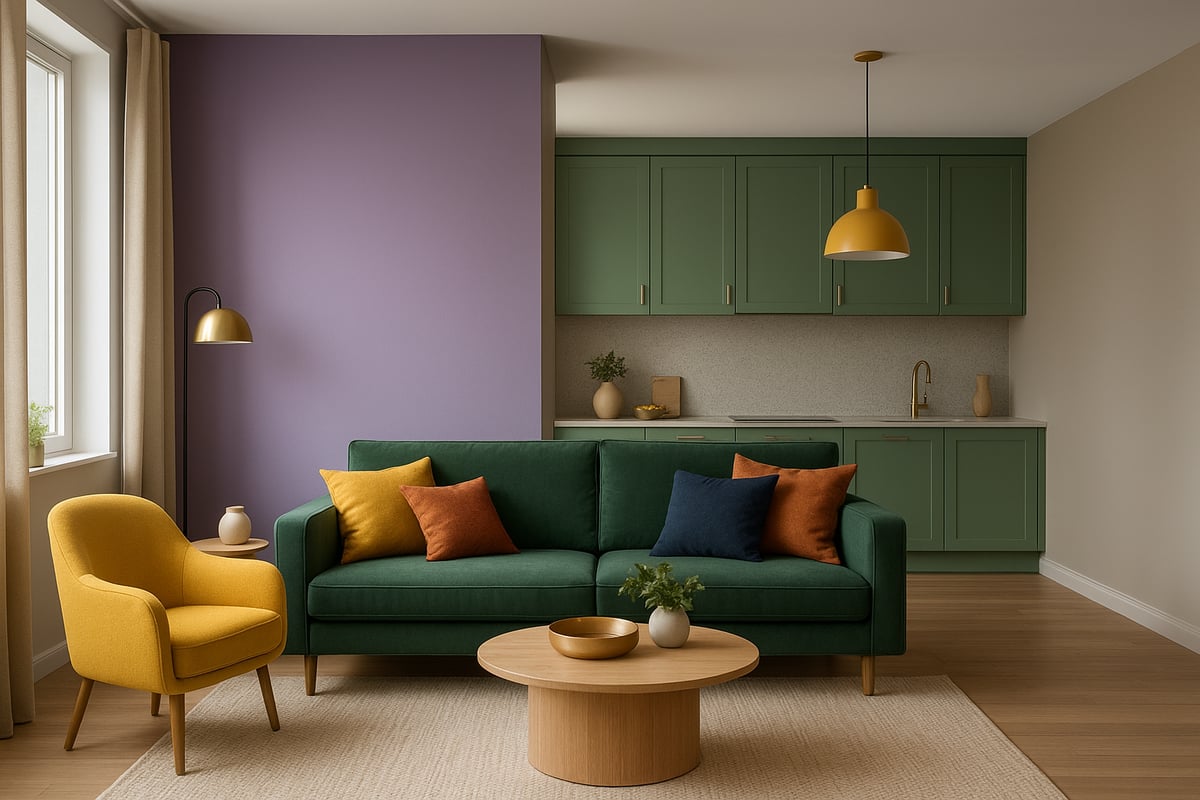
Rather than committing to a single trend, combine two or three complementary color trends for a rich, personalized effect. For example, pair Digital Lavender walls with Eco Green accents and touches of Raw Clay in textiles. This approach creates visual interest and allows your space to evolve as trends shift.
3. Use Color Psychology to Set the Mood
Think about the emotional impact you want each room to convey. Color trends like Deep Current can introduce calm and sophistication to bedrooms, while Solar Flare energizes entryways or creative spaces. Understanding the psychological effects of color trends will help you craft intentional atmospheres throughout your home.
4. Balance Bold and Neutral Tones
To prevent spaces from feeling overwhelming, balance vibrant hues with chromatic neutrals. Use Hyper Brights as accents against a backdrop of soft grays or taupes, or let Soft Metallics add subtle glamour to a neutral base. This strategy ensures your use of color trends remains timeless and adaptable.
5. Make Cost-Effective Updates
Not every update requires a major renovation. Experiment with color trends through paint, throw pillows, rugs, art, or even hardware. Swapping out smaller elements lets you embrace new directions without a long-term commitment. For visual experimentation, try moodboard templates for color trends to preview combinations before making changes.
6. Enhance Color with Lighting
Lighting dramatically affects how color trends are perceived. Natural daylight highlights subtle undertones, while warm artificial lights can intensify deeper shades. Use layered lighting—such as a mix of overhead, task, and accent lights—to showcase your chosen palette at its best.
7. Real Project Inspiration
Look to real-world examples for guidance. Many designers are integrating Raw Clay and Eco Green in open-plan living areas, while boutique hotels are embracing Midnight Plum for dramatic bedrooms. Reviewing recent projects can reveal innovative ways to use color trends effectively.
8. Consider Resale and Longevity
If you plan to sell your home in the future, opt for versatile color trends that appeal to a broad audience. Use bolder choices in accessories or areas that are easy to update, while keeping main surfaces neutral for long-term value.
By following these strategies, you can confidently incorporate 2026 color trends into your space, ensuring your environment feels both stylish and authentic.
The Future of Color: Sustainability, Technology, and Personalization
Color trends are rapidly evolving, shaped by innovation, eco-consciousness, and the desire for personalization. As we look to 2026 and beyond, these shifts are redefining how designers and consumers approach color in every aspect of their lives.
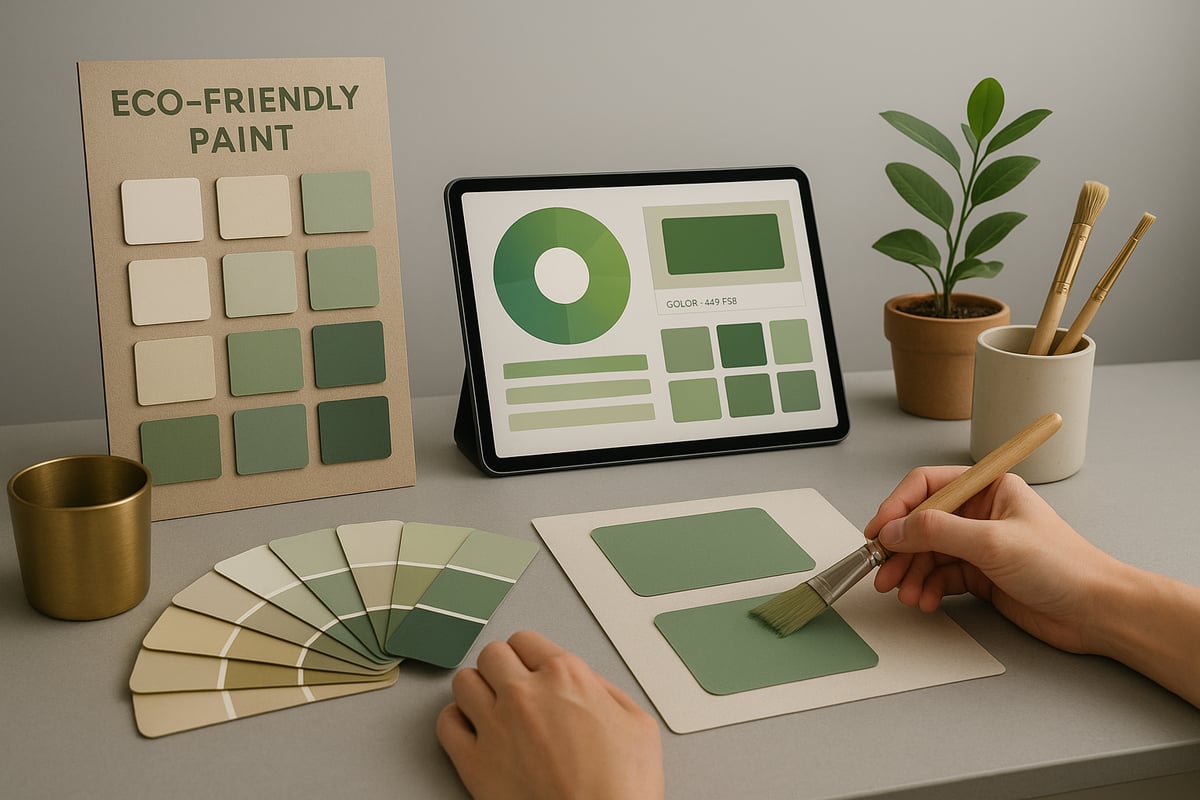
Sustainable Color Choices and Eco-Friendly Materials
Sustainability is now a driving force behind color trends. Homeowners and designers increasingly seek paints with low VOCs and natural dyes, minimizing environmental impact while maintaining vibrant palettes.
Eco-friendly color options are no longer limited to muted tones. Advances in green chemistry allow for a broader spectrum, from earthy neutrals to bold statement hues. Brands are adopting responsible sourcing and production methods to align with consumer values.
- Use of recycled materials in color finishes
- Preference for plant-based pigments
- Growth in upcycled and repurposed decor
These sustainable practices ensure that color trends remain both stylish and environmentally responsible.
The Influence of Technology on Color Trends
Technology is revolutionizing how we discover and apply color trends. AI-powered palette generators and digital visualization tools empower designers to experiment in real time, previewing endless combinations before making final choices.
Virtual reality platforms now enable immersive color experiences, letting users gauge emotional responses to different palettes. For deeper insight into how hues affect mood and perception in digital environments, see the Psychological Impact of Color in VR study, which highlights the science behind tech-driven color decisions.
Data-driven insights from social media and trend forecasting platforms accelerate the adoption of new color trends, making them more accessible than ever.
Personalization and the Democratization of Color
Personalization is at the heart of 2026 color trends. Consumers demand unique, custom-mixed shades, and on-demand manufacturing makes this possible at scale.
Social media and online communities play a vital role in spreading color inspiration globally. According to the 2026 Interior Design Trends Survey, designers are embracing maximalism and deeper hues, reflecting a move toward more expressive, individualized spaces.
As technology and sustainability converge, expect color trends to become even more tailored and inclusive, empowering everyone to create spaces that reflect their personality and values.
Now that you’ve explored the nine essential color trends shaping style for 2026, you might be inspired to bring these fresh palettes into your own interiors. Whether you’re a design professional or just starting your creative journey, a solid foundation in interior design helps you translate trends into timeless, livable spaces. If you’re ready to deepen your understanding of color, materials, and spatial planning, you can take the next step and build your skills at your own pace. Get started with Interior Design and turn inspiration into beautiful, practical results for your home or projects.


Share:
Benjamin Moore Silhouette: 2026 Color of the Year – Curating the Perfect Color Palette for Modern Living