


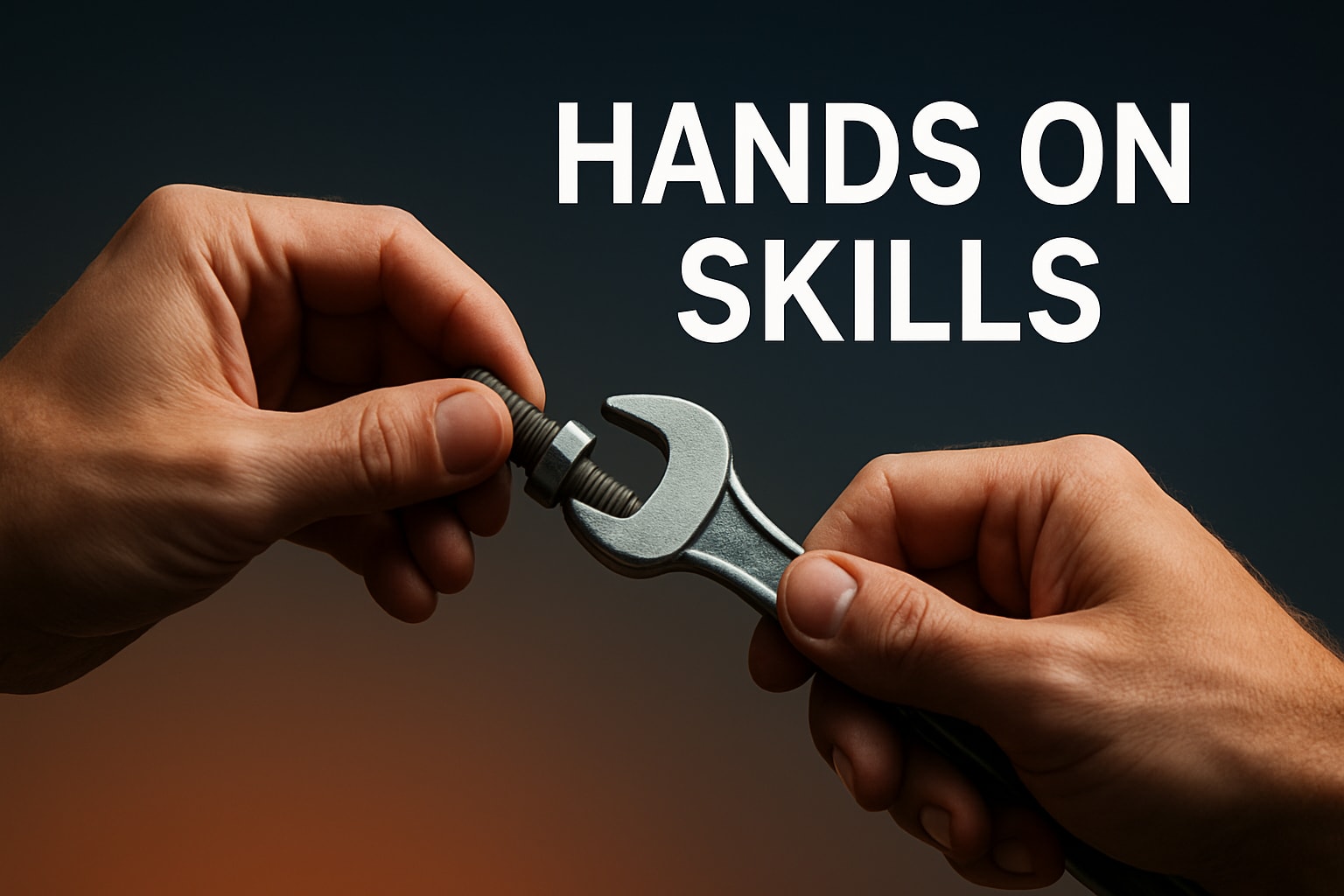
By 2026, the demand for hands on skills is reshaping how professionals achieve success. In a rapidly evolving world, mastering these practical abilities sets innovators apart from the crowd.
This guide is your roadmap to practical mastery. Discover why hands on skills matter, the essential areas to focus on, and proven strategies for learning in real-world settings.
Explore tools, resources, and inspiring examples that show how to apply your skills for career growth and personal development. Ready to take action and future-proof your expertise? Let’s begin your journey.
The Rising Value of Hands-On Skills in 2026
The value of hands on skills is accelerating as we approach 2026. Rapid advances in automation and artificial intelligence are reshaping the global job market, making practical abilities more critical than ever. Rather than replacing human workers completely, these technologies are changing the roles people play, emphasizing the need for adaptable, hands on skills that machines cannot easily replicate.
Industries across the spectrum are feeling this shift. Manufacturing, design, construction, healthcare, and technology are among the most impacted sectors. According to the World Economic Forum's Future of Jobs Report 2025, 50% of employees will need reskilling by 2025, and practical proficiency tops the list of employer priorities. This data highlights how hands on skills are becoming the bridge between theoretical knowledge and real world results.
| Industry | Impact of Automation | Demand for Hands On Skills |
|---|---|---|
| Manufacturing | High | Essential |
| Design | Medium | Growing |
| Construction | High | Critical |
| Healthcare | Medium | Expanding |
| Technology | High | Evolving |
Employers are also shifting their approach to hiring. A 2024 LinkedIn survey found that 70% of hiring managers place more value on practical experience than on academic credentials alone. This trend underscores the advantage that hands on skills provide, positioning candidates as problem solvers who can deliver results from day one.
For entrepreneurs and small business owners, hands on skills are the foundation of innovation and growth. Many successful individuals have pivoted their careers by embracing practical learning, often turning passion projects into thriving businesses. These stories illustrate how such skills can open new doors and create opportunities even in competitive markets.
Lifelong learning and adaptability are now core competencies for the future workforce. The ability to continually refresh hands on skills, stay curious, and adapt to emerging technologies ensures ongoing relevance and resilience. In 2026, those who invest in practical mastery will not only keep pace with change but lead the way in shaping new industries.
Core Hands-On Skills to Master for the Future
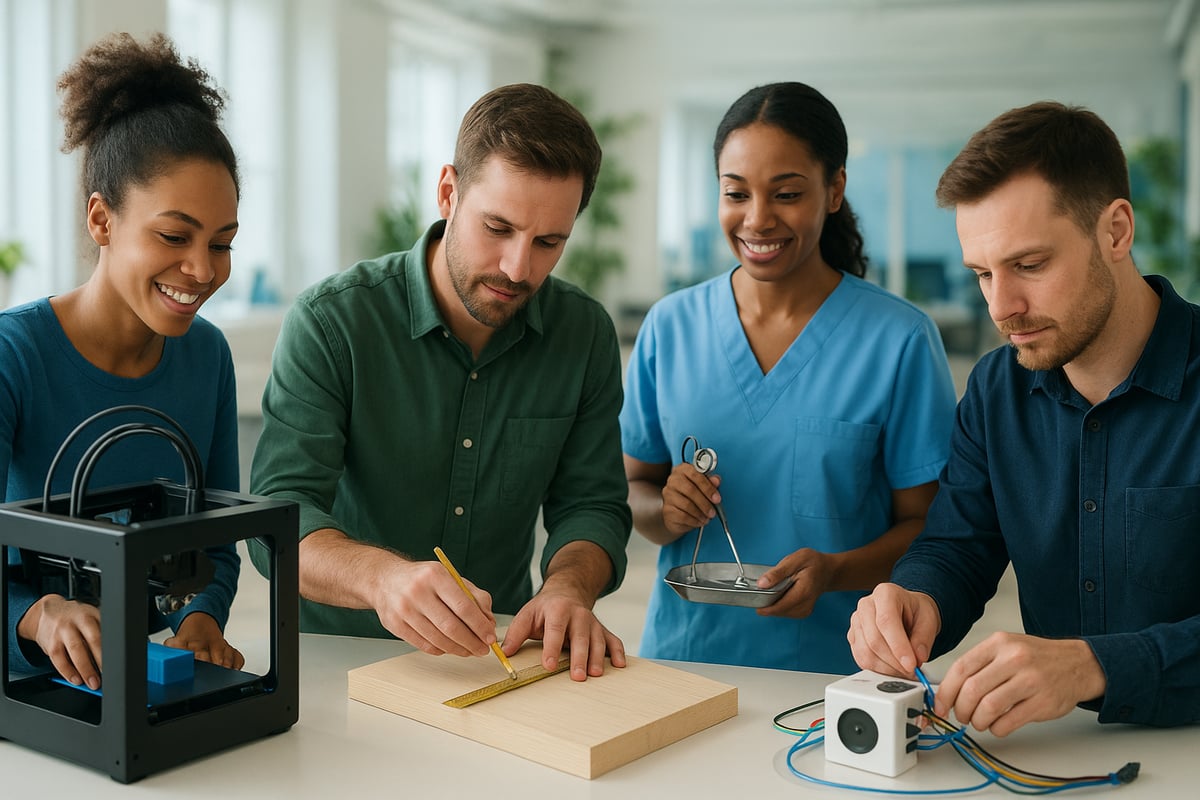
In 2026, the landscape of hands on skills is broader and more dynamic than ever. Mastering these capabilities is not just about technical expertise, but also about adaptability and creative problem-solving. Let’s explore the essential areas where hands on skills will drive success and innovation.
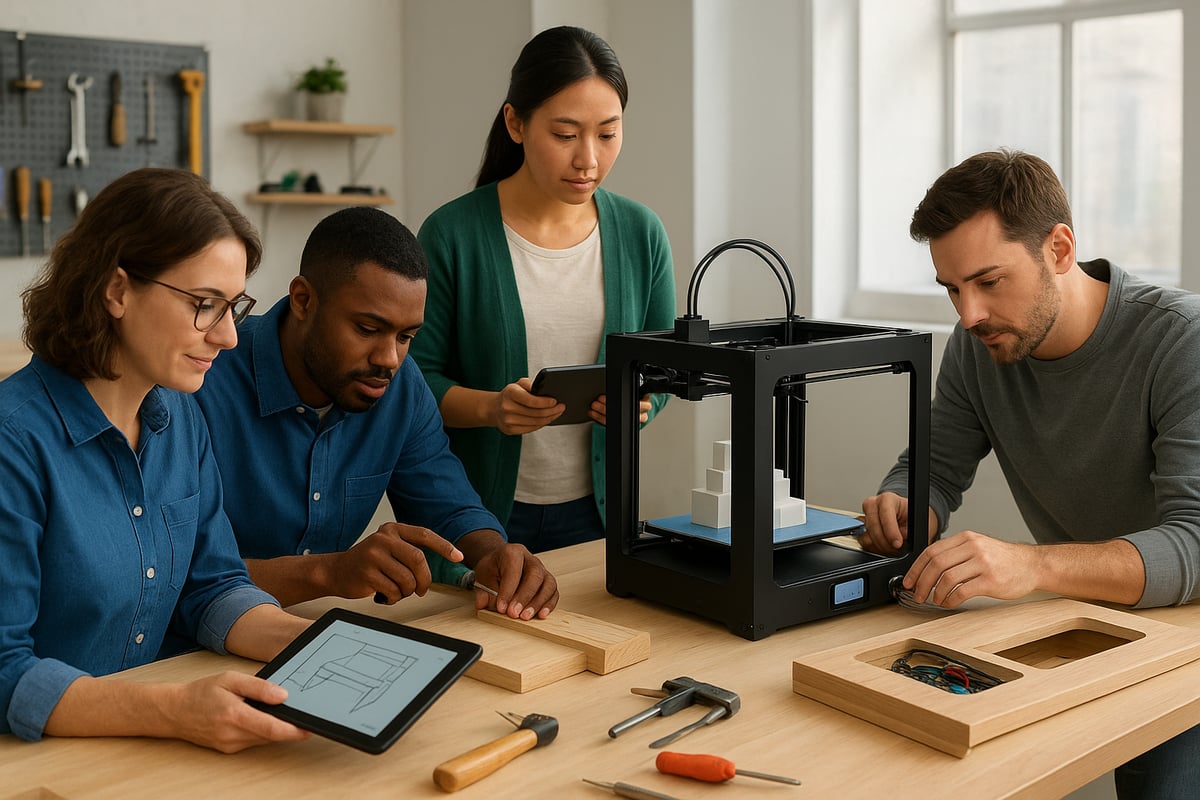
Technical and Digital Fabrication Skills
Technical and digital fabrication skills are at the forefront of hands on skills for the future. Mastery in 3D modeling, CAD software, CNC machining, and digital prototyping is essential for engineers, makers, and designers. According to Statista, the 3D printing market is projected to reach $37 billion by 2026, reflecting the growing need for these abilities.
For example, startups use rapid prototyping to iterate products quickly, while furniture designers rely on digital tools to bring custom ideas to life. Practical applications range from architectural models to bespoke home goods. To build foundational expertise in this area, resources like 3D CAD and Digital Fabrication offer step-by-step guidance and hands on skills development for all experience levels.
Whether you are launching a product or enhancing manufacturing processes, digital fabrication is a cornerstone of innovation. Investing in these hands on skills ensures you remain competitive as technology evolves.
Practical Design and Creative Construction
The demand for hands on skills extends to practical design and creative construction. Interior design, woodworking, and furniture making require not only technical know-how but also creative problem-solving and spatial awareness. These hands on skills empower individuals to transform spaces and materials into functional works of art.
Consider a home renovation project where DIY techniques blend with professional craftsmanship. This approach allows small business owners and enthusiasts to create unique, customized environments. Case studies show that integrating hands on skills in design leads to greater satisfaction and value in finished projects.
As creative industries expand, mastering practical construction techniques is invaluable. From decorative finishes to complex builds, these hands on skills help you stand out in a crowded market. Building a diverse portfolio in this field opens doors to new opportunities and entrepreneurial ventures.
Essential Trade and Repair Skills
Essential trade and repair skills form the backbone of hands on skills in construction and property management. Carpentry, electrical work, plumbing, and basic home repairs are increasingly valuable as demand grows for multi-skilled professionals.
The rise of handyman businesses after the pandemic illustrates this trend. Clients appreciate professionals who can address a range of needs efficiently. By building these hands on skills, you can offer comprehensive services and adapt to changing job requirements.
Whether you work independently or as part of a larger team, trade skills ensure you remain relevant and capable in a rapidly evolving workforce.
Digital Literacy and Tech-Enabled Craft
Digital literacy is now a core component of hands on skills. Understanding coding basics, smart home setups, and integrating technology into traditional crafts broadens your capabilities. For instance, smart furniture with embedded IoT devices blends craftsmanship with innovation.
By developing these hands on skills, you can create products that respond to modern needs. This combination of digital and manual expertise is sought after in both home and commercial markets.
Continuous learning in tech-enabled craft ensures you are prepared for future trends and client expectations.
Collaboration, Communication, and Project Management
Effective collaboration and project management are essential hands on skills for both freelancers and teams. Leading hands-on projects, communicating with clients, and using agile workflows are critical for delivering successful outcomes.
The Project Management Institute’s 2025 report states that 85% of successful projects credit strong collaboration. These hands on skills include clear communication, conflict resolution, and efficient task management.
Building expertise in these areas ensures your projects run smoothly and clients remain satisfied. Lifelong learning in collaboration and management keeps your hands on skills sharp as industries evolve.
Step-by-Step Guide to Building Practical Mastery
Embarking on the journey to master hands on skills in 2026 requires a clear, actionable roadmap. Whether you are starting from scratch or looking to elevate existing abilities, following a structured approach ensures steady progress and real-world results. Let us break down the process into six practical steps, each designed to build a solid foundation for lifelong learning and adaptability.

Step 1: Assess Your Current Skills and Set Clear Goals
Begin by evaluating your present hands on skills. Use self-assessment tools, online quizzes, or feedback from peers to identify strengths and gaps. Make a list of what you already know and what you want to improve.
Next, set SMART goals—Specific, Measurable, Achievable, Relevant, and Time-bound. For example, if you are interested in woodworking, your goal might be to design and build a small table within three months. Mapping out these objectives creates a clear learning path and keeps you motivated.
A simple table can help visualize your progress:
| Skill Area | Current Level | Target Level | Timeline |
|---|---|---|---|
| Woodworking | Beginner | Intermediate | 3 months |
| CAD Modeling | None | Basic | 6 months |
Setting intentional goals is the first step toward mastering hands on skills.
Step 2: Choose the Right Learning Pathways
Selecting the most effective learning pathway is crucial for developing hands on skills. Consider your learning style and available resources. Formal education, such as trade schools or technical colleges, offers structured programs with expert guidance.
Self-directed learning, including books, tutorials, and community workshops, provides flexibility and practical exposure. Online courses combine flexibility with expert instruction and are favored by 60 percent of adults, according to EdTech Magazine.
Mentorship and apprenticeships offer real-world experience and personalized feedback. If you are looking for curated online options, explore Online Courses for Skill Building to find hands on learning pathways tailored to your goals.
Step 3: Acquire Foundational Knowledge
Building hands on skills starts with a strong grasp of fundamental concepts. Invest time in understanding the theory behind your chosen skill. For example, before starting a carpentry project, learn about wood types, tool safety, and basic joinery techniques.
Recommended resources include instructional books, video tutorials, and foundational courses. Many platforms offer beginner-friendly content that lays the groundwork for more advanced practice.
A solid theoretical base ensures you can solve problems creatively and adapt to new challenges as you progress.
Step 4: Practice Through Real-World Projects
Applying your knowledge to real-world projects is essential for mastering hands on skills. Start with small, manageable tasks such as assembling a simple bookshelf or wiring a basic circuit.
Join local maker spaces or participate in DIY challenges to gain hands-on experience. Building a custom piece of furniture or volunteering for a community project offers opportunities to practice, make mistakes, and learn from them.
Iterative improvement is key. Complete a project, seek feedback, and refine your approach with each attempt.
Step 5: Document and Reflect on Progress
Keeping a record of your hands on skills journey enhances learning and motivation. Maintain a skills journal, capture photos of your projects, or build a digital portfolio showcasing your work.
Reflection is equally important. Regularly review what worked, what did not, and how you can improve. Use your journal to set new goals and track growth over time.
Documenting your progress not only builds confidence but also creates a valuable resource for future opportunities.
Step 6: Seek Feedback and Iterate
Engage with peers, mentors, and online communities to gather constructive feedback on your hands on skills. Present your work for review, participate in critique sessions, or join forums related to your craft.
For example, design communities often host peer reviews where members exchange insights and suggestions. Embrace feedback as a tool for growth, not criticism.
Iterate on your projects, applying what you learn to achieve higher quality and greater expertise with every cycle. This continuous improvement mindset is essential for practical mastery in a changing world.
Tools, Resources, and Platforms for Hands-On Learning
Access to the right tools and resources is essential for mastering hands on skills in 2026. Whether you are a beginner or an experienced professional, leveraging targeted platforms, collaborative spaces, and curated materials will accelerate your practical learning journey.
Online Learning Platforms and Courses
Online learning platforms have become central to acquiring hands on skills. Coursera, Udemy, and LinkedIn Learning offer structured courses covering everything from woodworking to digital fabrication. These platforms provide flexibility, allowing learners to study at their own pace and revisit complex topics as needed.
Specialized resources also exist for trades, design, and technology. Many courses integrate interactive projects and real-time feedback, bridging the gap between theory and practice. For those who prefer guided instruction, expert-led programs and certification tracks are available, supporting both foundational and advanced hands on skills.
Maker Spaces and Community Workshops
Maker spaces and community workshops provide invaluable opportunities to develop hands on skills through real-world projects. These collaborative environments are equipped with tools such as 3D printers, CNC machines, and woodworking equipment, making them ideal for experimentation and innovation.
Local maker labs, Fab Labs, and community centers often host workshops and group sessions. These spaces foster peer learning, mentorship, and networking, which are crucial for building confidence and competence in hands on skills. Engaging in team projects also enhances problem-solving and adaptability.
Essential Tools and Materials for Practice
Having access to the right tools is fundamental for honing hands on skills. Beginners should start with basic toolkits for woodworking, electronics, or 3D modeling, while advanced users can invest in specialized equipment. Quality materials and safety gear are equally important for effective and safe practice.
For those focusing on woodworking and repair, curated resources like the Woodworking Skill Foundations collection offer comprehensive guides and material lists. These resources streamline the learning process and ensure that learners can build their hands on skills with confidence and precision.
Digital Resources and CAD Libraries
Digital resources have transformed how individuals develop hands on skills. Access to free and paid CAD libraries, design templates, and open-source software enables learners to experiment with new ideas before physical prototyping. These resources are particularly valuable for furniture design, interior planning, and digital fabrication.
Popular platforms feature downloadable models and step-by-step guides, making it easier to visualize and execute projects. By integrating digital assets into their workflow, users can accelerate their mastery of hands on skills and adapt quickly to evolving design trends.
Craft’n Build: A Comprehensive Resource for Design & Practical Skills
Craft’n Build stands out as a versatile platform for those seeking to elevate their hands on skills. It offers ready-to-use 3D CAD furniture models, mood-board templates, and expert-led courses tailored to interior designers, makers, and creative professionals.

Key features include customizable design assets, step-by-step CAD training, and business solutions that support end-to-end project execution. With global accessibility and resources for all skill levels, Craft’n Build empowers users to achieve practical mastery and excel in 2026’s dynamic landscape.
Real-World Applications: Hands-On Skills in Action
In 2026, the real-world impact of hands on skills is visible across homes, businesses, careers, communities, and personal growth. These skills turn creativity and knowledge into tangible results. Let’s explore how hands on skills shape the world around us.
Interior Design and Home Improvement
Hands on skills are transforming living spaces like never before. From building custom furniture to installing smart lighting, practical know-how enables people to personalize their homes. DIY projects combine woodworking, design, and technology, making unique interiors accessible to everyone.
For example, a homeowner might design and construct a built-in bookshelf, integrating LED strips and hidden storage. This blend of function and creativity boosts property value and personal satisfaction. For those seeking inspiration, resources like Practical Decor and DIY Skills provide step-by-step guidance for mastering hands on skills in real-world decor projects.
Entrepreneurship and Small Business Growth
The rise of small businesses driven by hands on skills is a defining trend for 2026. Entrepreneurs are using their expertise in trades, design, and tech to launch ventures, filling gaps in local markets. Whether it’s a craft bakery, a furniture workshop, or a tech-enabled handyman service, these businesses thrive on practical mastery.
Data shows that 40% of new businesses in 2025 were started by skilled tradespeople. This highlights how hands on skills can turn passion into profit. By leveraging these talents, individuals can create resilient business models and adapt quickly to changing market needs.
Career Advancement in Emerging Industries
Industries such as technology, manufacturing, and the creative sector demand hands on skills for career growth. 3D printing specialists, digital fabricators, and tech-savvy makers are in high demand. Mastery of new tools and processes opens doors to roles that blend innovation with practical expertise.
For professionals eager to transition into these fields, hands on skills provide a competitive edge. Real-world experience, from rapid prototyping to smart device integration, demonstrates problem-solving abilities that employers value. This practical approach to learning is quickly becoming essential for career advancement.
Community Impact and Social Innovation
Hands on skills reach beyond individual achievement and drive positive change in communities. Local initiatives, such as building community gardens or renovating public spaces, rely on practical knowledge and teamwork. Volunteers use construction, gardening, and design skills to create lasting benefits for neighborhoods.
A notable example is a group of residents who transformed a vacant lot into a thriving urban garden using reclaimed materials. Their hands on skills not only improved the landscape but also fostered a sense of belonging and shared purpose.
Personal Development and Lifelong Learning
Developing hands on skills nurtures a growth mindset, encouraging continuous learning and adaptability. Tackling new projects builds confidence, sparks creativity, and enhances problem-solving. The journey of practical mastery is ongoing, with each project offering fresh challenges and rewards.
Lifelong learning ensures that individuals stay relevant in an ever-changing world. By embracing hands on skills, people unlock new opportunities for personal and professional development, shaping a future defined by resilience and innovation.
Staying Ahead: Future-Proofing Your Hands-On Skillset
Staying relevant in 2026 means proactively nurturing your hands on skills. As industries shift and new opportunities emerge, future-proofing your practical expertise is essential for sustained growth. By investing in continuous learning, keeping up with trends, building your network, showcasing your work, and balancing specialization with versatility, you position yourself for long-term success in a dynamic job market.
Embracing Continuous Learning and Upskilling
To stay competitive, prioritize lifelong learning. The pace of change in technology and industry means that what you know today may not be enough tomorrow. Upskilling ensures your hands on skills remain relevant as new tools and techniques emerge.
According to Coursera's insights on WEF Future of Jobs Report 2025, 94% of employees expect to learn new skills on the job by 2026. This trend highlights the importance of blending formal courses, micro-credentials, and experiential learning. Consider these methods:
- Enroll in online courses for emerging tools and methods
- Attend industry workshops or webinars
- Seek mentorship or join apprenticeship programs
By making learning a habit, you continually expand your hands on skills and adapt to any market shift.
Tracking Industry Trends and Innovations
Staying ahead means being informed. Monitoring industry news, technology updates, and best practices helps you anticipate changes that affect your hands on skills. The World Economic Forum's press release on Future of Jobs Report 2025 notes that urgent upskilling is needed to prepare workforces for 78 million new job opportunities by 2030.
Subscribe to trade journals, follow thought leaders, and participate in forums related to your field. For example, sustainable materials are reshaping furniture design, while smart technology is transforming home improvement. By tracking these trends, you ensure your hands on skills are always at the cutting edge.
Networking and Community Engagement
Building strong professional relationships enhances your hands on skills journey. By connecting with peers, mentors, and industry leaders, you gain access to new ideas, feedback, and collaborative opportunities.
Join professional associations, local maker spaces, or online communities focused on your interests. Attend events, participate in group projects, and contribute to discussions. Networking not only opens doors to job prospects but also exposes you to different approaches and innovations, strengthening your hands on skills.
Showcasing Your Skills: Portfolios and Certifications
Demonstrating your abilities is crucial for both career advancement and credibility. A well-organized digital portfolio showcases your hands on skills through project photos, process documentation, and outcome summaries. Earning industry-recognized certifications further validates your expertise.
| Portfolio Item | Certification Example | Platform Example |
|---|---|---|
| Custom furniture piece | Interior Design Certificate | Behance, LinkedIn |
| IoT-enabled prototype | CNC Machining Credential | Dribbble, personal site |
Regularly update your portfolio and display badges or certificates on professional profiles. This visibility sets you apart in a competitive marketplace.
Balancing Specialization and Versatility
Employers value both deep expertise and adaptability. While specializing in a niche skill can set you apart, maintaining a broad set of hands on skills increases your flexibility. Consider focusing on a core area, like digital fabrication, while also developing complementary abilities such as project management or coding basics.
This balance enables you to tackle complex projects and pivot when industries evolve. By cultivating both specialist and generalist capabilities, you ensure long-term resilience and relevance for your hands on skills.
As we've explored, mastering hands on skills is your key to thriving in the dynamic landscape of 2026—from digital fabrication to creative design and real world problem solving. Whether you're aiming to level up your abilities for personal growth or to advance your career in design and interiors, the right resources make all the difference. If you're ready to put practical mastery into action and want a head start with professional grade design assets, you can learn how to create furniture designs with premade 3D cad. This is a great way to turn inspiration into tangible results—one project at a time.


Share:
Wood Finishing Guide: Expert Tips and Techniques for 2026
All in One Interior Guide: Transform Your Space in 2026