




Imagine your home instantly feeling more spacious, comfortable, and stylish, all by making a single change: mastering furniture spacing. In 2026, the rules have evolved, and this guide is your expert roadmap to creating a clutter-free, harmonious living environment.
You will discover why furniture spacing is essential for well-being and how updated measurements can transform every room. Step-by-step layout strategies, the influence of new design trends, and the most common mistakes to avoid are all covered. Get ready for practical, data-driven advice that will help you achieve the perfect balance of comfort, style, and function at home.
Why Furniture Spacing Matters in 2026
Imagine walking into a room where every piece of furniture feels perfectly placed. You can move freely, relax deeply, and enjoy a sense of calm. This is the power of intentional furniture spacing. In 2026, understanding and applying these principles is more vital than ever.
The Science of Space and Well-being
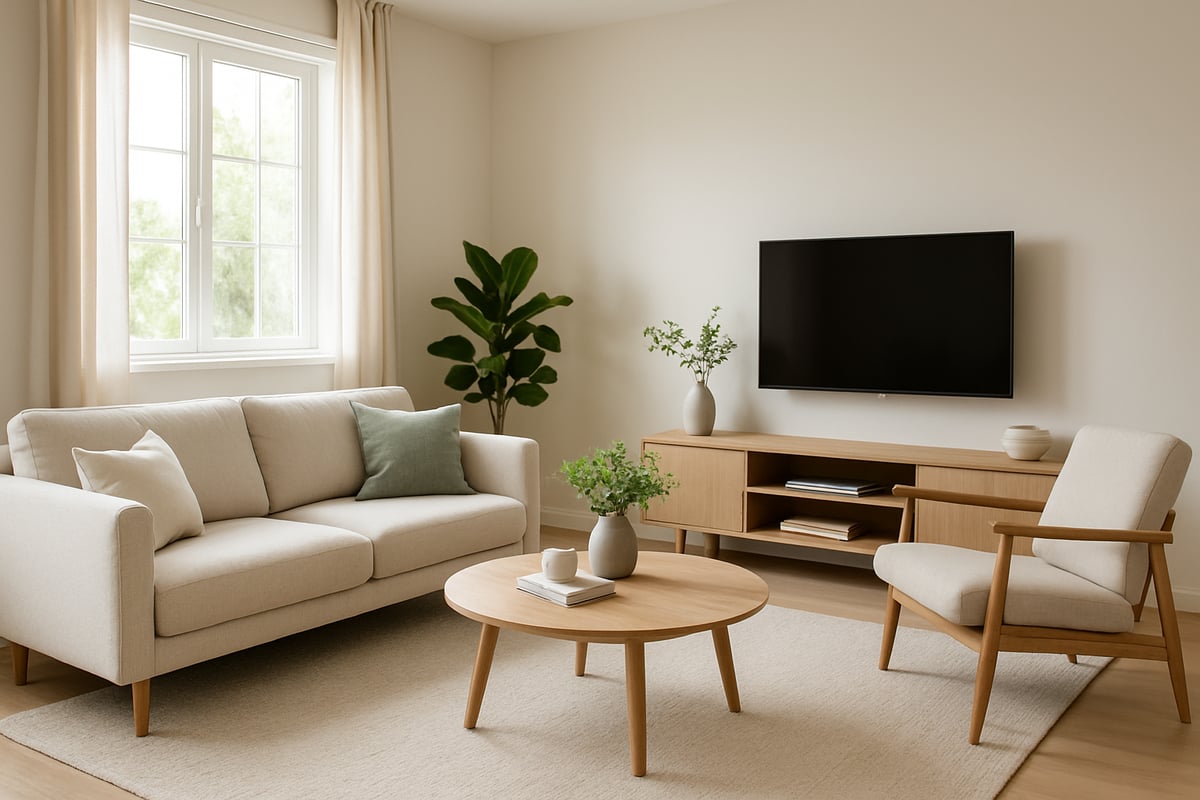
Proper furniture spacing directly influences comfort and mental well-being. Studies reveal that well-arranged rooms can reduce stress and increase productivity. For instance, the 2024 Living Spaces Survey found that open-plan living rooms with optimal spacing boosted family interaction by 30 percent.
Overcrowded spaces often lead to frustration and fatigue. By contrast, thoughtfully spaced layouts promote relaxation and ease. The relationship between spatial arrangement and mood is further explored in The Psychology of Space: How Furniture Arrangement Affects Mood, which highlights how furniture spacing can enhance your sense of balance and well-being.
Functionality and Accessibility
In 2026, furniture spacing is essential for daily movement, accessibility, and safety. Navigating a room should feel effortless, not like an obstacle course. Updated guidelines, including universal design and ADA standards, now recommend minimum 36 inch walkways in modern homes.
This change ensures everyone, regardless of mobility, can access and enjoy each area. For families, seniors, or individuals with disabilities, proper furniture spacing is not just a style choice, but a necessity for safe and functional living.
Aesthetic Balance and Design Trends
Furniture spacing impacts how a room looks and feels. Adequate negative space creates visual harmony and can make even small rooms appear larger. Minimalist and biophilic design trends in 2026 place a strong emphasis on open layouts and breathing room.
According to the IFDA 2025, 68 percent of designers now prioritize negative space in their projects. This shift shows that furniture spacing is central to achieving both style and serenity in contemporary interiors.
Furniture Longevity and Maintenance
Good furniture spacing extends the life of your furnishings. Placing sofas 18 inches from walls, for example, can reduce upholstery fading and help prevent wear. Proper spacing makes cleaning easier, allowing you to reach every corner and keep your home looking its best.
Well-maintained surroundings are less prone to damage, ensuring your investment in quality pieces lasts longer. Furniture spacing, therefore, also impacts your long-term maintenance routine.
Resale Value and Market Appeal
Homes with well-executed furniture spacing tend to attract more buyers and sell faster. Staged properties that follow optimal layout principles see a 20 percent quicker sale, according to the NAR 2025. Clear pathways and balanced arrangements make spaces feel larger and more welcoming.
Buyers notice when a home is easy to navigate and visually appealing. Smart furniture spacing can enhance your property's value and set it apart in a competitive market.
Key Arguments and Insights
In summary, furniture spacing is the linchpin of comfort, safety, beauty, and value. It supports well-being, enables accessibility, and aligns with the latest design movements. As lifestyles evolve and homes become more adaptable, mastering furniture spacing is a strategic choice for every homeowner in 2026.
Updated Standard Measurements for Every Room
Getting furniture spacing right in every room is crucial for a comfortable, functional home. With updated standards for 2026, homeowners and designers can create spaces that feel open, accessible, and visually balanced. Below, find clear guidelines and practical examples to help you master furniture spacing for every area of your home.
Living Room Spacing Guidelines
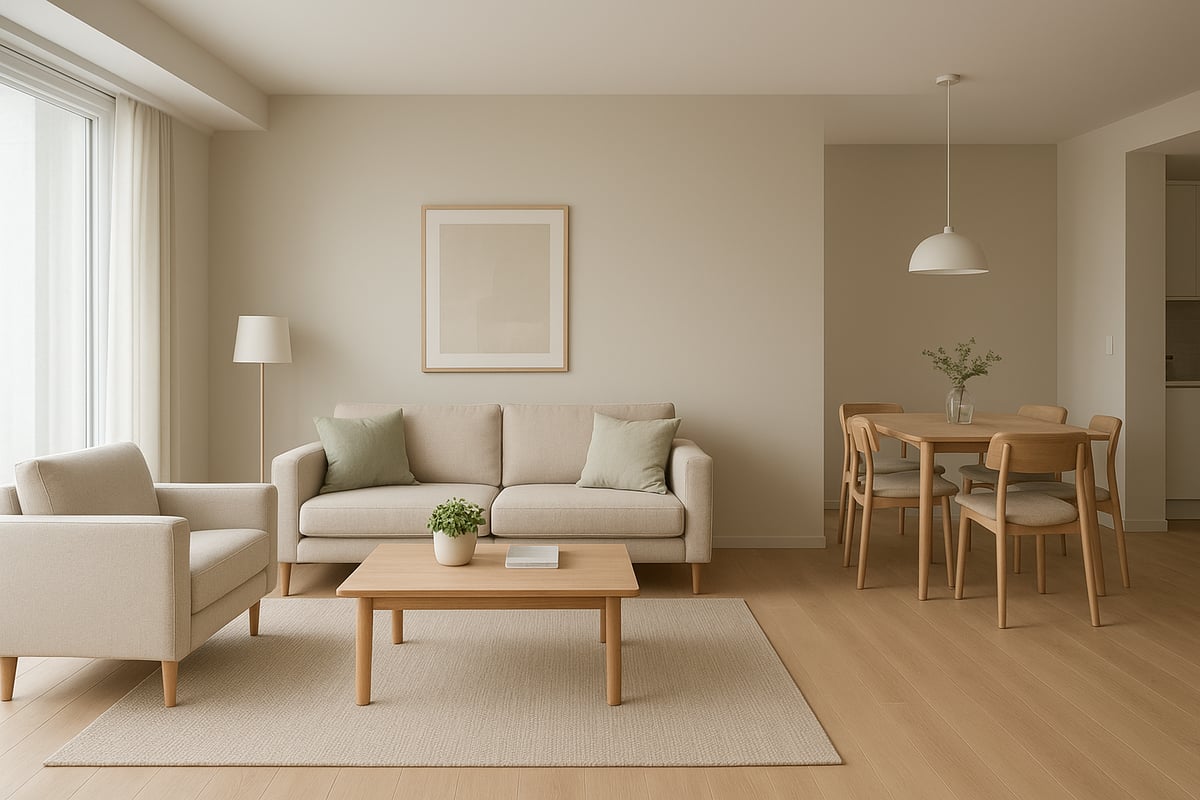
In 2026, living rooms are designed for versatility and connection. Accurate furniture spacing ensures comfortable movement and optimal use of space. Use these living room standards:
| Feature | Measurement |
|---|---|
| Sofa to coffee table | 16"–18" |
| Walkways | 36"–42" |
| TV viewing distance | Screen size x 1.5 |
For example, a 60-inch TV should be placed 90 inches from the seating area. Sectional sofas in open-concept settings benefit from 36-inch walkways, supporting both flow and family interaction. Prioritize furniture spacing for both comfort and visual appeal.
Dining Room Spacing
Proper dining room furniture spacing is key for smooth movement and enjoyable meals. The current standard recommends at least 36 inches between dining chairs and the wall, making it easy for guests to get in and out. In multi-use rooms, leave 48 inches between adjacent tables to prevent crowding.
Extendable tables are popular in compact apartments, allowing flexibility without sacrificing furniture spacing. Always check clearances before adding extra seating or storage.
Bedroom Layouts
Bedroom layouts in 2026 focus on accessibility and calm. For optimal furniture spacing, leave 24 to 36 inches between the bed and the nearest wall or furniture. This allows for easy movement, especially at night.
Place dressers and wardrobes at least 30 inches from the bed for convenient drawer access. For example, a queen bed in a 10x12-foot room fits best when these spacing rules are followed, creating a restful, clutter-free environment.
Kitchen and Eat-in Area Standards
Efficient kitchens depend on precise furniture spacing. Maintain 42 inches between kitchen islands and counters for one cook, or 48 inches if more people use the space. In dining nooks, allow 18 inches between chairs and walls for comfortable seating.
Galley kitchens should follow updated 2026 code compliance for safety and usability. These furniture spacing rules make meal prep and dining more enjoyable for everyone.
Home Office and Multi-functional Spaces
With more homes including flexible work areas, correct furniture spacing is essential in 2026. Position desks 30 to 36 inches from the wall to allow ergonomic movement. Leave 36 inches behind the desk for chair clearance and easy access.
Standing desks, modular storage, and shared spaces benefit from these spacing guidelines. Integrate furniture spacing into both dedicated home offices and multi-functional rooms for maximum productivity.
Outdoor and Patio Arrangements
Outdoor living requires thoughtful furniture spacing for comfort and safety. Arrange seating groups with 30 inches between chairs to prevent crowding. Keep pathways at a minimum of 36 inches for safe movement.
Modular patio sets are ideal for urban balconies, where maximizing furniture spacing can turn small areas into inviting retreats. Always consider traffic flow and accessibility outdoors as you would indoors.
Key Arguments and Insights
Consistent furniture spacing throughout your home offers lasting value. It enhances daily comfort, ensures safety, and brings visual harmony to every room. Adapting these measurements to your specific space and lifestyle is vital.
For a comprehensive overview and more detailed standards, consult Furniture Spacing Guidelines for Every Room. As homes become more adaptable, flexible furniture spacing will remain a top priority for both function and design.
Step-by-Step Guide to Planning Your Furniture Layout
Creating a comfortable, functional space begins with a thoughtful approach to furniture spacing. By following a clear, step-by-step process, you can transform any room, regardless of size or style. This guide walks you through each stage, ensuring your furniture spacing is optimized for both aesthetics and everyday living.
Step 1: Assess the Room’s Dimensions and Features
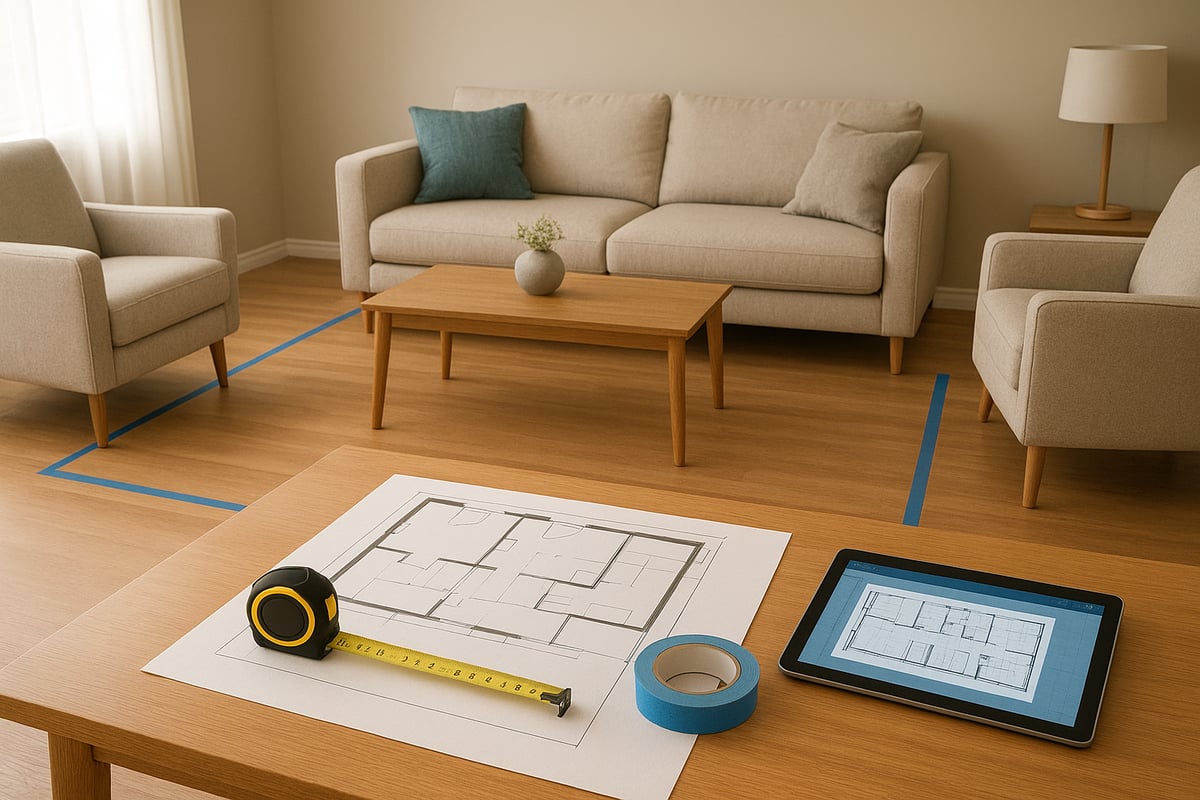
Begin your furniture spacing journey by measuring your space. Use a tape measure to record the length, width, and ceiling height. Note any unique features, such as alcoves, fireplaces, or built-in shelves. Mark the location of doors, windows, and electrical outlets, as these can affect furniture placement.
Sketch a simple floor plan, either on paper or using a digital tool. This visual reference helps you understand the potential and limitations of your room. Identifying traffic flow and natural pathways is essential, ensuring your furniture spacing allows for smooth movement throughout the area.
Step 2: Define Room Purpose and Zones
Next, clarify the primary function of your space. Is it a living room for entertaining, a dining area, or a multi-use zone? Knowing how you want to use the room guides your furniture spacing decisions. For open-plan layouts, establish clear zones for different activities.
Use rugs, lighting, or furniture arrangement to visually separate areas. For example, a large area rug can anchor a seating group, while pendant lights can highlight a dining section. This zoning approach improves the efficiency and comfort of your furniture spacing.
Step 3: Select Essential Furniture Pieces
With your room’s purpose in mind, choose the core furniture pieces. Prioritize essential items, such as sofas, beds, or dining tables, before considering accent pieces. Multi-functional and modular furniture can increase flexibility, especially in smaller spaces.
Think about how each piece contributes to the room’s flow. For instance, a sleeper sofa provides both seating and a guest bed, while an expandable dining table adapts to gatherings. Smart furniture selection is foundational to effective furniture spacing.
Step 4: Apply Spacing Standards
Apply the latest furniture spacing standards for each room type. Refer to updated 2026 guidelines, such as 36-inch walkways in high-traffic zones and recommended clearances around beds and tables. Use painter’s tape on the floor to visualize where each item will sit.
This hands-on approach reveals how your furniture spacing will look and feel. Adjust placements as needed to maintain accessibility and harmony. Standard measurements serve as a reliable reference, but always consider the unique needs of your household.
Step 5: Test and Adjust the Layout
Once your furniture is in place, walk through the room to assess comfort and flow. Test every walkway, seat, and zone. Ask household members for feedback on how the layout supports daily activities and interaction.
For a more precise approach, use digital tools to experiment with arrangements. Try platforms like Easy 3D CAD for everyone to create and visualize different layouts before committing. This step ensures your furniture spacing maximizes both function and aesthetics.
Step 6: Finalize and Accessorize
With your main pieces arranged, add finishing touches. Layer in rugs, lighting, and decor to enhance the mood and define zones. Choose accessories that complement your furniture spacing, avoiding clutter or obstacles.
Wall-mounted shelves, floating desks, and pendant lights can add style without consuming valuable floor space. Regularly review your setup, making adjustments as your needs evolve. The right accessories elevate your furniture spacing from functional to inspired.
Key Arguments and Insights
Effective furniture spacing is an ongoing process, not a one-time task. Prioritize flexibility to accommodate changing needs and new design trends. Embrace digital planning tools, modular furniture, and adaptable layouts for future-ready spaces.
Remember, comfort, accessibility, and visual harmony are the core benefits of proper furniture spacing. By following this structured approach, you create a home that feels welcoming, organized, and truly your own.
Integrating Design Trends and Technology in 2026
In 2026, the fusion of design innovation and technology is transforming how we approach furniture spacing. Homeowners are increasingly looking for solutions that blend function, comfort, and style, while also responding to the latest trends. Staying ahead of these shifts means understanding which advances are shaping the way we plan and use our living spaces.
Smart Furniture and Connected Spaces
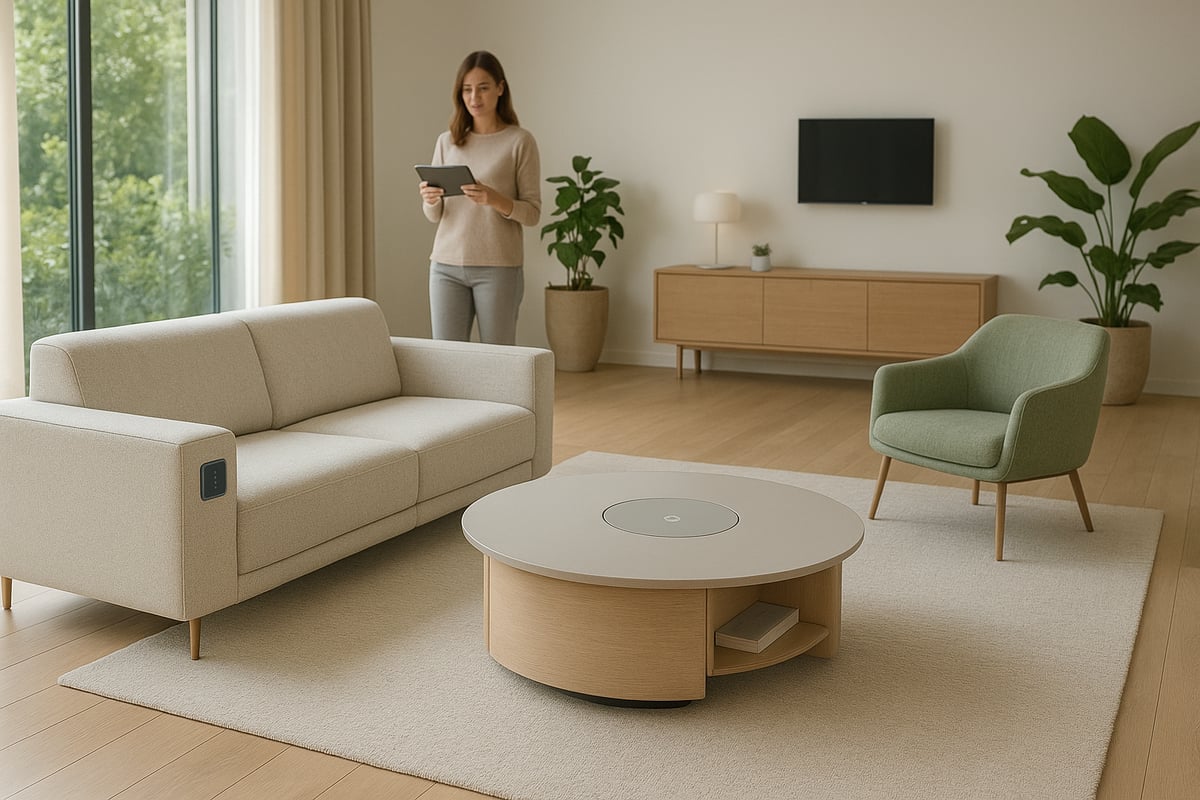
The rise of smart furniture is redefining furniture spacing for modern homes. In 2026, sofas come equipped with built-in wireless charging pads and integrated speakers, while adjustable desks adapt to the user's needs at the touch of a button. These innovations require thoughtful planning to ensure all features are accessible and wiring remains discreet.
Proper furniture spacing supports the functionality of smart pieces, preventing crowding and allowing for smooth operation of connected devices. For example, leaving adequate clearance around a smart coffee table ensures that wireless charging works efficiently and all controls are within reach.
- Built-in charging stations in seating
- Adjustable height desks for hybrid workspaces
- Smart lighting integrated into furniture
Smart furniture is not just about convenience, it is about enhancing daily living through intentional furniture spacing.
Sustainable and Modular Design
Sustainability continues to influence furniture spacing in 2026. Modular furniture allows homeowners to reconfigure spaces as needs change, promoting long-term use and reducing waste. Eco-friendly materials are now standard in many collections, supporting both environmental goals and adaptable layouts.
According to recent reports, over half of new furniture is modular, making it easier to optimize furniture spacing for evolving lifestyles. Flexible seating, extendable tables, and stackable pieces offer versatility without sacrificing style.
- Modular sofas reconfigured for gatherings or solo use
- Recycled materials in furniture frames and fabrics
- Expandable dining tables for multi-use spaces
For more on how current trends are shaping modern layouts and furniture spacing, see the Casa Decor Trend 2025.
Biophilic and Minimalist Influences
Biophilic and minimalist design trends are driving a renewed emphasis on open space and natural elements. In 2026, furniture spacing is designed to highlight negative space, allowing light and air to flow and supporting well-being.
Minimalist interiors use fewer pieces, each carefully chosen and positioned to create harmony. Biophilic design introduces living plants, natural textures, and organic shapes, which require intentional gaps between items to thrive.
- Living walls or planters as focal points
- Neutral palettes that expand perceived space
- Furniture placed to maximize daylight
These approaches to furniture spacing help create environments that are both calming and visually engaging.
Virtual Planning Tools and AR
Technological advancements are making it easier than ever to achieve ideal furniture spacing. Augmented reality (AR) apps and computer-aided design (CAD) tools let homeowners visualize layouts before moving heavy pieces. This reduces trial and error, saving time and effort.
With a smartphone or tablet, users can scan their room and experiment with different furniture spacing scenarios in real time. Many apps offer templates and measurements aligned with the latest 2026 standards, supporting confident decision-making.
- AR apps for visualizing layouts
- CAD software for custom floor plans
- Virtual moodboards for testing color and style combinations
Virtual planning tools put the power of professional design into every homeowner’s hands.
Color, Texture, and Visual Space
Color and texture play a crucial role in furniture spacing by influencing how spacious a room feels. Light colors, reflective surfaces, and mirrors can make small rooms appear larger, while textured accents add depth without clutter.
Strategically placed rugs, cushions, and art help define zones within open spaces, supporting both visual interest and functional flow. The careful balance of color and texture ensures that furniture spacing remains both practical and aesthetically pleasing.
- Mirrors to expand perceived space
- Light-toned upholstery for airy rooms
- Accent pieces for subtle separation
As trends continue to evolve, expect furniture spacing to remain at the center of innovative, adaptable, and sustainable home design.
Common Mistakes and How to Avoid Them
Avoiding pitfalls in furniture spacing is crucial for a harmonious, functional home. Many homeowners unintentionally make the same errors, which can undermine comfort, accessibility, and style. Recognizing these common mistakes will help you create a balanced and welcoming space.
Overcrowding and Underutilizing Space
One of the most frequent mistakes is overcrowding a room with too much furniture or, conversely, leaving the space under-furnished. Crammed spaces feel chaotic and restrict movement, while sparse rooms can seem cold and uninviting.
For example, placing a large sectional in a compact living room often results in blocked pathways and a cluttered look. To optimize your furniture spacing, assess the true needs of the room and remove any non-essential pieces. This approach ensures both comfort and functionality.
Ignoring Flow and Accessibility
Blocking doorways and walkways disrupts the natural flow of a room and can create safety hazards. Proper furniture spacing is essential for clear, accessible paths throughout your home.
A common example is dining chairs placed too close to walls, making it difficult for guests to move in and out comfortably. Always allow at least 36 inches for main pathways and check that doors and drawers can open fully without obstruction. This small adjustment can greatly improve daily living.
Neglecting Scale and Proportion
Mismatched furniture sizes can throw off the balance of a space. When a tiny coffee table sits next to an oversized sofa, the room feels off-kilter and visually disjointed.
To avoid this, select pieces that are proportionate to each other and to the room’s dimensions. Use a measuring tape to confirm that all items fit harmoniously, supporting both the aesthetic and the function of your furniture spacing.
Forgetting Multi-functionality in 2026 Homes
Modern living spaces often serve multiple purposes. Failing to plan for hybrid needs, such as work-from-home setups, can lead to frustration and inefficiency.
For instance, not allocating a dedicated workspace in a small apartment may result in cluttered surfaces and reduced productivity. Choose flexible furniture that supports various activities, and adapt your furniture spacing to accommodate changing routines and uses.
Skipping the Testing Phase
Many people set up their furniture once and never revisit the arrangement. This static approach can prevent your space from evolving with your lifestyle.
After your initial setup, test different layouts and solicit feedback from household members. Adjust pieces as needed to enhance comfort and practicality. Using tools like Moodboard templates for layouts can help you visualize and experiment with different furniture spacing options before making changes.
Relying Only on Visual Appeal
Choosing style over comfort and utility is a common trap. Trendy accent chairs or statement pieces may look stunning but can compromise seating comfort or block pathways.
Balance aesthetics with the practical demands of everyday living. Before purchasing, consider how each item will function within your overall furniture spacing plan. This ensures your home remains both beautiful and livable.
Regularly reassess your furniture spacing to adapt to changing needs, family sizes, or trends. Identify and correct mistakes early by measuring, testing, and planning. With a thoughtful approach, your space will remain inviting, functional, and stylish for years to come.
Expert Tips for Customizing Your Space
Creating a home that truly fits your lifestyle means going beyond generic guidelines and embracing customization. Expert strategies for furniture spacing ensure every room feels comfortable, functional, and uniquely yours. The following tips will help you adapt, personalize, and maximize every inch of your living space.
Tailoring Layouts to Unique Needs
Every household is different, so your approach to furniture spacing should reflect your unique requirements. For families, wider walkways and open zones make movement safer and easier, especially with children or seniors. Singles or couples in compact apartments might prioritize multi-use areas, using fold-away tables or modular sofas.
Seniors or those with mobility concerns benefit from extra clearance around furniture. For example, a minimum of 42 inches between major pieces ensures easy navigation with mobility aids. Always adjust furniture spacing to fit your daily routines, whether you need space for play, work, or relaxation.
Mixing Styles and Personal Touches
Combining vintage and modern pieces creates a dynamic and inviting environment, but it requires careful attention to furniture spacing. Use statement items, like a bold accent chair or unique coffee table, as focal points while maintaining enough negative space for visual balance.
Research shows that thoughtful placement can dramatically influence how spacious a room feels. According to The Effect of Furnishing on Perceived Spatial Dimensions and Spaciousness of Interior Space, strategic spacing and arrangement of furnishings can enhance the perceived dimensions of any room. Play with layout and color contrast to ensure every style element shines without crowding the area.
Seasonal and Flexible Arrangements
Adaptability is essential for modern living. Rotate your furniture layout with the seasons to maximize comfort and utility. In summer, move seating closer to windows or patios to enjoy natural light and breezes. During colder months, rearrange for cozy gatherings or bring outdoor pieces inside.
Flexible furniture spacing allows you to accommodate guests, celebrations, or changing needs. Invest in pieces that are easy to move or reconfigure, such as nesting tables or foldable chairs. This approach keeps your space fresh and responsive to your lifestyle.
Using Lighting and Decor to Enhance Spacing
Lighting and decor play crucial roles in shaping how furniture spacing affects your perception of a room. Use pendant lights above dining tables or floor lamps in corners to define zones and add depth. Mirrors and light-colored walls visually expand spaces, making them feel airier.
Thoughtful placement of rugs, artwork, and plants can reinforce boundaries between functional areas. Keep accessories minimal and avoid cluttering surfaces to maintain open pathways. These techniques amplify the benefits of well-planned furniture spacing and contribute to a harmonious atmosphere.
Storage Solutions and Hidden Spaces
Efficient storage is key to maintaining optimal furniture spacing. Choose beds with built-in drawers, wall-mounted shelves, or ottomans with hidden compartments to free up floor space. In small rooms, vertical storage maximizes utility without sacrificing openness.
Keep high-traffic zones clear by stowing away seasonal items or infrequently used belongings. Integrate storage solutions that blend seamlessly with your decor to preserve both style and functionality. Prioritizing smart storage helps you maintain the integrity of your furniture spacing over time.
When to Consult a Professional
Some layouts, especially in multi-room renovations or homes with specific accessibility needs, benefit from expert guidance. Interior designers can provide tailored advice on furniture spacing, ensuring your rooms meet both aesthetic and practical demands.
Consider professional help when planning major changes, integrating smart technology, or tackling complex layouts. Designers use advanced tools and industry knowledge to optimize every square foot, saving you time and avoiding costly mistakes. If you feel overwhelmed or want a truly bespoke result, consulting a professional is a wise investment.
After exploring the latest standards and proven strategies for optimizing your furniture spacing in 2026, you might be wondering how to bring these principles to life in your own home. Whether you want to design a layout from scratch or visualize your ideas before making any changes, you don't have to do it alone. If you're ready to take the next step and deepen your understanding of interior design for real impact, I recommend you Get started with Interior Design. This masterclass will equip you with the skills and confidence to create harmonious, functional spaces tailored to your unique needs.


Share:
Expert Guide to Woodwork in House for 2026 Homes
Designers Collection Guide 2026: Style Trends & Inspiration