




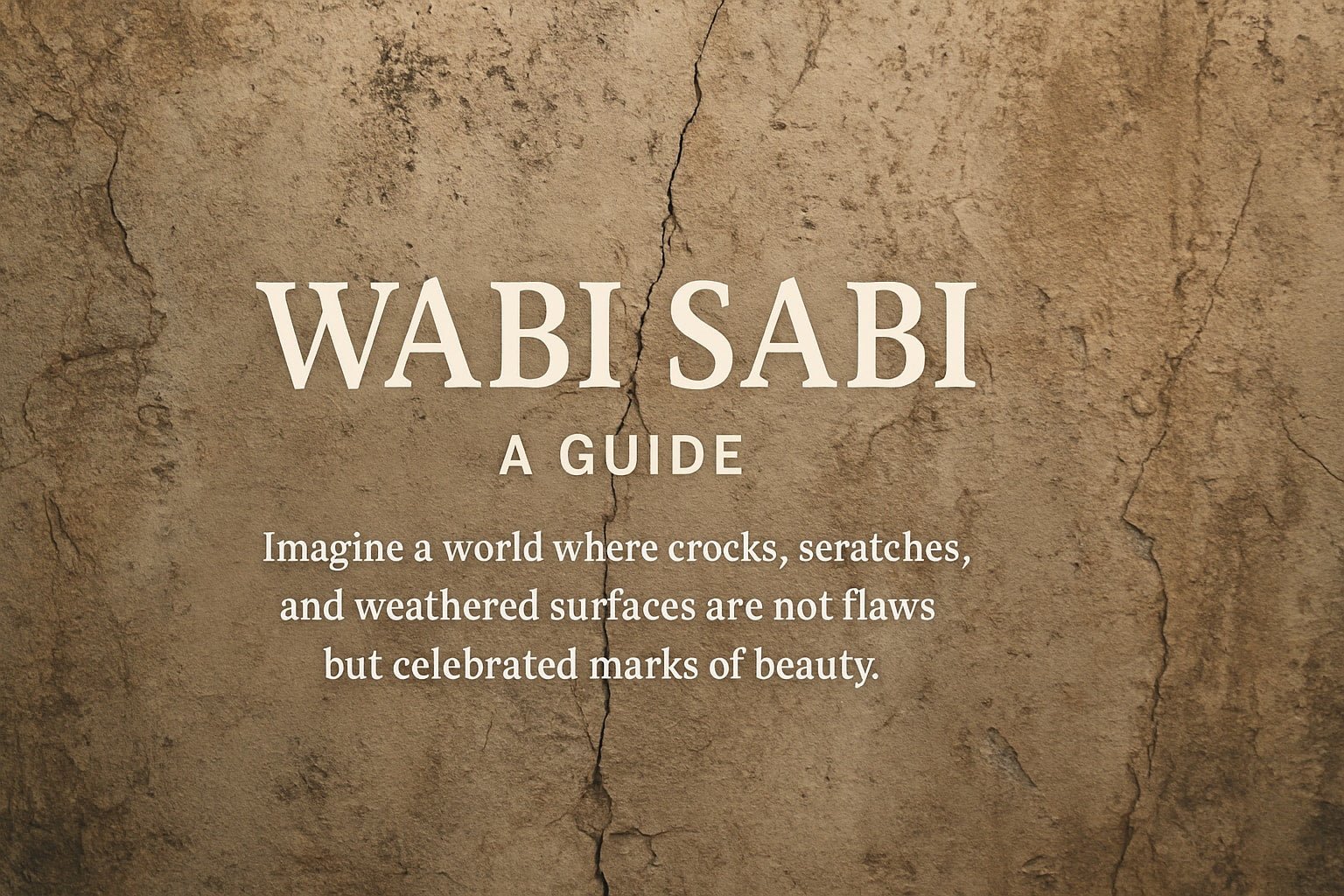
Imagine a world where every crack and weathered edge tells a story, and flaws become a source of beauty. This is the essence of wabi sabi, the Japanese philosophy that finds grace in imperfection and celebrates the passage of time.
In this guide, we will explore the roots of wabi sabi, its practical influence on design and lifestyle, and why it is gaining momentum in 2026. You will discover actionable steps to bring authenticity and calm into your daily life. Are you ready to start your journey toward embracing imperfection?
Understanding Wabi Sabi: Origins and Core Principles
Wabi sabi is the Japanese philosophy that finds beauty not in perfection, but in the natural cycle of growth and decay. At its core, wabi sabi celebrates the serene elegance found in the imperfect, the transient, and the incomplete. Rather than seeking flawlessness, it encourages us to appreciate the subtle marks of time and the quiet dignity of weathered surfaces.
The roots of wabi sabi stretch back to ancient Japan, deeply intertwined with the spiritual teachings of Zen Buddhism. During the 15th century, wabi sabi emerged as a guiding principle in the Japanese tea ceremony, where hosts prized simplicity, rusticity, and understated charm over ostentation. Over centuries, these values evolved, shaping not only art and architecture but also everyday life.
Central to wabi sabi are several foundational principles. Impermanence, or mujō, reminds us that all things are in flux. Incompleteness and asymmetry invite us to embrace what is unfinished or irregular, rather than striving for perfect balance. Naturalness encourages the use of organic materials and forms, highlighting the passage of time through patina, cracks, and weathering.
To better understand these contrasts, consider the following comparison:
| Aspect | Wabi Sabi | Western Perfectionism/Minimalism |
|---|---|---|
| Beauty | Imperfect, aged, irregular | Flawless, new, symmetrical |
| Materials | Natural, weathered, handmade | Manufactured, pristine, uniform |
| Philosophy | Acceptance, humility, authenticity | Control, achievement, precision |
| Aesthetic | Earthy, muted, textural | Polished, bright, smooth |
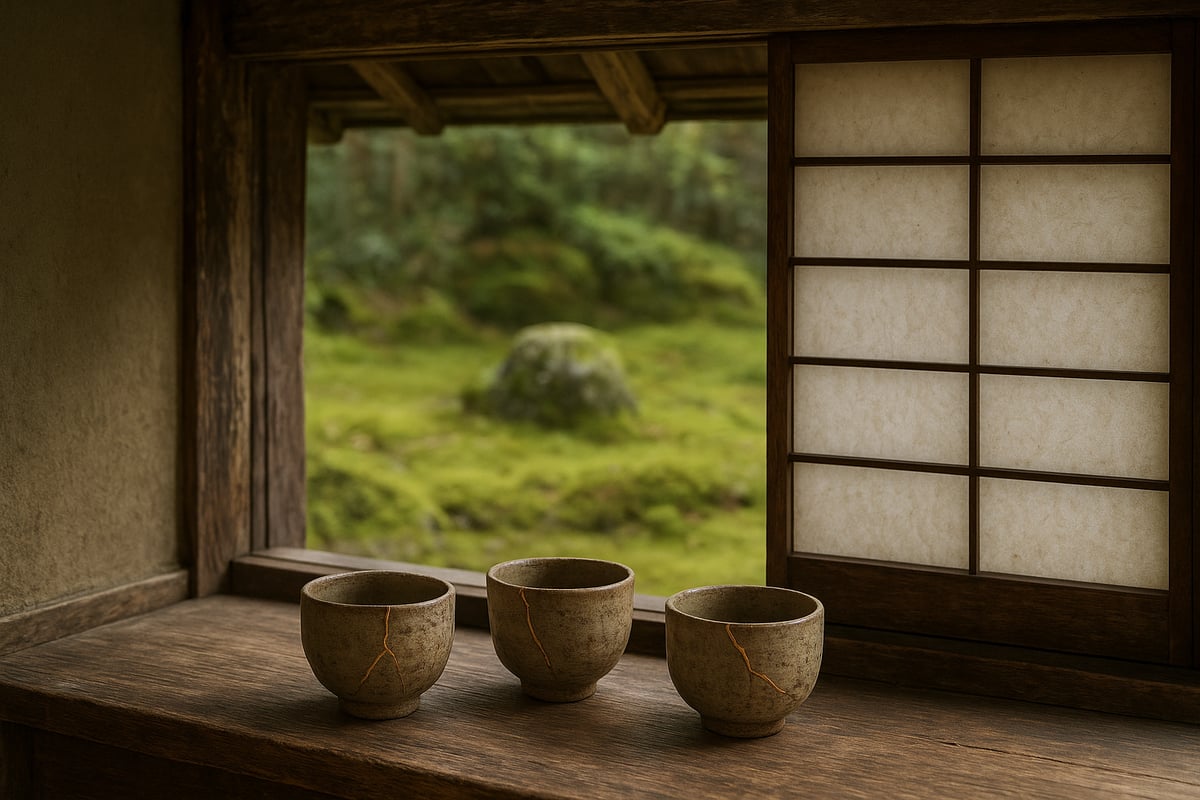
While Western ideals often prioritize symmetry and polish, wabi sabi values the character that comes from use and the marks of time. For example, the Japanese art of kintsugi involves repairing broken pottery with gold, making the cracks a celebrated feature rather than something to hide. Weathered gardens, with mossy stones and uneven paths, and hand-thrown pottery with subtle variations, further illustrate this ethos.
Wabi sabi’s philosophical underpinnings are acceptance, humility, and the pursuit of authenticity. By welcoming the imperfect and the incomplete, wabi sabi invites us to cultivate a sense of peace with ourselves and our surroundings. In a world increasingly driven by speed and perfection, this perspective offers a gentle counterbalance.
Recent years have seen a surge in global interest in wabi sabi. According to Google Trends, searches for the term grew significantly from 2023 to 2025, reflecting a widespread desire for authenticity and simplicity. This influence is especially visible in contemporary design, where more people are seeking out natural materials, handmade objects, and the unique character of timeworn finishes. For a deeper look at how these principles are shaping modern spaces, explore this comprehensive guide to Wabi Sabi in Interior Design.
Ultimately, wabi sabi resonates because it offers an alternative to the relentless pursuit of perfection. It reminds us that true beauty is found in the stories etched into our surroundings and ourselves, and that embracing imperfection can lead to a more grounded, meaningful way of living.
Wabi Sabi in Daily Life: Mindset and Practice
Embracing wabi sabi in daily life means shifting the way we see ourselves, our routines, and our relationships. This transformation is less about radical change and more about gentle acceptance. Through intentional practice, wabi sabi becomes a guiding principle for a more balanced, authentic, and resilient way of living.
Cultivating a Wabi Sabi Mindset
Adopting a wabi sabi mindset begins with releasing the constant pursuit of flawlessness. Instead, it encourages us to appreciate the beauty of things as they are. Letting go of perfectionism is not a passive act, but an intentional practice. Try these strategies:
- Practice self-compassion by acknowledging your mistakes without harsh judgment.
- Focus on the present moment, using mindfulness techniques to appreciate small, imperfect details.
- Reframe setbacks as opportunities for growth rather than failures.
Mindfulness is at the heart of wabi sabi. Pause to notice the subtle marks on a favorite mug or the way sunlight shifts across a wall. These moments ground us in reality and foster gratitude.
Emotional resilience also grows when we embrace wabi sabi. Accepting our own flaws makes it easier to accept them in others, reducing stress and improving overall well-being. For example, professionals who have integrated wabi sabi into their work-life balance report feeling less pressure to meet unrealistic standards. According to the American Psychological Association in 2024, studies show that acceptance is strongly linked to lower levels of stress.
By weaving wabi sabi into your mindset, you create space for authenticity and contentment every day.
Everyday Rituals and Habits
Wabi sabi is not only a philosophy but a daily practice. Small rituals can infuse life with intention and calm. Consider these habits:
- Start each morning with a simple routine, such as brewing tea in a chipped cup.
- Slow down daily tasks, like folding laundry or preparing meals, to savor the experience.
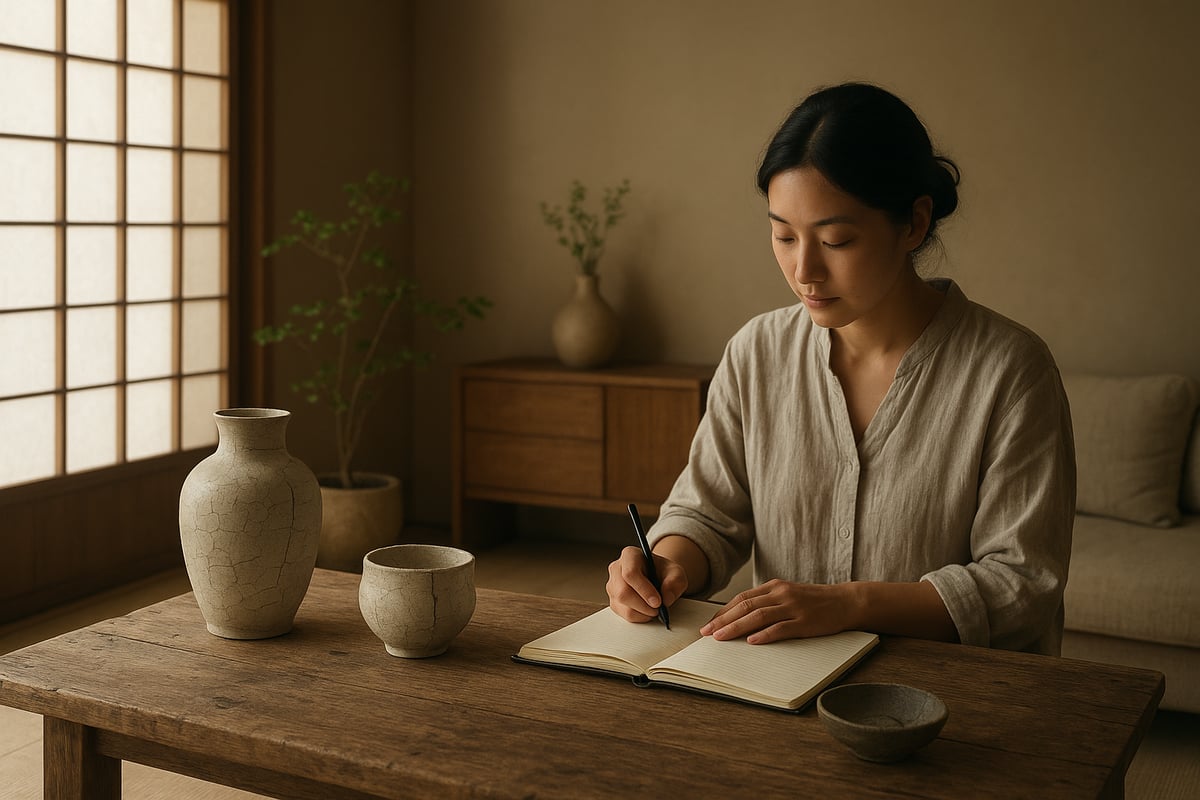
- Keep a journal where you note imperfections and reflect on how they contribute to your personal growth.
A wabi sabi-inspired gratitude practice might involve listing things that are beautifully flawed, like a weathered family heirloom or a garden’s uneven blooms. These small acts remind us that imperfection is not a problem to fix, but a quality to celebrate.
Engaging with communities that value craftsmanship and authenticity, such as the Makers and Creators Community, can deepen your understanding of wabi sabi. Here, people share stories of handmade objects and the meaningful marks left by time and use.
These rituals, practiced regularly, foster a sense of contentment and help anchor us in the present, making wabi sabi a living, breathing part of our routines.
Applying Wabi Sabi to Relationships
Relationships thrive when we embrace imperfection. Wabi sabi teaches us that authenticity and vulnerability are far more valuable than polished appearances. In communication, this means expressing feelings honestly and listening without judgment.
When conflicts arise, approach them with acceptance. Recognize that differences and misunderstandings are natural parts of any connection. Instead of striving for perfect harmony, focus on understanding and growth.
Teaching children the value of imperfection is another way to live wabi sabi. Encourage them to see mistakes as learning opportunities and to appreciate what makes each person unique.
| Traditional Approach | Wabi Sabi Approach |
|---|---|
| Strive for flawlessness | Value authenticity |
| Avoid conflict | Embrace differences |
| Hide vulnerabilities | Share openly |
Examples abound in parenting and partnerships. Couples who practice wabi sabi principles report greater satisfaction and trust. According to Pew Research in 2025, surveys show that relationships built on authenticity and acceptance tend to be more resilient and fulfilling.
Bringing wabi sabi into your relationships creates deeper connections and a more compassionate, supportive environment.
Wabi Sabi in Home and Interior Design
Wabi sabi transforms the way we experience our living spaces. In 2026, more people are embracing interiors that reflect authenticity, warmth, and the beauty of imperfection. This philosophy invites us to see our homes not as showrooms, but as evolving sanctuaries shaped by time, use, and personal history.
Key Elements of Wabi Sabi Design
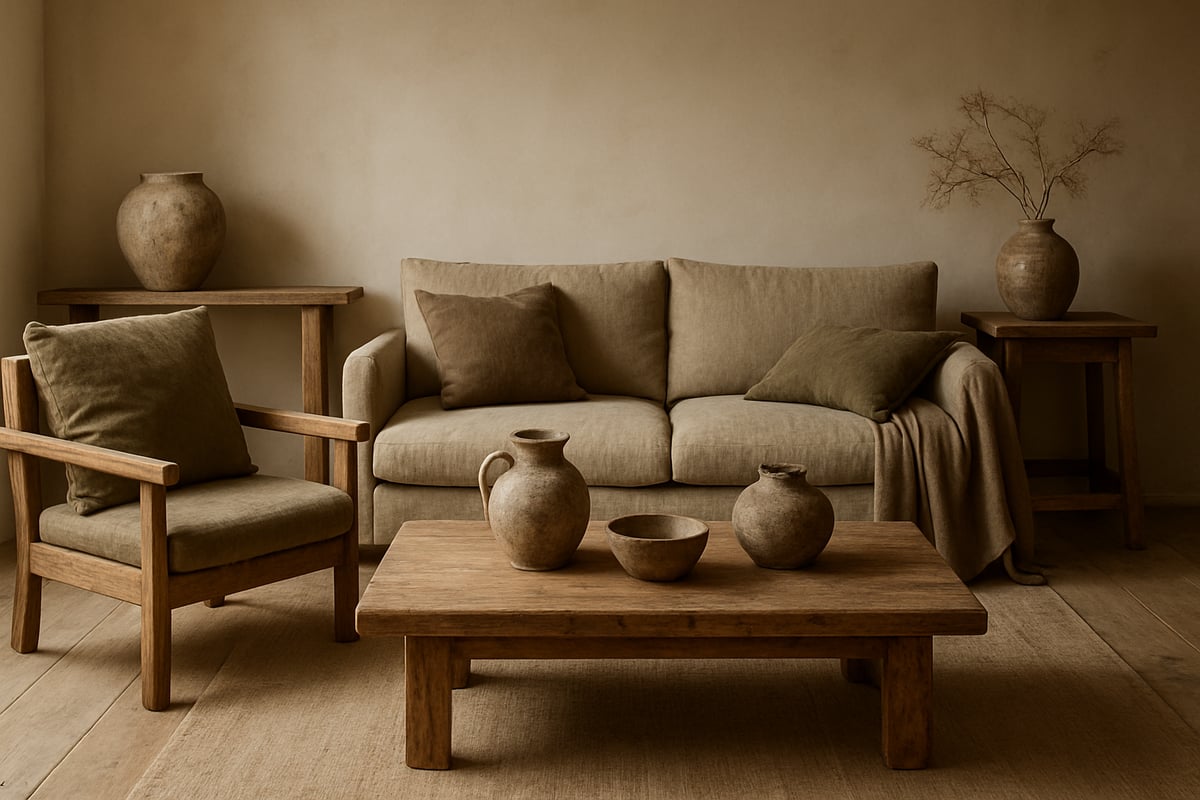
Wabi sabi design centers on materials and finishes that reveal the passage of time. Natural wood, stone, linen, and ceramics are favored, often showing wear, patina, or irregularities. These materials evoke a sense of history and connection to nature.
The color palette is understated, with earthy hues like taupe, clay, moss green, and charcoal. These tones create a gentle, grounded atmosphere. Texture is essential, with rough-hewn wood, unglazed pottery, and woven fabrics adding tactile interest.
Lighting in wabi sabi spaces is soft and indirect, often filtered through rice paper or linen shades. This approach casts gentle shadows, highlighting the organic forms and asymmetry found in the décor.
| Element | Wabi Sabi Approach | Example |
|---|---|---|
| Materials | Natural, aged, imperfect | Reclaimed wood, raw linen |
| Colors | Earthy, muted | Soft grey, ochre, olive |
| Texture/Form | Irregular, tactile | Hand-built ceramics, rough stone |
| Lighting | Warm, diffuse | Paper lantern, candlelight |
Japanese teahouse interiors, with their rustic walls and uneven floors, perfectly embody wabi sabi. Reclaimed wood furniture and weathered garden stones are also iconic examples.
Creating a Wabi Sabi Space: Step-by-Step Guide
Transforming your home with wabi sabi can be both practical and rewarding. Here’s a step-by-step approach:
- Declutter and Simplify: Keep only what is essential and meaningful.
- Choose Natural Materials: Opt for linen, clay, wood, and stone in furnishings and décor.
- Highlight Imperfections: Display items with visible cracks, knots, or weathering.
- Incorporate Handmade and Vintage Items: Add character with unique, storied pieces.
- Layer Textures and Embrace Asymmetry: Mix rough and smooth, old and new, for visual depth.
- Use Subdued, Earthy Colors: Create harmony with natural, muted tones.
- Allow Space and Emptiness: Negative space becomes a form of beauty.
Imagine a before-and-after transformation: a cluttered, impersonal room becomes a tranquil retreat featuring a vintage clay vase with a chipped rim, a handwoven rug, and a simple wooden bench. According to 2025 interior trend reports from Elle Decor and Architectural Digest, wabi sabi is one of the top movements shaping how people design and live in their homes.
For those seeking inspiration, the Wabi Sabi Furniture Collection offers a curated selection of pieces that bring this philosophy to life, showcasing the artistry of imperfection and natural materials.
Wabi Sabi and Sustainable Living
Wabi sabi naturally aligns with sustainable living. Instead of discarding old or flawed items, this philosophy encourages reuse and repurposing. A cracked bowl can become a planter, and worn textiles find new life as patchwork throws.
Eco-friendly choices are integral to wabi sabi, with an emphasis on longevity over trend-driven disposability. Homeowners choose durable, repairable pieces and support local artisans, reducing waste and supporting craftsmanship.
Unlike cold minimalism, wabi sabi adds warmth and personality to pared-back spaces. Upcycled furniture, DIY repairs, and locally crafted décor are increasingly popular, reflecting a desire for authenticity and environmental responsibility.
Recent data from Statista shows a marked growth in sustainable home products in 2025, as consumers seek both aesthetic value and ethical impact. Wabi sabi design helps bridge the gap between beauty, function, and mindful living.
Wabi Sabi in Art, Craft, and Creativity
Imperfection has always been a powerful force in art. The wabi sabi philosophy invites artists and makers to see flaws not as mistakes but as unique signatures of authenticity. This approach has brought new energy to creative fields in 2026, inspiring works that celebrate transience and the handmade touch.
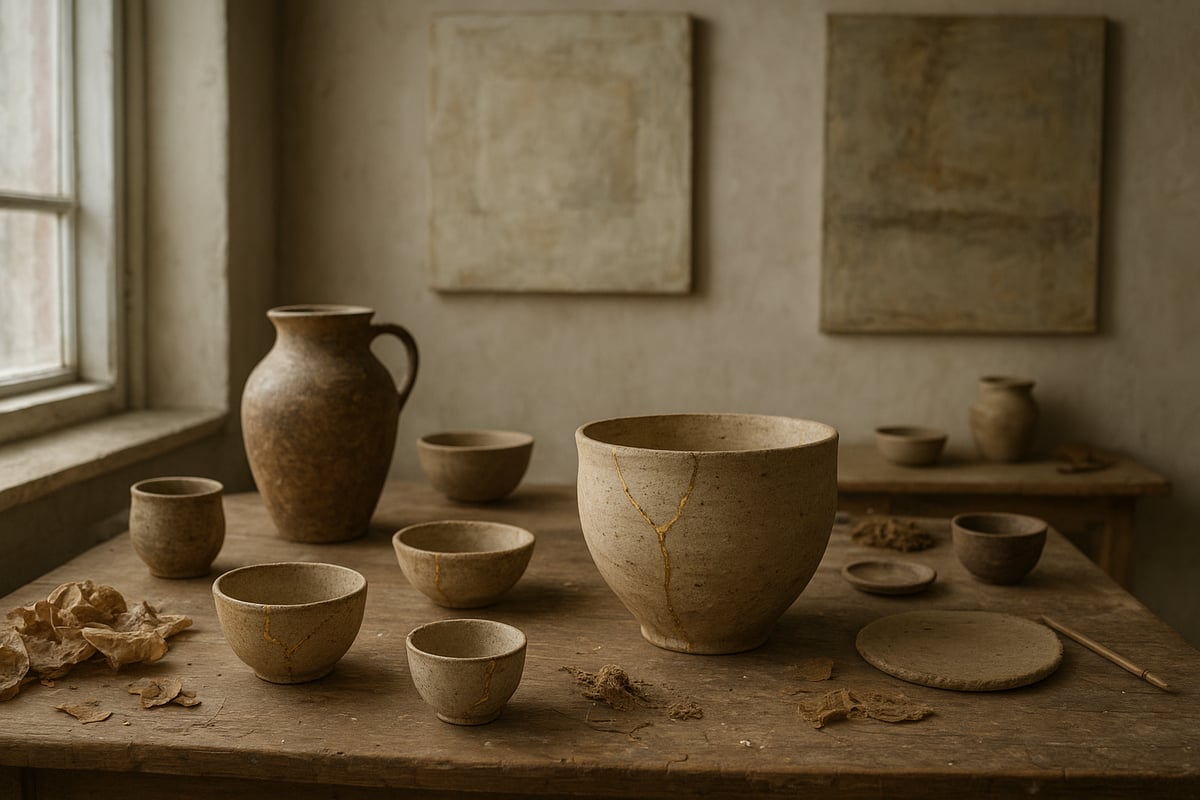
Wabi sabi aesthetics shine in pottery, painting, and sculpture. Potters intentionally leave pieces asymmetrical, highlighting the raw nature of clay. Painters use muted palettes and textured strokes, allowing unfinished edges to become focal points. Sculptors let organic forms and weathered surfaces tell a story of time and process. Each piece becomes a meditation on nature and impermanence.
The influence of wabi sabi is evident in the work of both historic and contemporary artists. Japanese tea ceremony pottery, with its rustic glazes and uneven rims, embodies this philosophy. Modern movements such as abstract expressionism and certain strands of minimalism also reflect wabi sabi’s embrace of spontaneity and naturalness. In 2026, international art exhibitions are showcasing pieces that highlight visible repairs, rough textures, and the beauty of process.
Embracing imperfection is at the heart of creative growth. Artists often find their most original ideas through mistakes and unpredictability. Wabi sabi encourages creators to value the journey over the outcome, fostering resilience and innovation. This mindset has led to a surge in DIY projects such as kintsugi pottery repair, hand-built ceramics, and natural dyeing. These crafts invite makers to interact with materials honestly, letting flaws become features.
For those interested in current art movements, Wabi Sabi Artwork Trends offers a detailed look at how wabi sabi is shaping contemporary pieces and guiding new design preferences.
The popularity of handmade crafts continues to rise, reflecting a global desire for authenticity. According to Etsy, the handmade crafts market saw significant growth from 2024 to 2025, driven in part by the appeal of wabi sabi-inspired art.
| Year | Handmade Crafts Market Growth (%) | Key Influences |
|---|---|---|
| 2024 | 12 | Wabi sabi, sustainability |
| 2025 | 15 | Authenticity, slow craft |
Wabi sabi’s emphasis on imperfection is fueling a new wave of innovation. By letting go of rigid standards, artists and makers unlock originality and deeper connections with their audience. In a world hungry for meaning, wabi sabi offers a refreshing reminder that beauty often lies in what is unfinished, unpolished, and real.
Wabi Sabi and Technology: Finding Balance in 2026
In 2026, the rapid pace of technological advancement has created a paradox: while we are more connected than ever, many feel overwhelmed by digital perfection and constant connectivity. The wabi sabi philosophy offers a refreshing alternative, encouraging us to embrace imperfection and authenticity within our digital lives. As technology becomes increasingly seamless, users are seeking moments of pause, reflection, and genuine connection.
Digital minimalism is emerging as a powerful trend, inspired by wabi sabi. Instead of cluttered feeds and relentless notifications, people are curating online spaces that focus on what truly matters. This shift is visible in the design of apps, websites, and even operating systems, which now prioritize simplicity, muted color palettes, and organic forms. Designers are intentionally integrating the wabi sabi approach, favoring subtle textures, gentle gradients, and asymmetrical layouts that echo the natural world.
The slow tech movement is another response to digital overload, aligned with wabi sabi values. Individuals are reducing screen time and rediscovering analog experiences, such as journaling, sketching, or listening to vinyl records. There is a growing appreciation for digital products that highlight imperfections, like hand-drawn icons or unique smartphone cases. In the realm of digital art and UI design, the influence of wabi sabi is unmistakable. For example, Wabi Sabi Wall Art in 2026 explores how relaxed, authentic visuals are shaping both physical and digital spaces.
Tech wellness is now a priority, with apps and platforms dedicated to mindfulness, digital detox, and self-acceptance. According to the Global Web Index (2025), a significant percentage of users report digital burnout and crave more authentic online interactions. As a result, companies are developing tools that encourage users to set boundaries, unplug regularly, and appreciate the beauty of imperfection. Looking ahead, experts predict that wabi sabi will continue to influence not only personal tech habits but also the broader direction of technology—shifting the focus from flawless efficiency to meaningful, human-centered experiences.
Global Influence: Wabi Sabi as a 2026 Lifestyle Trend
In 2026, the wabi sabi philosophy is transforming everyday living on a global scale. By embracing imperfection, simplicity, and authenticity, wabi sabi is inspiring new approaches to fashion, food, and community. Its influence is seen not only in aesthetics but also in values, shaping how people connect with themselves and the world.
Wabi Sabi in Fashion and Lifestyle
Wabi sabi is making a bold statement in the fashion world. Designers are turning to natural fibers, loose-fitting garments, and organic textures. Visible mending, once seen as a flaw, is now a celebrated detail. Handcrafted jewelry and upcycled accessories echo this shift, blending sustainability with personal expression.
In 2026, slow fashion is redefining luxury. Earthy color palettes and unique, lived-in fabrics are on runways and in everyday wardrobes. Brands are choosing to showcase the story behind each piece, highlighting minor imperfections as marks of individuality. For those seeking inspiration, the Sustainable Upcycled Furniture Ideas collection demonstrates how wabi sabi principles extend into home décor, encouraging a holistic approach to sustainable living.
Beauty trends are also shifting. The rise of “skinimalism” celebrates natural features, moving away from heavy makeup and digital filters. Industry reports confirm that slow fashion and authentic self-expression are gaining traction, with wabi sabi at the heart of this movement.
Wabi Sabi in Food and Culinary Arts
The culinary world is embracing wabi sabi by honoring the imperfect and the seasonal. Chefs are plating dishes on rustic ceramics, using mismatched tableware, and letting natural ingredients take center stage. Farm-to-table dining is more popular than ever, with restaurants prioritizing local produce and reducing food waste.
Imperfect fruits and vegetables, once discarded, are now featured in recipes and menus. This approach not only reduces waste but also celebrates the unique character of every ingredient. Communal dining experiences, where guests share meals in a relaxed setting, reflect the wabi sabi spirit of connection and acceptance.
Michelin-starred restaurants are adopting these principles, emphasizing mindful eating and the beauty of simplicity. Data from industry sources highlights a steady rise in food waste reduction and slow food adoption, underscoring the global reach of wabi sabi in culinary arts.
Wabi Sabi Communities and Social Movements
Wabi sabi is fostering communities that value authenticity, acceptance, and mental wellbeing. Online forums and social media groups are connecting people who share stories of imperfection, resilience, and growth. Influencers and advocates are challenging unrealistic beauty standards and promoting body positivity, inspired by wabi sabi ideals.
Local workshops in pottery, mending, and mindfulness are flourishing, giving individuals practical tools to integrate wabi sabi into daily life. These gatherings nurture a sense of belonging and encourage participants to embrace their unique paths. Campaigns centered on mental health and authenticity are gaining momentum worldwide, supported by data showing increased interest in mindfulness and acceptance.
In 2026, wabi sabi is more than a trend. It is a global movement, uniting people through shared values of simplicity, sustainability, and genuine connection.
As we’ve explored, Wabi Sabi invites us to find beauty in simplicity, authenticity, and the imperfect details that make each space uniquely our own. If you’re inspired to bring these timeless principles into your daily life, learning the fundamentals of interior design is a wonderful next step. By understanding how to balance natural materials, subtle textures, and thoughtful layouts, you can create a home that truly reflects the spirit of Wabi Sabi. Ready to start your journey toward more mindful, meaningful spaces? Get started with Interior Design and discover how to turn imperfection into your greatest design asset.


Share:
Modern Cottage Guide: Your Path to Stylish Living in 2026
Scandinavian Interiors Guide: Your Path to Stylish Spaces 2026