




Imagine walking into your home and instantly feeling a wave of calm. This is the promise of natural style interior design, where every detail draws inspiration from the tranquility of the outdoors.
In this guide, you will discover how to create a serene, nature-inspired space using the latest approaches for 2026. We will explore essential elements, harmonious color palettes, sustainable materials, mindful furniture choices, and tailored room-by-room strategies.
Ready to transform your living environment into a peaceful retreat? Let’s begin your journey to natural style interior design.
Understanding Natural Style Interior Design
Imagine stepping into a home where every detail feels calm, organic, and inviting. This is the essence of natural style interior design. By blending the tranquility of nature with thoughtful aesthetics, homeowners can create spaces that nurture well-being and connect us to the outdoors.
Defining Natural Style
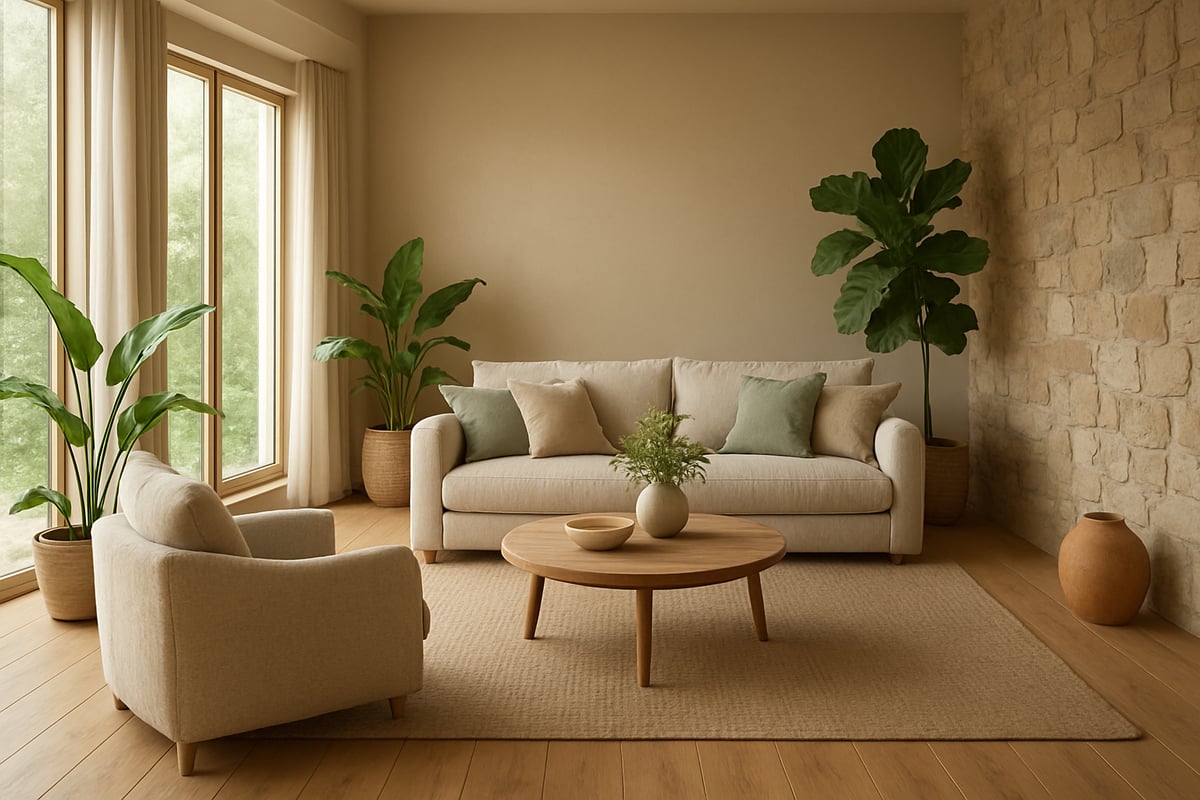
Natural style interior design centers on bringing the beauty of the outdoors inside. It emphasizes organic shapes, tactile textures, and authentic materials such as wood, stone, and woven fibers. Unlike modern or industrial styles that often highlight sleek lines and synthetic finishes, natural style interior design prioritizes warmth and comfort.
This approach draws inspiration from biophilic design principles, which aim to create environments that foster a strong connection with nature. Scandinavian and Japanese aesthetics have significantly influenced this look, favoring simplicity, functionality, and harmony. As a result, natural style interior design has seen a surge in popularity, especially in 2025 and into 2026, as reported by leading design trend sources.
Benefits of Natural Interior Design
Adopting natural style interior design offers tangible benefits for both mind and body. Studies show that living among natural elements can reduce stress and improve overall mental health. Real plants and natural materials enhance indoor air quality, making the home healthier.
This style also delivers timeless appeal, which can increase property value and attract future buyers. Its versatility makes it suitable for homes of all sizes, from urban apartments to spacious family houses. For example, homeowners who embrace natural elements often report higher satisfaction and a sense of well-being in their living environments.
Key Characteristics and Principles
The foundation of natural style interior design lies in its core characteristics. Neutral, earthy color palettes such as sand, clay, and olive set a calming backdrop. Spaces are filled with abundant natural light, often with open layouts that encourage flow and relaxation.
Minimalism is paired with warmth through the use of textured accessories and sustainable, eco-friendly materials. Large windows frame outdoor views, while natural art and indoor greenery further connect the interior with the environment. Open-plan living areas featuring greenery and wood finishes are hallmark examples of this approach.
Current Trends for 2026
Looking ahead, natural style interior design in 2026 is defined by a focus on sustainability and innovation. Homeowners are turning to locally sourced decor and integrating smart-home technology that complements natural aesthetics. Hybrid indoor-outdoor spaces are gaining traction, with sliding glass walls and seamless flooring transitions.
Recycled and upcycled materials are increasingly popular, reflecting a broader commitment to eco-conscious living. According to industry trend reports, 40 percent of new builds in 2026 will feature biophilic elements. To explore more about these trends and how they shape serene, nature-inspired spaces, visit this Interior design trends for 2025 guide.
Core Elements of Natural Style Interiors
Creating a serene and inviting home starts with understanding the core elements that define natural style interior design. Each of these essentials brings you closer to a harmonious space where nature and comfort blend seamlessly.
Natural Materials: Wood, Stone, Linen, and More
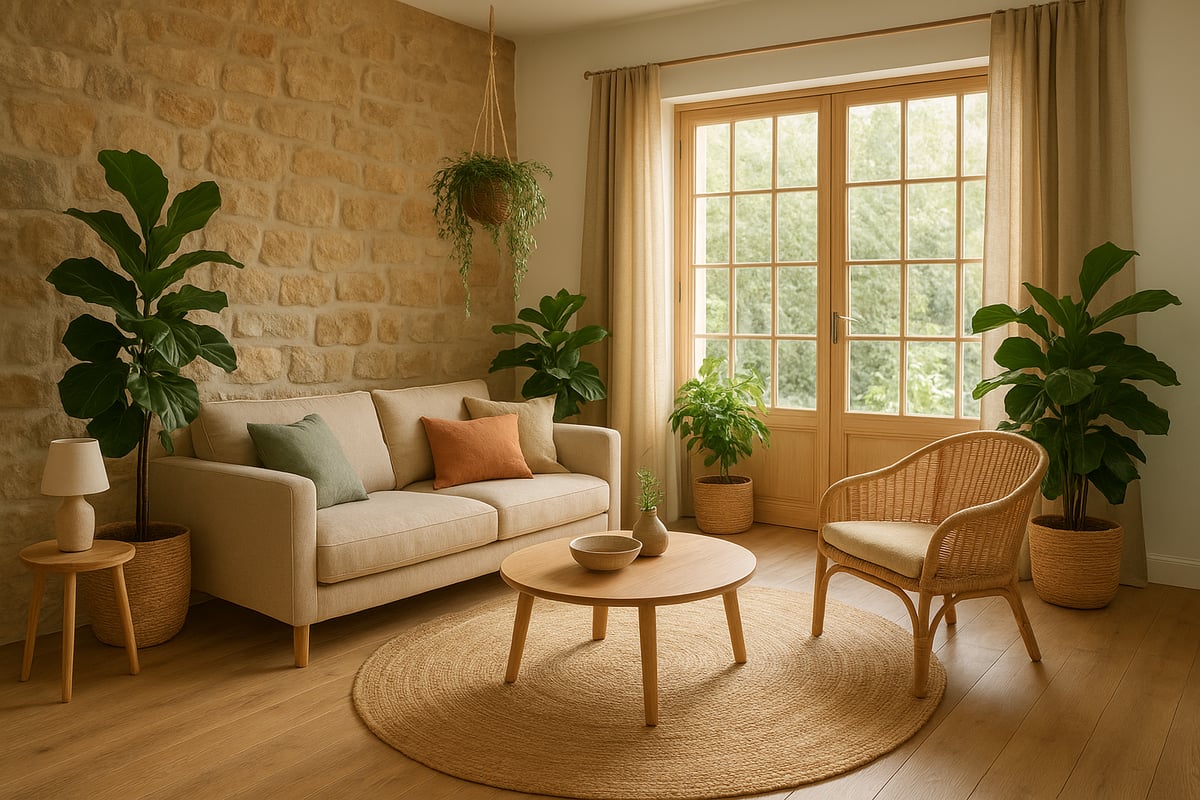
At the heart of natural style interior design is the use of authentic, tactile materials that echo the outdoors. Wood is a foundational element, with oak, walnut, and bamboo offering warmth and visual interest. Stone surfaces like marble, slate, and travertine are prized for their durability and organic beauty. Soft elements such as linen, cotton, and jute bring comfort and texture, making each space feel grounded and welcoming.
For example, exposed wooden beams paired with a stone accent wall instantly set a calming, earthy tone. The emphasis on genuine materials not only enhances aesthetics but also supports sustainability, which is a hallmark of natural style interior design. According to recent natural materials in 2026 interiors reports, these elements are set to be even more prominent in the coming years.
Nature-Inspired Color Palettes
Color choices in natural style interior design are inspired by the earth and sky. Neutral tones like beige, sand, clay, olive, and sage create a restful backdrop. Accent colors—deep greens, sky blues, and terracotta—offer visual interest without overwhelming the senses.
Layering these hues is key. For instance, a living room can feature sand-colored walls, olive green textiles, and soft clay accessories for depth and serenity. This approach ensures that every element feels cohesive, reflecting the tranquility of nature. The result is a soothing palette that adapts well to any room, providing flexibility and timeless appeal.
Textures and Layering
Texture is essential in natural style interior design, adding dimension and tactile comfort. Mixing rough and smooth surfaces—like a jute rug beside a polished wood table—prevents spaces from feeling flat or sterile. Woven baskets, rattan chairs, and wool throws introduce both visual and physical warmth.
Accessories such as hand-knotted cushions or knitted blankets enhance this effect. Layering different textures invites touch and curiosity, making each room both functional and comforting. This balance of materials fosters an environment that is minimal yet rich with character, a core principle of natural style interior design.
Plants and Greenery
Incorporating live plants is a defining feature of natural style interior design. Greenery purifies the air, provides visual calm, and strengthens the connection to the outdoors. Popular choices include fiddle leaf figs, snake plants, and low-maintenance herbs, all of which thrive in various lighting conditions.
Creative displays, such as vertical gardens or hanging pots, maximize greenery without cluttering surfaces. In kitchens, potted herbs offer both freshness and function. These living elements bring movement and life into interiors, reinforcing the soothing qualities that make natural style interior design so appealing.
Maximizing Natural Light
Natural light is a cornerstone of natural style interior design. Large windows, skylights, and sheer curtains invite sunlight into every corner, enhancing the sense of openness and well-being. Placing mirrors strategically helps reflect light, making spaces feel brighter and more expansive.
Avoid heavy drapery or dark window treatments, which block the flow of daylight. Instead, opt for open-plan layouts with floor-to-ceiling glass where possible. The interplay of sunlight with natural materials and colors ensures that your home feels airy and connected to the outside world, embodying the essence of natural style interior design.
Furniture and Decor Selection for a Serene Home
Selecting furniture and decor for a natural style interior design is about creating a tranquil, harmonious environment grounded in comfort and authenticity. Each decision, from the sofa you choose to the smallest accessory, shapes the overall feeling of serenity in your home. Let's explore how to make thoughtful choices that align with the principles of natural style interior design.
Choosing the Right Furniture Styles
Prioritize furniture that embodies simplicity, functionality, and comfort. Opt for low-profile pieces made from natural wood, such as oak or walnut, which give the room a grounded and timeless appearance. Avoid ornate or synthetic designs, as these can disrupt the calm atmosphere central to natural style interior design.
Scandinavian-inspired sofas and minimalist tables work well, offering both style and practicality. According to 2026 interior design trends, the focus is shifting toward furniture with clean lines and tactile materials, enhancing the sense of tranquility and connection to nature.
- Look for soft, rounded edges on chairs and tables.
- Choose upholstery in neutral, earthy tones.
- Select versatile pieces that can adapt to different layouts.
By keeping your selections understated yet thoughtful, you reinforce the soothing qualities of natural style interior design.
Sustainable and Ethical Sourcing
Sustainability is a cornerstone of natural style interior design. Select furniture and decor made from responsibly harvested materials, paying attention to eco-friendly and fair-trade certifications. FSC-certified wood, recycled metals, and organic textiles are excellent choices for minimizing your environmental impact.
- Research brands that prioritize ethical sourcing.
- Verify certifications before purchasing.
- Consider vintage or upcycled pieces to reduce waste.
By choosing sustainable options, you not only support global well-being but also ensure your home reflects the core values of natural style interior design.
Integrating Handcrafted and Artisan Pieces
Handcrafted decor adds depth and character to natural style interior design. Incorporate handmade ceramics, woven baskets, and artisanal textiles to infuse your space with warmth and individuality. Supporting local artisans and small businesses also fosters a sense of community and authenticity in your home.
- Display handwoven baskets for storage.
- Use pottery as functional decor on shelves or tables.
- Add hand-loomed throws or pillows for texture.
Each artisan piece tells a story, contributing to the layered, inviting feeling that defines natural style interior design.
Minimalism with Personality
Embrace minimalism without sacrificing personality or coziness. Declutter surfaces and maintain open spaces, but introduce a few statement pieces that reflect your style. For example, a large driftwood sculpture can serve as a stunning focal point while reinforcing the organic theme.
- Keep accessories purposeful and intentional.
- Mix tactile elements for visual interest.
- Leave breathing room between decor items.
This approach ensures your natural style interior design remains serene and uncluttered, yet uniquely yours.
Accessorizing with Natural Elements
Use nature-inspired accessories to complete your natural style interior design. Stones, branches, shells, and dried flowers bring organic beauty indoors. Layer these with woven trays, wool throws, and cotton pillows to add comfort and depth.
- Create a centerpiece bowl with river stones.
- Arrange driftwood on shelves or mantels.
- Display dried grasses in ceramic vases.
These finishing touches tie the room together, enhancing the calming effect of natural style interior design.
Enhancing Natural Style with Digital Design Resources
Digital resources can significantly streamline your natural style interior design process. Online libraries of 3D furniture models make it easy to visualize layouts before committing. You can access self-paced courses to deepen your design skills and use mood-board templates to organize your ideas.
Platforms like Craft'n Build empower both DIYers and professionals to experiment with textures, materials, and color palettes in a virtual space. This ensures every detail aligns with the serenity and authenticity at the heart of natural style interior design.
Room-by-Room Guide to Natural Style Interiors
Step into a home where every space feels calm, grounded, and inspired by nature. A thoughtful room-by-room approach to natural style interior design ensures each area supports your daily life with comfort and serenity. Let us explore how to bring this timeless style into every corner of your home.
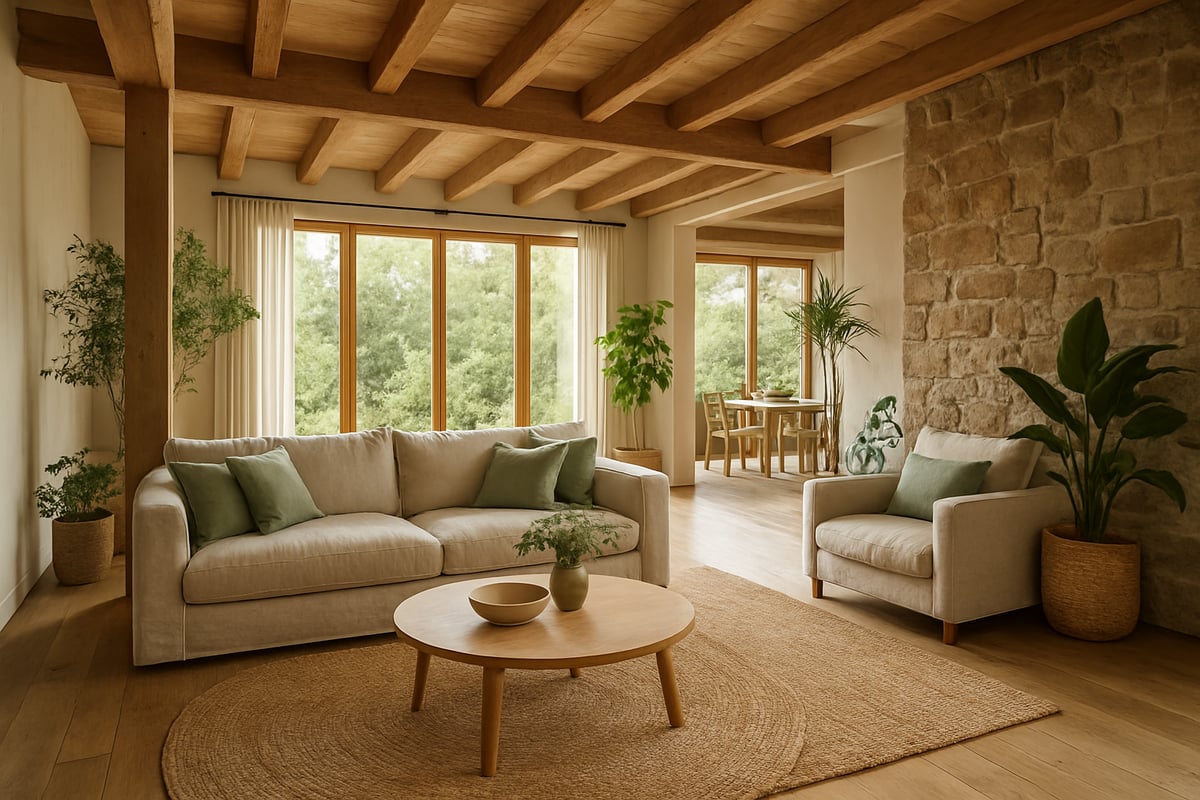
Living Room: Creating a Calm Gathering Space
The living room sets the tone for natural style interior design throughout your home. Arrange seating to encourage conversation and openness, using sofas and chairs with soft, organic lines. Anchor the space with a large natural fiber rug, and introduce wood coffee tables alongside woven poufs for tactile variety.
Add a mix of large indoor plants, like fiddle leaf figs or monstera, to purify the air and create a visual connection to nature. Use botanical prints or landscape art to reinforce the theme. For deeper insight into bringing nature indoors, explore biophilic design principles that inspire tranquility and elevate well-being.
Choose an earth-tone color palette with sand, clay, and olive accents to foster a relaxing environment. This approach to natural style interior design not only beautifies your living room but also creates a welcoming retreat for family and friends.
Bedroom: Designing a Restful Retreat
In the bedroom, natural style interior design focuses on rest and rejuvenation. Opt for organic bedding in linen or cotton, paired with blackout linen curtains that soften light while ensuring restful sleep. Select minimalist furniture with soft, rounded edges and natural wood finishes for a cozy yet uncluttered feel.
Bring in calming wall art inspired by landscapes or botanicals to set a peaceful mood. A platform bed with a rattan headboard and neutral linens embodies both comfort and simplicity. Add a woven basket for extra blankets and a few small potted plants for a touch of green.
Keep the palette muted with shades of beige, sage, or sky blue, supporting a tranquil atmosphere. Every element should contribute to a harmonious, restorative space.
Kitchen: The Heart of Natural Living
The kitchen is where natural style interior design shines through tactile materials and earthy details. Choose stone or wood countertops for a grounded, substantial feel. Open shelving highlights ceramic and wooden dishware, making everyday items part of the decor.
Incorporate an herb garden on a sunny windowsill to bring freshness and fragrance into the space. Select bamboo bar stools and clay pendant lights to enhance the organic theme. Use woven trays and linen runners for added texture.
A palette of warm neutrals, like sand and terracotta, keeps the kitchen inviting and timeless. Prioritize functionality and beauty in equal measure, creating a space that nurtures both body and spirit.
Bathroom: Spa-Like Serenity
Transform your bathroom into a spa-inspired haven with natural style interior design. Use natural stone tiles for floors and walls, and select wooden vanities for warmth and character. Choose plants that thrive in humidity, such as ferns or pothos, to add life and freshness.
Stock eco-friendly bath textiles, like organic cotton towels and linen shower curtains, for a luxurious touch. Consider a pebble shower floor to provide a gentle, grounding sensation underfoot.
Keep accessories simple, opting for ceramic soap dishes and woven baskets for storage. A soothing palette of whites, grays, and soft greens enhances the sense of relaxation, making every day feel like a retreat.
Home Office: Boosting Focus and Calm
A home office designed with natural style interior design supports both productivity and peace of mind. Position your desk near a window to maximize natural light and maintain a connection to the outdoors. Choose light wood furniture with clean lines, avoiding clutter and unnecessary embellishments.
Incorporate greenery with potted succulents or a vertical garden to improve air quality and reduce stress. Use woven baskets for organizing supplies, keeping the space tidy yet warm.
Add subtle artwork that draws inspiration from nature, such as mountain or forest scenes. This mindful setup encourages focus and creativity, making remote work more enjoyable and sustainable.
Outdoor-Indoor Spaces: Seamless Transitions
Blurring the boundaries between inside and outside is a hallmark of natural style interior design. Create patios or balconies using natural materials like wood decking, stone pavers, and rattan furniture. Sliding glass doors or retractable walls open up the space, letting in light and fresh air.
Choose similar flooring and decor for both indoor and outdoor areas to ensure a seamless transition. Potted trees, outdoor rugs, and comfortable seating invite relaxation and socializing.
Layer in textiles like wool throws or cotton cushions for added comfort. This approach allows you to enjoy the restorative benefits of nature, whether you are inside or out.
Children's Rooms and Play Areas
Children's spaces benefit greatly from natural style interior design, which emphasizes safety, creativity, and calm. Opt for non-toxic, natural materials for furniture and toys, such as solid wood, wool, and organic cotton. Use playful yet soothing color palettes, like soft greens, sandy beige, and muted blues.
Incorporate nature-themed decor, such as tree wall decals or animal motifs, to spark imagination. Wool rugs provide a soft surface for play, while wooden storage units keep clutter at bay.
Add a few hardy plants or nature-inspired mobiles to complete the look. A thoughtfully designed space encourages learning, relaxation, and a love of the natural world.
Step-by-Step: Transforming Your Home with Natural Style
Creating a home rooted in natural style interior design is a journey best approached one step at a time. Rather than rushing, take a thoughtful approach that allows each room to evolve into a tranquil, harmonious space. Use this step-by-step guide to ensure your transformation is both effective and enjoyable.
Assessing Your Current Space
Begin by observing how your home currently feels and functions. Look at the amount of natural light, the layout of each room, and the materials already in use. Identify any synthetic surfaces or cluttered areas that detract from a calm, organic feel.
Ask yourself what serenity means in your context. Are you seeking a quiet retreat or a space that energizes you? Use inspiration from nature to clarify your vision for natural style interior design. This foundation will guide every decision that follows.
Planning Your Natural Style Makeover
Once you have a clear sense of your goals, start building a mood board filled with nature-inspired imagery, textures, and colors. Select a palette based on earthy shades such as sand, clay, olive, and sage. For expert insights, explore the Earthy color palettes for 2026 to help curate tones that ground and soothe your space.
Set a realistic budget that covers sustainable materials and key decor. Prioritize rooms where natural style interior design will have the most impact, such as living areas or bedrooms. Planning ahead ensures a cohesive and rewarding result.
Sourcing Materials and Decor
Look for furniture and decor crafted from wood, stone, and natural fibers. Visit local markets or reputable online shops for sustainable options. Vintage pieces and upcycled finds add character while supporting a lower environmental footprint.
Use online resources to plan your purchases and visualize layouts. As you select each item, ask how it contributes to your natural style interior design. This intentionality ensures every addition supports your vision for serenity.
Implementing Changes Room by Room
Approach your transformation methodically, beginning with shared spaces before moving to private rooms. Layer in natural elements such as plants, woven baskets, and soft textiles. Remove unnecessary items to create openness and clarity.
Adjust lighting to maximize daylight. Replace heavy curtains with sheers and add mirrors to reflect light. Each adjustment should reinforce the sense of calm central to natural style interior design.
Maintaining a Serene, Natural Home
Sustaining your new environment requires regular care. Declutter often and refresh decor with the seasons. Tend to your plants and clean natural materials using gentle, eco-friendly products.
Rotate textiles and accessories for renewed inspiration. By nurturing your space, you ensure that the benefits of natural style interior design endure, creating a home that continues to uplift and restore you.
Natural Style Inspirations and Case Studies for 2026
Step into 2026 and explore how natural style interior design is inspiring serene, beautiful homes around the world. From real-life transformations to expert insights, innovative technologies, and curated resources, this collection of inspirations demonstrates the versatility and enduring appeal of natural style interior design.
Real-World Examples of Natural Style Homes
Across the globe, natural style interior design has transformed both urban apartments and countryside retreats. For instance, homes featured in leading publications like Architectural Digest showcase open layouts, oversized windows, and seamless transitions between indoor and outdoor areas. These residences use tactile materials such as oak, slate, and linen to add warmth and comfort.
Many new builds in 2026 emphasize biophilic elements, integrating green roofs, vertical gardens, and expansive glass walls. Toll Brothers' luxury homes, for example, highlight how natural style interior design creates a harmonious flow between interior and exterior spaces, enhancing daily living with nature-inspired tranquility.
Expert Tips from Interior Designers
Leading designers emphasize that natural style interior design thrives on simplicity, balance, and authenticity. Experts recommend starting with a neutral base and layering in natural materials for depth. Mixing textures—such as pairing a jute rug with a wool throw—adds tactile interest without clutter.
Common advice includes maximizing access to sunlight, using plants to purify the air, and curating decor that reflects your personal connection to nature. Designers caution against over-accessorizing, suggesting that a single organic sculpture or a statement piece can serve as an elegant focal point in natural style interior design.
Emerging Innovations in Natural Interior Design
In 2026, technology and sustainability merge to redefine natural style interior design. Smart home integrations now adjust lighting and climate to mimic natural cycles, supporting well-being and energy efficiency. Eco-friendly materials like recycled glass, bamboo composites, and clay-based paints are increasingly popular, ensuring interiors remain both stylish and responsible.
Biophilic technologies such as living walls with automated irrigation systems introduce greenery into even the most compact spaces. These innovations allow homeowners to experience the benefits of natural style interior design regardless of location or layout, making serenity accessible to all.
Resources for Continued Inspiration
To stay inspired, explore books, blogs, and online platforms dedicated to natural style interior design. Social media accounts and hashtags like #NaturalInteriors2026 feature daily updates, showcasing the latest trends and real-life makeovers. For curated guides on trending materials and concepts, the Essential guide to Casa Decor Trend 2025 provides valuable insights that overlap with natural style principles.
Follow interior design influencers for fresh ideas, and join online communities where enthusiasts share tips, resources, and success stories. With these tools, anyone can continue their journey toward a more serene, nature-inspired home.
If you’re inspired to bring the calming beauty of natural style into your own home, you don’t have to figure it out alone. With the right guidance and a clear step by step process, transforming your space into a serene retreat is entirely within reach. Whether you’re starting from scratch or refining your skills, learning the foundations of interior design can help you make confident decisions about materials, layouts, and color palettes. Ready to take the next step? Get started with Interior Design and create the nature inspired sanctuary you’ve always wanted.


Share:
9 Essential House Decor Modern Ideas for a Stylish 2026 Home
Living Room Design Drawing Guide: Expert Tips for 2026