



Updated on: 2025-12-30
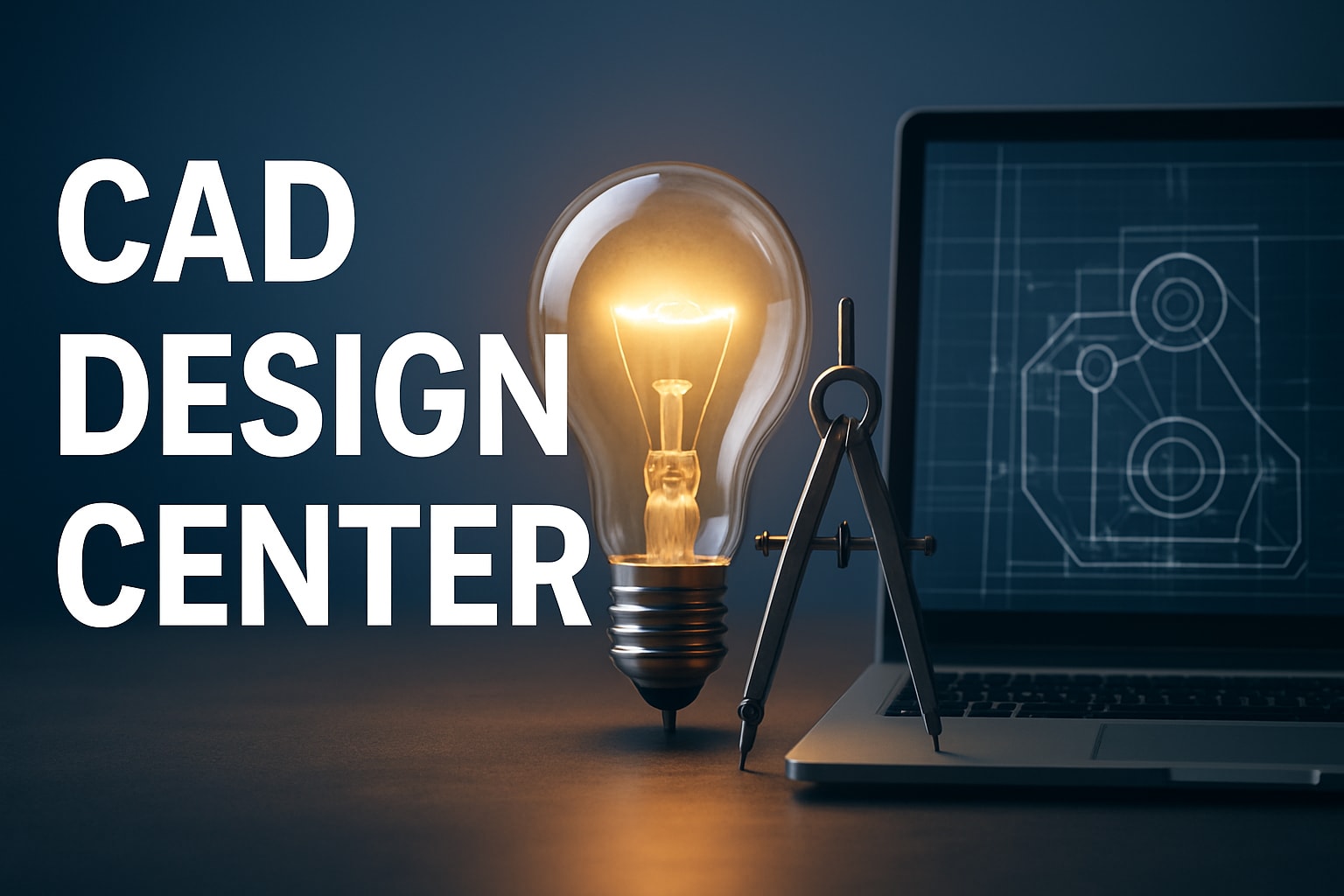
Choosing and using CAD design templates can save time, reduce rework, and bring consistency to your drawings. This guide explains how to avoid common errors, weigh benefits against trade-offs, and select files that fit your industry standards. You will also find quick tips, a practical selection framework, and answers to frequent questions. Whether you are a solo maker or part of a larger team, these ideas aim to help you work with more confidence and less friction.
Table of Contents
- Introduction
- Common Mistakes to Avoid
- Pros & Cons Analysis
- How to Choose CAD design templates for Real-World Projects
- Quick Tips
- Wrap-Up & Key Insights
- Q&A Section
- Which file formats should I prioritize?
- How do I adapt a template to my drawing standards?
- Can templates really speed up approvals and handoffs?
- About the Author
Introduction
Many designers and makers look for ways to start drawings faster while keeping quality high. Ready-made CAD layouts, title blocks, and standardized layers offer a helpful starting point. With the right approach, you can streamline your setup, reduce repetitive work, and keep your files consistent across projects. In this article, you will learn how to pick the most suitable resources, avoid common pitfalls, and tailor files to your preferred workflow. We will also share a simple checklist and short tips so you can apply these ideas right away. If you prefer examples and tutorials, you may find the blog at Craft'n Build helpful for continued learning.
Common Mistakes to Avoid
Using outdated standards. Old line weights, layers, or title blocks can lead to confusion. It may help to review layer names, dimension styles, and text styles before you start a new project.
Ignoring units and scale. Mixing metric and imperial units or misaligned scales often causes rework. Confirm units in the template and in your project settings to avoid surprises.
Overloaded files. Templates with excessive blocks, unused layers, or large external references can slow performance. Consider removing unused assets to keep files lean.
No naming conventions. When blocks, layers, and files are named inconsistently, collaboration becomes difficult. A brief naming standard can make search and handoffs smoother.
Skipping a first-run checklist. Small steps such as purging unused elements, auditing fonts, and verifying plot styles can prevent formatting issues later.
Not documenting changes. If you edit a shared master file without version notes, teammates may overwrite or miss your updates. Keep a simple change log for clarity.
Pros & Cons Analysis
Pros
Faster starts. A standardized base drawing reduces setup time and repetitive work.
Consistent output. Unified layers, dimensions, and fonts improve brand and documentation consistency.
Lower error rates. Pre-checked settings and blocks can reduce preventable mistakes.
Easier collaboration. Shared conventions help teams read, edit, and review files with less friction.
Better onboarding. New teammates can produce aligned work sooner with clear, reusable files.
Cons
Initial setup time. Creating a solid master file requires care and testing.
Risk of over-standardization. Too many rules may limit creative solutions or special cases.
Maintenance needs. Templates require periodic updates for fonts, scales, and layers.
Compatibility issues. Different CAD versions or plugins may not interpret settings the same way.
False sense of completeness. A starting file is not a substitute for project-specific checks.
How to Choose CAD design templates for Real-World Projects
Selection begins with your end users: who will read, review, or build from your drawings? If you work with shops, clients, or inspectors, gather their preferred formats and plotting expectations. Then assess your core applications. Confirm version compatibility, units, and plot style (color-dependent or named) across your most-used tools. If your work spans mechanical, architectural, or product design, consider separate starter files tailored to each discipline.
Evaluate structure and clarity. Look for clean layer hierarchies, tested dimension and text styles, and documented title blocks. Try opening the file and plotting a sample sheet to confirm line weights, hatches, and scales. Assess performance with and without external references to ensure smooth navigation.
Plan for customization. The most helpful starter files are not rigid. They invite edits to layers, blocks, and sheet sets. Save your customized version under a new name to protect the original. If you need a curated set of digital plans and file resources, the collections at Craft'n Build may offer ideas and formats you can adapt.
Finally, confirm documentation. Short notes about units, fonts, plot styles, and sheet sizes help you and your team apply the file correctly. A one-page “read me” within the drawing’s layout or an attached PDF can be very useful.
Quick Tips
Create a “first-run” checklist: verify units, purge unused items, and test plotting.
Keep a lean base file. Store heavier blocks in a separate library and insert as needed.
Adopt clear naming. Use prefixes for disciplines (A-, M-, E-, P-) or teams to reduce confusion.
Document fonts and line weights. Add a legend on a non-printing layer for quick reference.
Version with intention. Name files by purpose (e.g., “_master”, “_client”, “_shop”).
Test on another computer. Small environment differences can reveal issues early.
Schedule maintenance. Set quarterly reminders to review layers, blocks, and plot styles.
Keep feedback open. Invite comments from collaborators and note improvements for the next revision.
Wrap-Up & Key Insights
Standardized starter files offer a respectful balance of speed and quality. By aligning units, cleaning layers, and documenting choices, you reduce friction for yourself and your collaborators. A thoughtful selection process—paired with a light, regular maintenance routine—keeps your files current and dependable. If you would like more practical guidance, you can explore the Craft'n Build blog or reach out via contact us. With care and consistency, CAD design templates can support smoother workflows and more reliable outputs.
Q&A Section
Which file formats should I prioritize?
It may be helpful to prioritize the formats used by your clients and teammates. For 2D drafting, DWG and DXF are widely supported and easy to exchange. For 3D models, STEP and IGES can travel well between platforms, while native formats keep feature trees for edits. If you can, test a round trip: export, re-open in another tool, and check layers, units, and geometry. When in doubt, maintain one “source of truth” in your primary platform and share neutral files for collaboration.
How do I adapt a template to my drawing standards?
Start with a copy of the master file. Replace the title block with your logo and project fields, then align units, text styles, and dimension styles. Set layer names that reflect your discipline and use a short key or legend for clarity. After that, create a sample sheet and plot to confirm line weights. Keep a brief change log so others understand what you changed and why. If you need examples to compare, browsing the Craft'n Build blog can inspire a clean structure.
Can templates really speed up approvals and handoffs?
In many teams, yes. A clear starter file reduces back-and-forth by aligning layers, fonts, and plotting from the start. Reviewers can focus on the design intent rather than formatting issues. Handoffs also benefit when naming is consistent and a few notes explain units and sheet sizes. Over time, a shared base file becomes a quiet standard, which helps reduce rework. For curated resources that may fit your workflow, you could explore Craft'n Build’s collections.
About the Author
Avery Gray is a content strategist with a focus on practical CAD workflows at Craft'n Build. Avery enjoys translating technical ideas into clear steps that help makers and teams work smoothly. Thank you for reading—wishing you steady progress and tidy files.
The content in this blog post is intended for general information purposes only. It should not be considered as professional, medical, or legal advice. For specific guidance related to your situation, please consult a qualified professional. The store does not assume responsibility for any decisions made based on this information.

Share:
The Ultimate Guide to Interior Design, Furniture, and Decor: Transform Your Space with Confidence
Interior Design Courses to Master Practical Design Skills