




Imagine stepping into a home in 2026 where every corner reflects your unique lifestyle, seamlessly blending cutting-edge technology, eco-friendly choices, and personal expression. The world of interior design is evolving rapidly, offering more personalized and functional spaces than ever before.
This essential guide will walk you through the latest interior design trends, innovative technologies, sustainable practices, and color forecasts shaping the future of our living spaces. Whether you are planning a major renovation or simply seeking inspiration, discover how to create a beautiful, adaptable home ready for 2026 and beyond.
The Evolution of Interior Design: 2026 and Beyond
Step into the world of interior design in 2026, where the journey from classic to contemporary is more than just a change in style. The landscape is now defined by a seamless blend of technology, wellness, and global influences, creating spaces that are both beautiful and highly functional.
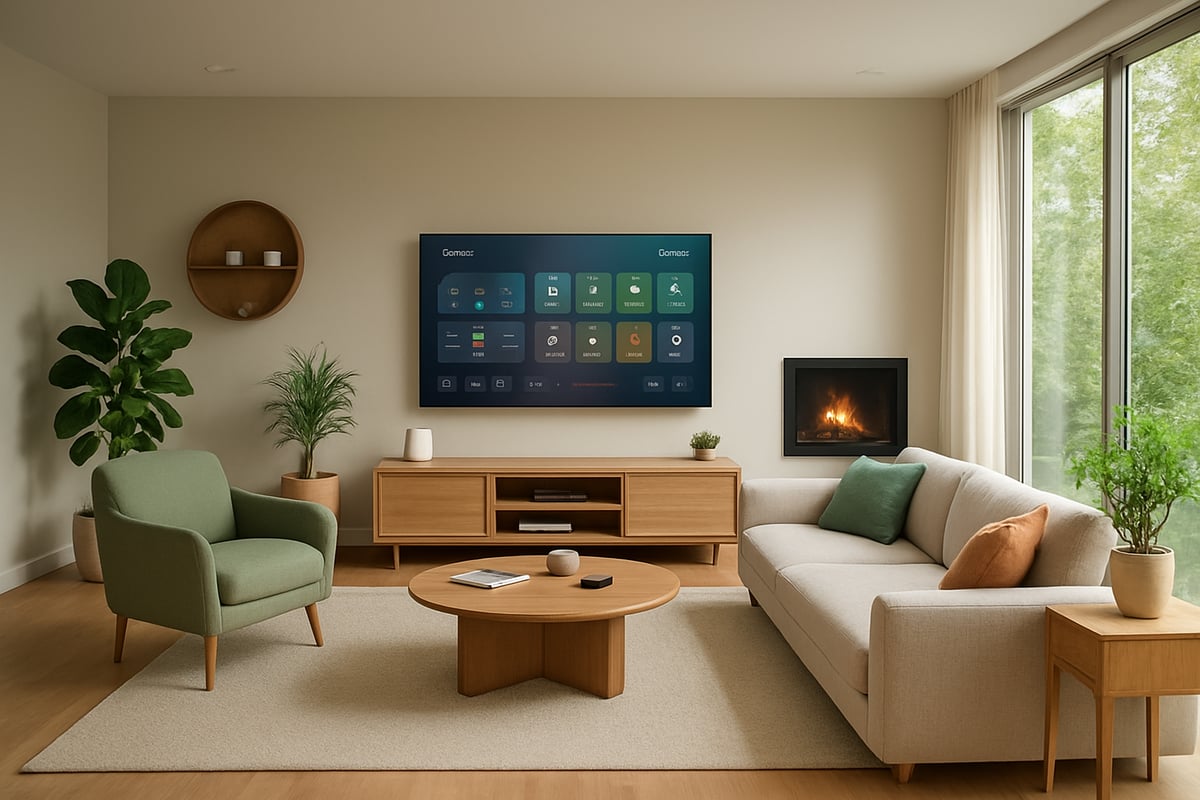
The shift from traditional interiors to tech-integrated environments is unmistakable. In 2026, smart technology is no longer a luxury but a standard feature in most homes. According to industry sources, 90% of new builds now include smart features, from automated lighting to voice-activated systems. This transformation has redefined how homeowners interact with their spaces, making interior design a dynamic and interactive experience.
Holistic design has taken center stage, focusing on the intersection of wellness, functionality, and aesthetics. Designers now approach projects with an eye for how each element impacts physical and emotional health. Natural light, ergonomic furniture, and air quality improvements are integrated alongside visual appeal. The result is a more balanced, human-centric approach to interior design.
Cultural fusion and global influences are reshaping the industry. With the world more connected than ever, trends from Scandinavia, Japan, and beyond are merging. Homeowners are embracing diverse materials, patterns, and layouts, leading to spaces that reflect a blend of heritage and innovation. This cultural exchange brings fresh perspectives and endless possibilities to interior design.
Flexible living and remote work have fundamentally altered space planning. Open-plan homes are evolving into modular, multi-use environments. Rooms are designed to adapt, supporting both productivity and relaxation. For example, a living area may double as a workspace during the day and transform into a leisure zone at night. This adaptability is now a core principle of interior design.
The professionalization of the field is accelerating. More designers hold formal education and certifications than ever before, raising industry standards. States are increasing licensing requirements, and ongoing education is viewed as essential. This trend ensures that interior design remains innovative, accessible, and customer-focused.
For a broader look at how these changes are shaping the industry, the 2026 Interior Design Trends Report offers valuable insights and data, highlighting the latest trends and preferences influencing modern spaces.
Interior design in 2026 stands out for its accessibility, personalization, and innovation. The field is no longer reserved for a select few. With technology, global inspiration, and a focus on well-being, everyone can shape their environment to suit their unique needs and aspirations.
Smart Homes, Smart Spaces: Integrating Technology in 2026 Interiors
Imagine entering a space where every detail responds to your needs, from the lighting that shifts with your mood to the temperature that adapts as you move through each room. In 2026, technology is not just an accessory but a foundation of interior design. Homes now merge digital intelligence with aesthetic vision, creating environments that are as responsive as they are beautiful.
The smart home revolution is transforming interior design into a dynamic, interactive experience. With the rise of connected devices and automation, designers and homeowners have unprecedented control over comfort, efficiency, and style. Let us explore the essential elements shaping these intelligent spaces.
Essential Smart Devices and Systems
The heart of smart interior design in 2026 lies in seamlessly integrated devices. Voice assistants now coordinate lighting, music, and climate control with a simple command. IoT-enabled thermostats learn your habits and optimize energy use, balancing comfort with sustainability.
Smart lighting systems adjust brightness and color temperature throughout the day, enhancing both productivity and relaxation. Window treatments respond to sunlight, maintaining privacy and regulating indoor temperatures. Integrated sound and entertainment systems disappear into the background, preserving clean lines and open spaces.
Health-focused innovations are also central to interior design. Advanced air purifiers, circadian lighting, and smart sensors monitor air quality and promote wellness. For example, adaptive lighting tracks the time of day, supporting natural sleep cycles and boosting mood.
A quick overview of essential smart systems:
| Device Type | Function | Benefit |
|---|---|---|
| Smart Thermostats | Climate control | Comfort, energy savings |
| Automated Lighting | Adaptive brightness, color | Mood, productivity |
| Smart Window Shades | Sunlight and privacy management | Efficiency, convenience |
| Health Tech | Air quality, circadian lighting | Wellness, improved living |
With these advancements, interior design becomes a holistic experience, blending technology and lifestyle in every room.
The Future of 3D Modeling and CAD in Interior Design
Digital-first design is revolutionizing how professionals and homeowners approach interior design projects. In 2026, Computer-Aided Design (CAD), Building Information Modeling (BIM), and 3D visualization tools are standard across the industry. These technologies enable precise planning, faster prototyping, and more effective communication between designers and clients.
With 90% of new residential projects utilizing 3D design tools, the gap between concept and reality is shrinking. Designers can create detailed models of furniture, layouts, and even lighting scenarios, allowing clients to experience their future spaces before a single item is purchased.
The benefits are clear:
- Error reduction through accurate modeling
- Rapid iteration and customization
- Enhanced collaboration and transparency
For those seeking an accessible entry into digital interior design, user-friendly solutions are available. Platforms like Easy 3D CAD for Interior Design provide intuitive tools for both professionals and DIY enthusiasts. These resources simplify the creation of 3D floor plans, furniture arrangements, and material selections, making advanced design capabilities available to everyone.
Embracing digital tools is now essential for interior design success, ensuring that every project is efficient, accurate, and visually compelling.
Craft’n Build Design Co.: Empowering Modern Designers and DIYers
Empowering the next generation of interior design talent means bridging the gap between inspiration and execution. Craft’n Build Design Co. delivers this with a suite of online courses in CAD, interior design, and a vast library of 3D models and project templates.
Whether you are a professional seeking to stay ahead or a DIY enthusiast eager to transform your own space, Craft’n Build offers global, multilingual access and self-paced learning. Users can quickly upgrade their skills, download CAD files to visualize new layouts, or take courses on the latest trends shaping interior design in 2026.
Key benefits include:
- Rapid skill development and project acceleration
- Access to up-to-date design resources and templates
- Flexibility to learn and create from anywhere
By equipping both designers and homeowners with powerful tools and knowledge, Craft’n Build is accelerating the evolution of interior design. In 2026, this empowerment leads to more innovative, functional, and beautiful spaces for everyone.
Sustainable and Healthy Interiors: The Green Revolution
Sustainability is no longer an option in interior design for 2026—it is a core expectation. Homeowners and designers alike are prioritizing eco-friendly materials, energy efficiency, and wellness-focused spaces. According to industry data, 75% of new interiors now incorporate sustainable materials. This shift is reinforced by green certifications such as LEED and WELL, which set new benchmarks for both residential and commercial projects. For a deeper look at how wellness and sustainability are influencing the future, consider expert insights from High Point Market 2026 Trends.
Top Sustainable Materials and Practices
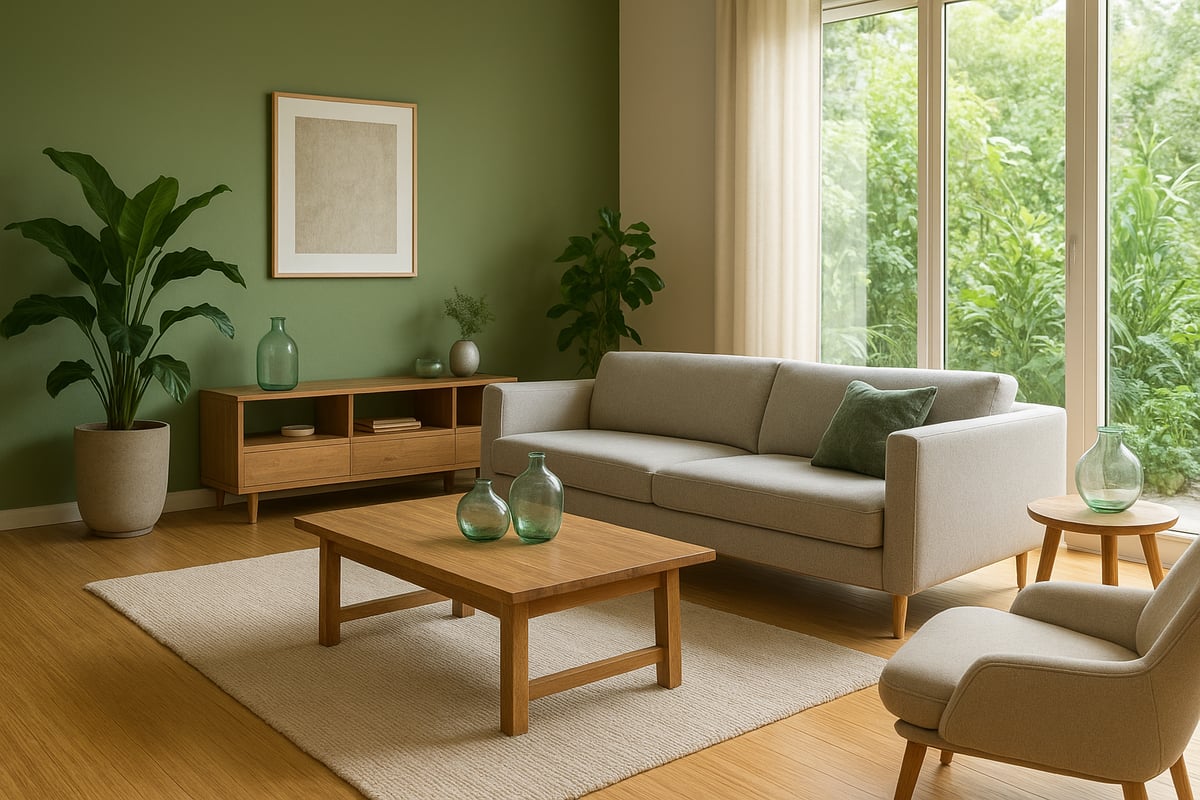
Sustainable materials have become central to interior design in 2026. Designers are turning to renewable woods, recycled metals, and plant-based textiles to reduce environmental impact while delivering style and durability. Cork flooring, bamboo, and hemp fabrics are now mainstream, offering both resilience and aesthetic appeal.
Key sustainable practices include:
- Selecting water-saving fixtures to minimize resource use.
- Integrating energy-efficient appliances for lower emissions.
- Using low-VOC paints to improve indoor air quality.
The circular design movement is also gaining traction. Upcycling and recycling existing furniture and decor help extend the lifecycle of materials, reducing waste. Modular systems further support adaptability, allowing spaces to evolve with changing needs.
| Material | Benefits | Common Usage |
|---|---|---|
| Bamboo | Rapidly renewable, strong | Flooring, furniture |
| Recycled Glass | Reduces landfill waste | Countertops, tiles |
| Cork | Sustainable harvest, hypoallergenic | Flooring, wall panels |
| Hemp Textiles | Biodegradable, durable | Upholstery, curtains |
As consumer awareness grows, 60% now consider sustainability a top priority when renovating. These shifts are redefining what interior design means, making eco-conscious choices both accessible and attractive.
Designing for Wellness and Comfort
Wellness is at the heart of interior design in 2026. Today’s interiors are designed to support physical and mental health by maximizing natural light, improving air quality, and providing ergonomic solutions. Biophilic elements, such as green walls and indoor gardens, bring a sense of calm and connection to nature.
Flexible spaces are being created for mental well-being. Meditation corners, calming color palettes, and dedicated wellness rooms are increasingly common. Smart air purification systems and circadian lighting adjust automatically to support healthy sleep patterns and mood regulation.
For example, homes now often feature natural ventilation and materials that resist mold and allergens. Ergonomic furniture supports posture and comfort during long hours spent working or relaxing at home.
By combining sustainable materials and wellness-centered practices, interior design in 2026 delivers spaces that are not only beautiful but also fundamentally healthy and future-ready.
Color, Texture, and Material Trends for 2026
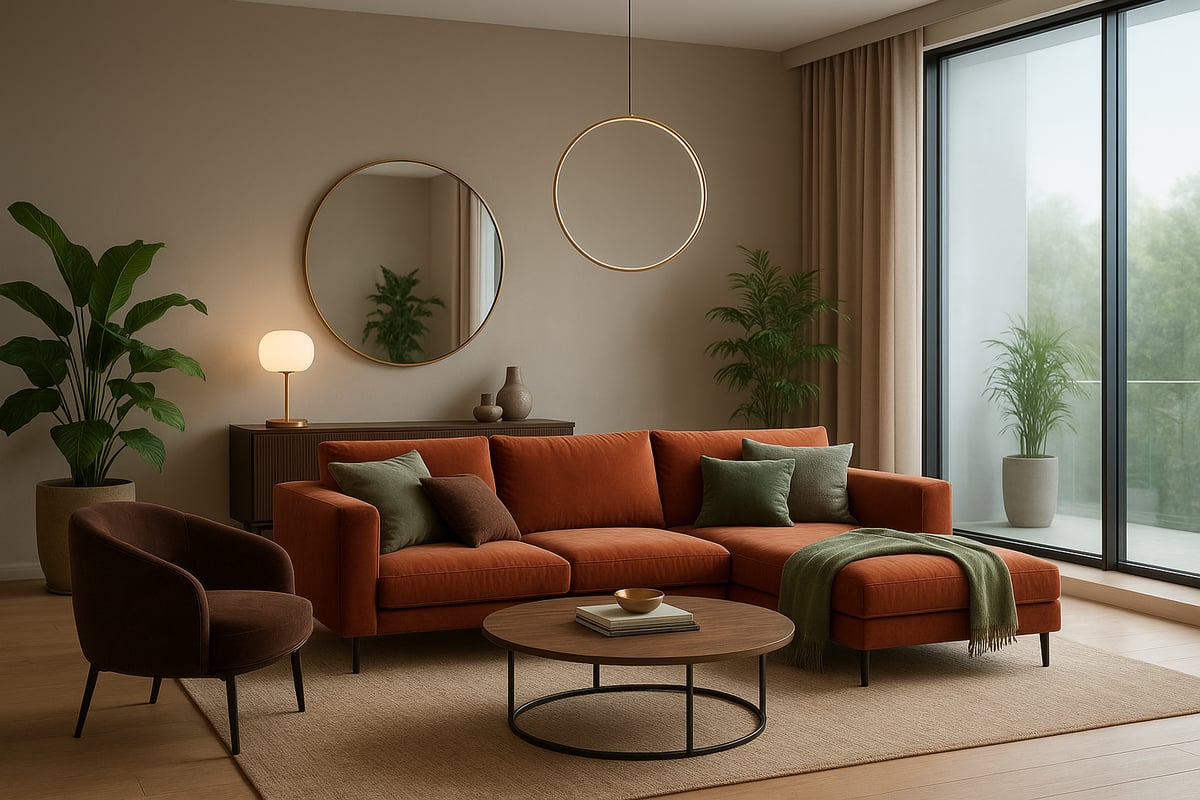
Step into the world of interior design in 2026, where colors, textures, and materials are more than just decorative choices—they are powerful tools for personal expression and well-being. This year, the industry is seeing a remarkable shift toward organic inspiration, digital influences, and a renewed focus on sensory experience. According to the 1stDibs 2026 Designer Survey, designers are forecasting a strong return to warm, earthy palettes, maximalist details, and innovative surfaces. These trends are redefining interior design, making spaces feel both contemporary and deeply personal.
How to Choose the Right Palette and Materials
Choosing the right color palette is crucial for successful interior design. In 2026, designers are gravitating toward hues inspired by nature—think terracotta, clay, and sage green—alongside digital-inspired blues and bold contrasting elements. These choices are more than aesthetic; they impact mood, productivity, and comfort.
Before selecting colors, assess the amount of natural light, the function of each space, and your personal style. For example, blue tones are ideal for bedrooms to promote calm, while yellow can energize kitchens and work areas. Layering textures is also essential. Combining velvet, wood, and metal creates depth and visual interest, making any interior design feel sophisticated and inviting.
Texture trends are moving toward tactile and interactive materials. Expect to see more surfaces that beg to be touched—bouclé upholstery, ribbed glass, and mixed metals. Designers are also experimenting with smart fabrics that change color or temperature, as well as antimicrobial surfaces for healthier homes. The influence of global events and technological advancements is clear, as adaptive materials become more accessible in mainstream interior design.
To summarize, here’s a table of top trends for 2026:
| Trend | Example Colors | Popular Textures | Innovative Materials |
|---|---|---|---|
| Earthy Warmth | Terracotta, Brown | Velvet, Natural Wood | Recycled Glass, Smart Fabrics |
| Digital Accents | Electric Blue | Ribbed, Smooth Metal | Adaptive Glass |
| Bold Contrasts | Deep Green, Gold | Layered, Mixed Finishes | Antimicrobial Surfaces |
Staying informed about these developments ensures your interior design remains current and functional.
Future-Proofing Your Interior Choices
As trends evolve rapidly, future-proofing your interior design is essential. Start by investing in timeless foundational elements—neutral walls, quality flooring, and modular furniture. These create a flexible canvas for incorporating new trends without frequent overhauls.
Mix trendy accents with classic pieces. For example, swap out throw pillows or artwork in trending colors, while keeping larger investments versatile. Modular furniture allows easy adaptation for changing needs, supporting both style and functionality in your interior design.
Durable, adaptable materials are key. Choose surfaces that resist wear and are easy to refresh. Adaptive glass, for instance, can shift from transparent to opaque for privacy or light control. Smart textiles offer longevity and enhanced comfort, aligning with the wellness focus in interior design.
Finally, personalization is at the heart of 2026 interiors. Use color psychology and layered textures to reflect your personality and support your lifestyle. Whether you prefer a calming oasis or a bold, energizing space, the right combination of colors, textures, and materials will help you achieve a truly future-ready interior design.
Step-by-Step Guide: Planning Your 2026 Interior Design Project
Planning an interior design project in 2026 means combining vision, technology, and practicality. With future-focused trends and smart tools at your disposal, transforming your space is more accessible than ever. Follow this step-by-step guide for a seamless, successful project.
Step 1: Define Your Needs and Aspirations
Start by evaluating your daily routines, family requirements, and personal style preferences. Consider who uses each area and how your lifestyle might evolve in the coming years. For example, families often seek flexible rooms that serve as both workspaces and play areas.
Make a list of must-haves and nice-to-haves for your interior design. Prioritize functionality and comfort, as recent studies show that 50% of households now value adaptable spaces above all. This clarity will guide every decision moving forward.
Step 2: Research Trends and Gather Inspiration
Stay up to date with the latest interior design trends, innovative materials, and emerging technologies. Create digital mood boards to visualize your ideas and spark creativity. Platforms like Pinterest and Instagram are rich sources for fresh concepts.
For real-world examples, explore Interior Design Project Inspiration to see how others have brought modern styles and smart features to life. Use AR apps to preview layouts and gather ideas that resonate with your vision.
Step 3: Set a Realistic Budget and Timeline
Determine how much you can invest in your interior design project. List potential costs for materials, technology upgrades, and professional assistance. Remember, smart home features may have higher initial costs but often deliver savings over time.
Break down your budget by category, such as furniture, lighting, and decor. Set a practical timeline to keep your project on track. Planning ahead minimizes surprises and helps you allocate resources efficiently.
Step 4: Create a Design Plan with Digital Tools
Leverage digital tools like CAD software and online templates to map out your interior design. Visualizing layouts in 3D ensures accuracy and allows for easy adjustments before committing to purchases.
If you want to strengthen your technical skills, consider Online Courses for Interior Designers to master CAD and stay ahead of design trends. Many professionals recommend digital planning to enhance results and streamline communication.
Step 5: Source Materials, Furniture, and Decor
Choose sustainable, high-quality products that align with your interior design goals. Mix pre-designed pieces with custom elements to create a space that feels both unique and functional.
Visit local showrooms, browse online stores, and connect with eco-conscious vendors. Blending vintage finds with modern smart furniture adds character and supports responsible consumption.
Step 6: Implement, Monitor, and Adjust
Oversee the installation of your interior design elements, coordinating with contractors or handling DIY tasks as needed. Use smart systems to personalize lighting, climate, and security for comfort and efficiency.
Regularly check progress and be ready to troubleshoot issues. Adjust layouts or settings to ensure your space meets your evolving needs. Flexibility during implementation leads to better long-term satisfaction.
Step 7: Maintain and Evolve Your Space
Interior design is an ongoing process. Schedule regular updates to keep your environment fresh and current. Stay informed about the latest trends and technologies to inspire future improvements.
Consider annual color refreshes or adding new smart devices to enhance functionality. By maintaining and evolving your space, you ensure it always reflects your lifestyle and aspirations.
The Future of Interior Design Careers and Education
The interior design industry in 2026 is evolving rapidly, opening up new career opportunities and reshaping educational pathways. As technology, sustainability, and wellness become central to design, professionals and aspiring designers alike must adapt to stay ahead. The demand for creative talent is matched by a need for technical expertise, making versatility a must-have skill for anyone seeking a future in interior design.
Emerging Roles and Specializations
In 2026, interior design careers are branching into a wide array of specializations. Beyond traditional residential and commercial design, professionals are now collaborating with engineers, software developers, and wellness experts. This cross-disciplinary approach enables designers to address the complex demands of modern living spaces.
Among the most in-demand roles are:
- Wellness consultants who create interiors supporting mental and physical health
- Smart home integrators skilled in connecting IoT devices and automation
- Sustainable design experts focusing on eco-friendly solutions
A growing number of designers are leveraging research on spatial context-aware control systems, such as those described in the Intelligence of Things Research Paper, to integrate advanced smart technology into their projects. This expertise allows interior design professionals to offer clients seamless, tech-enabled environments that align with both lifestyle and sustainability goals.
The table below summarizes emerging roles:
| Role | Key Skills | Example Projects |
|---|---|---|
| Wellness Consultant | Biophilic design, ergonomics | Meditation rooms, green walls |
| Smart Home Integrator | IoT systems, automation | Voice-controlled lighting, adaptive climate control |
| Sustainable Design Expert | Material sourcing, LEED/WELL cert | Eco-friendly renovations, upcycled furniture |
With 93% of design graduates employed in the field, the interior design job market is robust and expanding to welcome these new specialties.
Education Pathways and Professional Development
To thrive in the evolving world of interior design, education is more important than ever. Formal degree programs remain a strong foundation, but ongoing professional development is increasingly vital. Designers are pursuing advanced certifications in sustainability, wellness, and digital technologies to differentiate themselves.
Online learning platforms now offer interactive courses, digital credentials, and immersive experiences. These resources make interior design education accessible to a global audience, supporting both entry-level learners and seasoned professionals seeking to update their skills.
Key education pathways include:
- Bachelor’s and master’s degrees in interior design or related fields
- Certifications such as LEED, WELL, and technology-focused credentials
- Internships and mentorship programs for real-world experience
- Continuing education through workshops, webinars, and online modules
The ability to adapt and embrace lifelong learning is essential. As new trends and technologies emerge, interior design professionals must remain curious and proactive. The future belongs to those who combine creative vision with technical mastery, ensuring that their work meets the highest standards of both beauty and function.
As we look ahead to the dynamic world of interior design in 2026, it’s clear that having the right foundation is essential—whether you’re drawn to smart technology, sustainable materials, or creative self-expression. If you’re inspired to take the next step and want practical guidance for transforming your own spaces, why not start by building your expertise from the ground up? With step-by-step instruction and real-world strategies, you can confidently plan and execute interiors that reflect the latest trends and your unique style. Ready to begin your own journey? Get started with Interior Design
Share:
New Style Decor Ideas to Transform Your Space in 2026
9 Amazing Furniture Designs to Elevate Your Home in 2026