




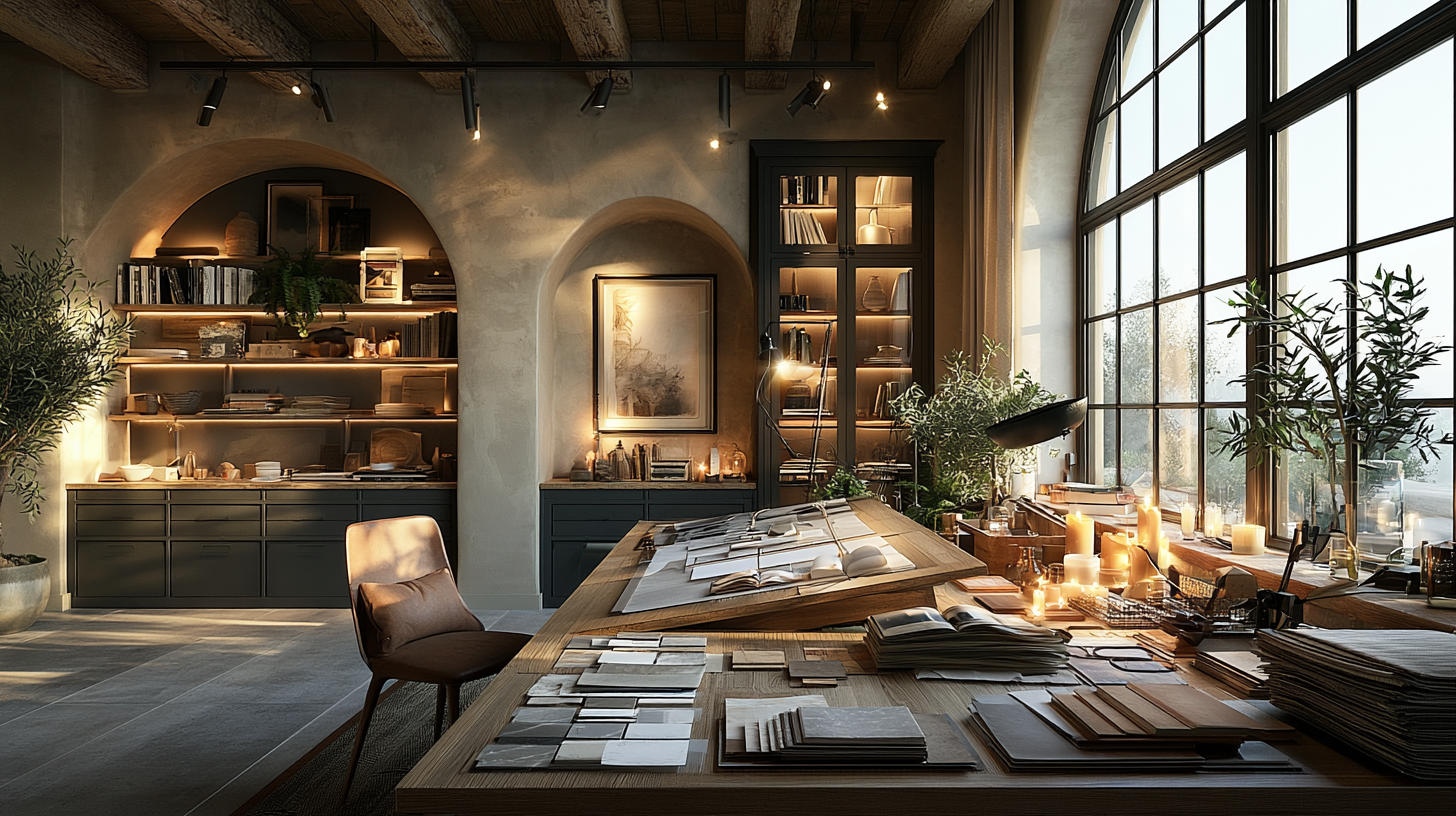
The Design Key: A Professional Method for Interior Design, Open to Anyone
Most people interested in interior design arrive with a feeling rather than a plan. They sense that a room could be better — calmer, more useful, more considered — but the path from that instinct to a finished, working space is rarely obvious. The Design Key was built to close exactly that gap. It is not a collection of inspiration. It is a structured way of thinking about space, taught one decision at a time.
The Design Key sits within The Key's, the educational side of Craft'n Build. Where the broader idea behind everything we make is simple — make it work, then make it beautiful — The Design Key is the part concerned with the first half of that sentence. It is the deciding layer: how to read a space, set the constraints, and make the choices that everything visual eventually rests on. Beauty is not ignored here. It is simply put in its proper order, after the room has been made to work.

A programme built in three layers
The Design Key is a series of twelve courses, each one self-contained and each one named for the thing it teaches: The Brief, The Floor Plan, The Kitchen, and so on. Together they form a complete picture, but they are deliberately structured so you never have to swallow the whole thing at once.
The twelve courses are organized into three layers that build on one another.
Foundations covers the method itself — the work that happens before anything is chosen. This is where you learn to write a brief, read and plan a floor plan, build a colour system, and assemble a moodboard that actually directs decisions rather than just decorating a wall.
Systems covers the parts of a room that are easy to overlook and expensive to get wrong — lighting and ventilation. These are taught as design problems in their own right, because a beautifully arranged room with poor light or stale air is not, in any practical sense, finished.
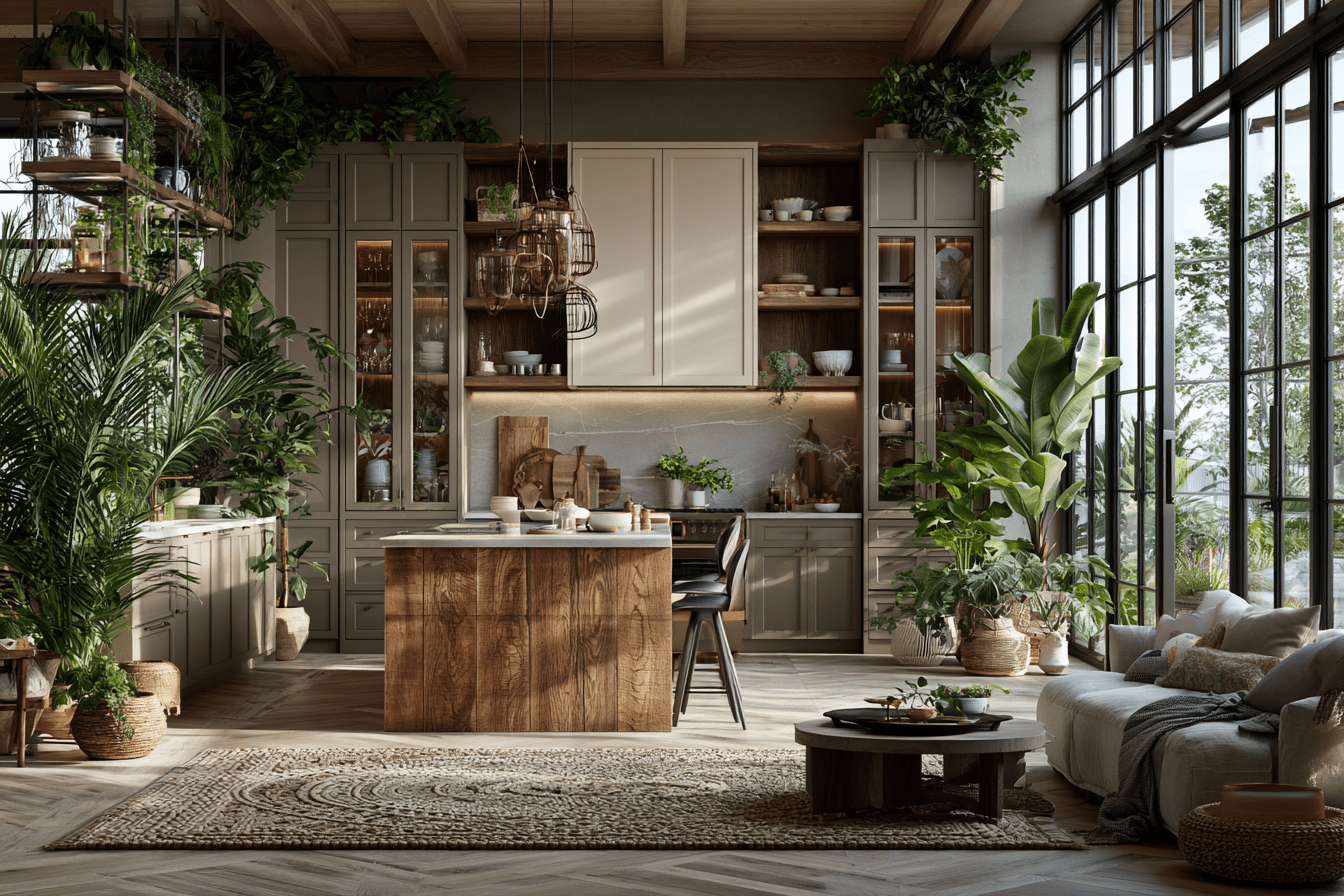
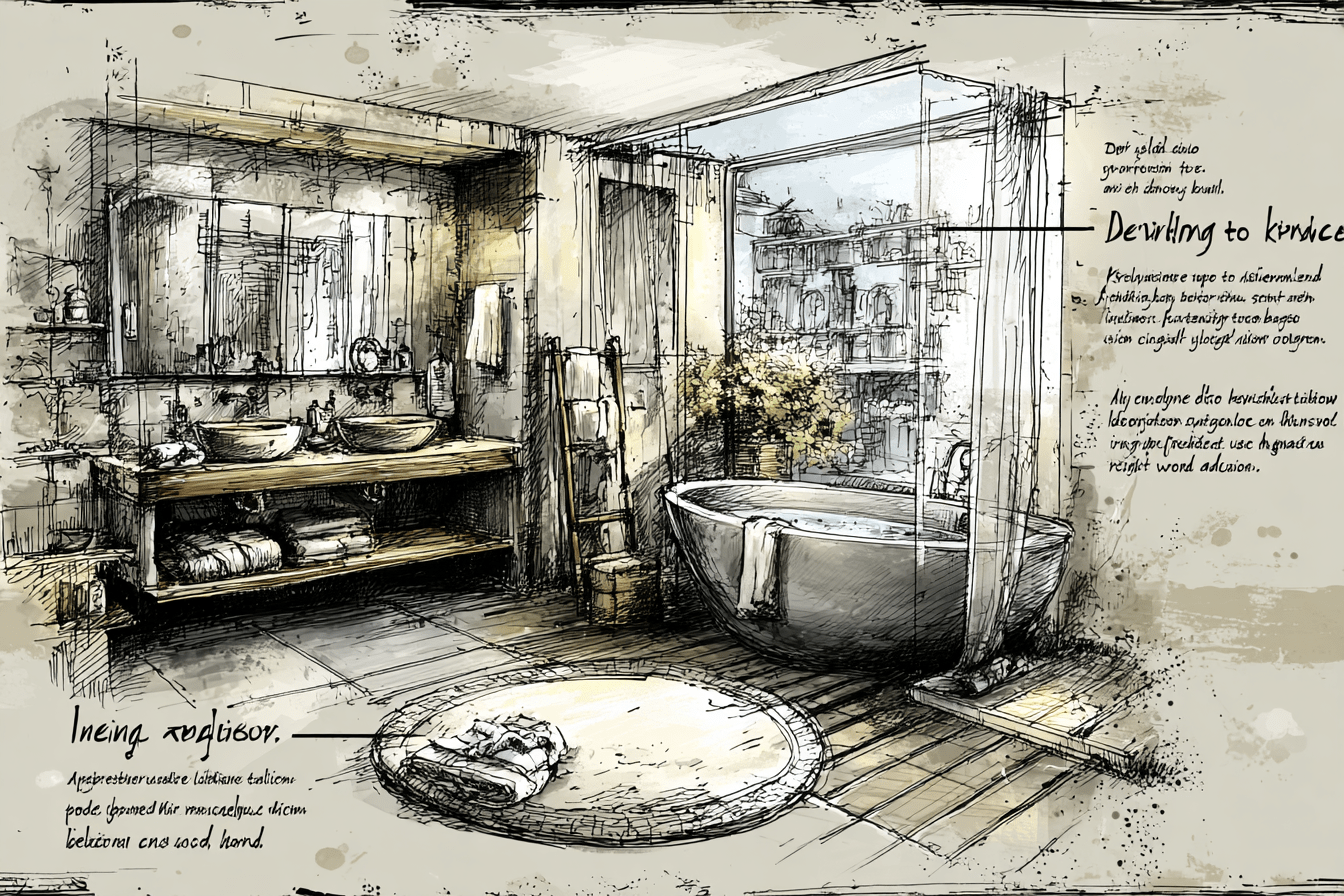
Rooms applies the method to the spaces people actually live in: the kitchen, the bathroom, the bedroom, the living area, the utility room, and the entry. Each room course assumes the thinking habits from Foundations and shows how they play out against the specific demands of that space.

How a single course works
Each course is built the same way, so once you have taken one you know exactly what to expect from the next. A course is divided into six modules, and each module is broken into focused lessons — typically somewhere between twenty-five and thirty-two in total. The lessons are short and sequential. They move from principle to application, so you are never left with theory you cannot use, and never handed a technique without the reasoning behind it.
The work is self-paced. There are no live sessions to attend, no cohort to keep up with, and no timetable imposed on you. You can move through a course in a focused weekend or spread it across a month of evenings. The material waits for you.
Built around flexibility
The structure of The Design Key is its most practical feature. Every course is sold on its own at a flat price of $89, and you choose which ones you need.
If you are renovating a single room, you can take that room's course and the Foundations courses that support it, and leave the rest. If you want the full discipline, you can work through all twelve. There is no subscription, no recurring charge, and nothing that expires. What you buy is yours.
For those who want the complete path, the individual courses stack. Finishing all twelve builds toward the Master Programme, and from there toward a Diploma — a recognised marker that you have completed the full method rather than a single piece of it. But that destination is optional. The programme is designed so that a person who only ever takes two courses gets two complete, genuinely useful courses, not two fragments of something that only makes sense whole.

Who it's for
The Design Key was written for one audience defined not by job title but by attitude: the curious and the careful. In practice, that takes several forms.
It is for homeowners planning a renovation who want to make decisions they will still be happy with in ten years, and who would rather understand the choices than simply defer to whoever is loudest in the room.
It is for people considering interior design as a career, who want to test the work against a real, professional method before committing — and who want a structured foundation rather than scattered tutorials.
It is for working professionals in adjacent fields — architects, builders, makers, real-estate and trade specialists — who already understand part of the picture and want a coherent framework for the design decisions that sit alongside their craft.
What unites them is not experience. It is the willingness to approach a room methodically rather than hopefully.

Professional methods, taught plainly
There is a quiet assumption in a lot of design education that the real skill is innate — that some people simply have the eye, and the rest can only imitate. The Design Key is built on the opposite premise. The decisions a professional makes follow from method: from asking the right questions in the right order, from understanding how a space has to function before deciding how it should look.
That method can be taught, and it can be taught to anyone prepared to follow it. So the courses spend their time on the reasoning, not on rules to be memorized. You learn why a kitchen is planned the way it is, why a room needs a deliberate lighting layer, why a brief written early saves a dozen corrections later. The aim is not to make you copy good rooms, but to leave you able to make good decisions on your own.

A standard you can keep
Every completed course earns a Course Certificate, and the full path earns the Master Programme and Diploma. But the real result is less formal than a certificate. It is the confidence that comes from knowing how a decision was reached — yours, and defensible.
The Design Key is here whenever you are ready for it. You can begin with a single course on the room in front of you, or with the Foundations that underpin all the rest. There is no urgency to manufacture and none worth pretending. Good rooms are made carefully. The programme is built to be taken the same way.
The Design Key is part of The Key’s, by Craft'n Build. Courses are available individually at craftnbuild.com.

Share:
Reading Serendipity: What Sherwin-Williams' New Wood Palette Tells Us About the Direction of Warm Neutrals