




-
Livstidsåtkomst
-
Professionell metodik
-
Lär dig i din egen takt
-
Ingen erfarenhet krävs
-
Omedelbar tillgång till kursen
-
Verklig tillämpning
-
Undervisad av praktiker
-
Ständigt uppdaterat innehåll
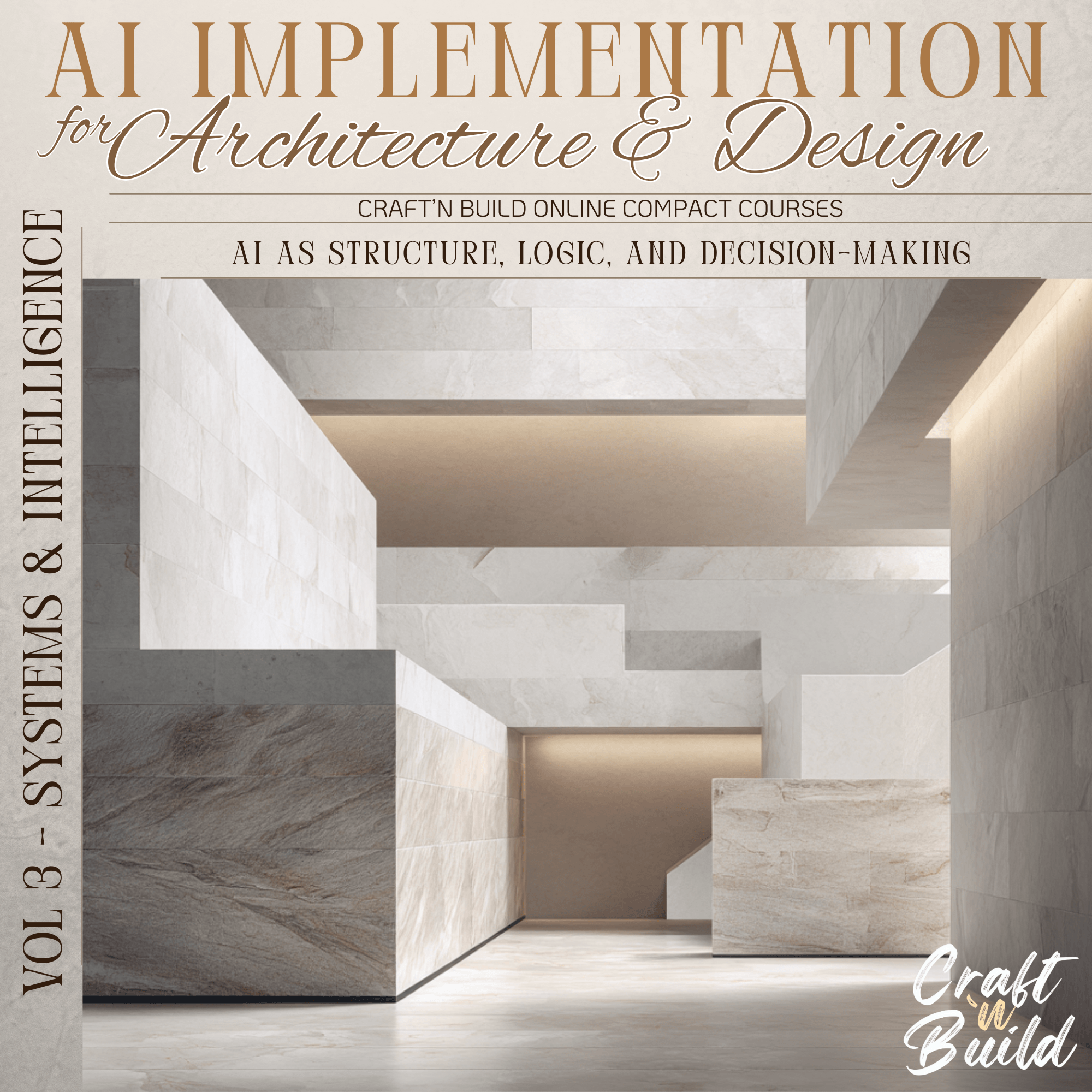
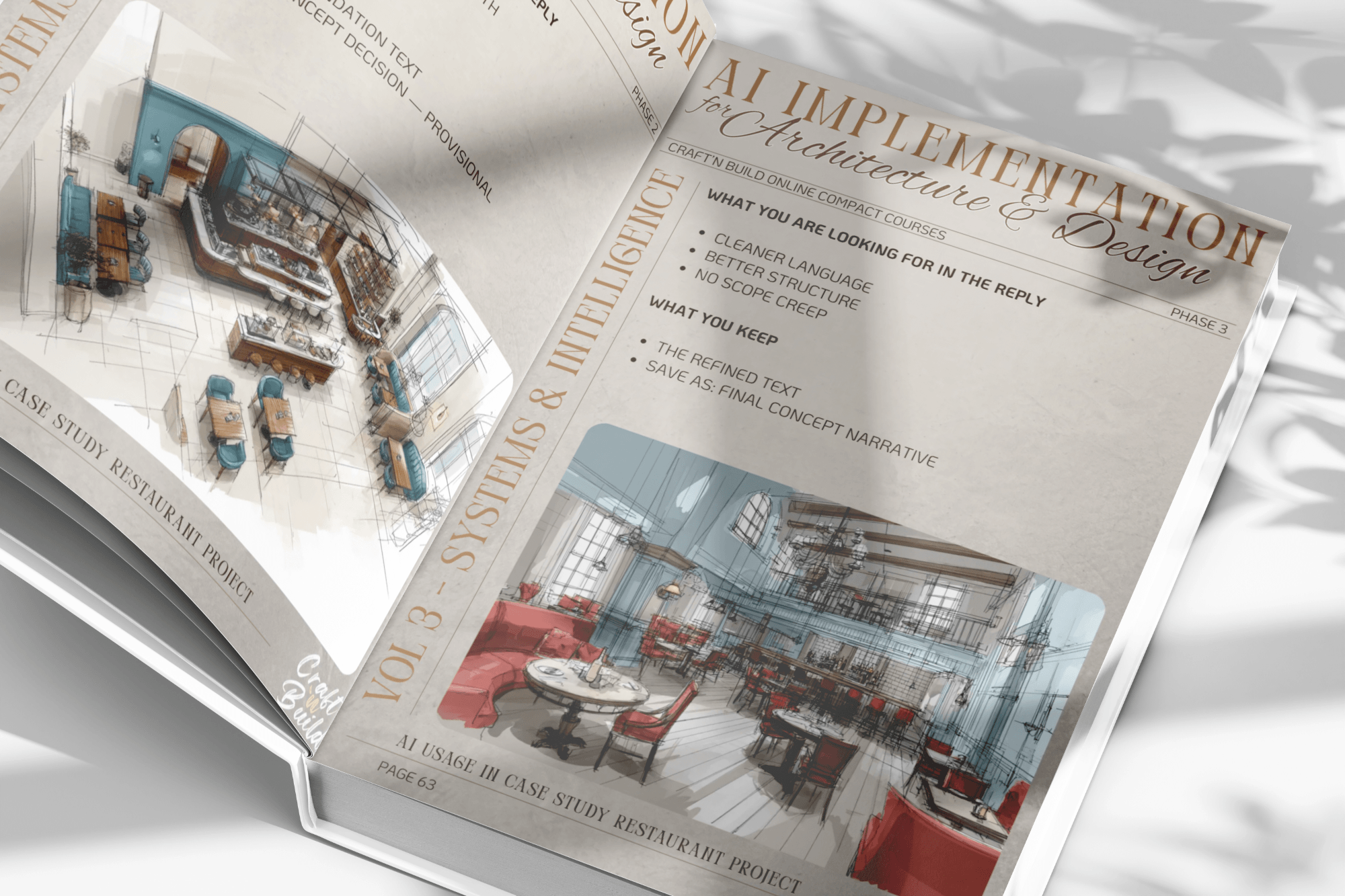
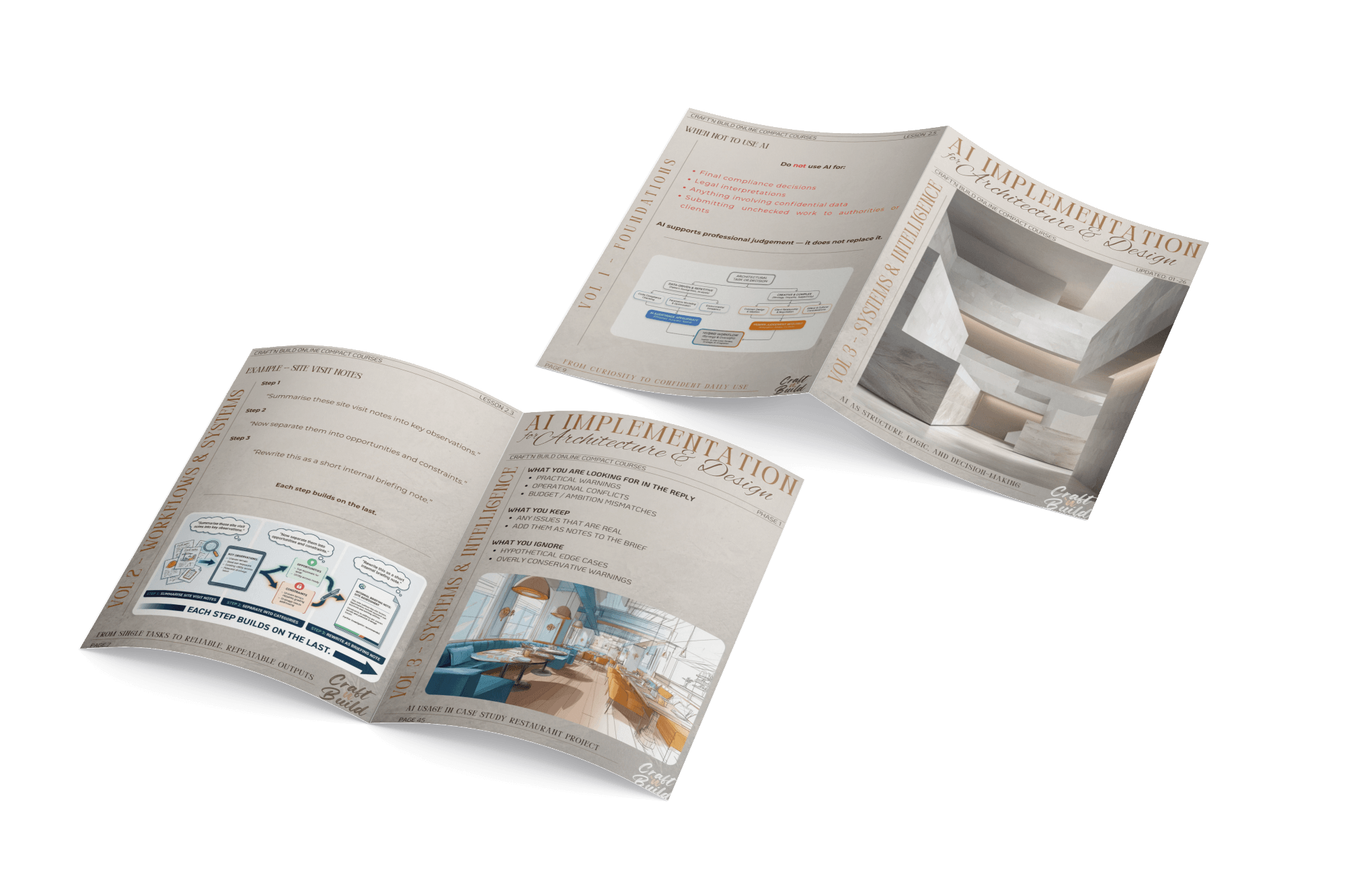
AI-implementering för arkitektur och design — Vol. 3

ALLA
Säker kassa — alla större betalningsmetoder accepteras
Passar bra tillsammans med
AI-implementering för arkitektur och design — Vol. 3
Vad våra studenter säger.


AI-trilogin

AI-trilogin

AI-trilogin

AI-trilogin

AI-trilogin

AI-trilogin
Vad du kommer att lära dig
Om du har några frågor är du alltid välkommen att kontakta oss. Vi återkommer till dig så snart som möjligt, inom 24 timmar på vardagar.
-
Fraktinformation
Använd denna text för att besvara frågor så utförligt som möjligt för dina kunder.
-
Kundtjänst
Använd denna text för att besvara frågor så utförligt som möjligt för dina kunder.
-
Vanliga frågor
Använd denna text för att besvara frågor så utförligt som möjligt för dina kunder.
-
Kontakta oss
Använd denna text för att besvara frågor så utförligt som möjligt för dina kunder.
Beskrivning
Fullständig beskrivning
AI-implementering för arkitektur & design – Vol. 3
System & intelligens
AI som struktur, logik och beslutsfattande
De flesta formgivare når en punkt där prompts inte längre räcker.
De kan generera text, idéer och bilder – men arbetet börjar kännas fragmenterat. Beslut glider iväg. Resultaten tappar sammanhang. AI blir imponerande i stunder, men opålitlig över ett helt projekt.
Vol. 3 handlar om att gå bortom den gränsen.
Detta volym visar hur man behandlar AI inte som en kreativ genväg, utan som ett designat system – ett som stödjer professionellt omdöme, bevarar avsikt och förblir stabilt över tid, faser och beslut.
Istället för att lära ut fler prompts lär denna kurs ut struktur.
Från verktyg till system
Vol. 3 börjar med att stänga dörren för promptcentrerat tänkande.
Du lär dig varför prompts – oavsett hur förfinade – inte fungerar i skala i verklig designpraxis, och varför professionell AI-användning kräver system som för vidare avsikt, logik och begränsningar istället för att nollställa dem vid varje interaktion.
Du får en tydlig, arkitektonisk definition av vad ett Design AI-system faktiskt är och hur det skiljer sig från verktyg, modeller eller automation.
Därifrån introducerar kursen en lagerindelad systemram byggd kring:
-
Avsikt
-
Kontext
-
Logik
-
Utgång
Denna struktur gör att AI kan förbli konsekvent utan att bli stel – och kraftfull utan att ta över kontrollen.
Att bevara författarskap och professionellt omdöme
En central fråga för många formgivare är författarskap.
Vol. 3 tar upp detta direkt och visar hur förlust av författarskap inte är ett teknologiskt problem, utan ett strukturellt. När avsikten är implicit och beslut är odokumenterade känns AI oförutsägbar. När strukturen är tydlig blir författarskapet synligt och försvarbart.
Du kommer att lära dig hur system minskar den kognitiva belastningen utan att ta bort kontrollen – vilket låter dig fokusera mindre på formulering och korrigering, och mer på utvärdering, riktning och beslutsfattande.
System över tid och projektfaser
Design är inte linjär – och det är inte intelligens heller.
Vol. 3 introducerar fasbaserat tänkande och visar hur samma AI bör bete sig olika beroende på var ett projekt befinner sig i sin livscykel. Tidig utforskning, konceptutveckling och slutgiltiga beslut kräver alla olika typer av intelligens.
Genom att strukturera AI-användning kring faser istället för uppgifter minskas friktionen, förtroendet ökar och det vanligaste felet undviks: att använda rätt intelligens vid fel tidpunkt.
En fullständig fallstudie — ramen i rörelse
Andra halvan av Vol. 3 lämnar teorin helt.
Du följer ett enda, realistiskt restaurangprojekt från tidig briefdefinition genom konceptutveckling och slutligt beslutsstöd. Detta är inte ett exempel som lagts till ovanpå ramen — det är ramen, tillämpad.
Genom tre tydligt definierade faser ser du exakt hur AI kan stödja verkligt designarbete:
Fas 1 — Brief & Konceptinramning
Använd AI för att strukturera kundinput, extrahera begränsningar, definiera avsikt och stressa antaganden — innan designen börjar.
Fas 2 — Konceptutveckling & Variation
Generera flera konceptinriktningar, utveckla dem till granskningsklara berättelser, testa rumslig logik utan att rita och jämför alternativ objektivt — utan att låsa beslut för tidigt.
Fas 3 — Förfining, Beslut & Överlämning
Stressa det valda konceptet, skärp berättelser utan att rita om, lås beslut explicit och förbered en ren överlämning eller presentationspaket.
Varje fas inkluderar:
-
Tydliga mål
-
Praktiska uppmaningar
-
Vad man ska behålla vs. vad man ska ignorera
-
Konkreta resultat som går vidare
Ingen omstart. Ingen ombriefing. Ingen AI-"magi". Bara kontrollerad, professionell användning.
Vem denna volym är för
Vol. 3 är utformad för arkitekter, inredningsdesigners och erfarna praktiker som:
-
Förstår redan grundläggande AI-verktyg
-
Vill ha konsekvens över projekt, inte isolerade resultat
-
Bryr sig om upphov, tydlighet och beslutsfattandets kvalitet
-
Behöver AI för att stödja professionellt omdöme — inte ersätta det
Det handlar inte om hastighet för dess egen skull.
Det handlar om att tänka klart under komplexitet.
Hur Vol. 3 passar in i trilogin
-
Vol. 1 introducerar AI-verktyg och interaktion
-
Vol. 2 bygger arbetsflöden och designkommunikation
-
Vol. 3 fullbordar systemet — visar hur AI fungerar över tid, struktur och verkliga projekt
Tillsammans bildar trilogin en komplett, professionell ram för att integrera AI i arkitektur- och designpraktik med tydlighet, struktur och kontroll.
Vem är detta för
AI-implementeringstrilogin är skapad för arkitekter, inredningsdesigners och designproffs som redan använder AI – men som upplever att deras användning är fragmenterad, inkonsekvent eller svår att motivera i en professionell kontext.
Om du ofta behöver ge samma instruktioner igen, har svårt att upprätthålla en sammanhängande designberättelse genom ett projekt, eller är osäker på hur du ska presentera AI-assisterat arbete för kunder med självförtroende, ger denna trilogi dig den struktur du saknat.
Det är inte en introduktion till AI-verktyg. Det är en professionell ram för att få AI att fungera på det sätt som din verksamhet kräver – upprepningsbart, spårbart och verkligen ditt.
Om trilogin
AI-implementeringstrilogin är en serie för professionell utveckling från Craft'n Build. Varje volym täcker ett särskilt lager av AI-praktik inom arkitektur och inredningsdesign — från första interaktion till fullt strukturerat arbetsflöde — undervisad genom en ramverk byggd för verkliga projektförhållanden, inte kontrollerade demonstrationer.
Det här är inte en serie om verktyg eller trender. Det är en serie om professionell struktur. Hur yrkesverksamma formgivare integrerar AI i sin praktik med konsekvens, ansvarstagande och självförtroende — och hur den nivån av skicklighet är tillgänglig för alla som är villiga att bygga den på rätt sätt.