Product Overview
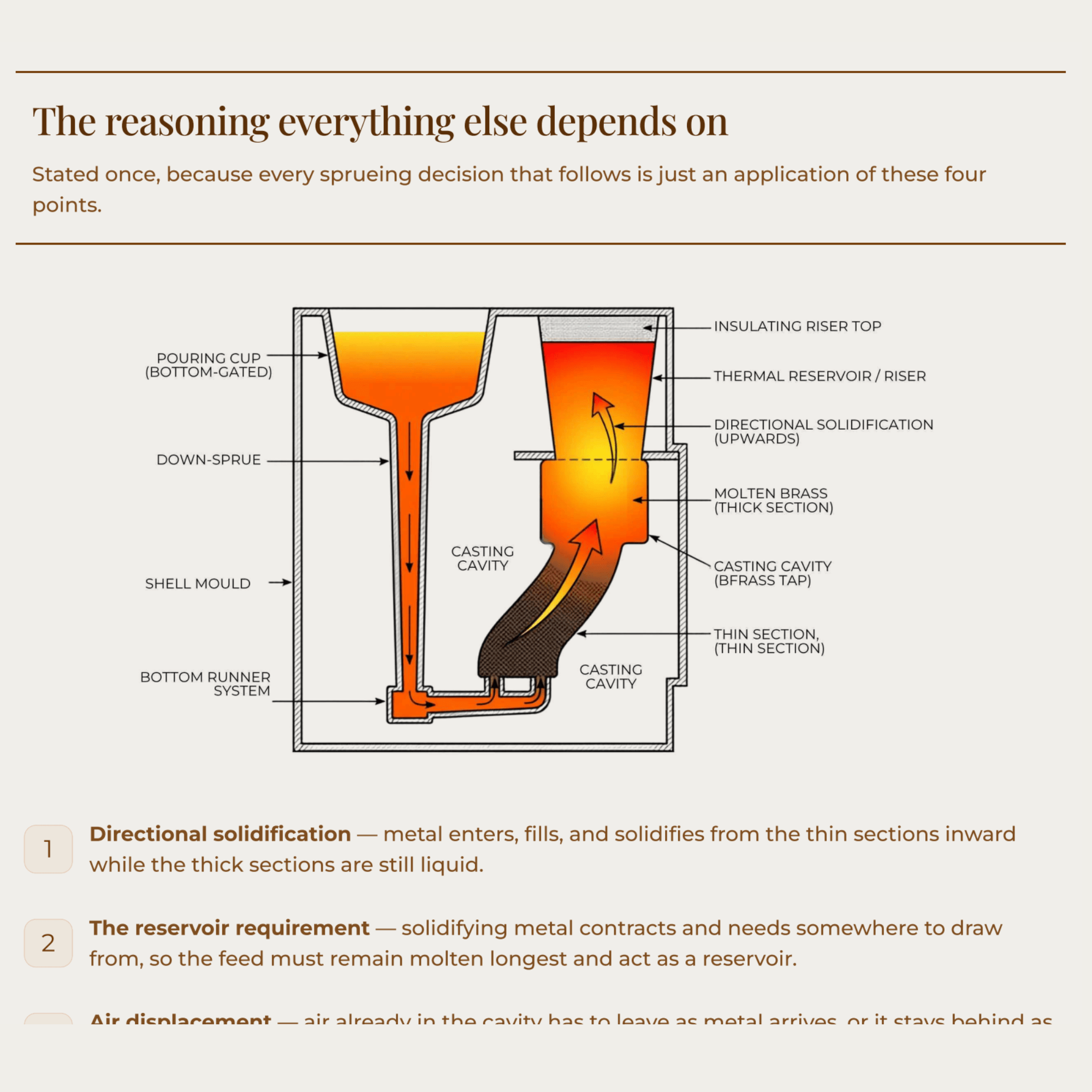
Brass Hardware investment casting is a detailed metalcasting process used to reproduce intricate brass hardware components with high precision. The process involves creating a pattern, encasing it in a refractory slurry, removing the pattern through burnout, and pouring molten brass into the resulting cavity. This method allows for detailed reproduction of undercuts and fine relief, making it ideal for authentic reproduction of period hardware and custom Brass Hardware pieces. The investment casting process minimizes mold opening and draft constraints, ensuring accurate replication of complex geometries.
Materials and Construction
The process primarily uses brass as the casting alloy, with a focus on the zinc fraction which influences melting range, color, and safety precautions. The investment mold is gypsum-bonded, offering high detail resolution and a suitable thermal expansion rate. Pattern preparation involves creating precise models from durable materials suitable for investment casting. The process employs refractory slurry and castable resin for pattern replication, with specific equipment recommended over custom-built options to ensure safety and consistency.
Dimensions and Compatibility
While specific dimensions depend on the individual pattern, the casting mold can accommodate complex detailed brass hardware components. The investment mold size corresponds to the pattern dimensions, with typical pattern sizes ranging from small fittings to larger hardware components. Compatibility depends on the pattern material and the scale of the hardware piece to be reproduced.
Key Features
- Reproduces high-detail brass hardware with fine relief and undercuts
- Uses gypsum-bonded investment for precision casting
- Suitable for patterns made from castable or standard 3D printing resins
- Process involves burnout, melting, pouring, and finishing steps
- Safe handling practices are integrated into the casting protocol
- Capable of producing small batches or detailed prototypes
Use Cases and Ideal Customer
This investment casting process is ideal for manufacturers or hobbyists creating authentic Brass Hardware, hardware restorers reproducing period-specific fittings, and small-scale artisans producing detailed hardware components. It is suitable for those working within a budget that encompasses high-detail reproduction, not mass production. The technique supports projects where precision and intricate detail are paramount, making it a preferred method for reproducing ornate brass hardware pieces.
Included Components
The process guide includes detailed instructions on pattern creation, investing, burnout, melting, pouring, and finishing. It does not include actual materials or equipment such as the furnace, crucible, or casting molds, which must be purchased separately. Safety gear and protective equipment are also not included.
Care and Safety
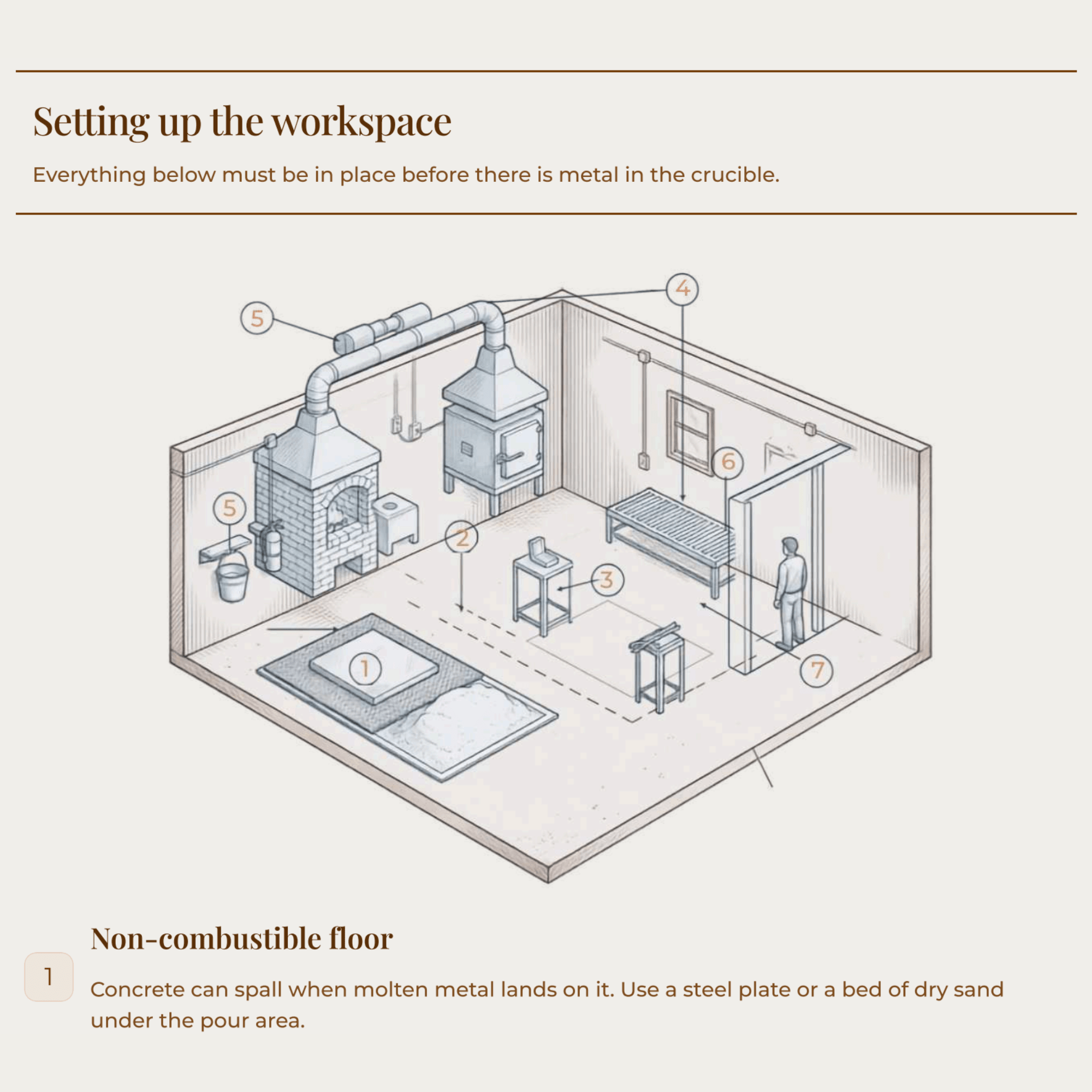
Proper safety protocols involve wearing appropriate PPE to protect from molten metal and zinc oxide fumes, maintaining a clean workspace free of moisture, and following detailed burnout and pouring schedules to prevent mold cracking and defects. Regular maintenance of equipment and careful handling of the casting materials extend their lifespan. The guide emphasizes safety literacy integrated into each step, ensuring safe and successful brass casting projects.