




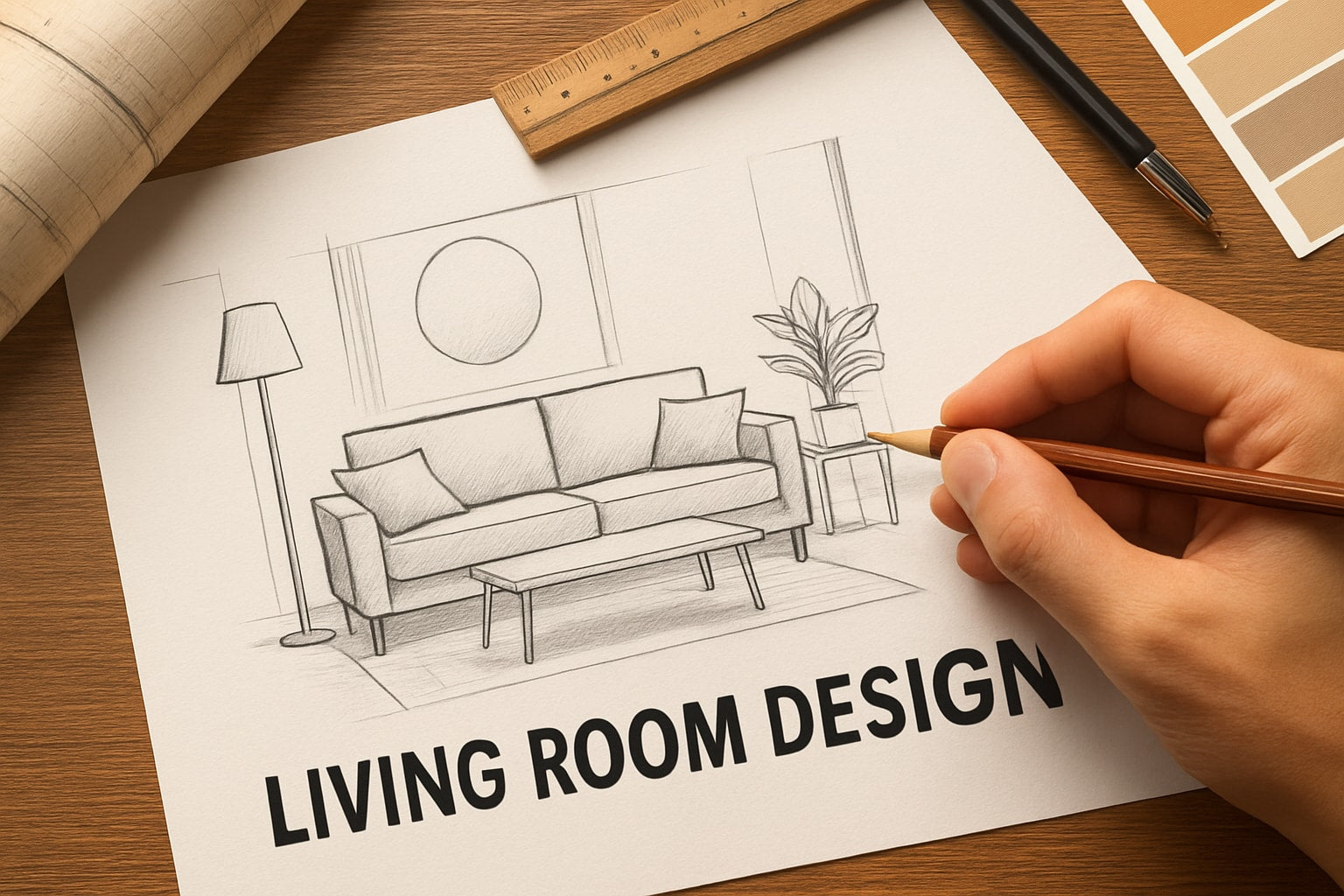
Imagine a living room that not only looks stunning but also fits your lifestyle perfectly. As design trends evolve, creating a space that is both functional and stylish becomes even more essential.
This comprehensive living room design drawing guide brings you expert-backed insights for 2026. You will learn how to combine the latest trends, smart layout strategies, and cutting-edge digital tools to visualize and plan your dream living room.
Ready to transform your ideas into a practical, beautiful space? Let’s explore how living room design drawing can help you achieve a living room that truly reflects your personality and needs.
Understanding Living Room Design Fundamentals
Designing a living room that truly works for you begins with understanding the essential principles that guide every successful space. Before you start your living room design drawing, it is crucial to clarify how the room will serve your daily life and reflect your personality. This section explores the functional, aesthetic, and practical fundamentals that shape exceptional living rooms.
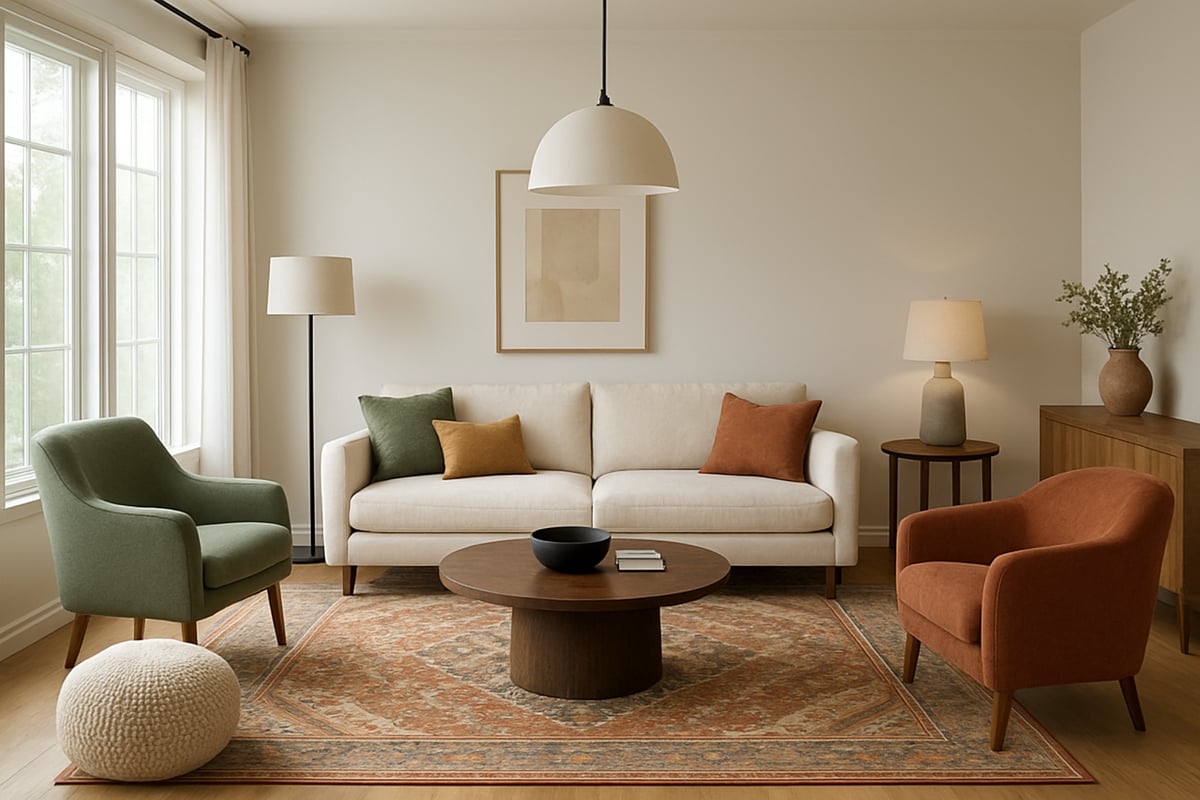
Defining the Purpose and Functionality of Your Living Room
Every living room serves a unique purpose, from relaxing after work to entertaining guests or providing a play area for children. When starting your living room design drawing, first identify your primary activities: Do you need a space for movie nights, working from home, or a quiet reading corner?
Consider multi-functional needs, especially if your home is compact. Analyze how your household moves through the space and where natural pathways should be. Open-plan layouts allow for flexible zones, while enclosed rooms offer privacy and control over noise. In urban homes, multi-use living rooms are increasingly common, a trend highlighted in Popular Home Design Trends.
Functionality will influence your choices for storage, seating, and even the placement of electrical outlets. The more clearly you define your needs, the more effective your living room design drawing will be.
Key Principles of Interior Design for Living Rooms
Timeless design principles give your living room both harmony and visual appeal. Start with balance, choosing between symmetrical arrangements for a formal look or asymmetry for a relaxed atmosphere. Scale and proportion are essential; oversized furniture in a small space can overwhelm, while tiny pieces in a large room seem lost.
Establish a focal point, such as an art piece, fireplace, or media center, to draw the eye and organize seating. Use rhythm and repetition by echoing shapes or colors throughout the room, creating a sense of movement. Harmony ties the space together through consistent materials and style. For example, anchoring your living room design drawing with a striking rug can unify the entire scheme and set the tone for the rest of the decor.
Common Mistakes to Avoid in Living Room Design
Even the best plans can fall short if certain pitfalls are overlooked in your living room design drawing. Overcrowding the space with too much furniture restricts movement and makes the room feel cramped. Insufficient or poorly placed lighting results in a dull atmosphere and can make tasks difficult. Ignoring traffic paths leads to awkward layouts that disrupt everyday flow.
Disregarding scale and proportion is another common error, as is following trends without adding your own personal touch. For instance, placing a TV directly opposite windows often causes glare, reducing overall comfort. By staying mindful of these mistakes, your living room design drawing will support a space that is both stylish and comfortable.
Step-by-Step Guide to Living Room Design Drawing
Designing a living room that balances beauty and function requires a clear, structured approach. This step-by-step guide will help you master the essentials of living room design drawing, from measuring your space to detailing the finishing touches. By following each phase methodically, you can turn your vision into a practical, inspiring reality.

Step 1: Measuring and Mapping Your Space
Begin your living room design drawing by collecting precise measurements. Use a tape measure or laser measurer to note the length, width, and ceiling height of your room. Record the positions of windows, doors, built-in shelves, and any fixed architectural features. Mark the locations of electrical outlets, switches, and radiators, since these elements influence layout decisions.
For accuracy, transfer your measurements onto graph paper or use a digital app. Employ a consistent scale, such as 1:20, so your drawing reflects real proportions. This foundational step ensures your living room design drawing is reliable and makes future planning straightforward.
Step 2: Sketching the Basic Floor Plan
With your measurements ready, sketch the room’s outline to scale. Start by drawing the perimeter walls, then add windows, doors, and any architectural features like beams or columns. Clearly indicate ceiling height, alcoves, or built-in storage that may affect the arrangement.
Consider whether your space is open-plan or enclosed, as this will impact how you approach the living room design drawing. An open concept may require creative solutions for defining zones, while a traditional layout focuses more on maximizing each enclosed area. A clear floor plan lays the groundwork for efficient furniture placement and smooth traffic flow.
Step 3: Planning Furniture Placement
Now, use your floor plan to experiment with furniture arrangements. Identify the room’s focal point, such as a fireplace, media center, or statement piece, and orient seating around it. Maintain clearances of 30 to 36 inches for walkways to ensure comfort and accessibility.
Try out various layouts, like L-shape, U-shape, or floating furniture. Modular furniture is especially useful for adaptable spaces. In 2026, L-shaped layouts are favored for both compact and spacious rooms due to their flexibility. To visualize furniture accurately, consider using digital resources like the Lounge Chair 3D CAD Design Drawing to place scaled models directly onto your plan. This elevates your living room design drawing and helps you make informed decisions.
Step 4: Adding Lighting and Electrical Plans
Lighting is essential for both ambiance and function. On your plan, map out the locations for ambient lighting (such as ceiling fixtures), task lighting (reading lamps), and accent lighting (spotlights or sconces). Indicate where you will place lamps, ceiling lights, and smart controls.
Layered lighting allows you to adapt the atmosphere for day and night use. Integrate lighting with your furniture and décor to highlight focal points and create a welcoming environment. Detailing your lighting and electrical setup in your living room design drawing ensures your space is both beautiful and practical.
Step 5: Detailing Decor and Accessories
The final step in your living room design drawing is planning décor and accessories. Determine the placement of rugs, curtains, wall art, plants, and decorative objects. Strive for visual balance by distributing color and texture evenly throughout the room.
Place artwork at eye level and group accessories in odd numbers for a designer look. This phase is also your opportunity to personalize the space, reflecting your unique style and interests. A thoughtful approach to finishing touches brings your living room design drawing to life and ensures the space feels harmonious and inviting.
Latest Trends in Living Room Design for 2026
Staying ahead in living room design drawing means understanding the trends shaping 2026 interiors. This year, designers are prioritizing sustainability, technology, rich colors, flexible furnishings, nature-inspired elements, and bold personal expression. Each trend influences how your living room design drawing comes together, from material choices to the final décor details.
Sustainable and Eco-Friendly Materials
Sustainability is no longer optional in living room design drawing. Homeowners are embracing recycled woods, reclaimed materials, and low-VOC paints. Bamboo flooring and organic cotton upholstery are two popular choices that offer both beauty and environmental responsibility.
Natural fibers are replacing synthetics in area rugs and textiles. Designers recommend sourcing locally produced décor to reduce your carbon footprint. Incorporating these elements ensures your living room is healthy, future-proof, and visually appealing.
Smart Living Rooms: Integrating Technology
Technology seamlessly integrates into living room design drawing in 2026. Smart lighting systems, automated blinds, and built-in wireless speakers are now standard features in modern living rooms.
Homeowners are choosing concealed charging stations and wireless entertainment systems for a clutter-free look. Smart controls let you change lighting, music, and temperature with a simple voice command or app. This trend improves both convenience and the overall aesthetic of your space.
Color and Texture Trends
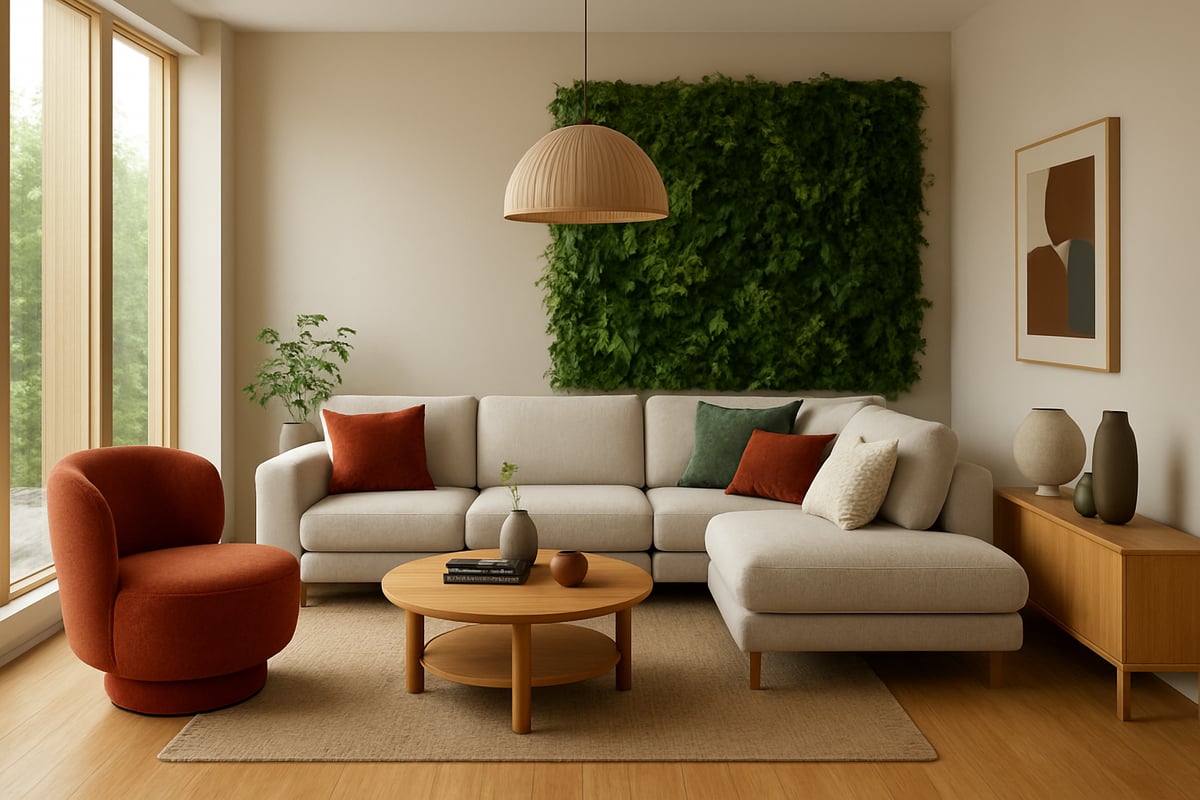
Color and texture are central to every living room design drawing this year. Earthy neutrals anchor the palette, while bold accents like terracotta, sage, and deep blue add vibrancy. Designers are combining velvet, boucle, natural wood, and metal for rich layers and tactile interest.
According to Living Room Trends for 2026, 68% of experts predict a shift toward warmer tones and organic textures. Experiment with contrasting materials to create a dynamic, welcoming environment.
Flexible and Modular Furniture
Adaptability is essential in living room design drawing for 2026. Flexible and modular pieces, such as sectional sofas and nesting tables, allow you to reconfigure your space as needs change.
Modular furniture is ideal for urban dwellers who value versatility and efficiency. Look for pieces that serve multiple functions, like ottomans with storage or adjustable shelving. This approach maximizes both comfort and usability in any living room layout.
Biophilic and Nature-Inspired Design
Bringing the outdoors inside is a defining theme in living room design drawing. Large windows, indoor plants, and botanical prints blur the line between interior and exterior.
Living walls and panoramic window seating are gaining popularity for their calming effect and visual impact. Choose natural materials and maximize daylight to foster a serene, restorative environment that enhances well-being.
Personalized and Maximalist Touches
Personal expression shapes living room design drawing in 2026. Homeowners are blending vintage finds with modern pieces, displaying collections, and commissioning custom art.
Maximalist décor, with bold patterns and curated displays, celebrates individuality. The goal is to craft a space that feels truly yours, reflecting your story and passions through every design choice.
Essential Elements of a Functional Living Room Layout
A well-executed living room design drawing is the foundation for a space that feels welcoming, organized, and comfortable. By focusing on zoning, furniture, storage, lighting, acoustics, and accessibility, you can create a living room that is both beautiful and functional.
Zoning and Flow
Effective zoning is crucial in any living room design drawing. Begin by identifying the main activities for your space, such as conversation, media viewing, reading, or play. Use rugs, lighting, or open shelving to subtly define these zones without closing off the room.
For example, a reading nook by a window can be created with a cozy armchair and a floor lamp. This approach helps direct traffic flow, minimizing congestion and making the living room easier to navigate. Zoning also allows for personalized areas, like a small workspace or play corner, ensuring your living room design drawing meets your household's unique needs.
Seating Arrangements
The seating configuration you choose will shape the comfort and usability of your living room design drawing. Sectionals, sofa plus chairs, and modular seating each offer distinct advantages.
| Seating Type | Best For | Pros |
|---|---|---|
| Sectional | Families, large spaces | Flexible, social, trending |
| Sofa + Chairs | Small rooms, versatility | Easy to rearrange, classic look |
| Modular | Evolving needs | Adaptable, space-saving |
In 2026, sectionals are up 25% in popularity, especially for family rooms. Whichever arrangement you choose, ensure each seat has access to a table and lighting for optimal function. For more on upcoming trends, see the 2026 Interior Design Trends for expert insights.
Storage Solutions
Integrated storage is essential for a clutter-free living room design drawing. Consider built-in cabinets, floating shelves, and multifunctional furniture. Ottomans with hidden compartments and wall-mounted TV units are popular choices that maximize both style and utility.
Strategically placed storage helps keep everyday items out of sight while still within reach. This enhances the overall flow and keeps the space visually open. Choose storage solutions that blend with your décor, ensuring cohesion in your living room design drawing.
Lighting Strategies
Lighting is a transformative element in any living room design drawing. Combine overhead lights, task lighting, and accent lighting to create a layered effect. Use dimmers and smart controls for flexibility throughout the day.
Statement pendant lights work well for rooms with high ceilings, while table lamps and sconces add warmth to seating areas. Place lighting thoughtfully to highlight focal points and maintain balance in your living room design drawing.
Acoustic Considerations
Good acoustics are often overlooked in the living room design drawing process. Rugs, curtains, and upholstered furniture help absorb sound, reducing echo and creating a cozy atmosphere.
Acoustic panels disguised as art can further enhance the sound quality without sacrificing style. These elements are especially important in open-plan spaces where noise can travel easily. Prioritizing acoustics in your living room design drawing ensures comfort for conversation, media, and relaxation.
Accessibility and Comfort
A functional living room design drawing accounts for accessibility and comfort for all users. Opt for barrier-free layouts with wide walkways and low-profile furniture.
Ensure there are no obstacles blocking movement, making the space suitable for all ages and abilities. Comfortable furniture, proper seat height, and easy-to-reach storage all contribute to a welcoming environment. Prioritizing accessibility in your living room design drawing helps future-proof your home for evolving needs.
Visualizing Your Living Room: Tools and Techniques
Visualizing your living room design drawing is the key to transforming ideas into a space that truly reflects your vision. Whether you prefer traditional sketches or advanced digital tools, selecting the right method streamlines the entire design process. Let’s explore the essential techniques and resources for bringing your living room to life.
Traditional Drawing Techniques
Hand-drawn sketches remain a timeless approach for living room design drawing. Start with scaled floor plans using graph paper, pencils, and rulers to capture room proportions accurately. Colored pencils or markers help visualize color schemes and material choices.
Creating mood boards with physical samples supports your living room design drawing by allowing you to experiment with textures and finishes. This tactile process is especially valuable for those who want a hands-on, creative experience.
Digital Design Tools for 2026
Digital tools have revolutionized living room design drawing. Software like SketchUp, AutoCAD, and Roomstyler offer drag-and-drop furniture arrangements, 3D visualization, and even virtual reality walkthroughs.
These platforms make it easy to test different layouts and color palettes before committing. Augmented reality apps now let you preview furniture in your actual living room, ensuring your design drawing matches your real-world space.
Mood Boards and Sample Boards
Mood boards play a crucial role in living room design drawing, helping you organize inspiration and clarify your style direction. Collect fabric swatches, paint chips, and sample materials to build a cohesive palette.
Both digital and physical mood boards are effective. Digital boards enable easy sharing and instant updates, while physical boards offer a tactile preview. For expert decor inspiration, refer to resources like the Essential Guide to Casa Decor Trends, which covers trending materials and color ideas for modern living rooms.
Leveraging 3D Models and CAD Resources
Access to pre-designed 3D models and CAD blocks elevates your living room design drawing. These resources allow you to insert accurate representations of furniture and décor, making your plans more precise.
Downloadable models save time and improve accuracy, especially when planning complex layouts. Many design platforms offer extensive libraries, enabling you to experiment with new arrangements quickly.
Craft’n Build Design Co.: Elevate Your Design Process
Streamline your living room design drawing with Craft’n Build Design Co. Their library of 3D furniture models and CAD assets accelerates the planning process for both beginners and experienced designers.

Benefit from expert-led online courses covering CAD skills and interior techniques. Custom sourcing and tailored support ensure your living room design drawing is both efficient and inspiring, from concept to completion.
Expert Tips for Perfecting Your Living Room Design Drawing
Designing a standout living room requires more than just creativity. It takes smart planning, a clear process, and real-life insights to achieve a living room design drawing that works for your space and lifestyle. Here are expert-backed strategies to perfect your living room design drawing, from collaborating with professionals to learning from real-world success stories.
Collaborating with Professionals
Working alongside interior designers or architects can elevate your living room design drawing from good to exceptional. Professionals bring a trained eye to spatial planning, materials, and technical details you might overlook. They are especially valuable for complex layouts, open-concept spaces, or when integrating smart technology.
Early collaboration helps avoid costly mistakes and ensures your vision is practical. If you are considering structural changes or advanced lighting, consulting a pro can turn your living room design drawing into a seamless reality.
Common Pitfalls and How to Avoid Them
Even experienced DIYers can stumble when creating a living room design drawing. Common errors include ignoring natural light, crowding the space, or choosing furniture that is out of scale. Over-accessorizing or underestimating storage needs can also disrupt flow.
To prevent these issues, study recent trends and expert advice, such as those found in the Top 10 Interior Trends of 2026. This ensures your living room design drawing balances style, comfort, and function, while avoiding mistakes that date your space.
Refining and Iterating Your Design
A successful living room design drawing is rarely perfect on the first try. Start with initial sketches, then revisit and adjust as you gather feedback from family or friends. Testing virtual layouts or using 3D visualization tools can help you spot issues early.
Refining your living room design drawing by iterating on details like furniture placement or color distribution leads to a more harmonious and personalized space. Do not hesitate to make changes as your ideas evolve.
Staying Flexible and Future-Proofing
Lifestyle needs change, so your living room design drawing should be adaptable. Plan for evolving needs such as remote work, children, or accessibility. Modular furniture and movable partitions offer flexibility for future changes.
By anticipating adjustments, your living room design drawing remains relevant and functional for years. Future-proofing also means choosing timeless elements that can be updated with accessories rather than major overhauls.
Budgeting and Sourcing Materials
Creating a realistic budget is crucial for any living room design drawing. Allocate funds thoughtfully between essentials like seating and lighting, and decorative touches. Digital tools can help you estimate costs and track spending.
For inspiration and cost-saving ideas, explore resources like 2026 Home Decor Trends, which highlight affordable, trend-forward options. Sourcing quality materials at the right price ensures your living room design drawing stays on budget without sacrificing style.
Inspiration Sources and Ongoing Learning
Stay inspired and informed by following design blogs, online communities, and social media. Participate in virtual workshops or forums to learn new techniques and gather feedback.
Ongoing learning keeps your living room design drawing fresh and aligned with current best practices. Sharing your progress with others can also spark new ideas and solutions.
Real-Life Case Studies and Success Stories
Learning from real-world transformations brings valuable perspective to your living room design drawing. Case studies highlight creative solutions, such as maximizing small spaces or integrating technology seamlessly.
Success stories often reveal that flexibility, personalization, and attention to detail are key to achieving a living room design drawing that truly reflects the homeowner. Drawing inspiration from these examples can help you avoid common pitfalls and achieve your dream space.
Now that you’ve explored step by step how to map out, visualize, and refine your living room design, you might be wondering how to take your skills even further or bring your ideas to life with professional tools. Whether you’re just starting out or looking to sharpen your expertise, having a solid foundation in interior design can make all the difference in creating a space that feels uniquely yours. If you’re ready to deepen your understanding and approach your next project with confidence, I recommend you Get started with Interior Design.

Share:
Natural Style Interior Design Guide for a Serene Home 2026